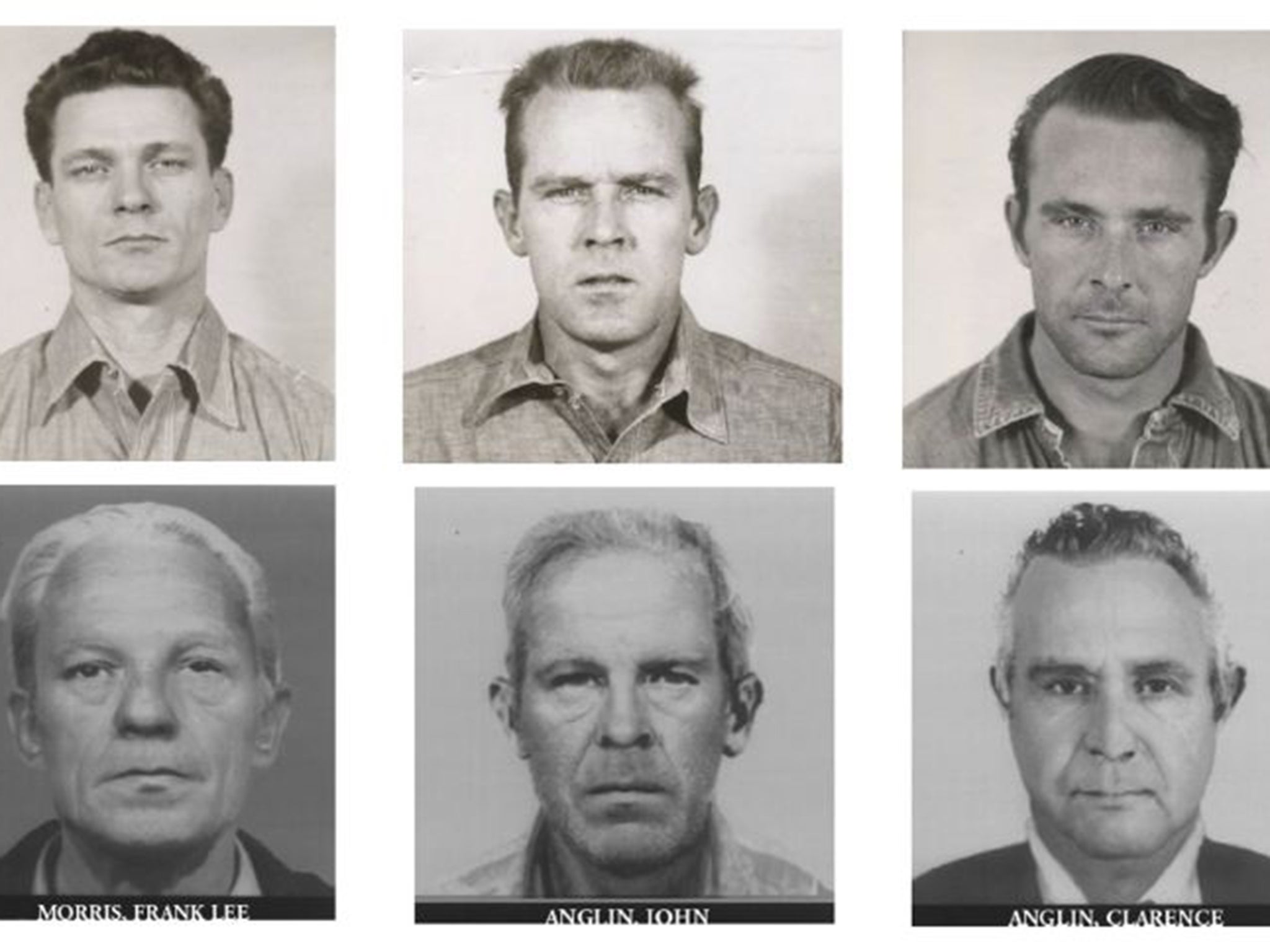
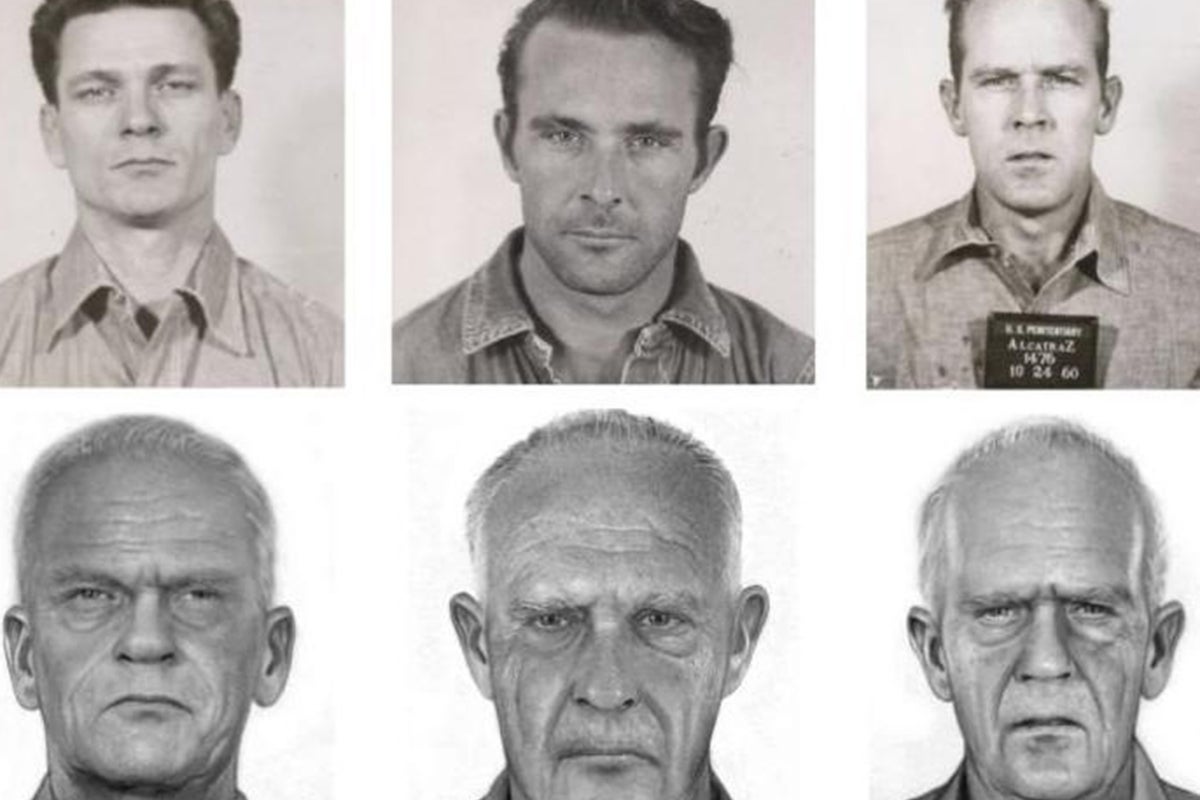
On June 11, 1962, Frank Morris and brothers John and Clarence Anglin vanished from Alcatraz Federal Penitentiary, leaving behind dummy heads in their beds and a mystery that persists into 2026. While official reports suggest they likely drowned in the San Francisco Bay, significant evidence and modern forensic analysis continue to challenge the narrative of their demise.
The Architect of the Impossible: Who Was Frank Morris?
To understand the 1962 escape, one must first analyze the mind of its primary architect, Frank Morris. Classified by authorities as having an IQ in the top 2% of the population (approximately 133), Morris was a career criminal with a history of escaping from other institutions. Before arriving at Alcatraz in January 1960, he had already demonstrated a keen ability to identify structural weaknesses in "escape-proof" facilities.
Morris was not a man of brute force but of meticulous calculation. His transfer to Alcatraz—the "Rock"—was intended to be the final stop in a criminal career defined by evasion. However, Morris spent his first year observing the routines of the correctional officers and the physical decay of the prison. Built in the early 20th century, the salt air of the bay had begun to corrode the concrete and iron of the cellblocks, a technical detail that Morris would eventually exploit.
He did not work alone. He recruited John and Clarence Anglin, brothers with a history of bank robberies and a shared childhood spent swimming in the turbulent waters of Lake Michigan. Their physical stamina and experience with water were essential components of the plan. A fourth man, Allen West, was instrumental in the preparation phase but ultimately failed to leave his cell on the night of the escape due to a stuck ventilation grill.
The Engineering of the Escape: Tools and Tactics
The technical execution of the Morris-Anglin escape remains a subject of study for structural engineers and historians alike. The group faced three primary obstacles: the reinforced concrete walls of their cells, the need to deceive guards during nighttime counts, and the 1.25 miles of frigid, current-heavy water separating Alcatraz from the mainland.
Excavating the Utility Corridor
The inmates targeted the 6-by-9-inch ventilation ducts at the back of their cells. To enlarge these openings, they used a variety of improvised tools. Most notable was a makeshift drill constructed from a broken vacuum cleaner motor and a stolen spoon. By sharpening the edges of spoons and using the motor to provide mechanical advantage, they spent months slowly chipping away at the moisture-damaged concrete surrounding the vents.
To mask the sound of their work, Morris played his accordion during the prison’s designated music hour. The cacophony of other inmates practicing instruments provided the necessary acoustic cover. Once the holes were large enough, they concealed the damage using false wall segments made of painted cardboard and soap.
The Decoy: Creating the Dummy Heads
The most famous aspect of the escape was the creation of "dummy heads" used to fool guards during the "bed checks" that occurred every hour. These were not mere bundles of blankets. Morris and the Anglins used a mixture of soap, toothpaste, concrete dust, and toilet paper to create a rudimentary papier-mâché.
For a realistic appearance, they raided the prison barbershop for actual human hair. They applied skin-tone paint and meticulously placed the hair on the forms. On the night of June 11, these decoys were placed in the beds, tucked under the covers. The ruse was so effective that the escape was not discovered until the morning of June 12, giving the trio a lead of over nine hours.
The Nautical Challenge: The Raincoat Raft
Perhaps the most impressive technical feat was the construction of a 6-by-14-foot inflatable rubber raft. Over several months, the group acquired more than 50 "standard issue" rubberized raincoats. Using contact cement stolen from the prison’s glove shop and heat from nearby steam pipes to vulcanize the seams, they created a functional watercraft.
They also manufactured wooden paddles and a concertina (accordion) that had been converted into a bellows to inflate the raft. This level of fabrication required a sophisticated understanding of materials and air pressure, further cementing Morris's reputation as a high-level strategist.
The Night of June 11, 1962: A Chronological Reconstruction
The escape began shortly after the 9:30 PM lights-out. The timeline below represents the most accurate reconstruction based on FBI files and the subsequent U.S. Marshals Service investigation.
- 21:40: Morris and the Anglins exit their cells through the enlarged ventilation ducts into the 3-foot-wide utility corridor.
- 22:00: They climb the plumbing pipes to the top of the cellblock (Level 3), where they had established a secret workshop.
- 22:30: The trio retrieves the raft, paddles, and life vests. They move to the roof of the cellblock via a large ventilation shaft, having previously cut the rivets and replaced them with dummy bolts made of soap.
- 23:00: They traverse the roof of the prison, avoiding the searchlights of the guard towers, and slide down a 50-foot kitchen vent pipe to the ground near the power plant.
- 23:30: The men scale two 12-foot barbed-wire fences and reach the northeast shore of the island.
- 00:00 (approx.): They inflate the raft and launch into the San Francisco Bay.
At this point, the trail goes cold. The water temperature that night was approximately 54 degrees Fahrenheit (12 degrees Celsius). Hypothermia would have set in within 20 to 30 minutes for anyone submerged. However, if the raft held its integrity, the men could have crossed the bay in roughly 45 minutes to an hour, depending on the tide.
Evidence Analysis: Survival vs. Perishment
The debate over whether Morris and the Anglins survived has been fueled by conflicting evidence discovered in the decades following the event.
| Type of Evidence | Description | Significance |
|---|---|---|
| Physical Debris | A paddle and a plastic bag containing personal photos were found near Angel Island. | Suggests the raft may have broken up or been discarded. |
| The "Blue Box" | A rubber packet containing names and addresses of Anglin associates. | Found floating; suggested they lost their contact information. |
| The 2013 Letter | A letter sent to San Francisco police in 2013, allegedly from John Anglin. | Claimed all three survived; John was living in Southern California. |
| The Brazil Photo | A 1975 photograph purportedly showing the Anglin brothers on a farm in Brazil. | Subject of intense facial recognition analysis; results remain "inconclusive but possible." |
| Tidal Modeling | 2014 Dutch study using computer simulations of 1962 currents. | Showed that if they launched at exactly midnight, they likely hit Horseshoe Bay (North of Golden Gate). |
The 2013 Letter and Forensic Skepticism
In 2018, the FBI made public a letter received in 2013. The author claimed to be John Anglin and stated that Frank Morris had died in 2008 and Clarence Anglin in 2011. The writer offered to surrender in exchange for medical treatment for cancer. While the FBI Laboratory conducted DNA tests and handwriting analysis, the results were deemed "inconclusive." Skeptics argue that a man who successfully eluded the government for 50 years would be unlikely to risk capture for prison healthcare, while proponents suggest the details of the letter matched known family histories.
The Brazil Connection
One of the most compelling pieces of modern evidence is a photograph taken in Brazil in 1975 by a family friend of the Anglins, Fred Brizzi. The photo shows two men standing next to a large termite mound. In 2022 and again in recent 2026 reviews, AI-driven facial recognition software compared the men in the photo to the 1962 mugshots of John and Clarence Anglin. The software indicated a high probability of a match, though the quality of the original 1975 film prevents a 100% legal verification.
The Role of the U.S. Marshals Service in 2026
While the FBI officially closed its case (Operation 2852) in 1979, the U.S. Marshals Service (USMS) maintains an active warrant for all three men. In the United States, an escape warrant does not expire until the subject is proven dead or reaches the age of 100.
As of 2026, the status of the subjects is as follows:
- Frank Morris: Would be 99 years old.
- John Anglin: Would be 96 years old.
- Clarence Anglin: Would be 95 years old.
The USMS continues to follow leads, including tips from family members and modern sightings. Deputy U.S. Marshals have noted that the Anglin family, specifically the brothers' nephews, have been remarkably consistent in their belief that the men survived, citing "flowers delivered without cards" and "unsigned Christmas cards" received by the brothers' mother for years after the escape.
Common Myths and Misconceptions
Several myths have clouded the historical record of the Alcatraz Morris escape. Addressing these is vital for a technical understanding of the event.
Myth 1: The water is impossible to swim. While the currents are treacherous, many people swim from Alcatraz to San Francisco every year in "Escape from Alcatraz" triathlons. The difficulty for the 1962 trio was the temperature and the lack of modern wetsuits, though their raincoat-based life vests would have provided some thermal insulation.
Myth 2: No one ever survived an escape from Alcatraz. While the official record states no one successfully escaped, several inmates were unaccounted for in other attempts (such as the 1937 escape of Cole and Roe). The Morris-Anglin attempt is unique because of the complexity of the preparation and the lack of bodies ever being recovered.
Myth 3: The raft was found on Angel Island. Debris was found near Angel Island, but a fully intact raft was never recovered. This led to the theory that the men may have landed, deflated the raft, and moved into the shadows of Marin County.
Frequently Asked Questions
Was Frank Morris ever found?
No. Despite extensive searches by the FBI, Coast Guard, and U.S. Marshals, no definitive physical evidence of Frank Morris's death or survival has ever been found. His status remains "Missing - Escaped."
What happened to Allen West?
Allen West, the fourth conspirator, was unable to get the ventilation grill out of his cell wall in time to join the others. He cooperated with the FBI, providing much of the technical detail regarding how the tools were made and what the group’s planned destination was (Angel Island, then to the mainland to steal a car). He was never charged for the escape attempt and died in prison years later of unrelated causes.
Did the FBI find the dummy heads?
Yes. The dummy heads are currently some of the most famous artifacts in the history of the U.S. Department of Justice. They are occasionally put on display at the Alcatraz Island museum or at the FBI headquarters in Washington, D.C.
Why is the case still open in 2026?
The U.S. Marshals Service maintains the case because there is no "statute of limitations" on escaping from federal custody. Until there is a death certificate or the men reach an age where survival is biologically impossible (typically 100), the warrants remain active.
Could modern technology solve the mystery?
Modern technology has already provided new insights, such as the 2014 tidal simulations and 2022 facial recognition. However, without DNA from remains or a verified living subject, the case remains a "cold" investigation based on circumstantial evidence.
Final Assessment: The Legacy of the Escape
The 1962 Alcatraz escape by Frank Morris and the Anglin brothers stands as the most sophisticated prison break in American history. Whether they perished in the dark waters of the San Francisco Bay or lived out their lives in South America, the "lingering mystery" serves as a testament to human ingenuity and the drive for freedom.
For researchers and enthusiasts in 2026, the recommendation is to focus on the technical feasibility of the tidal crossing. The "Golden Gate launch theory"—which suggests the ebb tide pulled the raft out toward the ocean rather than toward Angel Island—remains the most scientifically grounded explanation for why no bodies were ever recovered. If you are visiting San Francisco, a trip to Alcatraz Island (now managed by the National Park Service) offers a firsthand look at the utility corridors and the sheer scale of the engineering feat these men accomplished.