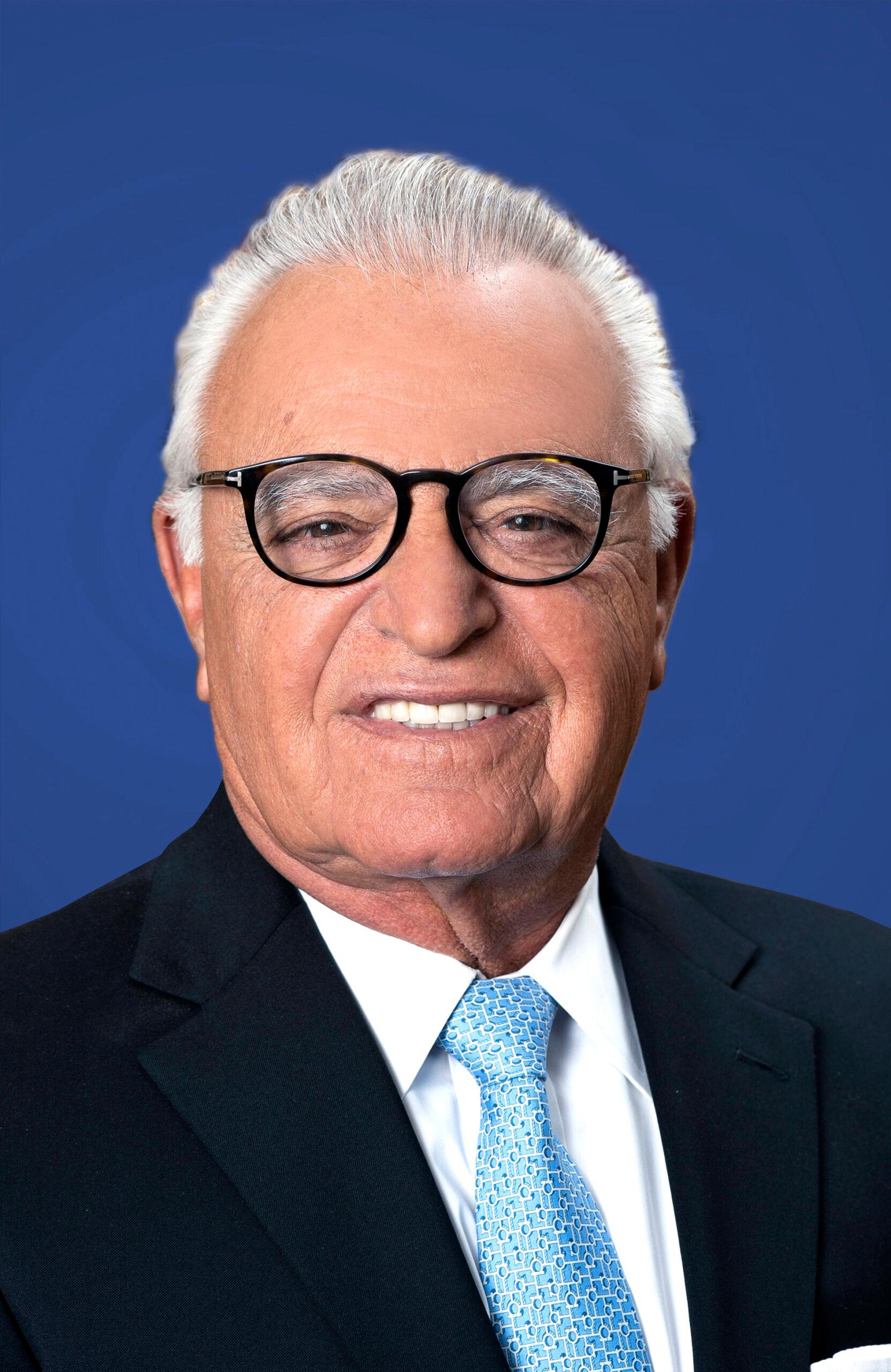
Albert Scaglione's net worth is widely estimated between $50 million and $100 million, derived primarily from his role as founder and Chief Executive Officer of Park West Gallery. As the head of one of the world's largest art dealers by volume, Scaglione built a multi-million-dollar empire primarily through high-volume onboard art auctions hosted on major international cruise lines.
Financial & Valuation Disclaimer
Net worth estimates for private enterprise owners reflect independent analytical evaluations, media disclosures, art market consensus, and regional real estate records. Because Park West Gallery is a privately held corporation, precise balance sheets, tax returns, and private asset schedules are not accessible through public regulatory filings such as the U.S. Securities and Exchange Commission (SEC).
Who Is Albert Scaglione? Career Foundations and Rise in the Art World
Before becoming a pivotal figure in mass-market art distribution, Albert Scaglione followed an academic path that differed sharply from traditional art world traditions. He worked as a professor of mechanical engineering at Wayne State University in Detroit, Michigan. His background in engineering and systems analysis provided him with an analytical perspective on operational efficiency, inventory control, and market reach—qualities that later revolutionized how fine art was bought and sold outside traditional gallery districts.
In 1969, Scaglione transitioned from engineering to found Park West Gallery in Southfield, Michigan. Initially operating as a conventional land-based gallery, Scaglione identified a significant gap in the commercial art market: fine art was largely restricted to elite galleries in major international hubs like New York, London, and Paris, leaving middle-class art enthusiasts and casual buyers underserved.
| Timeframe | Event |
|---|---|
| 1960s | Mechanical Engineering Professor (Wayne State University) |
| 1969 | Founded Park West Gallery in Southfield, Michigan |
| 1990s | Expanded aggressively into cruise ship art auctions |
| 2000s-2020s | Built global distribution network & launched foundation |
Scaglione reshaped art retailing by democratizing access to art acquisition. He focused on direct relationships with living artists, printmakers, and publishers, acquiring master graphic works, lithographs, etchings, and originals at commercial scale. By purchasing large blocks of inventory directly from artists or their estates, Park West established a supply model that drastically reduced per-unit acquisition costs while expanding retail distribution channels across North America and international waters.
The Cruise Ship Auction Model: The Engine of Scaglione's Fortune
The single largest catalyst for Albert Scaglione’s financial growth was his early expansion into maritime art auctions during the 1990s. Scaglione recognized that cruise ship passengers represented an ideal demographic for commercial art sales: relaxed, captive audiences with disposable income looking for engaging entertainment during sea days.
Park West Gallery secured long-term concession agreements with the world's major cruise lines, including:
- Carnival Cruise Line
- Royal Caribbean International
- Norwegian Cruise Line
- Princess Cruises
- Celebrity Cruises
- Holland America Line
How the Maritime Art Business Model Operates
The economic architecture of cruise ship auctions generated massive, steady revenues that elevated Scaglione’s personal net worth into the tens of millions of dollars:
- Low Overhead Customer Acquisition: Rather than maintaining expensive physical galleries in dozens of international metropolitan centers, Park West integrated its gallery spaces into cruise ships. This granted the company direct access to millions of vacationing passengers each year without traditional brick-and-mortar retail lease costs.
- High-Volume Sales Volume: At its operational peak, Park West conducted thousands of art auctions annually across hundreds of ships worldwide. Reports indicate that at peak operations, the company sold hundreds of thousands of individual works of art per year.
- Revenue Sharing with Cruise Operators: Cruise lines received a percentage of net sales or fixed concession fees, aligning the financial interests of cruise operators with Park West’s onboard performance.
- Consignment and Publisher Partnerships: Scaglione established exclusive representation or primary distribution deals with prominent contemporary artists such as Peter Max, Yaacov Agam, Autumn de Forest, Anatole Krasnyansky, and Itzchak Tarkay. By controlling the primary publishing rights and distribution pipelines, Park West retained significant profit margins on every piece sold.
At the peak of maritime auction expansion, industry analysts and regional business reporting estimated Park West Gallery’s total annual gross revenue to range between $300 million and $400 million, establishing Scaglione as one of the highest-grossing art dealers in modern history.
Breakdown of Albert Scaglione's Financial Assets
Albert Scaglione’s wealth is distributed across corporate holdings, physical art collections, real estate, and philanthropic reserves. While private corporate equity forms the core of his net worth, several distinct asset categories contribute to his overall economic standing.
- Albert Scaglione's Wealth Core
- Park West Gallery Equity & Operations
- Master Artworks & Corporate Inventory
- Real Estate & Facilities Holdings
1. Corporate Equity in Park West Gallery
As the primary founder and controlling owner of Park West Gallery, Scaglione holds the major stake in the operational entity, its brand intellectual property, customer databases, and maritime operational contracts. The equity valuation of Park West fluctuates based on global travel trends, cruise passenger numbers, and discretionary retail spending.
2. Fine Art Inventory & Master Works
Park West Gallery maintains a massive physical inventory of fine art, estimated to contain over 300,000 to 500,000 individual pieces stored across its primary Michigan headquarters, regional warehouses, and onboard ship vaults.
The collection includes works by historical masters and 20th-century icons, including:
- Rembrandt van Rijn (original etchings and plates)
- Pablo Picasso (ceramics, lithographs, and graphic works)
- Salvador Dalí (woodblocks, engravings, and original suites)
- Joan Miró (lithographs and aquatints)
- Marc Chagall (stained glass studies, lithographs, and book illustrations)
Because art inventory is carried on corporate balance sheets at cost or market valuation, the physical repository represents a highly substantial asset base underwriting Scaglione’s financial health.
3. Commercial Real Estate and Facilities
Scaglione’s real estate holdings are anchored by the Park West Gallery complex in Southfield, Michigan. The facility encompasses a 63,000-square-foot building sitting on expansive landscaped grounds. The complex serves as the company's operational headquarters, framing facility, global shipping distribution hub, and public museum space housing historical art collections.
4. Media, Publishing, and Intellectual Property
Through Park West’s publishing arm, Scaglione controls extensive rights to print, frame, and market works by exclusive contract artists. Licensing, reproduction rights, and video documentary production focused on represented artists contribute recurring revenue streams to the corporate structure.
Financial Overview & Asset Breakdown Table
The table below outlines the primary components that comprise Albert Scaglione’s estimated net worth, based on available financial reporting, industry benchmarks, and public business profiles:
| Asset Category | Description & Scope | Estimated Financial Value / Impact | Ownership / Entity Structure |
|---|---|---|---|
| Park West Gallery Equity | Controlling share of world's largest art dealer by sales volume | High ($40M – $80M net equity share) | Private Ownership (Albert Scaglione & Family) |
| Corporate Art Inventory | Hundreds of thousands of works (Rembrandt, Picasso, Dalí, Max) | High Multi-Million Valuation (Asset Base) | Held via Park West Gallery Corporate Entity |
| Headquarters & Land | 63,000 sq. ft. complex in Southfield, Michigan | Estimated $5M – $12M (Real Estate Value) | Corporate / Private Real Estate Trust |
| Artist Representation Rights | Exclusive distribution contracts & publishing IP rights | Ongoing Revenue Stream ($10M+ annual cash flow) | Exclusive Commercial Agreements |
| Philanthropic & Museum Assets | Park West Foundation holdings and educational art collections | Charitable Holdings (Non-taxable / Foundation) | Managed via Park West Foundation (501(c)(3)) |
Market Challenges, Legal Disputes, and Economic Volatility
An accurate assessment of Albert Scaglione’s net worth must account for market fluctuations, historical legal expenses, and legal settlements that have impacted corporate profit margins over the decades.
Art Valuation and Authenticity Controversies
During the late 2000s and 2010s, Park West Gallery faced several high-profile legal challenges and media investigations concerning art appraisals, auction practices on cruise ships, and the resale value of works by artists such as Salvador Dalí and Peter Max. Multiple lawsuits filed by buyers alleged that works purchased at onboard auctions were appraised higher than their secondary market value.
Park West defended its pricing structure, asserting that appraisals reflected insurance replacement value rather than immediate secondary market liquidations. While many cases were dismissed, settled confidentially, or resolved in favor of Park West, legal defense costs, customer refunds, and public relations campaigns required substantial capital outlays.
Cruise Industry Disruptions
Because a significant portion of Park West's revenue relies on cruise line concessions, global disruptions in the maritime travel industry directly affect corporate cash flow. For instance, the complete suspension of global cruise operations during 2020–2021 severely restricted onboard art auctions, requiring Park West to pivot rapidly to online live-streaming art auctions and land-based VIP collector events to maintain financial stability.
- Global Travel Boom (1990s-2010s): Peak Cruise Auction Revenue ($300M+)
- Legal Battles & Appraisal Disputes: High Legal & Public Relations Costs
- Global Maritime Suspension: Pivot to Digital & VIP Land Auctions
By transitioning to digital live auctions, Scaglione and his executive team preserved corporate operations, allowing the company to rebound as global travel resumed.
Philanthropy and The Park West Foundation
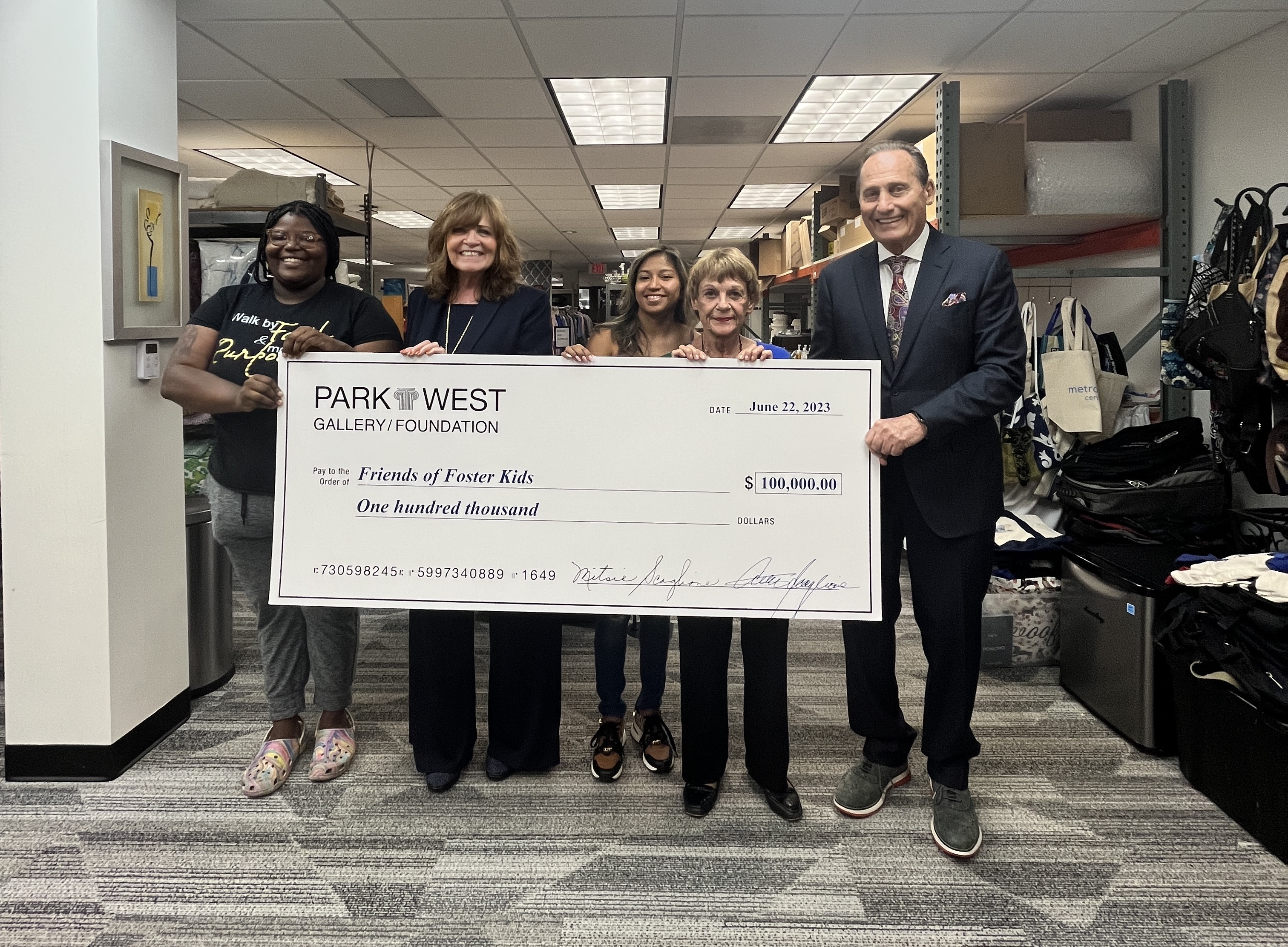
Albert Scaglione and his wife, Mitsie Scaglione, established the Park West Foundation in 2006 to direct a portion of their private resources toward social programs, youth advocacy, and environmental preservation.
Key initiatives supported by the foundation include:
- Foster Care Support: Providing housing, mentoring, educational scholarships, and career development tools for young adults aging out of the Michigan foster care system.
- Museum Exhibitions: Sponsoring free art exhibitions, museum loans, and educational outreach programs at public institutions across North America.
- Environmental & Conservation Projects: Supporting marine biology research, ocean protection initiatives, and wildlife conservation groups worldwide.
While contributions to 501(c)(3) charitable organizations do not count directly toward personal net worth, the scale of foundation endowments demonstrates the long-term capital depth of Scaglione's business enterprise.
Key Lessons for Art Investors and Collectors
Understanding Albert Scaglione's business model provides valuable context for art collectors and investors navigating commercial art auctions:
- Distinguish Between Retail and Secondary Markets: Works purchased at commercial auctions or cruise events reflect retail pricing, framing services, and venue overhead. Secondary liquidations (such as private sales or traditional auction houses) may yield different market valuations.
- Appraisal Purpose Matters: Insurance replacement value appraisals differ from immediate liquidation or fair market resale values. Collectors should obtain independent appraisals for secondary market resale decisions.
- Volume vs. Scarcity: Modern graphic editions, lithographs, and high-volume prints carry different long-term appreciation trajectories compared to rare, single-edition original oil paintings.
Frequently Asked Questions (FAQ)
What is Albert Scaglione’s estimated net worth in 2026?
Albert Scaglione’s net worth is estimated between $50 million and $100 million. This valuation is primarily tied to his private equity in Park West Gallery, extensive art inventory collections, real estate assets, and licensing rights.
How did Albert Scaglione make his money?
Scaglione earned his fortune by founding Park West Gallery in 1969 and pioneering the business of hosting art auctions aboard major international cruise ships. By selling high volumes of art to vacationing cruise passengers, Park West grew into one of the largest art dealers in the world by transaction volume.
Is Park West Gallery a publicly traded company?
No, Park West Gallery is a privately held corporation owned primarily by Albert Scaglione and his family. Because it is private, the company is not required to publish public financial statements, quarterly earnings reports, or SEC regulatory disclosures.
What is Park West Gallery’s annual revenue?
At peak cruise operations, historical estimates placed Park West Gallery’s annual revenues between $300 million and $400 million. Current revenues vary based on cruise ship passenger volume, global travel demand, and performance in digital auction channels.
What artists are most heavily represented by Park West Gallery?
Park West is known for representing major 20th-century figures (Pablo Picasso, Joan Miró, Marc Chagall, Salvador Dalí, Rembrandt) alongside popular contemporary artists such as Peter Max, Yaacov Agam, Autumn de Forest, Anatole Krasnyansky, and Itzchak Tarkay.
Summary Recommendation
For market observers, business analysts, and art collectors evaluating Albert Scaglione's wealth and business history, it is best to view his empire through the lens of innovative retail distribution. Scaglione transformed art dealing from an exclusive, localized luxury service into a high-volume, international mass-market operation.
When evaluating art purchases from large commercial dealers, buyers should request full provenance documentation, clarify appraisal terms (distinguishing insurance value from fair market value), and consult independent art appraisers before making major financial commitments.