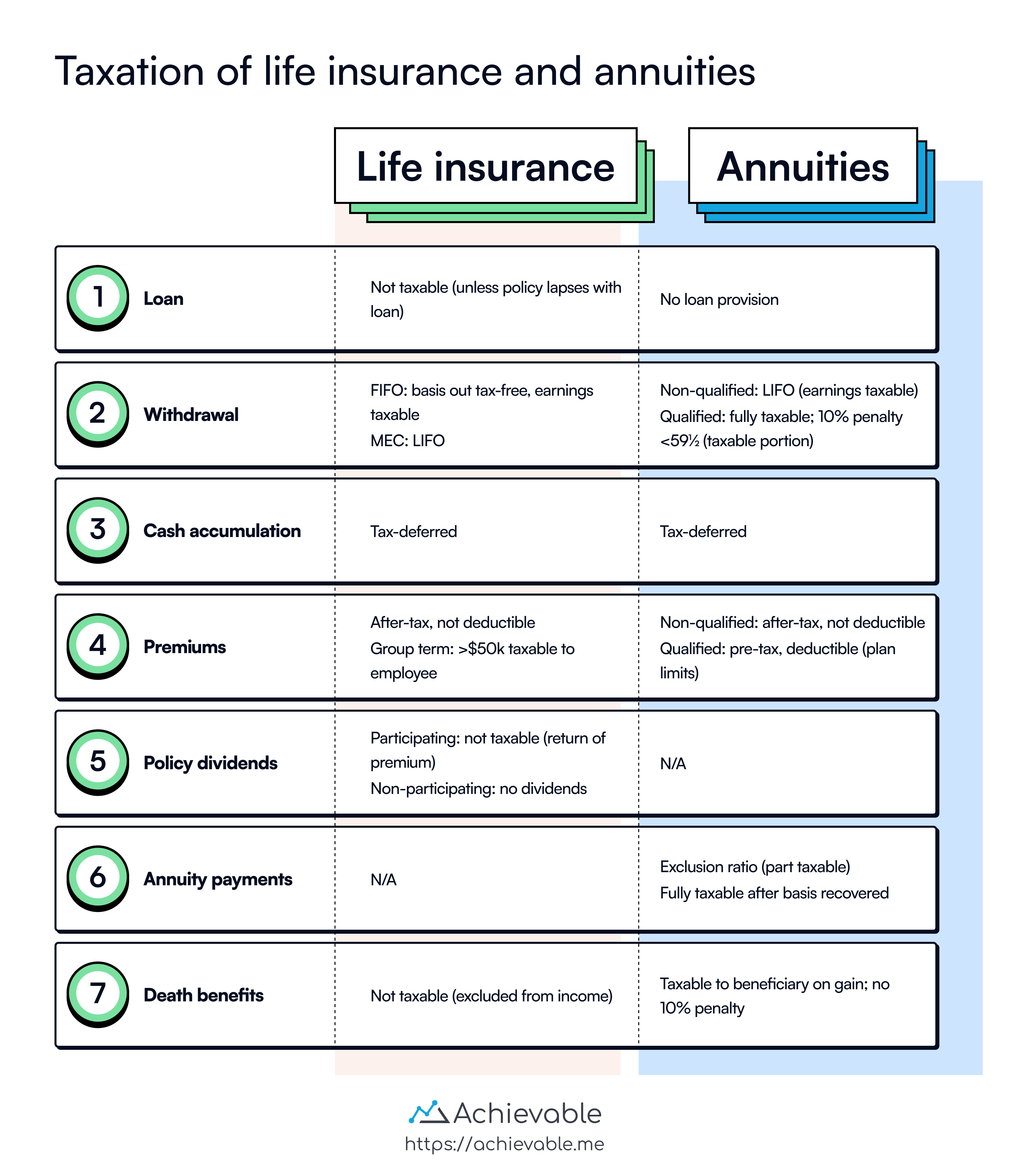
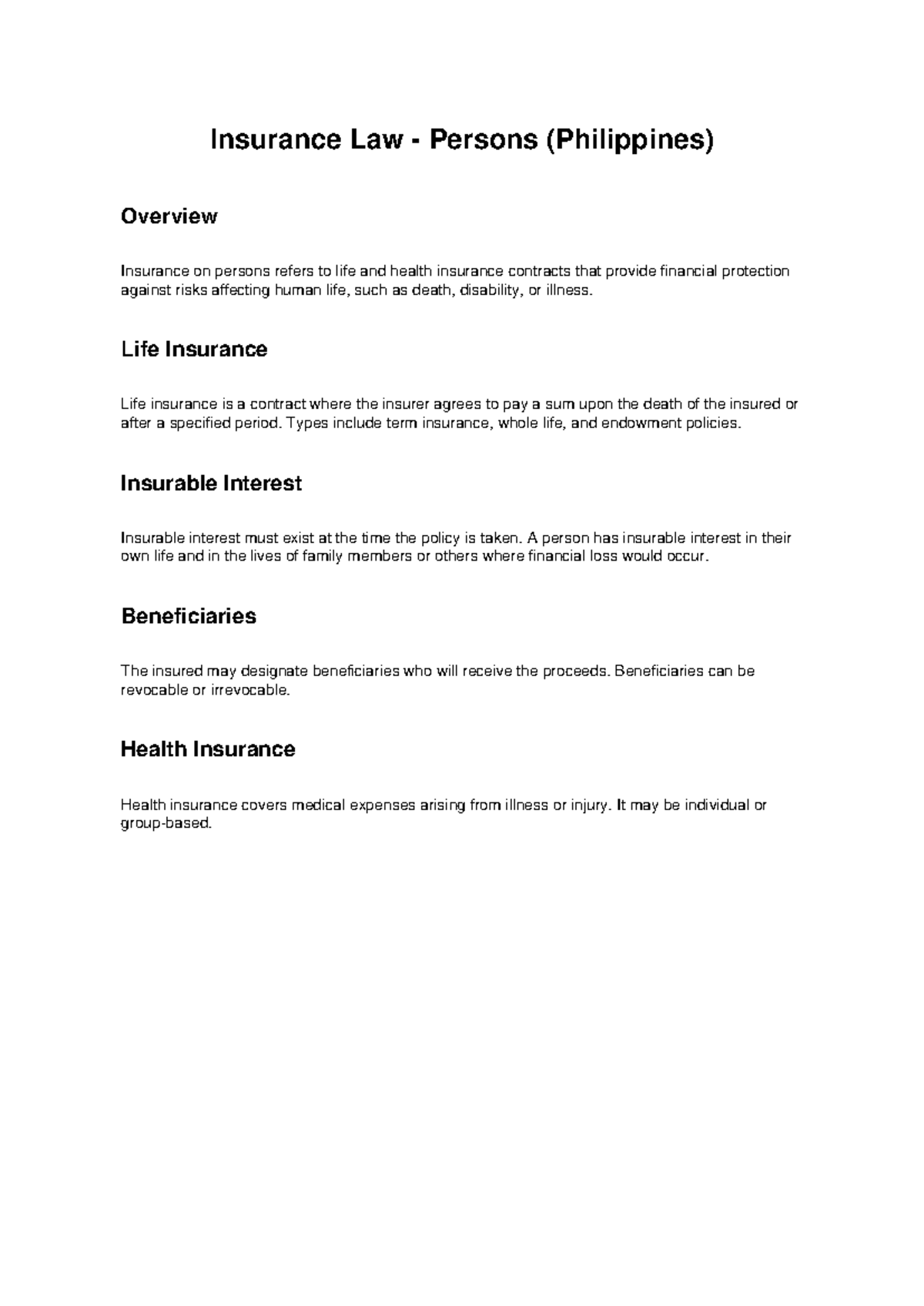
Alan provides a streamlined, digital-first approach to health and life insurance, primarily serving companies, freelancers, and individuals in France, Belgium, and Spain. By integrating proactive health services with traditional insurance coverage, it simplifies reimbursements, offers transparent pricing, and provides 24/7 access to medical professionals through an intuitive mobile application.
As we move through 2026, the landscape of European insurance has shifted significantly toward digital-native platforms. Alan, often categorized as a "neo-insurer," has established itself as a leader in this space by removing the bureaucratic friction typically associated with legacy insurance providers. This overview examines the core components of Alan’s offerings, the technical mechanics of their health and life insurance products, and how they integrate proactive wellness into a standard coverage model.
The Evolution of Alan: From Mutuelle to Health Partner
Founded as a digital health insurance provider, Alan’s initial mission was to fix the notoriously complex French "mutuelle" system. In the French healthcare model, the state Social Security (Sécurité Sociale) covers a portion of medical costs, leaving the remainder to be covered by private insurance. Historically, this involved physical paperwork, confusing "guarantees" expressed in percentages of state tariffs, and slow reimbursement cycles.
By 2026, Alan has transcended the role of a mere payer. It now operates as a comprehensive health partner. This evolution is marked by a focus on "proactive health," where the insurance company provides tools for prevention rather than just reacting to illness. Their business model relies on a proprietary technology stack that automates claim processing, which allows them to maintain a lower overhead than traditional insurers who rely on manual administration and physical branch networks.
The Core Philosophy of Transparency
One of the defining features of the Alan ecosystem is the "Price-to-Value" transparency. Unlike traditional brokers who may hide fees or offer opaque contract terms, Alan publishes its coverage grids in plain language. This transparency is a cornerstone of their B-Corp certification, emphasizing social responsibility and clarity for the end-user.
Comprehensive Health Insurance (Mutuelle)
Alan’s health insurance products are designed to meet the legal requirements of various jurisdictions while providing "top-up" coverage that exceeds statutory minimums. In 2026, their health plans are structured around three primary pillars: speed of reimbursement, ease of use, and depth of coverage.
Coverage Tiers and Structure
Alan typically offers tiered plans tailored to the size and needs of a company. These tiers—often labeled with names like Alan Emerald, Alan Ruby, or Alan Diamond—dictate the level of reimbursement for specialized care.
- Hospitalization: Coverage for stays in private or public hospitals, including private rooms and accompaniment costs.
- Routine Care: Consultations with General Practitioners (GPs) and specialists, with high levels of coverage for "dépassements d'honoraires" (charges above the state-regulated rate).
- Vision and Dental: Integrated coverage for glasses, contact lenses, and dental implants. Alan has been a major proponent of the "100% Santé" reform in France, ensuring that basic needs in these categories are covered with zero out-of-pocket costs for the member.
- Alternative Medicine: Recognition of osteopathy, psychology, and nutrition as vital components of health, with dedicated annual budgets for these services.
The Digital Reimbursement Engine
The technical backbone of Alan is its automated claims engine. When a member visits a doctor, they use their "Carte Vitale" (in France). The information is transmitted digitally to the Social Security, which then forwards it to Alan via the "Noémie" system.
For expenses not covered by the Noémie system—such as an osteopathy bill or a receipt for a private hospital room—members simply take a photo of the document through the app. Using optical character recognition (OCR) and machine learning, Alan’s system parses the invoice and often approves the reimbursement within minutes. In 2026, the standard for Alan is that reimbursements hit the user’s bank account within 24 to 48 hours, a stark contrast to the weeks-long wait times of the 2010s.
Life and Disability Insurance (Prévoyance)
While health insurance (mutuelle) covers medical bills, life and disability insurance (prévoyance) protects a member’s income and their family’s financial future. This is a critical component for employers who are legally obligated in many European regions to provide "prévoyance" for their executive-level staff (cadres) and, increasingly, for all employees.
Death Benefits (Garantie Décès)
In the event of a member’s death, Alan’s life insurance provides a lump sum payment to designated beneficiaries. This capital is typically calculated as a percentage of the deceased's annual salary.
- Education Annuities: Alan’s plans often include "Rente Éducation," which provides regular payments to the children of the deceased to cover schooling costs until they reach age 26.
- Spousal Annuities: Financial support for the surviving partner to bridge the gap in household income.
Disability and Work Stoppage (Incapacité et Invalidité)
The "Prévoyance" aspect is perhaps most valuable during a member's working life. If an employee is unable to work due to illness or accident:
- Short-term (Incapacité): Alan provides daily allowances (indemnités journalières) that supplement the Social Security payments, ensuring the individual receives up to 100% of their net salary for a specified period (usually up to 3 years).
- Long-term (Invalidité): If the disability is permanent, Alan pays a pension to compensate for the loss of earning capacity, adjusted based on the degree of disability determined by medical experts.
| Feature | Health Insurance (Mutuelle) | Life & Disability (Prévoyance) |
|---|---|---|
| Primary Goal | Covering medical expenses | Income protection and family security |
| Trigger Event | Medical consultation, pharmacy, hospital | Death, accident, long-term illness |
| Payment Type | Direct reimbursement of costs | Lump sum or monthly annuity |
| Mandatory Status | Compulsory for all employees in France | Compulsory for 'Cadres'; often for all |
| Digital Integration | OCR invoice scanning via App | Digital beneficiary designation |
| Typical Beneficiary | The insured member | The member or their family/heirs |
The Proactive Health Ecosystem
Alan distinguishes itself by offering services that prevent illness before it requires expensive medical intervention. By 2026, these services are fully integrated into the "Alan Super-App."
Alan Mind: Mental Health Support
Mental health has moved from a fringe benefit to a core offering. Alan Mind provides members with access to guided meditation, therapy sessions, and stress management tools. Importantly, many Alan plans include a set number of covered psychology consultations per year, which can be booked and conducted directly through the app via video call.
Alan Clear: The Vision Solution
In response to the high cost of eyewear, Alan launched "Alan Clear." In certain regions, members can use the app to virtually try on glasses and order them with their prescription, often with simplified "tiers payant" (third-party payment) where the member pays nothing upfront. This vertical integration reduces costs for the insurer and the member by cutting out retail markups.
The Alan Clinic and Virtual Care
The Alan Clinic is a virtual gateway to healthcare professionals. Members can chat with doctors, nurses, or specialists (like pediatricians or dermatologists) 7 days a week. This service is designed to handle "minor" concerns—such as a rash, a child’s fever, or a question about medication—reducing the burden on physical emergency rooms and providing immediate peace of mind for the user.
Implementation for Employers and Freelancers
For Companies (SMEs and Enterprises)
For HR departments, Alan provides a dashboard that simplifies the "onboarding" and "offboarding" of employees. When a new hire joins, they are sent a link to sign up; the HR manager does not need to handle their social security documents or family details. The dashboard also provides real-time data on the company's health insurance spend and simplifies the monthly "DSN" (Déclaration Sociale Nominative) reporting in France.
For Freelancers (Indépendants)
Freelancers face unique challenges, as they do not have an employer to subsidize their insurance. Alan offers specific "TNS" (Travailleur Non-Salarié) plans that are compliant with the Madelin Law in France, allowing freelancers to deduct their insurance premiums from their taxable income. The "Prévoyance" component is particularly crucial for freelancers, as they lack the robust safety nets provided to salaried employees.
Technical Requirements and Security
As a digital-first company, Alan operates under strict regulatory frameworks, including the General Data Protection Regulation (GDPR) and specific health data hosting (HDS) certifications in France.
- Health Data Hosting (HDS): All medical information, such as prescriptions and invoices, is stored on servers that meet the highest security standards for medical data.
- Authentication: Access to the app and the member portal requires multi-factor authentication (MFA) to ensure that sensitive health history remains private.
- Portability: Members can easily export their data or move their coverage if they leave their current employer, provided they opt for the "portabilité" options mandated by law.
Comparative Analysis: Alan vs. Traditional Insurers
When evaluating Alan against traditional giants like AXA, Malakoff Humanis, or Allianz, several distinctions emerge.
1. Customer Support: Traditional insurers often rely on a network of physical brokers or call centers with long hold times. Alan utilizes an in-app chat system with a commitment to rapid response times. While some users prefer a face-to-face meeting with a broker, the younger, digital-native workforce generally favors the speed of chat-based support.
2. User Interface (UI): Legacy insurers often have fragmented digital presences—separate sites for health, life, and retirement. Alan consolidates everything into a single app interface. The language used in the app is intentionally non-technical, avoiding the "insurance jargon" that often confuses policyholders.
3. Pricing Stability: Alan uses a "fair price" model. Traditional insurers may offer low "teaser" rates for the first year and then implement significant price hikes. Alan’s pricing is generally more stable, though premiums do adjust based on the overall "claims-to-contribution" ratio of the insured pool to remain solvent and compliant with insurance regulations.
Common Pitfalls and Considerations
Despite its advantages, potential members should be aware of certain limitations.
- Network Limits: While Alan works with almost all healthcare providers through the standard national systems, their specific "third-party payment" (tiers payant) agreements might be more extensive with digital-friendly clinics and pharmacies.
- Complexity of Large Group Contracts: For massive multinational corporations with highly specific, union-negotiated benefits, the "standardized" digital model of Alan can sometimes require extensive customization during the implementation phase.
- Digital-Only Nature: For individuals who are not tech-savvy or do not own a smartphone, managing an Alan policy can be challenging, as there is no option to walk into a physical office to drop off a paper claim.
Frequently Asked Questions
Does Alan cover pre-existing conditions?
In the context of mandatory corporate health insurance in France and many parts of Europe, insurers are generally prohibited from excluding pre-existing conditions. If you are joining Alan through your company's collective plan, your pre-existing conditions are covered from day one without a medical questionnaire. For individual or certain "Prévoyance" plans, a health questionnaire may be required depending on the level of coverage requested.
How do I add my family members to my Alan plan?
Adding dependents (spouses and children) is done directly within the Alan app. You will typically need to upload a "télétransmission" certificate or a "livret de famille." Depending on your company’s contract, the cost for dependents might be covered by the employer, or it might be an additional premium deducted from your salary or bank account.
Can I keep Alan if I leave my company?
Yes, through a process called "portabilité." In France, if you are made redundant or your contract ends (under certain conditions), you can often maintain your health and life insurance coverage for a period equal to your previous employment duration (up to 12 months) at no cost. After this period, you can choose to continue with an individual Alan plan at your own expense.
What is the "Alan Map" feature?
The Alan Map is an in-app tool that helps members find healthcare professionals. It allows users to filter doctors based on their location, their specialty, and—crucially—whether they charge "dépassements d'honoraires" (extra fees). The map also indicates which doctors have a "Conventionnement" that minimizes the member's out-of-pocket costs.
How does Alan handle international coverage?
Alan primarily provides coverage within the country where the policy is held (France, Spain, or Belgium). However, for travel within the European Union, Alan works alongside the European Health Insurance Card (EHIC). For travel outside the EU, the level of coverage depends on the specific plan; usually, it covers emergency care up to a certain limit, but it is not a replacement for comprehensive international travel insurance.
Final Recommendation: Is Alan Right for You?
If you are a business owner looking to reduce the administrative burden of HR or a freelancer seeking a transparent, easy-to-manage insurance solution, Alan is an excellent choice. Its strengths lie in its user experience, speed of reimbursement, and proactive health tools. However, if you prefer traditional, paper-based interactions or require a local physical office for your insurance needs, you may find the digital-only nature of Alan to be a hurdle.
For most modern organizations, the shift to Alan represents a move toward a more "employee-centric" benefit package. By treating insurance not just as a financial safety net but as a daily health tool, Alan provides value that extends beyond the reimbursement of a doctor's visit. As of 2026, the next step for interested parties is to request a "guarantee grid" (tableau de garanties) to compare specific reimbursement levels against their current provider.