Aladdin Auto Insurance functions as a specialized independent brokerage and agency service rather than a direct, multi-national insurance carrier. It connects motorists with various regional and national insurance underwriters to secure mandatory liability and comprehensive vehicle coverage. Understanding how Aladdin operates helps drivers navigate quotes, policy options, and claims processing efficiently.
Understanding the Role of Aladdin Auto Insurance
When drivers look into Aladdin Auto Insurance, they are often exploring an insurance broker or regional agency model. In the insurance industry, understanding the distinction between a direct carrier and an independent broker or agency is essential for managing expectations regarding customer service, policy changes, and claims filing.
Independent Broker vs. Direct Carrier Model
Direct carriers write policies under their own name, sell exclusively through their captive agents or online portals, and handle every tier of underwriting and claims in-house. Conversely, an independent broker or agency like Aladdin works with a network of distinct insurance companies.
When you request a quote or policy through Aladdin, they act as an intermediary. They scan multiple underwriting partners to find a policy matching your driving profile, vehicle specifications, and state minimum requirements. This model offers distinct structural advantages and limitations:
- Advantages: Access to multiple quotes under one roof, flexibility to switch carriers if rates increase, and tailored guidance based on individual budget constraints.
- Limitations: The broker is not the ultimate financial guarantor of the policy. If a claim is filed, the actual payout and claims handling are governed by the underlying carrier (e.g., Progressive, National General, or regional underwriters) rather than Aladdin directly.
Scope of Coverage Options Available
While exact policy terms depend on the chosen underwriting partner, standard offerings typically span the foundational tiers of automotive protection. Drivers utilizing an agency setup can generally secure the following coverage types:
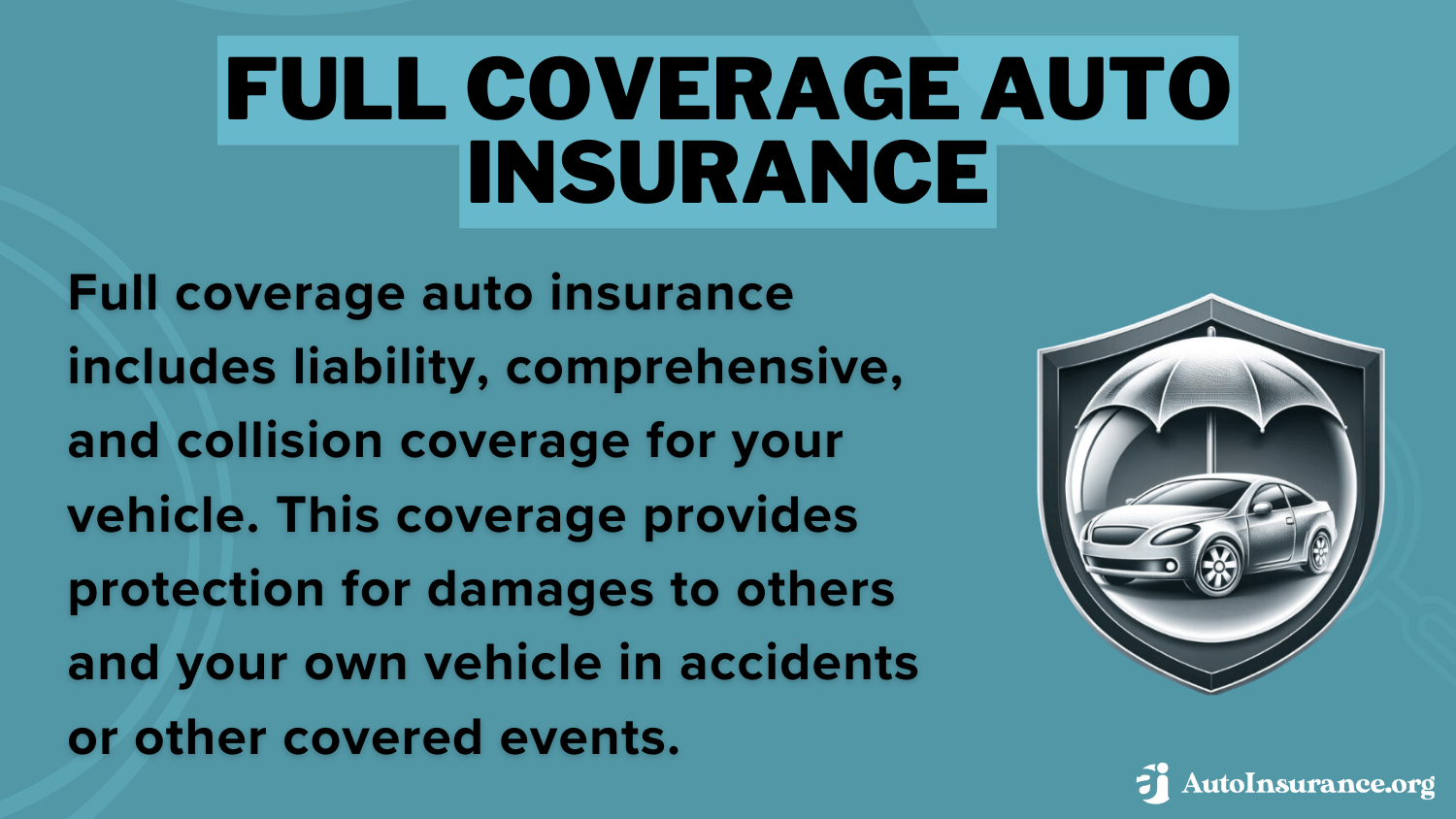
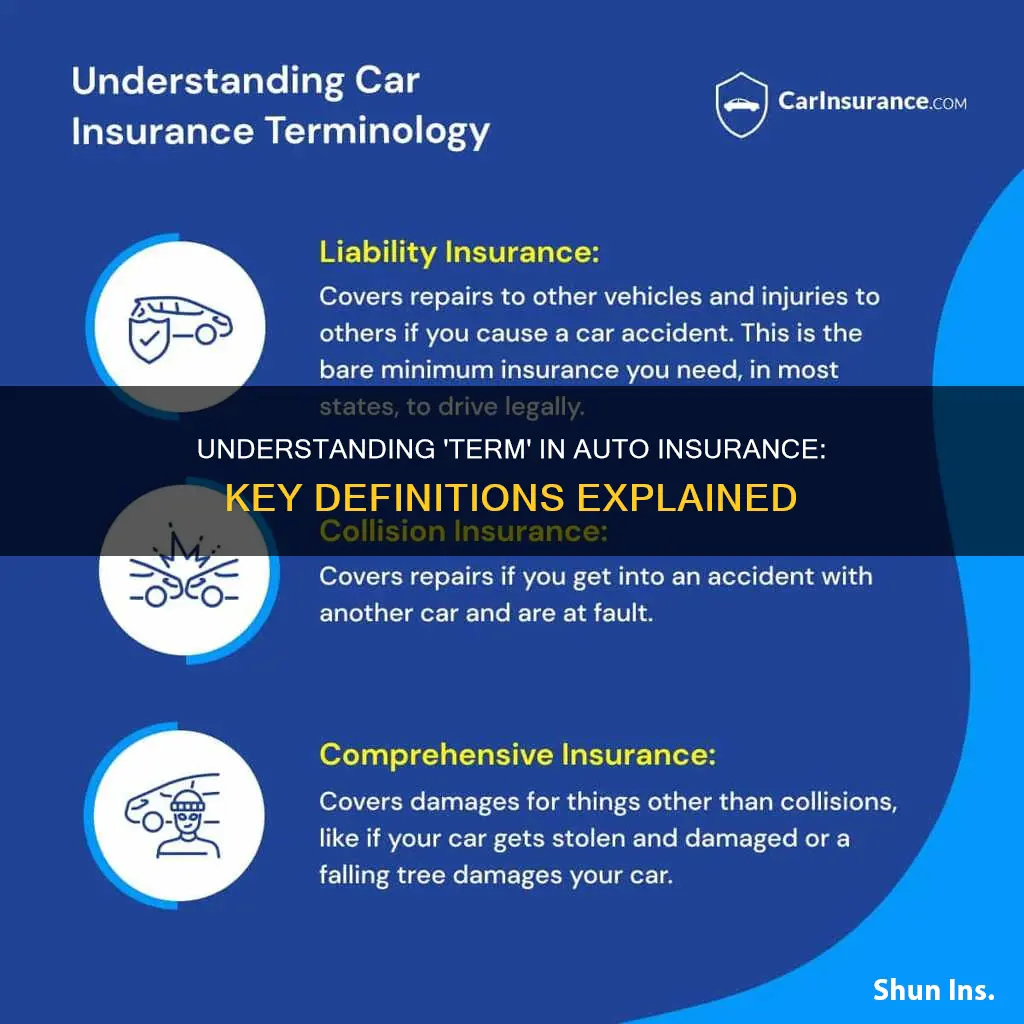
- Liability Coverage: Pays for bodily injury and property damage you cause to others in an at-fault accident. This is legally mandated in nearly all jurisdictions.
- Collision Coverage: Covers physical damage to your vehicle resulting from a collision with another car or a stationary object, regardless of fault.
- Comprehensive Coverage: Protects against non-collision events, such as theft, vandalism, fire, animal strikes, or weather-related damage (e.g., hail or flooding).
- Personal Injury Protection (PIP) / Medical Payments: Covers medical expenses, lost wages, and rehabilitation costs for you and your passengers, subject to state-specific regulations.
- Uninsured/Underinsured Motorist Coverage: Steps in if you are hit by a driver who lacks adequate insurance or flees the scene of an accident.
Evaluating Policy Features, Costs, and Discounts
Navigating the financial aspects of auto insurance requires a clear look at how premiums are calculated, what discounts may apply, and where potential out-of-pocket costs lie. Because Aladdin works across multiple carriers, pricing and policy provisions can vary widely depending on the underwriting company assigned to your file.
Factors Influencing Your Premium
Insurance underwriters evaluate a multitude of risk variables to determine your monthly or semi-annual premium. When applying through an agency like Aladdin, these core factors heavily dictate your rate:
- Driving Record: Clean driving histories secure the lowest rates. Prior accidents, speeding tickets, and driving-under-the-influence (DUI) citations introduce high-risk classifications, often requiring specialized or non-standard insurance markets.
- Vehicle Make and Model: Luxury vehicles, sports cars, and models with expensive repair parts or high theft rates cost more to insure than standard sedans or family-oriented SUVs.
- Coverage Limits and Deductibles: Choosing higher deductibles (e.g., $1,000 instead of $500) lowers your monthly premium, but increases your out-of-pocket responsibility if a claim occurs.
- Location: Urban areas with heavy traffic congestion and higher vehicle theft statistics generally command higher insurance rates than rural areas.
- Credit History: In regions where permitted by law, credit-based insurance scores influence premium calculations, as statistical data correlates credit habits with risk frequency.
Typical Discount Opportunities
Independent agencies routinely help policyholders leverage available discounts to mitigate rising insurance costs. Common reductions include:
- Multi-Policy (Bundling): Combining auto insurance with renters, homeowners, or umbrella policies through the same underlying carrier.
- Multi-Car: Insuring more than one household vehicle under a single policy framework.
- Safe Driver / Telematics: Enrolling in programs that track driving habits (speed, braking, mileage) via a mobile app or plug-in device to earn lower rates based on safe behavior.
- Good Student: Providing proof of a qualifying Grade Point Average (GPA) for young or teenage drivers on the policy.
- Safety Equipment: Vehicles equipped with factory anti-theft systems, passive restraint systems, or advanced driver-assistance systems (ADAS) often qualify for localized discounts.
Comparison of Auto Insurance Agency Models
To better understand how independent agency services fit into the broader insurance landscape, consider the following structural comparison:
| Feature / Aspect | Direct Carrier (e.g., State Farm, GEICO) | Independent Broker / Agency (e.g., Aladdin) | Captive Agency Model |
|---|---|---|---|
| Carrier Selection | Single brand only; limited to proprietary products. | Multiple carriers; compares rates across various underwriters. | Single brand focus, though agents may have localized storefronts. |
| Shopping Effort | Requires visiting multiple websites to compare rates. | One-stop shop; agent or platform shops on your behalf. | Limited to one company's portfolio and pricing tiers. |
| Claims Handling | Handled directly by the carrier's internal claims adjusters. | Routed through the specific underlying carrier underwriting the policy. | Handled by the direct carrier, sometimes with local agent advocacy. |
| Flexibility | Rates increase require switching companies entirely, often with paperwork. | Easier internal transitions if an underwriting partner raises rates significantly. | Locked into the single carrier's rate adjustments and underwriting guidelines. |
Practical Guide: Securing and Managing Your Policy
Whether you are seeking coverage for the first time or transitioning from another provider, managing your auto insurance through an agency model involves several clear operational steps.
Step 1: Gather Necessary Information
Before requesting a quote or completing an application, assemble the required documentation to ensure accurate pricing and prevent policy delays:
- Driver's License Numbers: For all household members who will be listed as drivers on the vehicle.
- Vehicle Identification Numbers (VIN): Found on your vehicle's dashboard, registration card, or insurance card. For new purchases, keep the exact year, make, model, and trim level ready.
- Driving History Details: Approximate dates of any past accidents, tickets, or claims within the past three to five years.
- Current Insurance Declarations Page: Useful for matching or improving upon your existing coverage limits and deductibles.
Step 2: Requesting Quotes and Comparing Options
Submit your information through the agency's intake portal or speak directly with a representative. Review the proposed quotes carefully, paying close attention to:
- Coverage Limits: Ensure liability limits (e.g., 50/100/50) meet or exceed your state's minimum legal requirements and adequately protect your personal assets.
- Deductibles: Verify that your collision and comprehensive deductibles align with your emergency savings.
- Underwriter Identity: Note which specific insurance company is backing the policy, as their customer satisfaction ratings and claims reputation matter.
Step 3: Finalizing Payment and Activating Coverage
Once you select a policy, complete the binder agreement and submit your initial payment. Ensure you receive temporary proof of insurance or digital insurance cards immediately. Keep these documents in your vehicle or accessible via a mobile device to comply with state laws.
Frequently Asked Questions
Is Aladdin Auto Insurance a direct insurance company?
No. Aladdin operates as an insurance agency or broker that partners with various licensed insurance underwriters. When you buy a policy through them, your actual insurance contract is issued by one of their partner carriers, who assumes the financial responsibility for claims.
What should I do if I need to file an accident claim?
You should check your insurance card or policy documents to identify the exact underwriting carrier backing your policy. While you can often notify your broker or agency for guidance, the claim itself must be filed directly with the underlying insurance company's claims department to initiate processing, damage appraisal, and payouts.
How can I lower my monthly auto insurance premium?
You can reduce your premium by increasing your collision and comprehensive deductibles, maintaining a clean driving record, bundling multiple policies, inquiring about low-mileage discounts, and asking your agent to re-shop your policy among their partner carriers upon renewal.
Are state minimum liability limits sufficient for most drivers?
State minimum limits satisfy legal requirements to drive, but they often provide very low financial protection. If you cause a severe accident with injuries and property damage exceeding your limits, you can be held personally liable for the remaining costs. Most financial experts recommend purchasing higher liability limits if your budget allows.
What happens if my driving record changes after I buy a policy?
If you receive a speeding ticket or get into an at-fault accident, your insurance carrier will typically adjust your rate during the next policy renewal period. It is important to disclose changes transparently, as failing to report household drivers or major infractions can lead to policy cancellation or denied claims.
Professional Advisory and Final Next Actions
Auto insurance regulations, minimum liability mandates, and risk assessment guidelines vary significantly by jurisdiction. Drivers should review their state's Department of Motor Vehicles (DMV) or Department of Insurance guidelines to ensure their selected coverage complies with local laws. For personalized financial or legal advice regarding asset protection and liability thresholds, consult with a licensed insurance professional or legal advisor.
To take your next step, gather your vehicle and driving details, request a comparative quote to evaluate your current rates, and verify that your liability limits adequately safeguard your financial well-being.