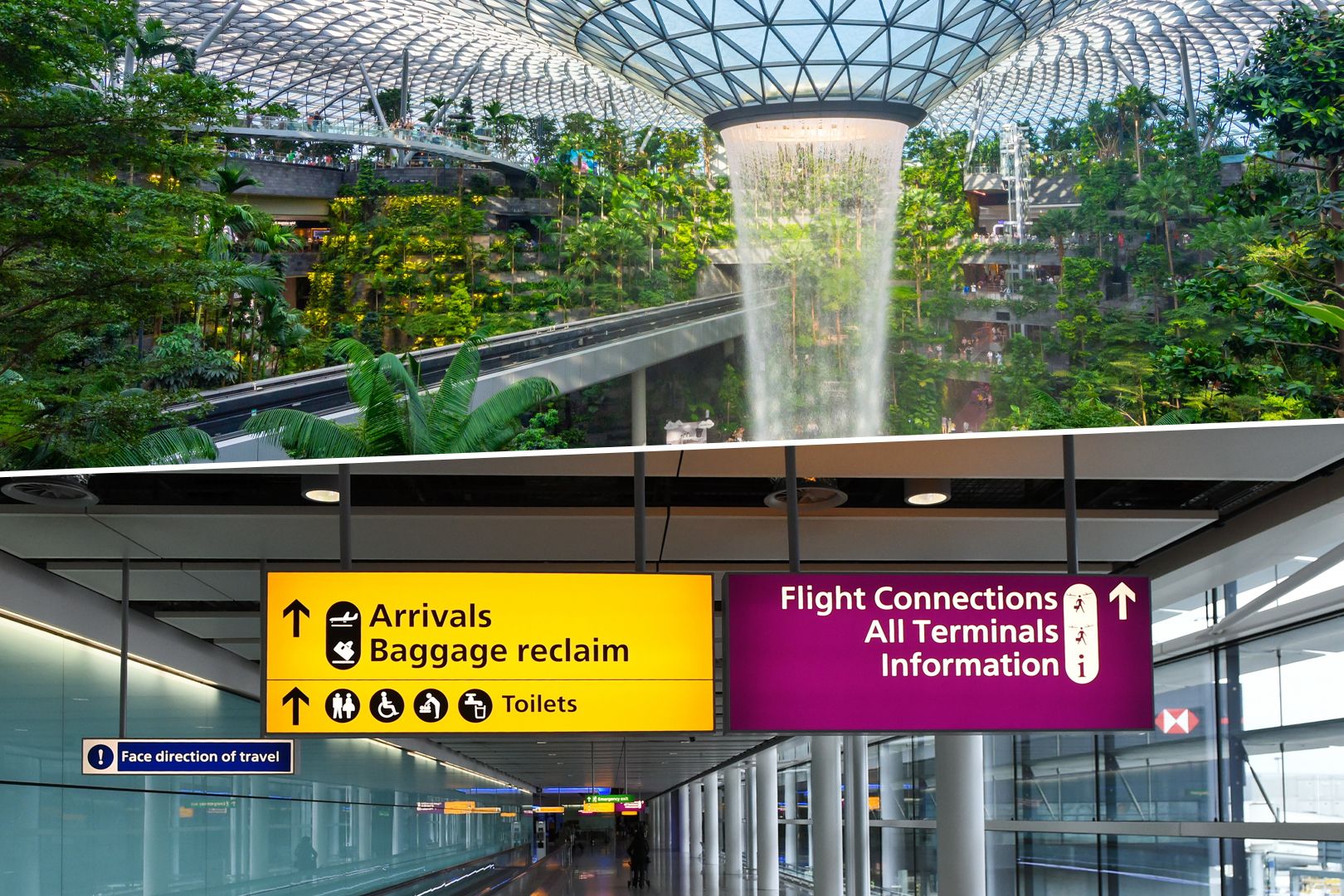
A scheduled stop in airline transit occurs when a flight lands at an intermediate airport between the origin and the final destination. These stops, ranging from short technical pauses for refueling to multi-hour layovers for passenger connections, are categorized based on their duration, purpose, and whether passengers must deplane or clear local customs.
Defining Scheduled Stops in Modern Aviation
In the aviation industry of 2026, the terminology surrounding scheduled stops is precise, yet often misunderstood by the general traveling public. To navigate global transit effectively, one must distinguish between the types of stops an airline schedules. While the ultimate goal is to move from point A to point B, the intermediate point C can take several forms.
Layovers vs. Stopovers
The most frequent type of scheduled stop is the layover. In domestic travel, a layover is generally defined as a stop of less than four hours. In international travel, this window extends up to 24 hours. During a layover, the primary intent is for the passenger to change aircraft or for the current aircraft to undergo servicing before continuing the route.
A stopover, by contrast, is a planned break in a journey that exceeds 24 hours for international flights. Stopovers are often intentional choices by travelers who wish to visit an intermediate city. Many major carriers, such as those based in the Middle East and Southeast Asia, offer "stopover programs" that provide discounted hotels or tours to encourage tourism in their hub cities during these extended scheduled stops.
Direct vs. Non-Stop Flights
The distinction between "direct" and "non-stop" is a technical nuance that significantly impacts the transit experience. A non-stop flight flies from the origin to the destination without any scheduled stops. A direct flight, however, may have one or more scheduled stops where the flight number remains the same. Passengers on direct flights might remain on the aircraft during the stop, or they might be asked to deplane into a transit lounge briefly while the plane is cleaned and refueled.
Technical Stops
A technical stop is a scheduled halt for non-commercial reasons, most commonly for refueling or crew changes. These occur frequently on ultra-long-haul routes where the aircraft's weight or headwind conditions prevent a non-stop journey. In most technical stops, passengers are not permitted to board or disembark, and the stop does not involve the processing of new passengers or cargo for that specific location.
The Operational Logic Behind Scheduled Stops
Airlines do not schedule stops at random; these decisions are driven by complex logistical, economic, and regulatory factors. Understanding these "whys" helps travelers anticipate the nature of their transit.
The Hub-and-Spoke Model
Most major global airlines operate on a hub-and-spoke network. This model centers operations at a primary "hub" airport. Scheduled stops occur at these hubs to aggregate passengers from various "spoke" cities and redistribute them onto connecting flights. This efficiency allows airlines to offer a higher frequency of flights to more destinations than would be possible with point-to-point non-stop routing.
Fifth Freedom Rights
Scheduled stops are sometimes the result of Fifth Freedom of the Air agreements. These allow an airline to fly between two foreign countries, provided the flight originates or terminates in the airline's home country. For example, an airline may fly from Singapore to New York with a scheduled stop in Frankfurt, where it has the right to pick up and drop off passengers in Germany. These stops are highly strategic and provide travelers with unique routing options on premium carriers.
Aircraft Range and Environmental Constraints
Even in 2026, with advanced aircraft like the Airbus A350-1000 and the Boeing 777X, certain routes require scheduled stops due to payload restrictions or fuel capacity. Furthermore, environmental regulations in certain jurisdictions may incentivize "tech stops" to manage fuel weight and carbon output more efficiently across different stages of a long-haul journey.
Navigating the Transit Process: Procedures and Requirements
When a scheduled stop involves a change of aircraft or a significant duration, the passenger enters the "transit" phase. This requires adherence to specific airport protocols and legal requirements that vary significantly by country.
Sterile Transit and International Zones
In many international airports, particularly in Europe and Asia, passengers can remain in a sterile transit zone. This area allows travelers to move from one gate to another without clearing the host country’s immigration or customs. As long as the passenger stays within this designated area, they are technically not considered to have "entered" the country.
Transit Visas: The "Hidden" Requirement
A critical mistake many travelers make is assuming that a scheduled stop does not require a visa. Several countries, including the United States and Canada, do not typically recognize the concept of "sterile transit." In these jurisdictions, every passenger disembarking a plane—even for a two-hour scheduled stop—must pass through immigration and customs. This necessitates a Transit Visa or an Electronic Travel Authorization (eTA) for many nationalities, regardless of whether they intend to leave the airport.
Baggage Handling during Scheduled Stops
On a standard "protected" itinerary (where all flights are on a single ticket), checked baggage is usually tagged to the final destination. During scheduled stops, the airline’s ground crew handles the transfer of luggage between aircraft. However, if the scheduled stop is a stopover (over 24 hours), or if the transit occurs in a country requiring customs clearance at the first point of entry (like the US), passengers may be required to reclaim their bags and re-check them.
Comparing Types of Airline Transit
| Feature | Layover | Stopover | Technical Stop | Direct Flight (with stop) |
|---|---|---|---|---|
| Duration | < 24 hours (Intl) | > 24 hours | 30–90 minutes | 45–120 minutes |
| Aircraft Change | Usually | Always | No | No |
| Baggage Access | Usually Checked Through | Often Required to Reclaim | No Access | No Access |
| Immigration | Usually Not Required* | Required | Not Required | Not Required* |
| Purpose | Connection/Refuel | Tourism/Rest | Fuel/Crew Change | Multi-city pickup |
*Subject to local laws; some countries require transit visas for all stops.
Passenger Rights and Airline Obligations During Stops
The legal landscape for passengers during scheduled stops has evolved significantly. Regulations such as the EU261 (and its UK equivalent) and various Department of Transportation (DOT) mandates in the US provide protections when scheduled stops go wrong.
Missed Connections
If a scheduled stop is delayed, causing a passenger to miss their connecting flight, the airline's obligations depend on whether the flights were booked as a single contract. On a through-ticket, the airline is responsible for rebooking the passenger on the next available flight and providing "duty of care," which includes meals, communications, and overnight accommodation if necessary. If the flights were booked separately (self-transfer), the passenger typically forfeits the second leg and must purchase a new ticket.
Minimum Connection Time (MCT)
Every airport has a designated Minimum Connection Time, which is the shortest interval an airline considers sufficient for a passenger (and their bags) to move between flights. When an airline sells a ticket with a scheduled stop, that stop must meet the MCT. If a passenger fails to make a connection that met the MCT due to their own delay (e.g., stopping to shop), the airline may not be liable for rebooking costs.
Technical and Logistical Challenges at Transit Hubs
Scheduled stops are the most vulnerable points in an itinerary. The complexity of moving thousands of passengers and bags simultaneously across different terminals creates "chokepoints."
- Security Re-screening: Many airports require transit passengers to undergo security screening again, even if they have already been screened at their origin. This is common when arriving from a country whose security standards are not "equivalent" to the transit country's standards.
- Terminal Transfers: Large hubs like London Heathrow, Dubai International, or Tokyo Narita often require passengers to use trains or buses to move between terminals. This adds a layer of complexity to a scheduled stop, especially for those with limited mobility.
- Time Zone Disorientation: Long scheduled stops can exacerbate jet lag. Modern airports in 2026 have addressed this with "wellness zones," circadian lighting, and sleep pods to help passengers manage the physiological toll of transit.
Practical Strategies for Managing Scheduled Stops
To maximize the efficiency of a scheduled stop, travelers should adopt a proactive approach to their itinerary.
- Verify Visa Requirements Early: Consult the official consular website of the transit country. Never rely solely on third-party travel blogs, as visa rules for transit can change with little notice.
- Monitor Connection Times: When booking, aim for a scheduled stop of at least two hours for international connections. While the MCT might be 60 minutes, any minor flight delay or long line at security can result in a missed connection.
- Utilize Airline Apps: In 2026, most airlines provide real-time gate maps and transit instructions via their mobile apps. These tools often show the walking time between gates and the status of checked baggage.
- Prepare a Transit Kit: Keep essential medications, a change of clothes, and charging cables in your carry-on. If a scheduled stop turns into an unplanned overnight stay due to a delay, having these items prevents significant stress.
Frequently Asked Questions
Do I have to pick up my luggage during a scheduled stop?
In most cases, if you are on a single ticket and the stop is less than 24 hours, your bags are checked through to the final destination. However, you must reclaim your bags if you are transiting through a country that requires customs clearance at the first point of entry (such as the United States or Australia) or if you have a self-transfer itinerary involving two different tickets.
Can I leave the airport during a scheduled stop?
Whether you can leave depends on your visa status and the duration of the stop. If you have the legal right to enter the country (via a visa or visa-waiver) and enough time to return before your next flight, you may leave. It is recommended to have at least six to eight hours of transit time before attempting to leave the airport to account for immigration queues and travel to the city center.
What happens if my first flight is delayed and I miss my scheduled stop connection?
If your flights are on the same ticket, the airline is responsible for rebooking you and providing food and lodging if the delay is substantial. If you booked your flights separately, the second airline is generally not obligated to help you, and you may lose the value of that ticket.
Is a "direct" flight the same as a "non-stop" flight?
No. A non-stop flight goes from the origin to the destination without any stops. A direct flight has one or more scheduled stops where the plane lands, but the flight number remains the same. You may or may not be required to deplane during a direct flight's scheduled stop.
What is a transit visa, and do I always need one?
A transit visa is a document that allows you to pass through a country's airport without staying there. Whether you need one depends on your nationality, the country you are transiting through, and whether you are staying in the "sterile" transit zone. Some countries require a transit visa for all passengers, regardless of how long they stay in the airport.
Recommendation for Travelers
When planning an itinerary with scheduled stops, prioritize protected bookings (single-ticket itineraries) to ensure the airline is liable for any misconnections. Always check the Minimum Connection Time for the specific hub airport and verify transit visa requirements at least four weeks before departure. For stops exceeding six hours, consider booking an airport lounge or a transit hotel in advance to mitigate travel fatigue.