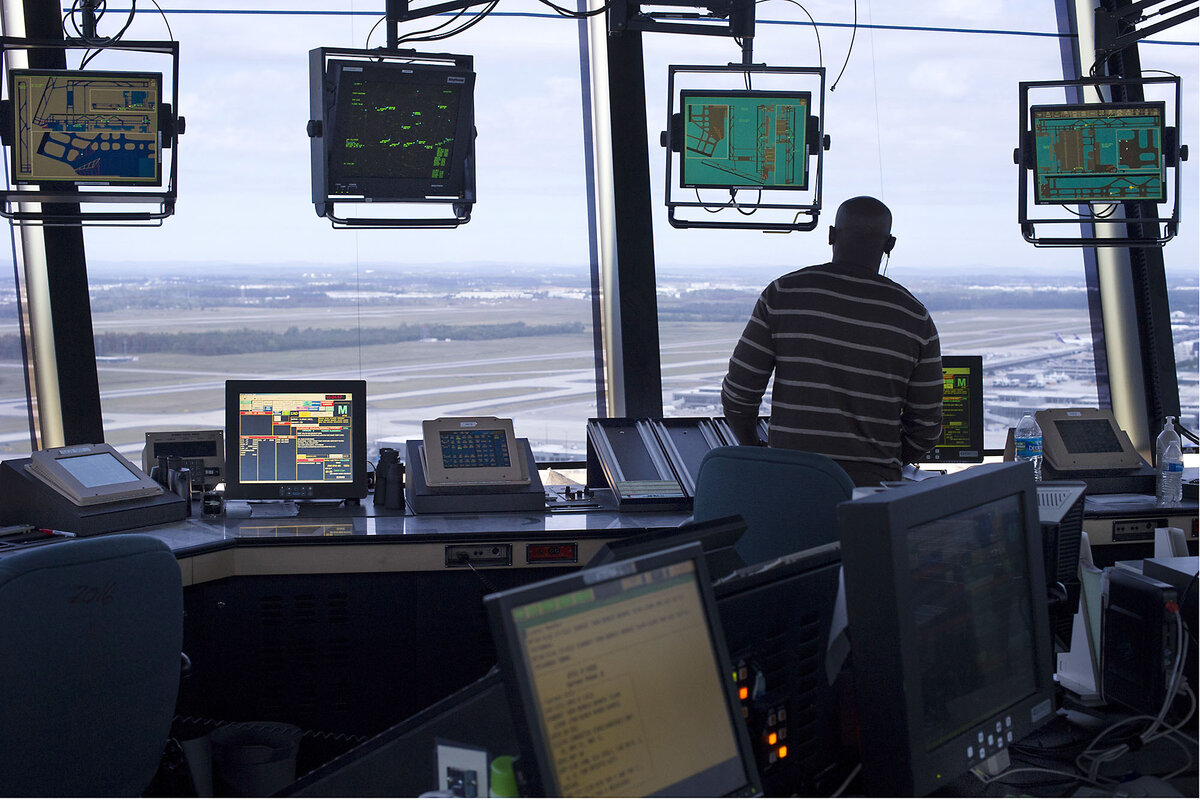
When the federal government experiences a lapse in appropriations—commonly known as a government shutdown—Air Traffic Controllers (ATCs) are categorized as "excepted" employees. This status means they are required to continue reporting for duty to maintain the safety of the National Airspace System, despite the suspension of their paychecks. The primary challenge for these essential workers during a shutdown is managing immediate personal financial obligations while maintaining the intense, mission-critical focus required for aviation safety.
Understanding the "Excepted" Status and Essential Duty Requirements
Air Traffic Controllers fall under the designation of "excepted" employees, as defined by the Office of Personnel Management (OPM). Unlike "furloughed" employees who are sent home without pay, excepted employees must continue to work because their positions involve the safety of human life or the protection of government property. In the context of the Federal Aviation Administration (FAA), the mandate to maintain the flow of air traffic is deemed an essential service that cannot be paused.
During a shutdown, the FAA remains operational because it is funded by both general appropriations and the Airport and Airway Trust Fund. However, if the broader legislative appropriations bill is not passed, the mechanism to disburse payroll is often halted. Consequently, while the controller is legally obligated to show up at the tower or center, their financial compensation is delayed. This creates a unique tension: the controller is effectively working on credit, with the promise of "back pay"—compensation for work performed during the lapse—to be issued once the government resumes funding and a legislative act authorizes those payments.
Managing Financial Obligations During a Pay Lapse
The cessation of a regular bi-weekly paycheck presents immediate liquidity issues. Controllers, like many federal employees, often rely on structured budgeting that accounts for consistent income. When that income is interrupted, the immediate priority is protecting credit scores and ensuring essential living expenses are covered.
Financial institutions and creditors are often sensitized to federal shutdowns. Many banks and credit unions maintain "government shutdown assistance" programs. These may include low-interest bridge loans, the waiver of late fees, or the temporary deferment of mortgage and car payments. Controllers should proactively contact their primary lenders, utility providers, and mortgage holders before a missed payment occurs. Communicating the "excepted" status and providing documentation of the federal shutdown often serves as sufficient grounds for temporary relief.
Moreover, the legislative process following a shutdown almost universally includes provisions for the retroactive payment of all federal employees, including those who worked throughout the lapse. While this provides long-term security, it does not alleviate short-term cash flow needs, making proactive financial communication with creditors a necessary defensive measure.
The Psychological and Operational Impact on Safety
The requirement to work without pay is not merely a financial inconvenience; it introduces a significant cognitive load. Air traffic control is a high-consequence profession that demands unwavering attention, spatial awareness, and rapid decision-making. Financial stress is a known human factors risk in aviation; it can lead to distraction, fatigue, and burnout.
The FAA and the National Air Traffic Controllers Association (NATCA) recognize these challenges. During previous shutdowns, facilities have implemented internal support mechanisms to help maintain morale and operational safety. This includes peer support programs, access to Employee Assistance Programs (EAPs), and the temporary relaxation of certain non-essential administrative requirements to allow controllers to focus entirely on their operational duties.
From an operational standpoint, if the number of available controllers drops due to stress-related illness or exhaustion, the system faces "flow control" issues. This may result in the FAA issuing Ground Stops or Ground Delay Programs to reduce traffic volume to a level that can be managed safely by the reduced number of fully functional, on-duty controllers.
Comparison of Financial Support Mechanisms
When facing a period of non-payment, controllers should evaluate their options based on urgency and long-term interest costs.
| Option | Nature of Relief | Pros | Cons |
|---|---|---|---|
| Credit Union Bridge Loans | Low-interest emergency credit | Often specifically designed for federal employees | Must be repaid once back pay arrives |
| Creditor Deferment | Pausing monthly bills | Prevents late fees and credit score damage | Interest may still accrue on the principal |
| Savings Reserves | Personal liquidity | No repayment required; no interest cost | Depletes emergency funds meant for other needs |
| Government Back Pay | Retroactive salary payment | Guaranteed by federal statute | Uncertain timing; dependent on legislative action |
Legal Protections and Legislative Remedies
Federal employees are protected by the Government Employee Fair Treatment Act of 2019, which ensures that employees who are required to work during a lapse in appropriations are entitled to receive their pay as soon as possible after the lapse ends, regardless of the annual leave or other status. This legislation was a landmark change that codified the expectation that essential workers would eventually be made whole.
However, the legal guarantee of back pay does not equate to the immediate availability of cash. Controllers are encouraged to keep meticulous records of their time and attendance during the shutdown. While the FAA’s systems are designed to track this automatically, having personal records provides a secondary layer of verification should administrative errors occur during the restoration of payroll systems.
Addressing Common Myths About Shutdowns
- "I can simply stop coming to work." This is false. As an excepted employee, failing to report for duty without authorized leave can lead to disciplinary action, including the potential for termination, as it would be considered unauthorized absence (AWOL).
- "The pay will be lost forever." This is false. History shows that Congress passes legislation at the end of every shutdown to authorize full back pay for all affected federal employees.
- "My benefits will be canceled." Essential health and life insurance coverages typically remain in effect during a short-term shutdown, though premiums may be collected once the payroll system resumes normal operations.
Expert Guidance for Navigating the Period
For controllers currently working through a lapse in funding, the following steps are recommended:
- Audit Your Expenses: Review recurring subscriptions and non-essential expenses to maximize liquidity.
- Establish Contact Early: Proactively call your financial institution's "Customer Assistance" line. Do not wait for a payment to be late.
- Document Everything: Keep a folder of all correspondence with creditors and any official FAA communications regarding the status of the shutdown.
- Utilize Professional Support: If the psychological burden becomes overwhelming, use the FAA’s confidential Employee Assistance Program. Seeking help for stress is a sign of professional responsibility, not a weakness.
- Monitor Official Channels: Stay informed through FAA-issued bulletins and official union updates from NATCA to understand the specific timeline for the restoration of payroll systems.
Frequently Asked Questions
How does a shutdown affect my pension contributions? During a shutdown, employee contributions to the Thrift Savings Plan (TSP) and the Federal Employees Retirement System (FERS) are paused because payroll is not being processed. Once the shutdown ends and back pay is issued, the payroll system will perform a reconciliation to ensure all missed contributions are credited to your accounts.
Will my medical insurance remain active? Yes. Your Federal Employees Health Benefits (FEHB) program coverage continues during a shutdown. The government will continue to be responsible for its share of the premiums, and your portion will typically be deducted in a "catch-up" fashion from your first paycheck after the shutdown ends.
Can I pick up a temporary second job to make ends meet? The FAA has strict ethics and outside-employment rules. Before accepting any secondary employment, you must consult with your agency’s ethics office to ensure the position does not pose a conflict of interest, especially regarding aviation or government contractors.
What should I do if my landlord or bank does not accept a verbal explanation of the shutdown? Request a letter from the FAA’s HR or payroll department that outlines your "excepted" status and the fact that you are required to work despite the lapse in pay. Most organizations recognize the official status of federal employees and will grant accommodations when presented with formal documentation.
How long does it typically take to receive back pay? The timeline for back pay depends entirely on the speed at which the legislative branch passes the appropriations bill and the administrative capacity of the agency to process the retroactive payments. While it is usually prioritized, it is rarely instantaneous and may involve a one-to-two-week processing buffer following the signing of the law.
Next Action: Prioritize Communication
If you are an air traffic controller affected by a shutdown, your immediate next action should be to create a list of your most critical creditors—specifically your mortgage lender, landlord, and primary utility providers. Prepare a brief, professional statement explaining your status as an "excepted" federal employee working without pay due to the shutdown and ask for a temporary forbearance or fee waiver. By acting early, you shift from a reactive position to a managed one, allowing you to maintain your focus where it matters most: the safety of the skies.