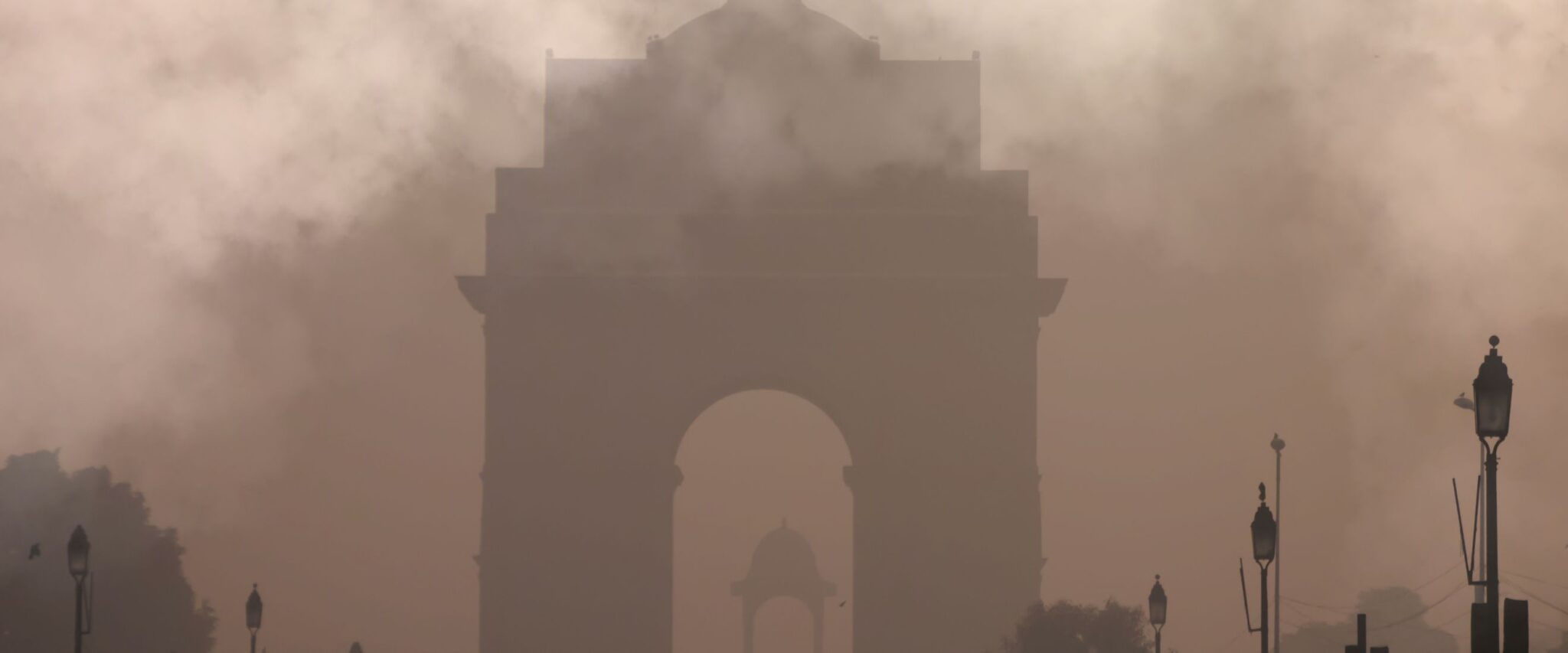
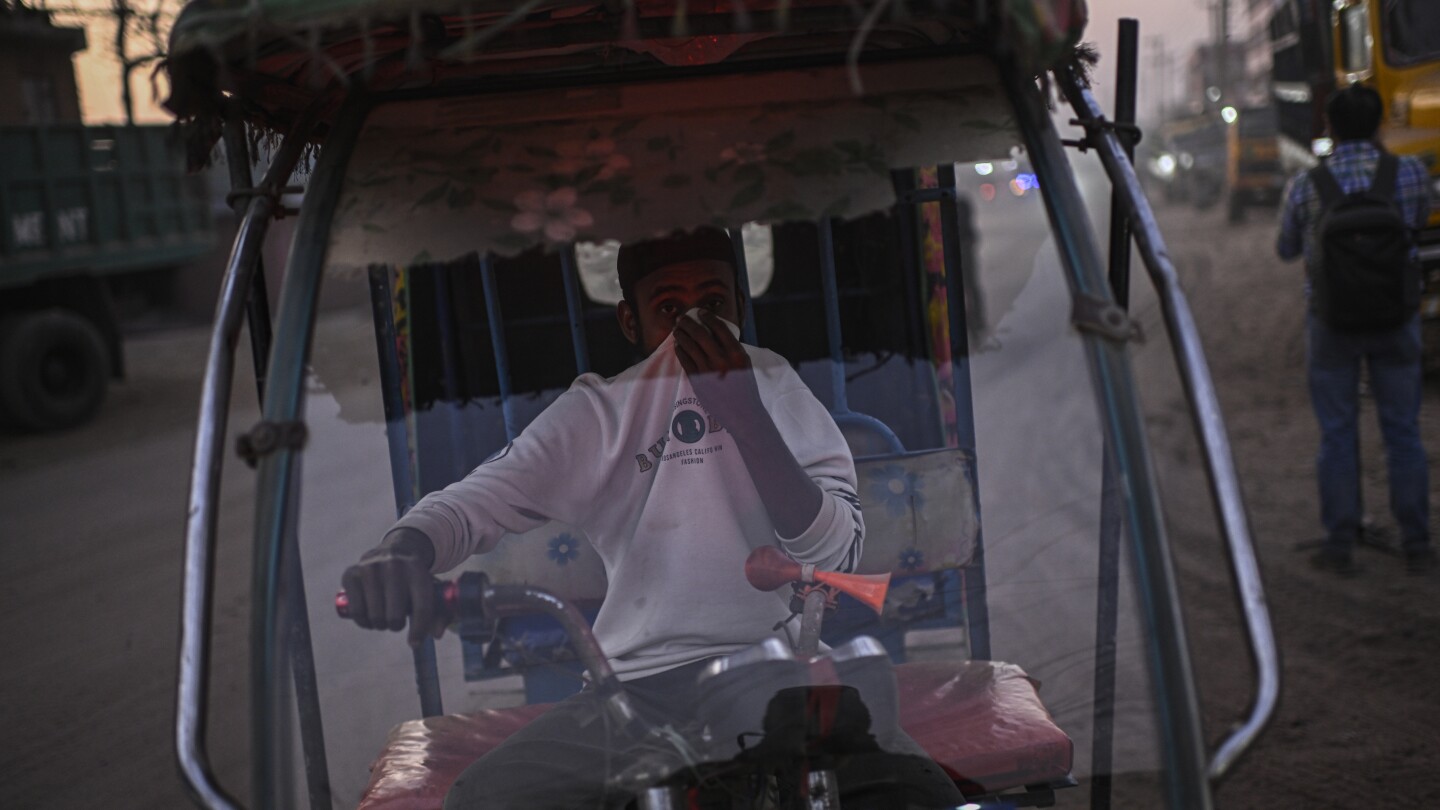
Argentina faces a persistent air quality crisis driven by a complex combination of topography, meteorological patterns, agricultural burning, industrial emissions, and urban vehicle congestion. While major metropolitan areas like Buenos Aires experience acute pollution events, regions impacted by seasonal biomass burning suffer from extended periods of toxic smog that geographical and atmospheric barriers trap near the surface.
The Anatomy of Argentina's Air Quality Challenge
Air pollution in Argentina is not merely a localized urban inconvenience; it is a multifaceted environmental health challenge. The country spans diverse climatic zones, from the windy plains of Patagonia to the subtropical northern forests and the densely populated Rio de la Plata basin. However, the air quality crisis is most acute where human activity intersects with unfavorable atmospheric conditions.
Urban centers concentrate vehicular traffic, industrial manufacturing, and residential heating emissions. When these urban outputs mix with regional phenomena—such as agricultural residue burning in the Paraná River delta or transboundary smoke from neighboring countries—the air quality deteriorates rapidly. Understanding why this smog refuses to clear requires looking closely at the specific mechanisms that generate pollutants and the physical barriers that prevent their dispersion.
Meteorological Traps and Inversion Layers
One of the primary reasons smog lingers over Argentine cities and valleys is the phenomenon of atmospheric thermal inversion. Normally, air temperature decreases with altitude, allowing warm surface air to rise and carry pollutants away into the upper atmosphere. During cooler months or under specific high-pressure weather systems, a layer of warm air traps a cooler layer of dense, polluted air near the ground.
- Surface Cooling: Rapid radiative cooling of the earth's surface at night chills the air directly in contact with it.
- Inversion Cap: A higher altitude layer of warmer air acts as a lid, preventing vertical mixing.
- Stagnant Airmasses: High-pressure systems create calm wind conditions, removing the horizontal dispersion mechanism necessary to blow pollutants away.
In cities like Buenos Aires, Córdoba, and Mendoza, these inversion layers frequently lock particulate matter—specifically $\text{PM}{2.5}$ and $\text{PM}{10}$—at street level for days. Without strong frontal winds from the Atlantic Ocean or sweeping cold fronts from the south, the atmosphere remains saturated with trapped combustion byproducts.
Major Sources of Pollution Contributing to the Smog
The persistence of smog in Argentina relies on a continuous supply of primary pollutants. These sources vary significantly between the bustling metropolitan cores and the expansive agricultural interior.
Vehicular Emissions and Urban Congestion
Urban transportation remains a dominant contributor to daily air pollution. The automotive fleets in major Argentine cities often include a high proportion of older diesel and gasoline vehicles lacking advanced catalytic converters or particulate filters. Chronic traffic congestion during rush hours prolongs idling times, pumping nitrogen oxides ($\text{NO}_x$), carbon monoxide ($\text{CO}$), and unburned hydrocarbons directly into the breathing zone of pedestrians and commuters.
While municipal governments have invested in bus rapid transit (BRT) lanes and expanded bicycle networks, the sheer volume of private passenger vehicles prevents a dramatic reduction in mobile-source emissions. Furthermore, commercial truck freight moving goods across the country heavily relies on diesel combustion, adding substantial black carbon emissions to the urban atmosphere.
Agricultural Burning and Biomass Fires
Beyond city limits, rural and semi-rural air quality faces severe degradation due to agricultural practices. The intentional burning of pastures, crop residue clearing, and deforestation fires release massive plumes of smoke that travel hundreds of kilometers.
- Paraná Delta Fires: Repeated cycles of wetland burning in the Paraná River delta, often used to manage grazing lands for livestock, send thick blankets of smoke directly over Rosario, Buenos Aires, and surrounding municipalities.
- Regional Transboundary Smoke: Argentina is frequently affected by smoke originating from agricultural clearing and wildfires in Paraguay, Bolivia, and the Amazon basin, which regional wind patterns funnel southward.
- Stubble Burning: Post-harvest burning of wheat, corn, and soybean residue adds particulate loads directly to the air over the Pampas region.
Geographical and Topographical Influences
Geography plays a decisive role in determining whether pollutants disperse harmlessly or accumulate into a persistent haze. Argentina's varied terrain creates distinct ventilation profiles across different regions.
| Region | Topographical Feature | Meteorological Impact on Air Quality | Primary Pollution Source |
|---|---|---|---|
| Buenos Aires & Pampas | Flat coastal plain, broad river basin | Moderate natural ventilation; prone to thermal inversions and sea-breeze trapping. | Urban traffic, industrial corridors, delta biomass burning. |
| Cuyo (Mendoza, San Juan) | Mountain valleys, Andean foothills | High vulnerability to mountain-valley wind reversals and trapped basin air. | Industrial processing, local heating, vehicular congestion. |
| Northwest Valleys (Salta, Jujuy) | Deep, enclosed mountain valleys | Severe trapping of pollutants due to high surrounding walls and weak regional winds. | Residential wood burning, mining operations, cane-field burning. |
In Andean foothill cities like Mendoza, the local wind system—alternating between mountain breezes at night and valley breezes during the day—can circulate air locally rather than clearing it out. When industrial plants or residential wood smoke add pollutants to these confined valley systems, the air becomes trapped against the mountain walls.
Health Implications of Persistent Smog
The inability of smog to clear from Argentine population centers carries profound public health consequences. Particulate matter ($\text{PM}_{2.5}$), microscopic particles measuring less than 2.5 micrometers in diameter, can penetrate deep into human lung tissue and enter the bloodstream.
- Respiratory Pathologies: Long-term exposure increases the incidence of chronic obstructive pulmonary disease (COPD), asthma exacerbations, and reduced lung function in children.
- Cardiovascular Risks: Fine particles trigger systemic inflammation, contributing to heart attacks, strokes, and hypertension.
- Vulnerable Populations: Children, the elderly, and outdoor workers bear the highest burden, experiencing increased emergency room visits during prolonged pollution episodes.
Medical professionals and environmental health organizations frequently issue advisories during peak smog events, recommending that vulnerable individuals remain indoors, avoid strenuous outdoor exercise, and utilize air filtration systems where available.
Monitoring, Regulation, and Mitigation Challenges
Addressing Argentina's air quality crisis requires robust monitoring infrastructure, enforceable environmental laws, and cross-jurisdictional cooperation. However, systemic challenges complicate these efforts.
The State of Air Quality Monitoring
Unlike North America or the European Union, where real-time, dense networks of air quality monitors provide continuous public data, Argentina's monitoring infrastructure has historically been fragmented. While major municipal agencies and academic institutions operate monitoring stations in Buenos Aires and select provincial capitals, many regions lack continuous, publicly accessible reporting on fine particulate matter and ozone levels. This data gap makes it difficult to issue timely public health warnings or accurately track pollution trends over time.
Regulatory Hurdles and Enforcement
Environmental regulations exist at both national and provincial levels, but enforcement mechanisms often lack sufficient resources. Industrial compliance monitoring can be sporadic, and regulating agricultural burning requires coordinating federal authorities, provincial ministries, and local landowners—a complex political and logistical challenge. Efforts to curb delta burning, for instance, have repeatedly faced hurdles regarding jurisdiction, property rights, and the detection of clandestine fires in remote wetland areas.
Practical Steps and Individual Protection Strategies
While systemic policy changes, cleaner public transit investments, and stricter agricultural regulations are necessary for long-term air quality recovery, residents navigating chronic smog events must rely on personal protection measures.
- Monitor Local Air Quality Data: Check available meteorological apps or municipal environmental dashboards before planning outdoor physical activities.
- Upgrade Indoor Air Filtration: Utilize HEPA (High-Efficiency Particulate Air) purifiers in living spaces and bedrooms to reduce indoor concentrations of fine particulate matter.
- Seal Living Spaces: Keep windows closed during peak pollution hours or high-smoke events caused by regional biomass burning.
- Utilize Appropriate Masks: When high particulate levels force outdoor exposure, well-fitted N95 or KN95 respirators offer significantly better protection against $\text{PM}_{2.5}$ than standard cloth or surgical masks.
- Optimize Transit Choices: Minimize exposure by avoiding high-congestion roadways during peak traffic hours and selecting walking or cycling routes away from heavy diesel corridors when air quality permits.
Frequently Asked Questions
Why does smog in Buenos Aires often smell like wood smoke?
While urban traffic and industrial output contribute heavily to Buenos Aires' pollution, much of the periodic acrid smog originates far outside the city. Agricultural burning, pasture management fires in the Paraná River delta, and regional biomass fires carry smoke across hundreds of kilometers, where prevailing winds push it directly over the metropolitan area.
How do thermal inversions prevent smog from clearing?
A thermal inversion occurs when a layer of warm air settles above a layer of cool air near the surface, acting like a lid. This stops the normal vertical mixing of the atmosphere. Without vertical dispersion or strong horizontal winds, vehicle exhaust, industrial emissions, and particulate matter remain trapped at ground level.
Are air quality monitoring stations available across all Argentine provinces?
No. Air quality monitoring infrastructure is unevenly distributed. While major urban centers like Buenos Aires and Córdoba maintain structured monitoring networks, many smaller cities and rural provinces lack continuous, real-time public reporting systems for pollutants like $\text{PM}_{2.5}$ and ozone.
What is the most dangerous pollutant found in Argentine smog?
Fine particulate matter ($\text{PM}_{2.5}$) is widely considered the most dangerous component of smog. Because these microscopic particles bypass the body's natural nasal filters and penetrate deep into the lungs and bloodstream, they cause the most severe long-term cardiovascular and respiratory damage.
What government actions are being taken to address the crisis?
Federal and provincial authorities have pursued various legal frameworks, including environmental protection laws for wetland conservation and restrictions on open-field burning. However, enforcement remains inconsistent due to budgetary constraints, jurisdictional overlaps between local and national agencies, and economic pressures within the agricultural sector.
Conclusion and Outlook
The air quality crisis in Argentina is a complex product of unyielding geography, meteorological traps, heavy urban traffic, and widespread agricultural burning. Because stagnant weather patterns and thermal inversions frequently lock pollutants in place, simple winds are often insufficient to clear the air. Resolving this crisis requires sustained political will, modernized emissions standards, rigorous enforcement of anti-burning laws, and expanded public air quality monitoring networks. Until systemic reforms take full effect, understanding the meteorological causes of smog and adopting personal protective measures remain essential for safeguarding public health across affected Argentine regions.