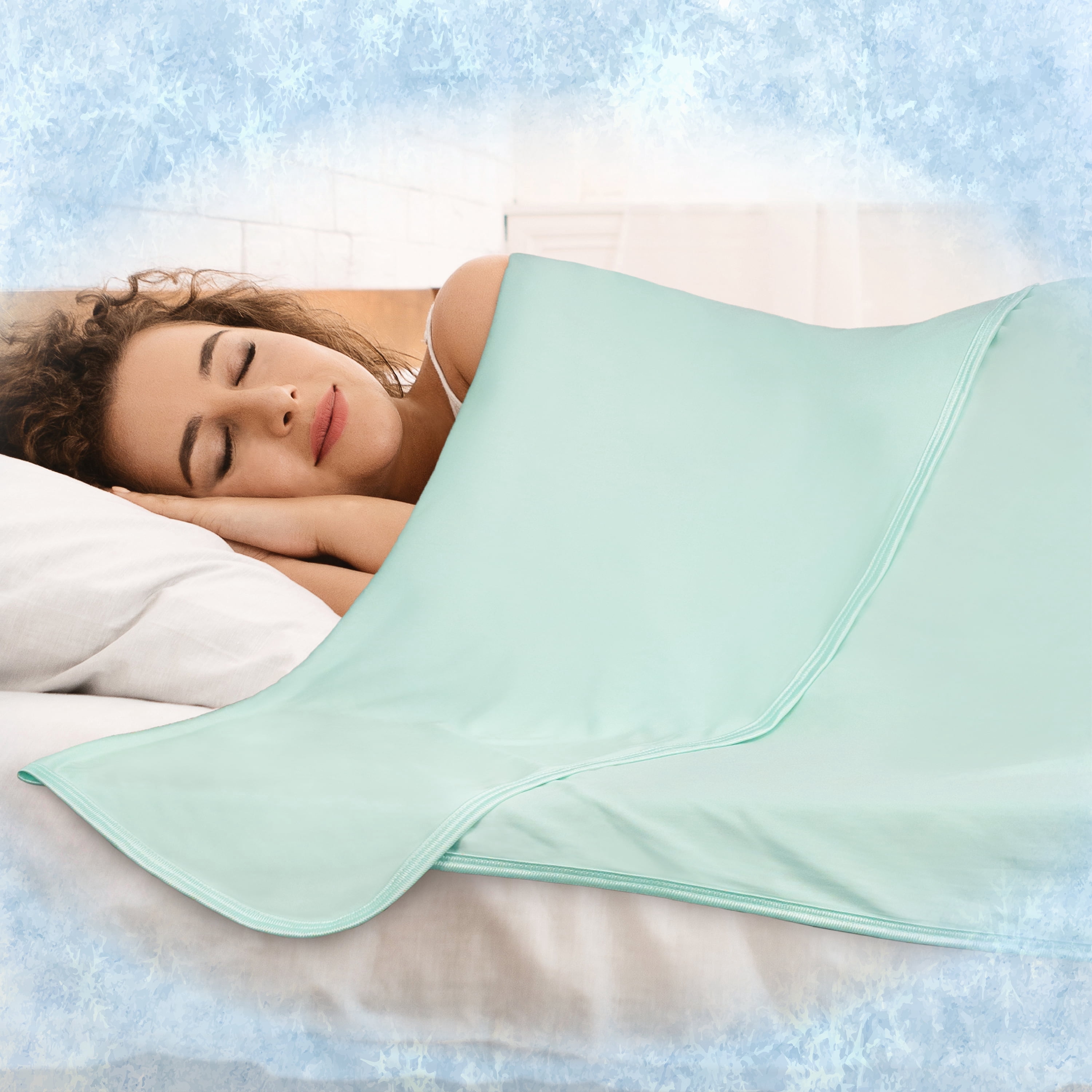
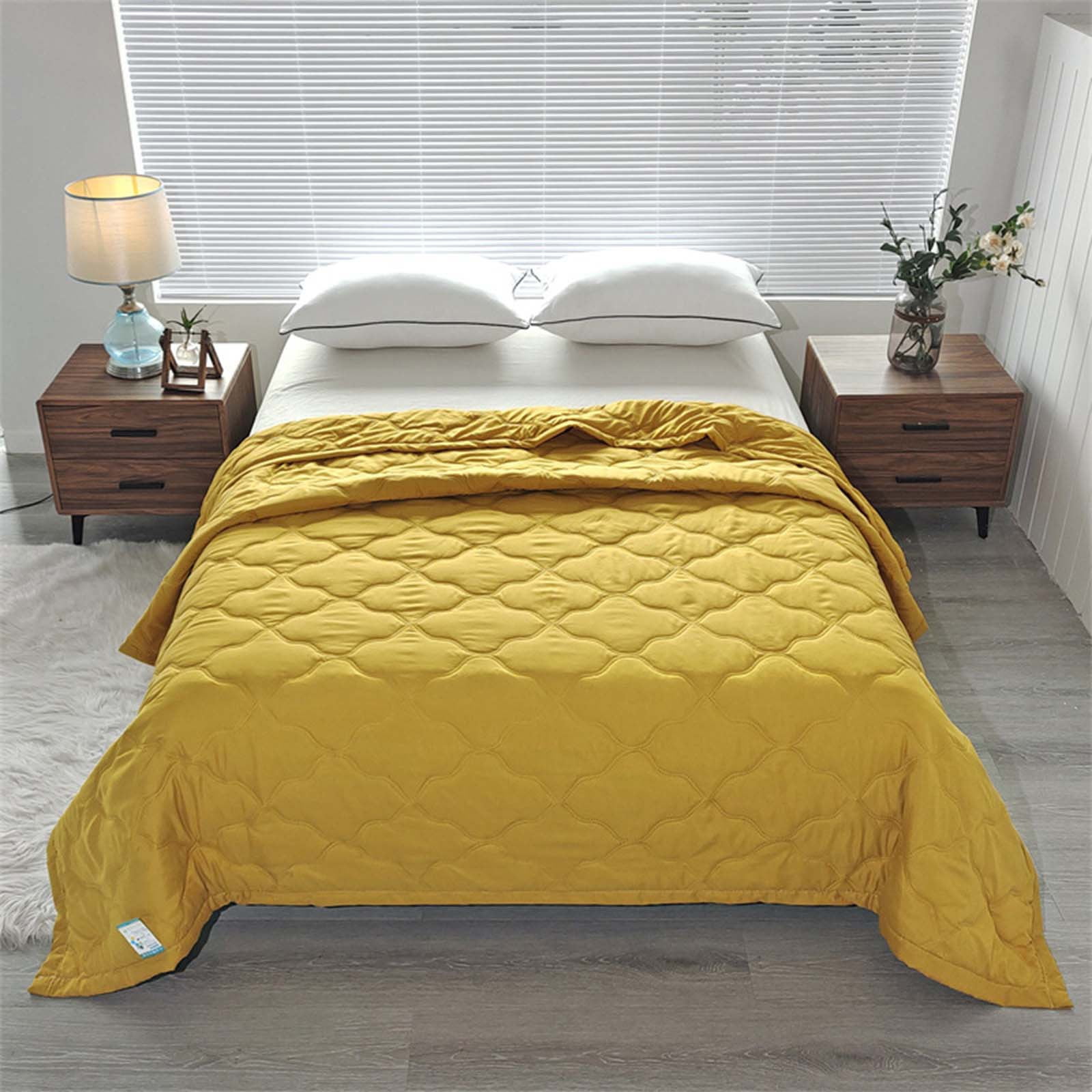
An air cooling blanket is a specialized bedding solution designed to lower body temperature through active airflow or high-permeability fabrics. By utilizing convective heat transfer or advanced moisture-wicking materials, these blankets prevent heat trap, reduce night sweats, and help maintain the "thermal neutral zone" essential for deep, restorative sleep.
Maintaining an optimal core body temperature is one of the most critical factors in achieving high-quality REM and deep sleep stages. For many, traditional bedding acts as an insulator, trapping metabolic heat and leading to discomfort or mid-night awakenings. As of 2026, air cooling blankets have evolved from niche luxury items into essential health tools, categorized into two primary types: active systems that pump conditioned air and passive blankets engineered for maximum breathability.
The Mechanics of Airflow and Thermoregulation
To understand why an air cooling blanket is effective, one must look at the physics of thermoregulation. The human body naturally seeks to shed heat as it prepares for sleep. If the environment—specifically the microclimate between the skin and the blanket—is too warm, the body’s internal clock is disrupted.
Convective cooling is the primary principle behind active air cooling blankets. These systems typically consist of a base unit (placed under or beside the bed) and a specialized "cloud sheet" or dual-layer blanket. The unit pumps ambient or cooled air into the internal cavity of the blanket. As the air moves across the body, it accelerates the evaporation of sweat and carries away heat. This is significantly more efficient than conductive cooling (like gel pads), which eventually "heat soak" and match the body’s temperature.
Passive air cooling blankets, on the other hand, rely on air permeability. This is measured by how easily air can pass through the fabric. High-permeability blankets use specific weave patterns and fibers that prevent the "greenhouse effect" under the covers. By allowing hot air to rise and escape while letting cooler ambient air circulate, these blankets provide a steady, albeit less aggressive, cooling effect compared to active motorized systems.
Active Air Cooling Systems: Technology and Performance
In 2026, active air cooling systems represent the pinnacle of sleep climate control. These devices, such as the later iterations of the BedJet or similar pneumatic sleep systems, offer precision that fabric alone cannot match.
Programmable Temperature Profiles
Modern active units allow users to set "biorhythm" cycles. Because the body’s temperature needs change throughout the night—dropping significantly in the first few hours and rising slightly before dawn—these blankets can be programmed to start cool to help with sleep onset and gradually warm up to prevent "morning chill." This level of control is particularly beneficial for couples with different thermal preferences, as many systems offer dual-zone functionality.
Humidity Management
One often overlooked aspect of sleep discomfort is humidity. Even if a room is cool, moisture trapped under a heavy comforter creates a "swampy" feeling. Active air cooling blankets excel here by constantly replacing humid air with drier room air. This rapid evaporation is a game-changer for individuals suffering from hyperhidrosis or hormonal night sweats, as it keeps the skin dry and prevents the damp-sheet sensation that often leads to waking up.
Energy Efficiency and Cost-Effectiveness
While the initial investment in an active air cooling system is higher than a standard blanket, the long-term energy savings are notable. In 2026, many households use "zone cooling" strategies. Rather than lowering the entire home's thermostat to 66°F (19°C), users keep the house at a more efficient 72°F and use the air cooling blanket to maintain a localized cool environment. This targeted cooling can reduce seasonal electricity bills by up to 30% during summer months.
Passive Air Cooling: Material Science and Fabric Engineering
For those who prefer a traditional bedding feel without the mechanical components of a motor, passive air cooling blankets offer a sophisticated alternative. The effectiveness of these blankets is dictated by their fiber composition and weave density.
Bamboo and Eucalyptus (Lyocell)
Cellulose-based fibers like bamboo and Tencel (Eucalyptus) are the gold standard for passive cooling. These fibers are naturally more hydrophilic than cotton, meaning they absorb moisture more efficiently. More importantly, the microscopic structure of Lyocell fibers allows for superior breathability. When woven into a lightweight "air-knit" or "percale" structure, these blankets facilitate a high rate of air exchange.
Phase Change Materials (PCM)
Advanced air cooling blankets in 2026 often incorporate Phase Change Materials. These are substances (often micro-encapsulated waxes) that absorb, store, and release heat. When your body temperature rises, the PCM absorbs the excess heat and transitions from a solid to a liquid state (on a microscopic level). When your temperature drops, it releases the heat back. While these are often called "cooling blankets," they are technically "temperature regulators" that work in tandem with an airy weave to keep the sleeper in a steady state.
The Importance of the TOG Rating
When shopping for a passive air cooling blanket, the TOG (Thermal Overall Grade) rating is a vital metric. A standard winter duvet might have a TOG of 13.5, while a dedicated cooling blanket usually sits between 1.0 and 4.5. A lower TOG rating indicates less thermal resistance, essentially meaning the blanket is "thinner" in terms of heat retention, allowing the "air" part of the air cooling equation to function effectively.
Comparative Analysis of Cooling Technologies
Choosing the right system depends on the severity of the heat issue, noise tolerance, and budget. The following table compares the primary methods used in 2026.
| Feature | Active Air Systems (e.g., BedJet) | Passive PCM Blankets | Bamboo/Tencel Open Weave |
|---|---|---|---|
| Cooling Method | Forced Convection | Heat Absorption (Endothermic) | High Air Permeability |
| Temperature Control | Digital/Precision | Self-Regulating | Ambient Dependent |
| Noise Level | 30-45 dB (Fan hum) | Silent | Silent |
| Maintenance | Filter cleaning + Washing | Specialized cold wash | Standard machine wash |
| Best For | Extreme hot sleepers/Sweats | Temperature fluctuations | Light cooling/Natural feel |
| 2026 Price Point | $350 - $600 | $150 - $250 | $80 - $150 |
Health and Wellness Implications
The transition to using air cooling technology in bedding is not merely about comfort; it is a clinical intervention for several conditions. Medical professionals frequently recommend regulated sleep environments for:
- Insomnia and Sleep Latency: Lowering the core body temperature is a biological trigger for the brain to release melatonin. Air cooling blankets can reduce "sleep onset latency"—the time it takes to fall asleep.
- Menopause and Vasomotor Symptoms: Hot flashes and night sweats are primary disruptors of sleep for menopausal women. Active air cooling provides immediate relief by stripping away the "flash" of heat as it occurs.
- Athletic Recovery: High-performance athletes use cooling blankets to lower their metabolic rate post-training, which can reduce inflammation and speed up muscle recovery overnight.
Selection and Maintenance Guidelines
To maximize the lifespan and effectiveness of an air cooling blanket, specific care protocols must be followed. Because many of these blankets use technical fibers or integrated air chambers, standard laundry "rules" often do not apply.
Installation of Active Systems
When setting up an active air blanket, ensure the base unit has at least 6 inches of clearance for air intake. Obstruction of the intake can lead to overheating of the motor and reduced airflow. The "cloud sheet" or air-distribution layer should be placed directly under your top comforter or used as the sole covering. It is essential to ensure there are no sharp kinks in the air hose, as this creates backpressure and increases noise levels.
Washing and Longevity
- Active Blankets: Most active air sheets are machine washable but should never be dried on high heat. High temperatures can damage the internal baffles that keep the air flowing evenly across the surface.
- Passive Blankets: PCM and bamboo blankets are sensitive to fabric softeners. Softeners coat the fibers in a waxy layer, which fills the microscopic pores that allow the blanket to "breathe," effectively neutralizing the air-cooling properties. Always use a gentle, enzyme-free detergent.
Frequently Asked Questions
Can an air cooling blanket replace my air conditioner?
An air cooling blanket is designed to cool the person, not the room. While it can allow you to raise your AC thermostat by several degrees—saving energy—it cannot effectively cool you if the ambient room temperature is excessively high (above 80°F/27°C) because active systems typically use room air. If the room air is hot, the air blown into the blanket will also be warm unless the unit features a dedicated refrigeration compressor.
Are active air cooling blankets noisy?
In 2026, most high-end air cooling units operate at a sound level comparable to a high-quality air purifier or a white noise machine (approx. 38 dB on medium settings). Many users find this consistent hum beneficial for masking environmental noises, though "turbo" modes used for rapid cooling before bed can be louder.
Is an air cooling blanket safe for children?
Passive cooling blankets are generally safe for children. However, for active systems involving hoses and electrical base units, manufacturers typically recommend them for children ages 12 and up. There is a risk of entanglement with hoses or tripping over cords for younger children. Always consult the specific manufacturer's safety guidelines regarding age limits.
Do these blankets work for "cold sleepers" too?
Active air cooling blankets are often "climate control" systems, meaning they include a heating function. This makes them highly versatile for year-round use. During winter, the unit can pump warm air to pre-heat the bed, which is often safer and more efficient than a traditional electric blanket that relies on heating wires.
How long do the cooling properties of passive blankets last?
The breathability of bamboo and Tencel is a permanent physical property of the fiber and does not "wear out." However, Phase Change Materials (PCM) can degrade over several years of repeated washing and drying cycles. Typically, a high-quality PCM air cooling blanket will maintain its peak performance for 3 to 5 years with proper care.
Final Recommendation
When choosing an air cooling blanket in 2026, the first step is to identify whether your primary issue is ambient heat or moisture (sweat). If you find yourself waking up damp, an active airflow system is the most effective solution due to its superior evaporative capacity. If you simply prefer a crisp, cool-to-the-touch sensation and have a relatively controlled room temperature, a high-permeability bamboo or Lyocell blanket with a low TOG rating will provide the best balance of comfort and utility. For the best results, pair your blanket with moisture-wicking pajamas to ensure no barriers exist between your skin and the cooling air.