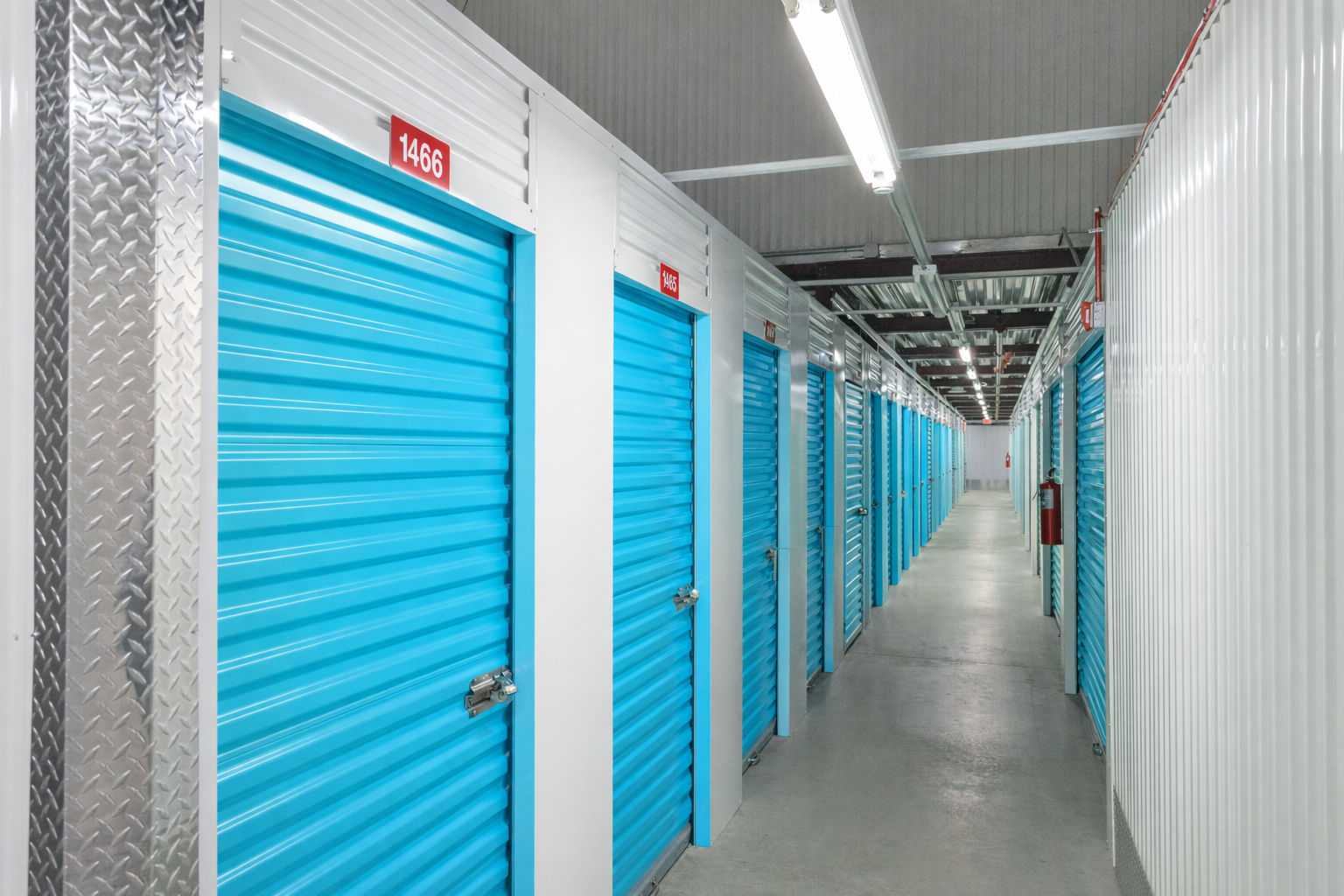
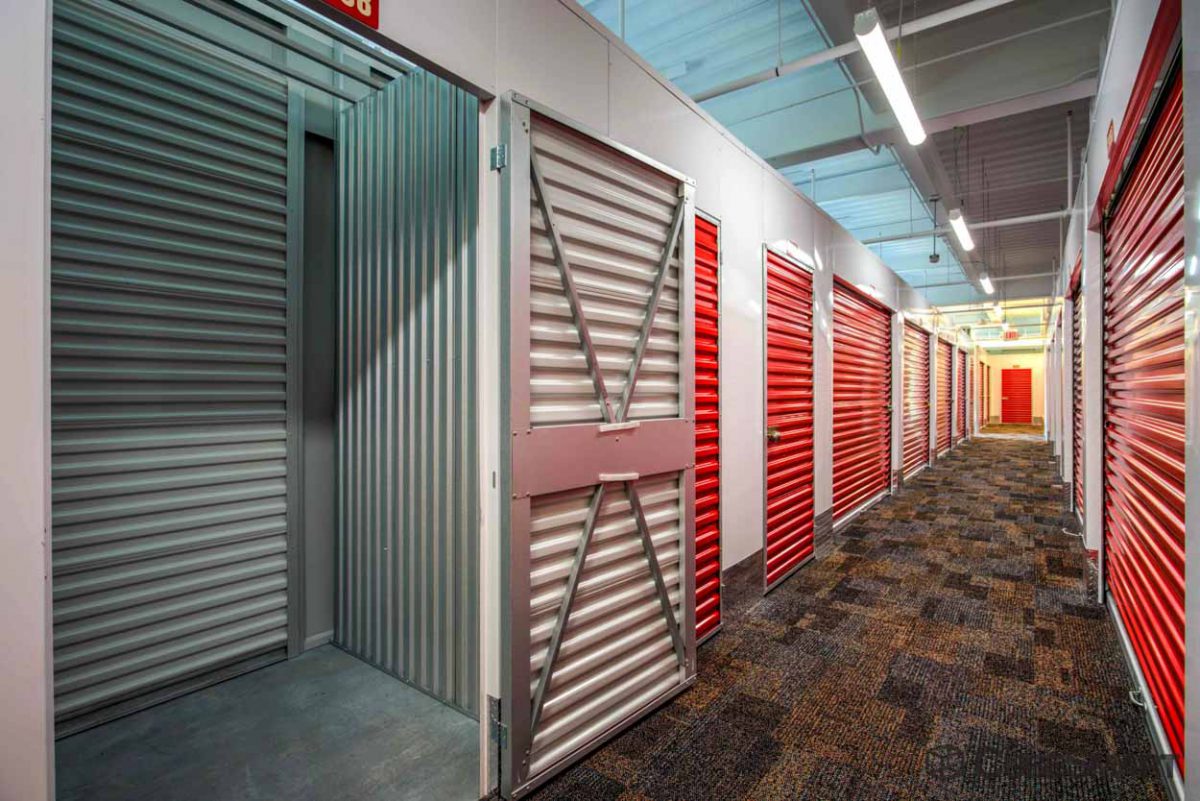
Air-controlled storage units, commonly referred to as climate-controlled units, maintain a consistent temperature and humidity range to protect sensitive items from environmental damage. When searching for these facilities nearby, it is essential to distinguish between basic "temperature control" and full "climate control," which also manages moisture levels to prevent mold, warping, and corrosion.
The demand for specialized storage has surged in 2026 as homeowners and businesses seek to protect high-value assets from increasingly volatile outdoor weather patterns. Unlike standard drive-up units, air-controlled units are typically located within an enclosed, insulated building. This environment acts as a buffer against extreme heat, freezing temperatures, and—most importantly—excessive humidity.
The Technical Difference: Air-Controlled vs. Standard Storage
To make an informed decision when searching for "air-controlled storage units near me," you must understand the mechanical infrastructure behind these spaces. Not all "controlled" environments are created equal.
Temperature-Controlled Storage
These units use HVAC (Heating, Ventilation, and Air Conditioning) systems to ensure the temperature stays within a specific range, usually between 55°F and 80°F. This is sufficient for items that are sensitive to extreme heat or cold but may not be affected by moisture in the air. In many regions, facilities may only heat the units in winter or cool them in summer, rather than providing year-round regulation.
Climate-Controlled Storage (Full Air Control)
True air-controlled units manage both temperature and relative humidity. In 2026, premium facilities utilize industrial-grade dehumidifiers and sophisticated sensors to keep humidity levels around 30% to 50%. This is the "gold standard" for storage. Maintaining this balance is critical because even if the temperature is 70°F, high humidity can still trigger fungal growth on organic materials like leather, paper, and wood.
Humidity Regulation: The Silent Protector
Relative humidity (RH) is often more dangerous than temperature. When RH levels exceed 60%, the environment becomes a breeding ground for mold and mildew. Conversely, if the air is too dry (below 20%), wood can crack and musical instruments can lose their structural integrity. When evaluating a facility, ask if they actively monitor and adjust humidity or if they only provide "forced air" heating and cooling.
Why You Need Air Control for Your Belongings
If you are storing items for more than a few weeks, the local climate will inevitably fluctuate. In 2026, we are seeing wider temperature swings that can cause "sweating" (condensation) inside metal storage containers. Air-controlled units mitigate this risk.
Furniture and Woodwork
Solid wood furniture contains a specific amount of moisture. When exposed to fluctuating humidity, wood fibers expand and contract. Over time, this leads to warped table tops, cracked joints, and peeling veneers. Antiques, which often use organic glues, are particularly vulnerable; these glues can soften in high heat or become brittle in extreme cold, causing the piece to literally fall apart.
Electronics and Media
From vintage vinyl records to modern server equipment, electronics do not fare well in non-controlled environments. High heat can degrade plastic components and weaken solder joints. Humidity causes internal corrosion on circuit boards. For those storing legacy media like VHS tapes, photographs, or film reels, air control is mandatory to prevent "vinegar syndrome" or the sticking of magnetic tape layers.
Business Inventory and Documents
Many professional services—law firms, medical clinics, and architectural studios—use off-site storage for archival purposes. Paper is highly hygroscopic, meaning it absorbs water from the air. In a standard unit, documents can become yellowed, brittle, or wavy. Furthermore, pharmaceutical samples or retail inventory (such as high-end apparel) require a stable environment to remain viable for sale or use.
Comparing Storage Features: 2026 Industry Standards
| Feature | Standard Storage | Air-Controlled Storage |
|---|---|---|
| Temperature Range | Matches outdoor ambient temp | Regulated (55°F - 80°F) |
| Humidity Control | None (Outdoor levels) | Managed (30% - 50% RH) |
| Air Filtration | Minimal to none | High-efficiency (HEPA/MERV) |
| Pest Protection | Moderate (Exterior access) | High (Fully enclosed building) |
| Primary Use | Tools, vehicles, plastic bins | Furniture, electronics, archives |
| Average Cost | Baseline price | 15% - 35% Premium |
How to Locate and Verify Facilities "Near Me"
Finding a facility is the first step; verifying their "air control" claims is the second. In 2026, digital transparency has improved, but physical verification remains the most reliable method for protecting your assets.
Utilizing Modern Search Tools
When using map-based search tools, look beyond the "Climate Controlled" tag. Look for facilities that offer "Individual Unit Monitoring." Many modern facilities now provide customers with an app-based dashboard where they can see the real-time temperature and humidity of their specific unit. This level of transparency ensures the facility isn't cutting costs by turning off the HVAC during off-peak hours.
Physical Inspection Checklist
Before signing a lease, visit the facility and perform these checks:
- The Threshold Test: When you walk into the storage building, you should feel an immediate difference in air quality. It should feel like a well-ventilated office building, not a basement or a garage.
- Scent Check: If the hallways smell musty or damp, the humidity control is likely inadequate. Air-controlled facilities should have a neutral, clean scent due to constant air filtration.
- Dust Levels: Proper air-controlled units use filtered air. If the unit floors are covered in thick dust, the ventilation system may be poorly maintained.
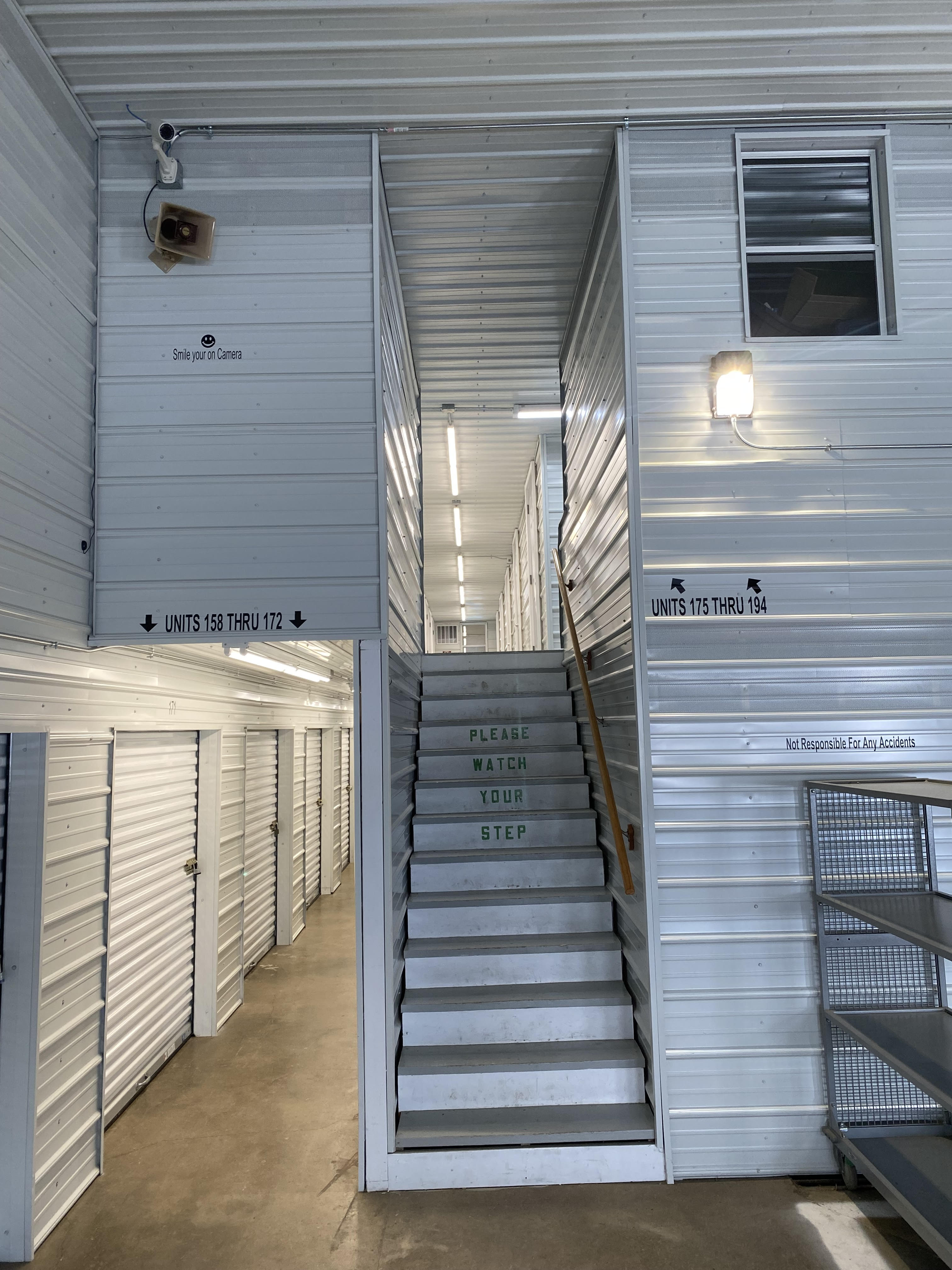
- Security Integration: In 2026, most air-controlled units are located inside multi-story buildings. Ensure there are adequate elevators, heavy-duty dollies, and secure access points (like NFC or biometric scanners) to reach your unit.
Cost Considerations and Pricing Trends for 2026
The cost of air-controlled storage depends heavily on your geographic location and the local cost of energy. In high-humidity regions like the Southeast or coastal areas, the premium for these units is often higher because the HVAC systems must work harder to extract moisture.
Size Matters
Standard unit sizes include 5x5 (small closet), 5x10 (walk-in closet), 10x10 (large bedroom), and 10x20 (one-car garage). For air-controlled units, the price per square foot typically decreases as the unit size increases. However, because air-controlled units are usually inside a building, they may have "locker" configurations (reduced height) which are cheaper but offer less vertical volume.
Hidden Fees and Insurance
Most reputable facilities require insurance. While your homeowners' or renters' insurance might cover off-site storage, many 2026 lease agreements include a mandatory basic coverage fee ($10–$30/month) unless you provide proof of external coverage. Additionally, ask about "admin fees" or "lock fees" that can add to the initial move-in cost.
Common Mistakes When Selecting Air-Controlled Units
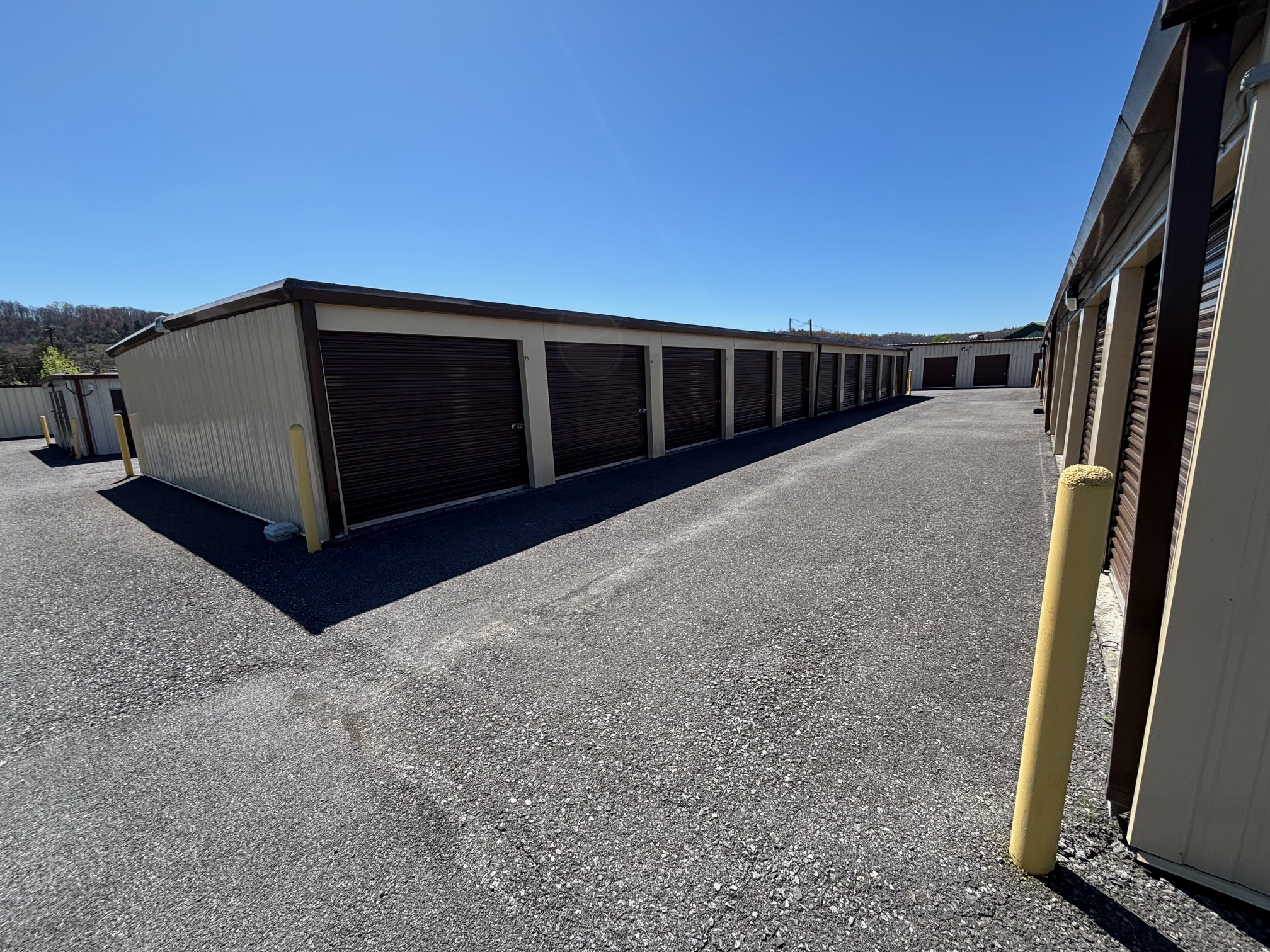
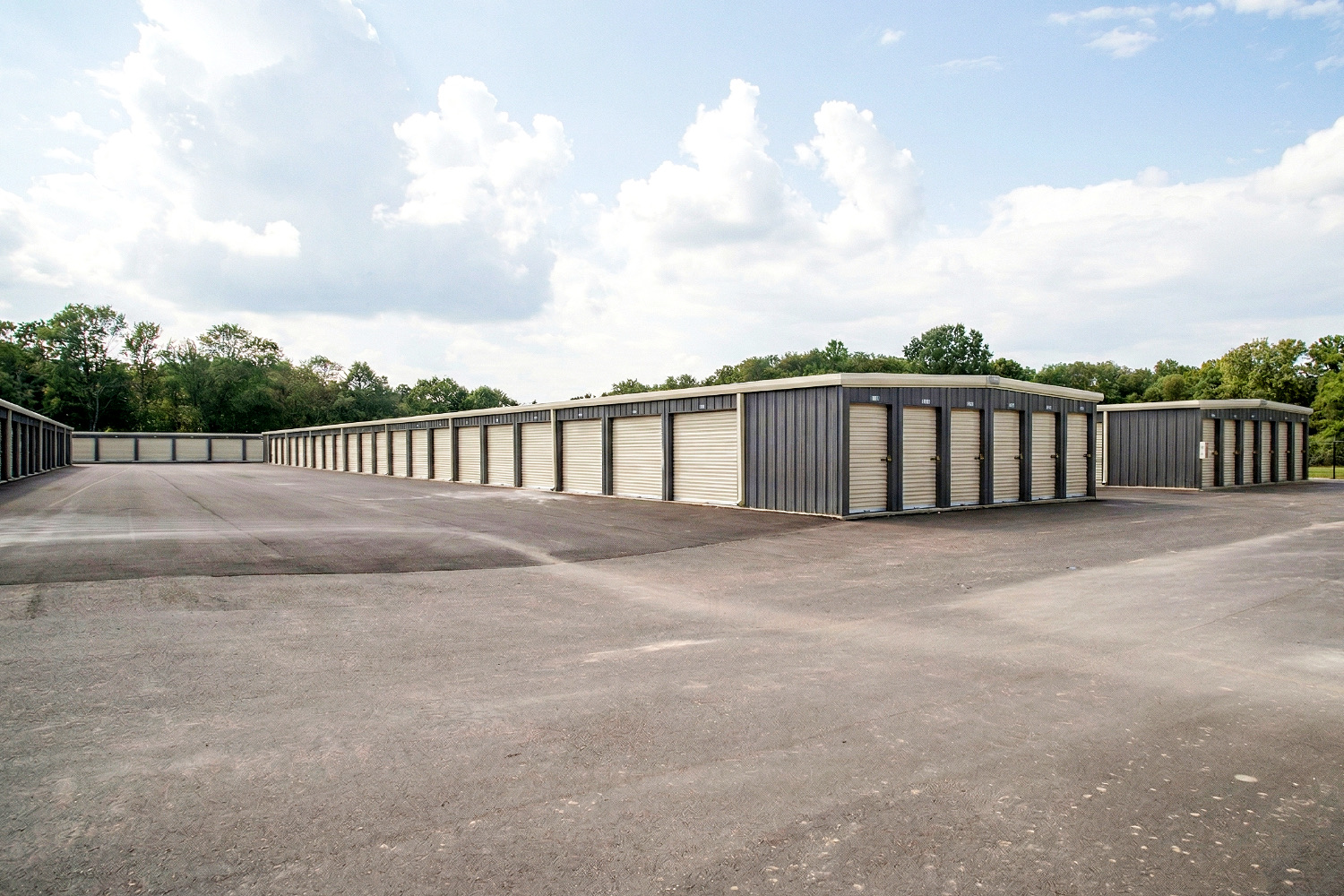
One of the most frequent errors is assuming that "indoor" means "air-controlled." Many facilities have indoor units that are simply shielded from rain but lack any active temperature or humidity management. Always confirm that the facility utilizes a centralized HVAC system.
Another mistake is failing to pack for the environment. Even in a climate-controlled unit, items should be stored off the ground using pallets or shelving. This allows air to circulate underneath your items, providing a second layer of defense against any localized moisture or accidental spills in neighboring units. Avoid using plastic wrap on wooden furniture, as it can trap residual moisture against the wood; use breathable fabric covers instead.
Frequently Asked Questions
Is air-controlled storage really necessary for short-term use?
If you are storing items for less than 30 days during a period of mild weather, you might be able to use a standard unit. However, if your move occurs during a heatwave or a rainy season, even two weeks of exposure to 90% humidity can initiate mold growth on fabrics and cardboard boxes. For high-value items, the extra 20% in cost is a small price for peace of mind.
What happens to air-controlled units during a power outage?
Professional facilities in 2026 are generally equipped with backup generators to maintain security systems, but not always the full HVAC load. Because these buildings are heavily insulated, they can usually maintain a stable temperature for 24 to 48 hours without power. Ask the facility manager about their emergency power protocols for environmental systems.
Can I store wine or fur coats in a standard air-controlled unit?
Standard air-controlled units (55°F–80°F) are not cold enough for long-term wine aging or fur storage, which require specialized "cold storage" (typically 45°F–55°F with specific humidity). While air-controlled units are better than standard ones, they are not a substitute for specialized archival or sommelier-grade storage.
How do I know if a facility is actually maintaining the air quality?
In 2026, you should look for facilities that hold certifications from organizations like the Self Storage Association (SSA). Furthermore, many top-tier providers now offer "Environment Guarantees" or allow you to place your own remote hygrometer/thermometer inside the unit to verify the conditions via Wi-Fi.
Final Recommendation
When searching for "air controlled storage units near me," prioritize facilities that offer active humidity management rather than just temperature regulation. For the best protection in 2026, choose a facility with indoor-only access, multi-level security, and positive customer reviews regarding cleanliness and air quality. Before moving your items, visit the site, inspect the ventilation, and ensure the facility's "climate control" meets the technical requirements for your most sensitive belongings.