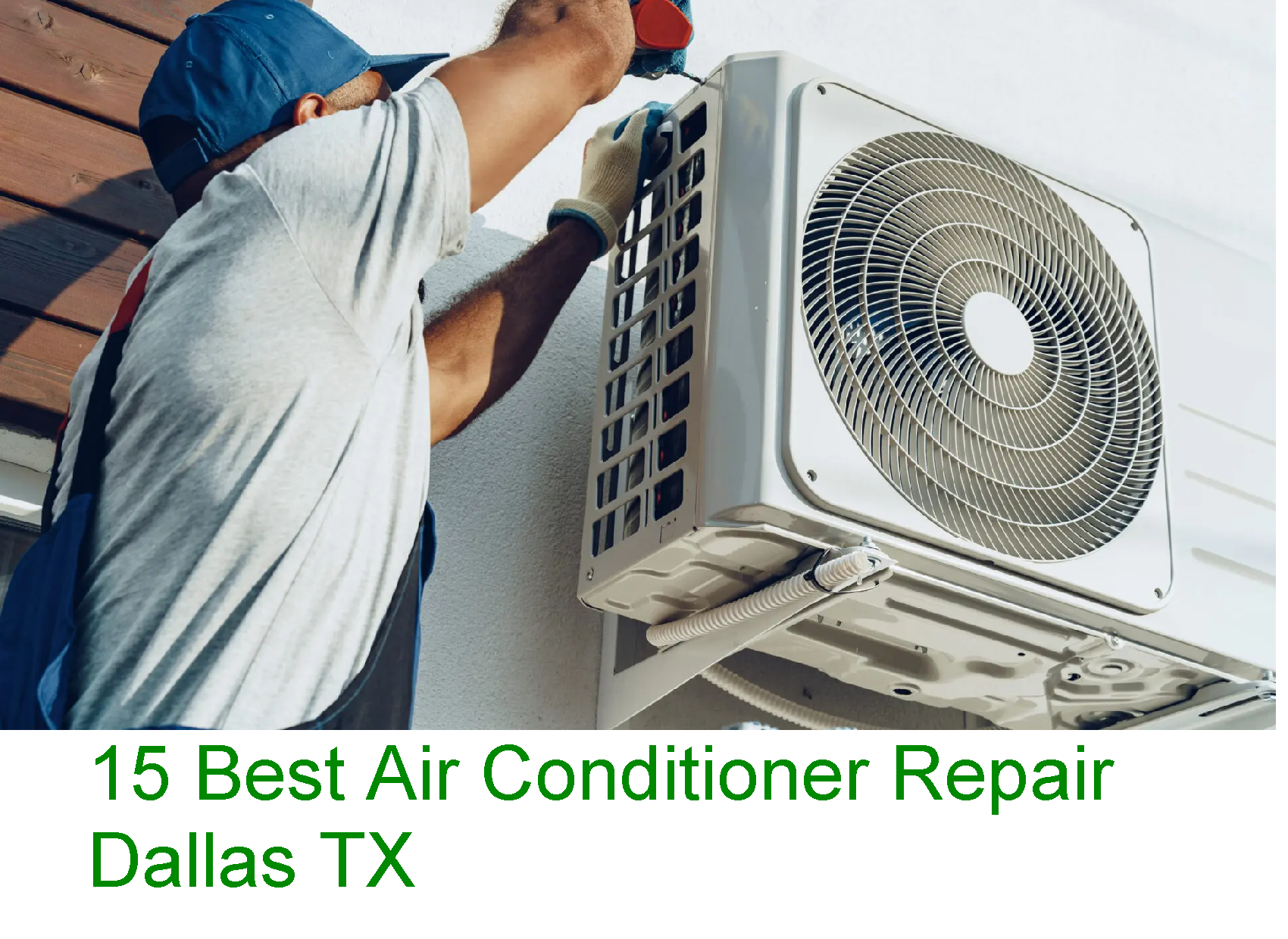
If your cooling system fails in Montgomery, Texas, prompt action is essential due to the region's extreme humidity and high temperatures. In 2026, air conditioning repair involves navigating new refrigerant standards and high-efficiency SEER2 requirements. Most local repairs range from $150 for minor electrical fixes to over $2,000 for major component replacements, requiring a licensed Texas HVAC professional to ensure safety and compliance.
Montgomery, Texas, is known for its historic charm and proximity to Lake Conroe, but for homeowners, it is also known for a climate that puts immense strain on HVAC systems. With summer temperatures frequently climbing into the high 90s and humidity levels that rarely drop below 60%, a functioning air conditioner is not a luxury—it is a critical utility for health and home preservation. As we move through 2026, the landscape of AC repair has changed significantly due to federal environmental regulations and the local demand for smarter, more efficient cooling solutions.
The Unique Challenges of Cooling Homes in Montgomery
The Montgomery County climate presents specific biological and mechanical challenges to HVAC systems. Unlike drier regions, Montgomery faces the "Lake Conroe Effect," where the nearby water body contributes to localized humidity spikes. This moisture does more than just make the air feel heavy; it directly impacts how your air conditioner functions.
Humidity and Dehumidification Stress
An air conditioner's secondary job is to act as a dehumidifier. In Montgomery, the latent heat load (the energy required to remove moisture from the air) is often as high as the sensible heat load (the energy required to lower the temperature). When a system is not sized correctly or the evaporator coils are dirty, the unit may struggle to pull moisture from the air, leading to a "clammy" feeling indoors and potential mold growth within the ductwork.
Corrosive Environments
The high moisture content, combined with organic debris from Montgomery’s dense pine and oak canopies, can lead to premature corrosion of outdoor condenser units. Pine needles and pollen can clog the delicate aluminum fins of the condenser, forcing the compressor to run hotter and eventually fail. In 2026, many homeowners are opting for units with specialized anti-corrosive coatings to combat these local environmental factors.
Common Air Conditioning Problems in Montgomery County
While every home is different, several recurring issues plague AC systems in the Montgomery and Dobbin areas. Recognizing these early can prevent a total system shutdown during a July heatwave.
1. Capacitor and Contactor Failure
The most frequent repair call in Southeast Texas involves the electrical start components. The intense heat causes capacitors—which provide the initial "jolt" to start the motors—to overheat and bulge. If you hear a humming noise from your outdoor unit but the fan isn't spinning, a blown capacitor is the likely culprit.
2. Frozen Evaporator Coils
It seems counterintuitive to have ice on an AC unit in 100-degree weather, but it is common. This usually results from restricted airflow (dirty filters) or a refrigerant leak. In Montgomery’s humid air, a cold coil that isn't receiving enough airflow will quickly turn condensation into a block of ice, eventually suffocating the system and potentially damaging the compressor.
3. Clogged Condensate Drain Lines
Because AC units in Montgomery pull gallons of water out of the air daily, the drain lines are under heavy use. Algae and "slime" can grow in these pipes, leading to backups. Without a functioning float switch, this water can overflow, damaging ceilings and flooring. High-efficiency systems in 2026 are often equipped with advanced sensors, but older systems still rely on manual clearing.
4. Refrigerant Leaks and the 2026 Transition
The HVAC industry is currently in a major transition period. By 2026, the phase-down of R-410A refrigerant (Puron) is nearly complete. If your older system has a leak, the cost of R-410A has risen significantly due to decreased production. Repairs now often involve a difficult decision: patch a leak in an obsolete system or upgrade to a new unit using A2L refrigerants like R-454B or R-32.
Troubleshooting Before Calling a Professional
Before you book an emergency repair, there are several steps you can take to verify if a technician is truly necessary. Many service calls in Montgomery are resolved by simple homeowner maintenance.
- Check the Thermostat Batteries: It sounds simple, but a blank screen on a thermostat is often just a sign of dead AA batteries. Modern smart thermostats may also lose Wi-Fi connection, leading to scheduling errors.
- Inspect the Air Filter: A clogged filter is the primary cause of system shutdowns. In the Montgomery area, filters should be checked every 30 days, especially if you have pets or live near unpaved roads where dust is prevalent.
- Verify the Circuit Breakers: HVAC systems pull significant amperage. Check your main electrical panel and the outdoor disconnect box to ensure a breaker hasn't tripped.
- Clear the Outdoor Unit: Ensure there are at least two feet of clearance around your outdoor condenser. Remove any overgrown brush or fallen pine needles that could be restricting airflow.
Estimating AC Repair Costs in Montgomery (2026)
Pricing for AC repair can vary based on the age of the unit, the complexity of the brand (such as communicating vs. non-communicating systems), and the specific part required. Below is a breakdown of estimated costs for common repairs in the Montgomery, TX area.
| Repair Type | Estimated Cost (Parts & Labor) | Complexity | Estimated Time |
|---|---|---|---|
| Capacitor Replacement | $150 – $350 | Low | 1 Hour |
| Condensate Drain Clearing | $125 – $250 | Low | 1 Hour |
| Blower Motor Repair | $450 – $900 | Medium | 2–3 Hours |
| Refrigerant Recharge (R-410A) | $300 – $800+ | Medium | 1–2 Hours |
| Evaporator Coil Replacement | $1,200 – $2,500 | High | 4–6 Hours |
| Compressor Replacement | $1,800 – $3,500 | High | 5–8 Hours |
| Smart Thermostat Install | $250 – $600 | Low | 1–2 Hours |
Note: Prices are estimates for 2026 and may vary based on specific manufacturer requirements and emergency after-hours fees.
The Impact of SEER2 and New Refrigerant Standards
As of 2026, the Department of Energy’s SEER2 standards are the benchmark for all new installations in the Southern region, including Texas. These standards require higher external static pressure during testing, meaning that a simple "swap" of a repair part might not always be compatible with the system's efficiency rating.
Furthermore, the transition to A2L refrigerants (mildly flammable but much more environmentally friendly) means that technicians must use specialized, spark-proof tools and sensors. If your system was installed after 2024, ensure your technician is specifically trained in A2L handling. For homeowners with older systems, the rising cost of R-410A makes leak detection and repair a high-priority investment to avoid total system replacement.
How to Choose a Qualified HVAC Contractor in Montgomery
Texas has strict requirements for HVAC professionals. In a growing area like Montgomery, you may encounter "handymen" offering AC services, but for legal and safety reasons, you should only hire licensed contractors.
Verify the TDLR License
Every legitimate HVAC contractor in Texas must be licensed by the Texas Department of Licensing and Regulation (TDLR). They are required to display their license number (e.g., TACL #12345E) on their vehicles and marketing materials. A Class A license allows the contractor to work on any size unit, while a Class B license limits them to cooling systems of 25 tons or less—which is sufficient for almost all residential homes.
Insurance and Bonding
Ensure the company carries general liability insurance and workers' compensation. If a technician is injured on your property or causes damage to your home, these policies protect you from financial liability.
Local Knowledge
Choose a company that understands the specific demands of Montgomery County. This includes knowledge of local building codes in neighborhoods like Walden, Bentwater, and Woodforest, as well as an understanding of the electrical grids serviced by Entergy or Mid-South Utility Services.
Preventive Maintenance: The Key to Longevity
In the harsh Texas climate, an AC system that is not maintained will likely fail 3 to 5 years earlier than a well-kept one. Professional maintenance in Montgomery should occur twice a year: once in the spring before the heat hits, and once in the fall.
A comprehensive maintenance visit should include:
- Coil Cleaning: Removing dirt and oxidation from the evaporator and condenser coils to maintain heat transfer efficiency.
- Electrical Inspection: Checking all wire connections for signs of heat damage or "pitting" on contactors.
- Refrigerant Level Check: Ensuring the system is operating within the manufacturer’s specified pressures.
- Safety Switch Testing: Verifying that the float switch will actually cut power to the unit if the drain line clogs, preventing water damage.
Frequently Asked Questions
Is it worth repairing an AC unit that is 10 years old in 2026?
Generally, if the repair cost exceeds 50% of the value of a new system, replacement is recommended. In 2026, the decision is also influenced by refrigerant. If your 10-year-old system uses R-410A and requires a major leak repair, the high cost of the refrigerant and the lower efficiency of the older unit often make replacement the more financially sound long-term choice.
Why is my AC running but the house isn't getting cooler?
This is usually a sign of low refrigerant or a failing compressor. However, in Montgomery's humidity, it could also be a "bypass" issue where humid air is leaking into the ductwork from the attic. Check your air filter first; if it's clean, you likely have a mechanical issue that requires a professional pressure test.
How long do AC units typically last in Montgomery, TX?
Due to the high usage and humidity, the average lifespan of an AC unit in Southeast Texas is 10 to 14 years. This is slightly lower than the national average of 15 to 20 years. Units near Lake Conroe may see slightly shorter lifespans due to increased moisture-related corrosion.
Can I change my own refrigerant in 2026?
No. Under Section 608 of the Clean Air Act, only EPA-certified technicians can purchase or handle refrigerants. Attempting to DIY a refrigerant charge is illegal and dangerous, especially with the newer A2L refrigerants used in 2026, which require specific safety protocols.
What is the most efficient AC setting for Texas summers?
The Department of Energy recommends setting your thermostat to 78°F when you are at home. In Montgomery, using ceiling fans in conjunction with the AC allows you to feel comfortable at higher temperatures, reducing the load on your compressor and lowering your monthly Entergy or Mid-South bill.
Final Recommendation for Montgomery Homeowners
If your air conditioner is showing signs of struggle—odd noises, rising energy bills, or inconsistent temperatures—do not wait for a total breakdown. In the Montgomery, TX area, the demand for HVAC services spikes dramatically once temperatures cross the 90-degree threshold, leading to longer wait times and higher emergency labor rates.
Begin by performing a basic filter and breaker check. If the issue persists, contact a TDLR-licensed professional to perform a diagnostic test. In 2026, prioritizing leak detection and electrical health is the most effective way to protect your investment and ensure your home remains a sanctuary against the Texas heat.