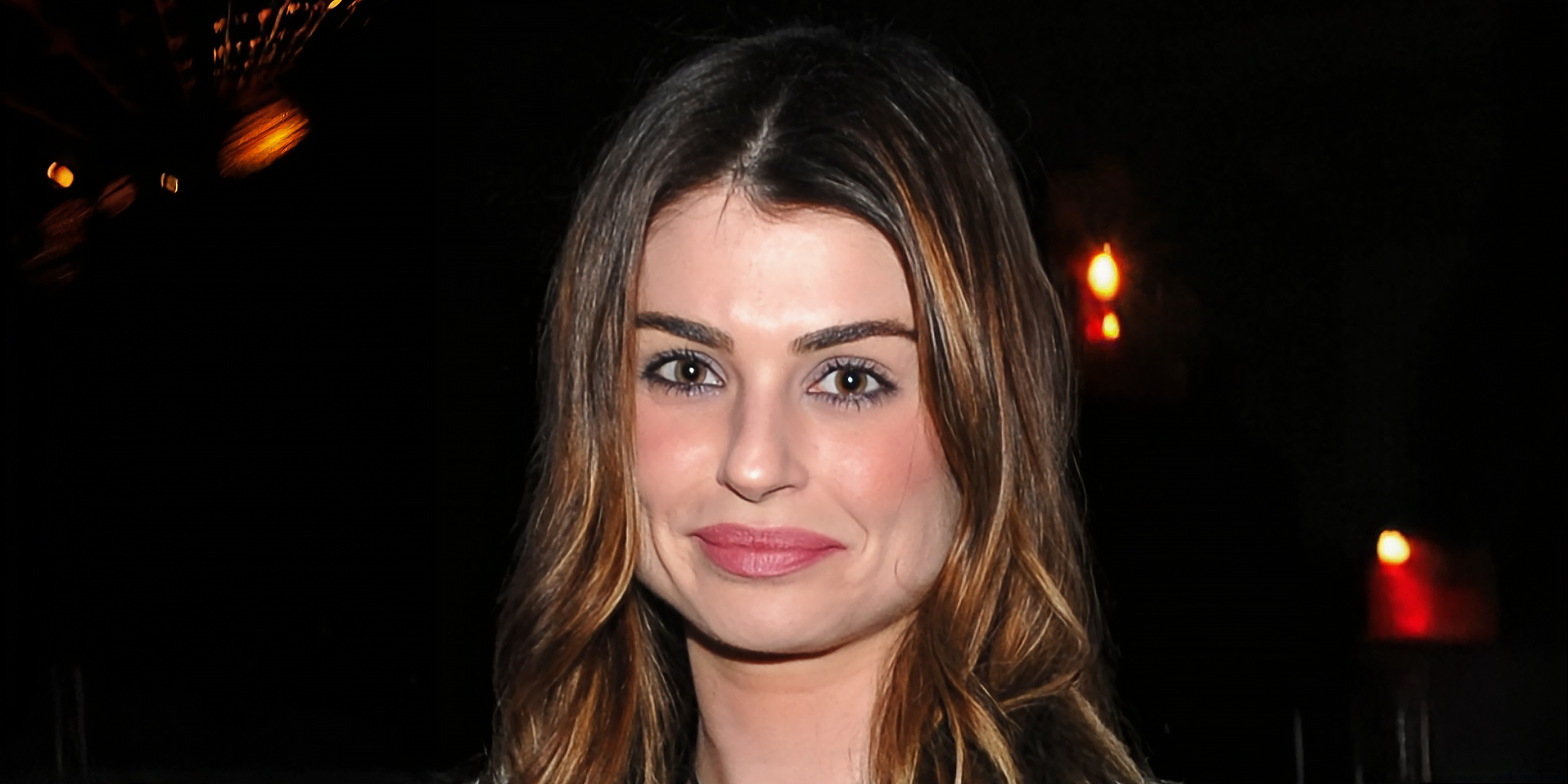
Aimee Osbourne is an English singer, songwriter, and artist best known for her synth-pop project, ARO. Unlike her famous siblings, she gained notoriety for declining to appear in the family’s reality series, The Osbournes, choosing instead to cultivate a private life and a distinct, atmospheric musical identity separate from her father’s heavy metal legacy.
Throughout her life and career, Aimee Osbourne has maintained a delicate balance between a high-profile lineage and a fiercely independent creative spirit. Born into the whirlwind of rock royalty, her decision to opt out of the limelight during the early 2000s defined her public persona as the "invisible" Osbourne. However, as of 2026, her contributions to alternative pop and her steadfast commitment to her artistic vision have solidified her reputation as a serious musician who values substance over celebrity.
Early Life and the Weight of a Legacy
Aimee Rachel Osbourne was born on September 2, 1983, in London, England. As the eldest child of Ozzy and Sharon Osbourne, she was born at the height of her father’s solo career resurgence. Her childhood was characterized by the dichotomy of immense wealth and the chaotic nature of the music industry. While her younger siblings, Kelly and Jack, eventually became household names through television, Aimee’s early years were shaped by a growing realization that the public’s perception of her family did not necessarily align with her own personal goals.
Growing up in the 1980s and 90s, Aimee was exposed to a vast array of musical influences, ranging from her father’s heavy riffs to the sophisticated pop and classical music her mother appreciated. However, she often felt like an outsider within her own dynamic. This sense of displacement was not due to a lack of love, but rather a fundamental difference in how she wished to navigate the world. While the Osbourne household was famously loud and unfiltered, Aimee gravitated toward introspection and privacy.
By the time she reached her teens, the family moved to Los Angeles, a transition that coincided with the development of the MTV reality show that would change their lives forever. It was during this period that Aimee made the first major decision of her adult life: she refused to participate in The Osbournes.
The Decision to Opt Out of Reality Television
In 2002, The Osbournes premiered on MTV, becoming a global phenomenon and pioneering the "celebreality" genre. For Kelly and Jack, the show was a springboard into media careers. For Aimee, it was a boundary she was unwilling to cross. At just 16 years old, she moved out of the family home to avoid the cameras, a move she has since described as essential for her mental health and future professional credibility.
Aimee’s refusal was not merely about shyness; it was a strategic move to preserve her identity. She recognized that being framed by the tropes of reality television would make it nearly impossible for her to be taken seriously as a musician later in life. She didn't want the world to watch her grow up, make mistakes, and have her "teenage tantrums" broadcast to millions. This choice created a temporary rift in the family narrative—viewers often wondered where the "third sibling" was—but it allowed Aimee to develop a voice that was entirely her own.
The Evolution of ARO: Finding a Musical Voice
After years of behind-the-scenes work and vocal training, Aimee launched her musical project under the moniker ARO (her initials). Choosing to perform under a pseudonym was another layer of protection, allowing the music to stand on its own merits rather than relying on the Osbourne name for marketing.
The Sound of ARO
The music of ARO is a far cry from the heavy metal of Black Sabbath or Ozzy's solo work. Instead, it occupies a space within the dark-wave, synth-pop, and electronic genres. Her influences include Portishead, Massive Attack, and Kate Bush, favoring atmospheric textures, haunting vocals, and cinematic production.
The project officially captured public attention in 2015 with the release of the single "Raining Gold." The track was accompanied by a highly stylized, cinematic music video that highlighted Aimee’s aesthetic: moody, sophisticated, and intentionally mysterious. "Raining Gold" received critical acclaim, with many noting the maturity of her songwriting and the professional polish of the production.
Key Musical Milestones
| Milestone | Year | Significance |
|---|---|---|
| Birth of Aimee Rachel Osbourne | 1983 | Born to Ozzy and Sharon Osbourne in London. |
| The Osbournes Premiere | 2002 | Aimee famously declines to appear, moving out of the family home. |
| Release of "Raining Gold" | 2015 | Debut single under the ARO name; gains millions of views. |
| Vacare Adamaré Release | 2020 | Debut full-length album released via Make Records. |
| Single "Against Mine" | 2022 | Continued exploration of dark-wave pop and electronic textures. |
| ARO 2024-2026 Projects | 2026 | Sustained output of independent singles and live performances. |
Deep Dive: Vacare Adamaré and Artistic Maturity
In 2020, Aimee released her debut studio album, Vacare Adamaré. The Latin title, which translates roughly to "to be free and to be loved," serves as a mission statement for her career. The album was the culmination of nearly a decade of development, reflecting her perfectionist approach to recording.
Tracks like "Shared Something With the Night" and "House of Lies" showcase her ability to blend electronic beats with organic, emotional vulnerability. The album received positive reviews from outlets such as Rolling Stone and NME, which praised her for avoiding the pitfalls of "celebrity music." Instead of high-gloss, generic pop, Vacare Adamaré is a dense, often brooding record that demands multiple listens.
The production, largely handled by Billy Mohler, emphasizes Aimee’s alto range, which carries a smoky, melancholic quality. By 2026, the album is viewed by fans of the dark-pop genre as a cult classic, proving that Aimee’s patience in releasing her first full-length work was a sound creative investment.
Navigating Fame and Privacy in the Modern Era
As we look at Aimee Osbourne's status in 2026, her lifestyle remains a testament to the power of personal boundaries. While she maintains a close relationship with her parents and siblings—often appearing in family photos on social media or attending private events—she rarely engages with the tabloid culture that has often surrounded her family.
Her approach to social media is curated and professional, focusing almost exclusively on her art, her visual influences, and her music. This "mystery" has actually served her career well in the age of overexposure. By remaining somewhat elusive, she has built a loyal fanbase that is interested in her art rather than her private life.
The Challenge of the "Osbourne" Label
Being an Osbourne in the music industry is a double-edged sword. While the name provides access and connections, it also brings a set of expectations that can be stifling. Aimee has frequently discussed the pressure to conform to a specific "rock" persona. Her success with ARO is largely due to her refusal to pander to these expectations. She did not release a metal album to please her father’s fans, nor did she release a bubbly pop record to fit the "daughter of a star" trope.
Technical Depth: The Production Aesthetic of ARO
For those interested in the technical side of her music, ARO’s sound is defined by a specific set of production choices:
- Analog Synthesizers: Much of ARO’s music utilizes vintage analog gear to create warmth and depth that digital plugins often lack. This contributes to the "timeless" feel of her tracks.
- Vocal Layering: Aimee uses intricate vocal harmonies and reverb-heavy tracks to create a "wall of sound" effect, common in the dream-pop and shoegaze genres.
- Cinematic Scoping: She often views her songs as short films. The dynamics of her tracks—starting small and building to expansive, orchestral climaxes—are reminiscent of film scoring.
- Independent Distribution: By working with smaller labels like Make Records or releasing independently, she retains full creative control over her masters and visual assets.
Comparisons to Family and Peers
While it is natural to compare Aimee to Kelly Osbourne, their career trajectories could not be more different. Kelly embraced the media spotlight, transitioning from music to fashion commentary and television hosting. Aimee, conversely, has leaned into the "indie" spirit, prioritizing the longevity of her discography over the frequency of her television appearances.
In the broader context of children of famous musicians, Aimee is often grouped with artists like Stella McCartney or Sophie-Bextor—individuals who took the legacy they were given and pivoted into a field (or a sub-genre) where they could establish their own authority.
Frequently Asked Questions
Why was Aimee Osbourne not on the family's reality show?
Aimee declined to participate in The Osbournes because she valued her privacy and did not want her personal life to be commodified for entertainment. She believed that being on a reality show would negatively impact her chances of being seen as a serious musician. She even moved out of the family home at age 16 to ensure she would not be caught on camera.
Does Aimee Osbourne get along with Kelly and Jack?
Despite her decision to stay off the reality show, Aimee maintains a relationship with her siblings. While she has admitted in interviews that there have been periods of distance—largely due to their very different lifestyles and views on fame—they are part of a tight-knit family unit. By 2026, the siblings have often been seen supporting each other's major life milestones.
What does "ARO" stand for?
ARO represents Aimee’s initials: Aimee Rachel Osbourne. She chose to use the acronym for her musical project to create a degree of separation between her professional identity and her famous last name, allowing listeners to approach the music without preconceived notions.
What genre of music does Aimee Osbourne make?
Aimee’s music under the ARO name is best described as synth-pop, dark-wave, or alternative electronic. It features heavy use of synthesizers, atmospheric production, and haunting, emotive vocals, drawing comparisons to artists like Lana Del Rey, Lorde, and Portishead.
Is Aimee Osbourne still making music in 2026?
Yes, Aimee continues to release music under the ARO project. Her focus remains on quality over quantity, often releasing standalone singles and accompanying them with high-end visual art pieces. She has remained dedicated to the independent music scene, prioritizing creative control.
Practical Advice for Aspiring Independent Artists
Aimee Osbourne’s career offers a blueprint for artists navigating the modern industry, especially those with established family names or those who value privacy:
- Prioritize Boundaries: Do not feel obligated to share every aspect of your life to find success. Aimee proved that mystery can be a powerful marketing tool.
- Invest in Craft: Aimee spent years honing her sound before releasing her first album. Taking the time to find your unique voice is more important than rushing to capitalize on a moment.
- Control Your Visuals: For ARO, the visual component is just as important as the audio. Maintaining a consistent aesthetic helps build a recognizable brand without needing to rely on a face or a name.
- Value Independence: Choosing independent labels or self-distribution can offer the creative freedom necessary to produce non-commercial, authentic art.
In summary, Aimee Osbourne has successfully navigated the complexities of her heritage to emerge as a respected figure in the alternative music world. By 2026, her biography is no longer defined by the show she wasn't in, but by the music she did create. Her journey remains a compelling study in autonomy, artistic integrity, and the enduring power of a well-guarded private life.