The expiration age for AIG (American International Group, specifically marketed through Corebridge Financial) term life insurance is determined by the specific policy term length chosen at inception rather than a universal age limit for all policyholders. While the contractual coverage expires at the end of the term period, most AIG term products offer conversion features that allow policyholders to transition into permanent coverage before that expiration date, regardless of their age at the time of conversion.
The Mechanism of Term Life Expiration
Term life insurance is designed to provide coverage for a defined period, known as the "level premium period." When you purchase an AIG term policy, you are essentially entering into a contract for a fixed number of years—commonly 10, 15, 20, 25, or 30 years. The expiration age is not an arbitrary date set by the insurer but is the mathematical result of your age at the time of issue plus the duration of the term selected.
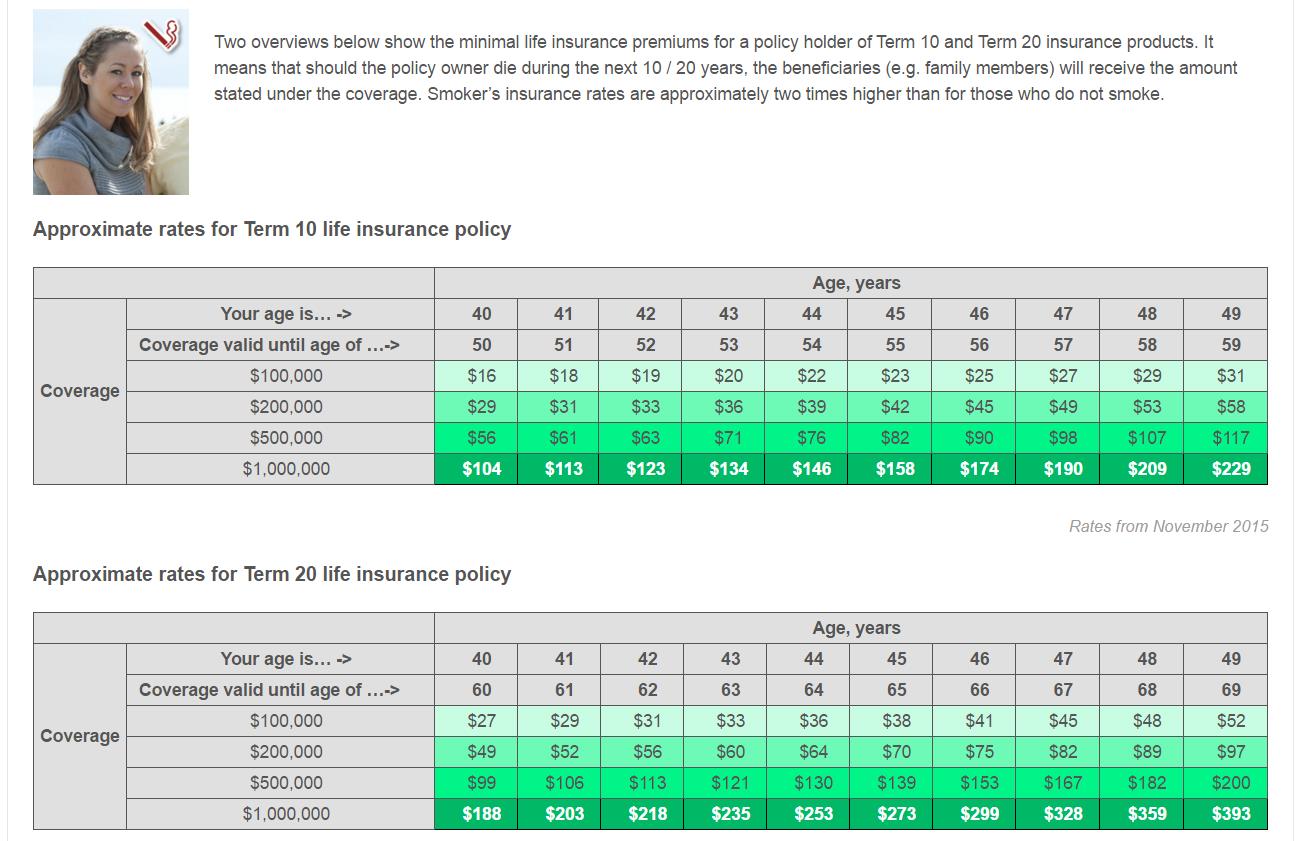
For example, if you are 40 years old and purchase a 20-year term policy, the coverage will expire when you reach age 60. Once this date passes, the death benefit terminates, and the policy ceases to provide coverage unless it has been renewed or converted into a permanent product. It is critical to distinguish between the expiration of the term and the expiration of the policy’s insurability. Most term policies, including those issued by AIG, do not simply vanish without options; they move into a "post-level period" where premiums often increase exponentially annually, or they expire entirely.
Assessing Your Policy’s End Date
To identify the exact expiration age of your specific AIG (Corebridge) policy, you must refer to your Policy Specifications Page, typically located in the first few pages of your original policy document. This page outlines the "Term Period" and the "Expiry Date."
Because life insurance is a legal contract, the details are codified in these documents. If you have misplaced your hard copy, you can retrieve this information by logging into the official policyholder portal managed by Corebridge Financial. It is a common misconception that coverage automatically ends at a specific retirement age, such as 65 or 70. While many people choose term lengths that align with these milestones, the policy language governs the actual termination date. If your goal was to cover a mortgage or dependent care until a specific age, you must verify that the term duration you selected matches that timeline.
Conversion: Extending Coverage Beyond the Expiration Age
A defining feature of many AIG-affiliated term life policies is the "Conversion Privilege." This allows policyholders to convert their term policy into a permanent life insurance policy—such as universal life or whole life—without needing to provide new evidence of insurability. This is a vital tool for those whose health may have declined since their initial policy was issued.
The conversion window is usually time-bound. It is not available until the final day of your term; rather, it typically expires either at the end of the level premium period or at a specific age (often age 70, 75, or 80, depending on the specific product version). Understanding this age limit is as important as understanding the expiration of the term itself. If you wait until your term policy is about to expire, you may lose the right to convert, potentially leaving you without coverage if you are no longer medically eligible for a new policy.
Financial Impacts of Reaching Expiration
Reaching the expiration age of your AIG term life policy marks a significant shift in your financial planning. At this stage, you face three primary outcomes:
- Natural Expiration: The coverage ends. If your children are grown, your mortgage is paid off, and your retirement savings are robust, you may decide you no longer need life insurance.
- Renewal: Many policies allow for annual renewal after the term ends. However, this is rarely recommended for long-term planning because premiums are recalculated based on your current, older age and can become prohibitively expensive.
- Conversion: This allows you to maintain coverage. While permanent insurance premiums are higher than term premiums, it provides lifelong protection and often includes a cash value component.
Factors Influencing Term Duration Selection
When choosing or evaluating a term life policy, the expiration age should be mapped to your specific liabilities. Financial advisors often suggest a "needs-based" approach rather than selecting a term based on the lowest premium alone.
| Financial Milestone | Potential Term Length | Rationale |
|---|---|---|
| Mortgage Debt | 15–20 Years | Covers the primary period of high debt obligation. |
| Child Dependents | 20–25 Years | Covers years until children finish university. |
| Income Replacement | 20–30 Years | Ensures spouse is supported during peak earning years. |
| Business Buy-Sell | 10–20 Years | Aligns with business transition or retirement planning. |
Common Mistakes Regarding Term Expiration
One of the most frequent errors policyholders make is assuming that the "Term" length is a suggestion rather than a rigid contractual boundary. If you outlive your term, the insurance company has fulfilled its obligation. Another mistake is ignoring the conversion deadline. Many people assume they can simply "buy more" if they reach the end of their term, failing to realize that a new medical exam may be required. Given that health status often changes with age, qualifying for a new policy at 60 or 70 can be significantly more expensive—or impossible—compared to utilizing a conversion option on an existing policy.
Furthermore, policyholders often forget to update beneficiaries or review their policy status. If you are approaching the expiration age and your financial needs have changed, you should consult with a licensed insurance professional to perform a "policy audit." This audit can determine if you need to convert your policy, buy a supplemental policy, or if you can safely allow the term to lapse.
Operational Limitations and Regulatory Context
Life insurance policies are regulated at the state level in the United States. This means that while AIG/Corebridge policies share standardized features, specific language regarding expiration and conversion may vary slightly based on the state in which the policy was issued. Always reference your state-specific policy provisions.
Additionally, if you are paying your premiums through an automatic bank draft or payroll deduction, ensure that the payments are reaching the correct entity, especially given the transition of AIG’s life insurance business to Corebridge Financial. Misdirected premiums can cause a policy to lapse before its actual expiration age, resulting in a loss of coverage due to administrative error rather than the expiration of the term.
Frequently Asked Questions
Does AIG offer term life insurance for life? No, term life insurance is specifically designed to provide coverage for a set number of years. It is not permanent insurance. If you want coverage for your entire life, you must look into permanent products like universal or whole life insurance, often accessible via the conversion features of a term policy.
What happens if I outlive my AIG term policy? Once the term ends, the coverage terminates. You will no longer pay premiums, and your beneficiaries will no longer be entitled to a death benefit. If you require continued coverage, you must have taken steps to convert to a permanent policy before the conversion deadline, or apply for a new policy at current market rates.
Can I extend my AIG term policy if I am nearing the expiration age? Generally, you cannot simply "extend" a term policy. You can either convert it into a permanent policy (if your contract allows it) or apply for a new, separate policy. Extending an existing term contract beyond its original end date is not a standard feature in life insurance products.
Is there a maximum age for AIG term insurance applications? Yes. AIG and other insurers impose maximum age limits for applying for new term policies (often up to age 75 or 80, depending on the product). This is separate from the expiration age of a policy you already own.
How do I find my policy's conversion deadline? This date is explicitly stated in your policy contract under the section titled "Conversion Privilege" or "Conversion Option." If you cannot find the document, contact the Corebridge Financial customer service department directly with your policy number to request a formal summary of your benefits and options.
Next Steps for Policyholders
If you are currently holding an AIG term life insurance policy, your first step should be to locate your policy document and identify both the term expiration date and the conversion privilege deadline. Mark these dates on your personal calendar, preferably five years before they occur.
If your policy is approaching its expiration and you still have a need for life insurance, contact your insurance agent or the company's service department to discuss the specific conversion options available to you. Do not wait until the final months of your term, as administrative processing and health assessments can take time, and missing the conversion window is an irreversible error.