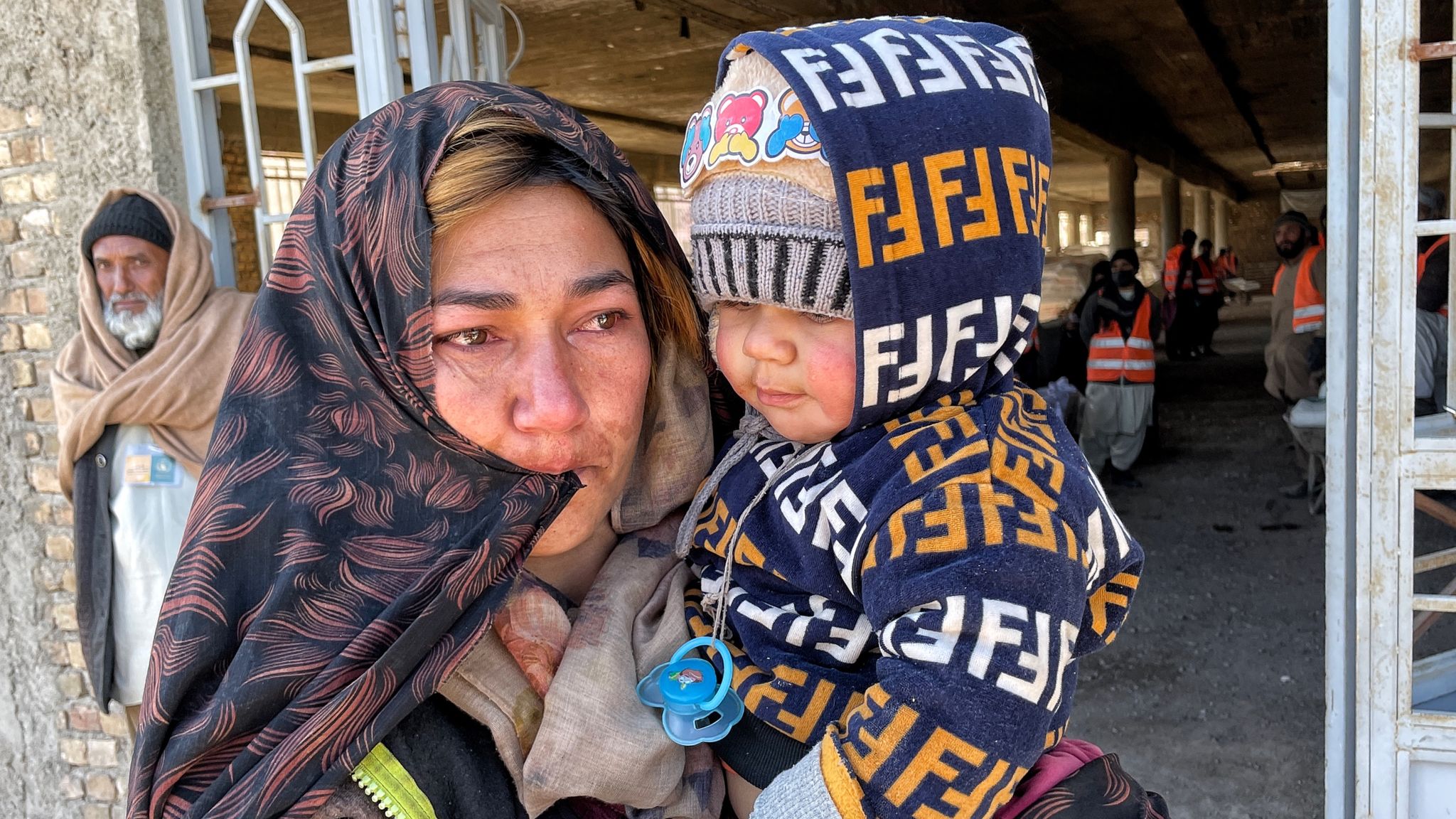
The Afghanistan humanitarian crisis remains one of the world’s most acute, defined by widespread food insecurity, the collapse of essential public services, and significant restrictions on the rights of women and girls. As of 2026, the international community continues to grapple with the challenge of delivering life-saving aid while navigating a complex geopolitical landscape and the prevailing governance structure.
The Scope of the Humanitarian Emergency
The humanitarian situation in Afghanistan is characterized by systemic fragility. Following the political transition of August 2021, the nation experienced a sharp contraction of its economy, the freezing of central bank assets held abroad, and the cessation of most direct development aid. By 2026, these factors have consolidated into a chronic crisis.
The primary driver of the crisis is economic instability. With limited access to international financial systems and high levels of unemployment, millions of Afghan households are unable to afford basic caloric requirements. The impact is exacerbated by climate change, which has led to persistent, severe drought conditions across several provinces, decimating subsistence agriculture and livestock-dependent livelihoods.
Public health infrastructure, previously reliant on foreign funding, remains under-resourced. Although basic health service delivery has been maintained through various humanitarian "off-budget" mechanisms, the quality and accessibility of care, particularly for women and children, remain suboptimal. The restriction of female participation in the public sphere, including bans on education beyond primary school and limits on NGO employment, has created profound barriers to effective humanitarian outreach.
Current Drivers of Vulnerability
Several interconnected factors sustain the current crisis. Understanding these is essential for both policy analysts and humanitarian practitioners:
- Economic Contraction: The loss of liquidity in the banking sector and the ongoing devaluation of the Afghani have rendered imported food and fuel prohibitively expensive for the average citizen.
- Climate Fragility: Afghanistan is disproportionately affected by extreme weather. Recurrent droughts, seasonal flooding, and soil degradation have crippled the rural economy, which historically supported nearly 80% of the population.
- Gender-Based Restrictions: The exclusion of women from most formal employment sectors and secondary and tertiary education has not only limited economic potential but also hindered the ability of international organizations to reach women-headed households, who are statistically the most vulnerable.
- Infrastructure Decay: Years of conflict and lack of maintenance have left the country’s energy and water infrastructure in a state of disrepair, making it difficult for communities to sustain basic sanitation or agricultural activity.
The Mechanism of International Aid
Since late 2021, the international community has shifted toward an "aid-only" model, primarily delivered through the United Nations and various international non-governmental organizations (INGOs). This approach focuses on life-saving assistance—food, medicine, water, and shelter—rather than long-term systemic development.
Modalities of Assistance
The delivery of aid is governed by the humanitarian-development-peace nexus, though, in practice, the peace and development aspects are constrained. Assistance is typically funneled through:
- Direct Humanitarian Relief: Provided via the UN Flash Appeal, which coordinates the efforts of various agencies to address immediate survival needs.
- Trust Funds: Mechanisms like the Afghanistan Reconstruction Trust Fund (ARTF) have been repurposed to channel funds through UN agencies and NGOs, bypassing the de facto authorities to ensure service continuity in health, nutrition, and education.
- Cross-Border and Regional Support: Neighboring countries provide varying levels of support, though this is often focused on border management and the containment of refugee flows rather than internal humanitarian development.
Challenges in Aid Delivery and Oversight
Operating in Afghanistan in 2026 presents unique technical and logistical challenges. International aid organizations must navigate a restrictive environment where transparency, reporting, and the ability to employ female staff members are often at odds with the demands of local oversight authorities.
Compliance with sanctions is another critical layer. Despite the existence of humanitarian exemptions within international sanction regimes, banks and private sector partners remain extremely cautious, fearing inadvertent non-compliance. This "de-risking" behavior by financial institutions makes it difficult to move funds into the country, causing delays in salary payments for medical staff and the procurement of bulk supplies.
Comparative Summary of Humanitarian Needs and Responses
| Sector | Primary Need | Main Constraint | 2026 Implementation Focus |
|---|---|---|---|
| Food Security | Emergency food aid & cash transfers | Market instability & inflation | Scaling up sustainable agricultural inputs |
| Healthcare | Basic medical supplies & primary care | Lack of female health workers | Strengthening community-based clinics |
| Education | Access for all, including girls | Institutional policy bans | Investing in home-based learning initiatives |
| WASH | Clean water & sanitation | Climate-related water scarcity | Rehabilitating solar-powered boreholes |
Legal and Ethical Considerations for Stakeholders
For organizations, governments, and individuals looking to engage with the crisis, it is vital to distinguish between humanitarian imperative and political engagement. Most major international donors adhere to a "no-recognition, but no-abandonment" policy. This means that while they do not formally recognize the current governance, they continue to fund basic human rights-aligned activities.
Individuals or NGOs seeking to contribute should prioritize working with vetted, established international organizations that have the capacity to maintain compliance protocols. Engagement with local actors must be handled with extreme care to ensure the safety of local staff and the integrity of the aid delivery, particularly concerning the mandates regarding female personnel.
Frequently Asked Questions
Is it possible to donate money directly to individuals in Afghanistan? Direct financial support is complicated by the lack of a functional, internationally integrated banking system. Most individual remittances currently rely on the hawala system, an informal value transfer network. However, for large-scale assistance, international agencies provide more transparency and risk management.
What is the current status of the education crisis? Secondary and university-level education for women and girls remains severely restricted by current official policy. International assistance is currently focused on community-based education (CBE) programs, which operate at the local level with community support, though these are subject to shifting local directives.
How do humanitarian exemptions work with international sanctions? Sanctions regimes, including those from the UN and various Western governments, include specific humanitarian carve-outs. These legal provisions are designed to ensure that aid organizations can operate without fear of prosecution, provided they focus strictly on humanitarian activities and maintain rigorous monitoring to prevent the diversion of funds.
What is the most effective way to help the Afghan population? The most effective way is to support established, reputable multilateral agencies (such as WFP, UNICEF, or UNHCR) or major international NGOs that have established, long-term operational tracks in the country. These organizations possess the expertise to navigate the complex compliance and logistical landscape.
How does the 2026 economic situation affect food prices? Food prices remain highly volatile, linked to the strength of the local currency and the cost of imports from neighboring nations. Because the country is heavily reliant on food imports, any fluctuation in regional transport or currency value immediately impacts household affordability, often triggering localized spikes in malnutrition.
Recommended Next Actions
For those seeking to understand or contribute to the humanitarian response, the following steps are recommended:
- Monitor Official Reporting: Utilize the situation reports (SitReps) published by the United Nations Office for the Coordination of Humanitarian Affairs (OCHA). These are the most accurate sources for data on funding gaps and regional needs.
- Verify Compliance Requirements: If you are part of an organization, ensure your compliance team is familiar with current Office of Foreign Assets Control (OFAC) and UN Security Council guidelines regarding humanitarian exemptions.
- Focus on Neutrality: When communicating about the crisis, maintain a focus on the neutrality and impartiality of humanitarian aid, as these principles are the only foundation that allows for the continued presence of aid workers on the ground.
- Prioritize Long-Term Resilience: Support programs that emphasize building local capacity, such as climate-resilient farming techniques, which provide a buffer against future environmental shocks.
The humanitarian crisis in Afghanistan is not a static event but an ongoing process of survival for millions. While the scale of the need remains daunting, the commitment of the international community to sustaining basic services provides a vital, albeit fragile, lifeline for the population.