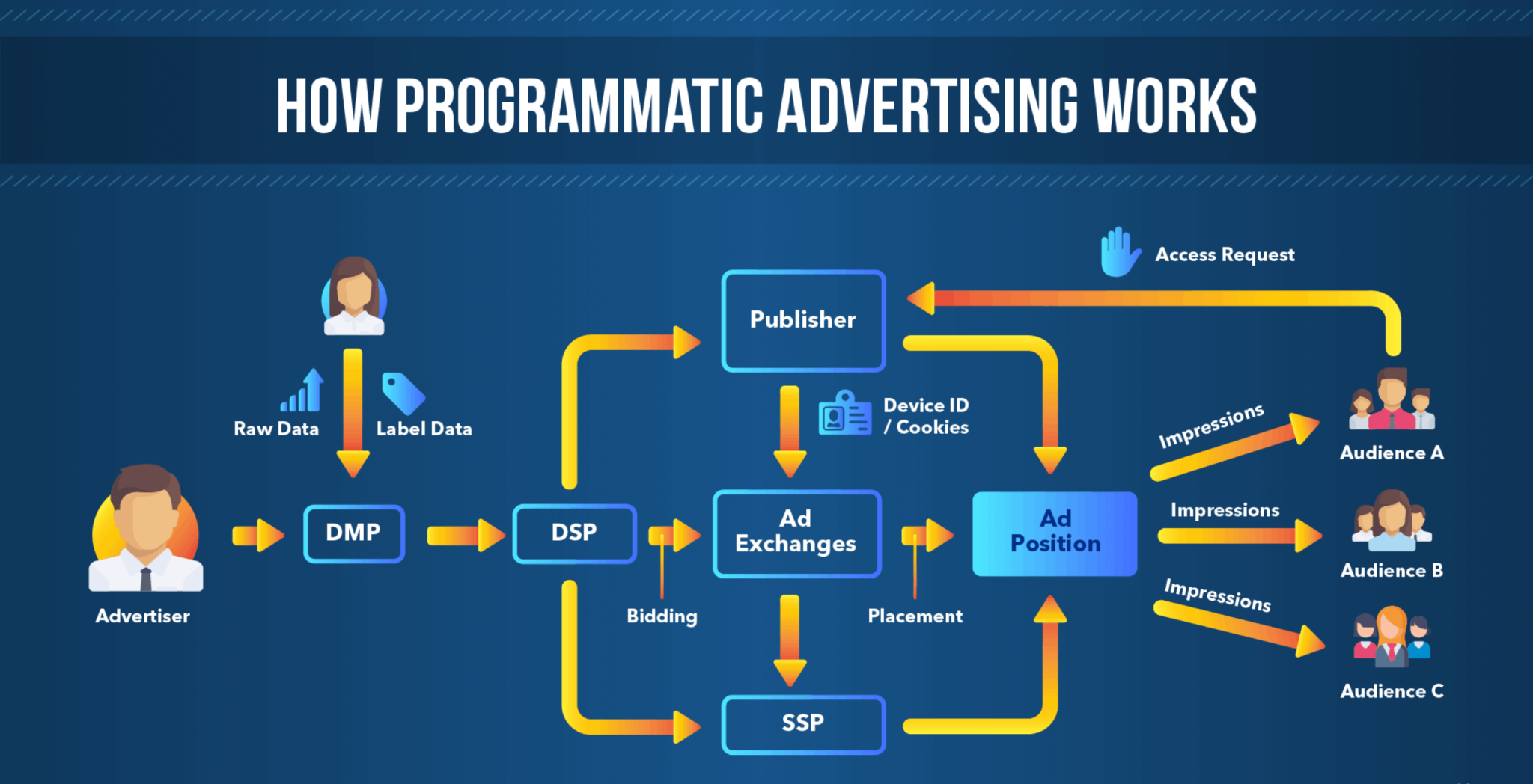
Advertising accounting is the specialized practice of tracking, recording, and analyzing the financial transactions, media spends, production costs, and client billings associated with marketing campaigns. Unlike standard retail or manufacturing accounting, it requires managing complex multi-channel media buys, third-party vendor commissions, retainers, and rigorous revenue recognition rules that align with how marketing services are delivered over time.
Understanding Advertising Accounting and Its Core Purpose
Advertising accounting bridges the gap between creative marketing operations and strict financial compliance. When agencies run campaigns or brands invest heavily in paid channels, capital flows through multiple layers: platform fees, production expenses, talent residuals, agency retainers, and media commissions. Without a structured accounting framework, organizations risk cash flow deficits, unbilled billable hours, non-compliance with accounting standards, and inaccurate profitability assessments by client or campaign.
At its core, this financial discipline ensures that every dollar spent or received is categorized accurately. This enables Chief Financial Officers (CFOs), media buyers, and account directors to answer critical questions: Which clients are actually profitable? Are media placements being billed on a gross or net basis? How should retainers be recognized across multiple months of marketing execution?
The Unique Financial Challenges of the Advertising Industry
Unlike traditional businesses that sell tangible inventory with a clear cost of goods sold (COGS), the advertising sector deals primarily with intangible services, billable time, and pass-through costs. Several structural elements make advertising accounting distinctly complex:
- Pass-Through Costs: Agencies frequently purchase media space on Facebook, Google, television networks, or out-of-home billboards on behalf of clients. Determining whether these large sums should be recorded as company revenue (gross) or purely as a pass-through reimbursement (net) is a foundational accounting decision.
- Volatile Cash Flow Cycles: Clients often operate on 30-day, 60-day, or even 90-day payment terms, yet platforms like digital ad networks require upfront payments or credit card settlements weekly. This temporal mismatch puts immense strain on working capital.
- Project-Based vs. Retainer Models: Revenue streams fluctuate between fixed monthly retainers, hourly billing, value-based pricing, and project-based milestones. Tracking time accurately against project scopes is vital to prevent budget overruns.
- Third-Party Vendors and Talent: Production shoots involve a web of subcontractors, directors, voiceover artists, and licensing fees governed by strict union rules (such as SAG-AFTRA) and intricate royalty structures.
Key Accounting Principles and Revenue Recognition Standards
Navigating advertising accounting requires strict adherence to institutional accounting frameworks, primarily the Generally Accepted Accounting Principles (GAAP) in the United States or International Financial Reporting Standards (IFRS) globally. The introduction of ASC 606 (Revenue from Contracts with Customers) fundamentally changed how marketing agencies and media companies recognize revenue.
Revenue Recognition Under ASC 606
Under ASC 606, revenue must be recognized to depict the transfer of promised goods or services to customers in an amount that reflects the consideration to which the entity expects to be entitled. For advertising professionals, this means you cannot simply record an entire annual retainer as revenue the day the contract is signed or the client pays the invoice.
Instead, revenue must be recognized over time as the marketing services are performed. If an agency agrees to manage a brand's social media channels for twelve months, the retainer must be amortized evenly (or based on an output/input measure of progress) across those twelve months.
Gross vs. Net Reporting of Media Spend
One of the most heavily scrutinized areas in advertising finance is how media billings are presented on the income statement.
- Gross Reporting: The agency acts as a principal in the transaction. The agency is primarily responsible for fulfilling the advertising service, has discretion in establishing pricing, and bears credit risk if the client fails to pay. In this scenario, total media billings are recorded as revenue, and the cost paid to the media publisher is recorded as cost of goods sold.
- Net Reporting: The agency acts as an agent. Its role is simply to arrange for the media provider to supply the services. In this case, only the commission, fee, or markup retained by the agency is recorded as revenue.
Misclassifying gross and net revenue can artificially inflate top-line revenue figures, creating regulatory risks and misleading investors or tax authorities.
Accounting Methods: Cash vs. Accrual in Advertising
Choosing the right accounting method dictates how financial health is perceived and reported. While smaller creative freelance operations often utilize cash-basis accounting, established advertising agencies and corporate marketing departments must rely on accrual-basis accounting to maintain compliance and financial clarity.
| Accounting Method | How It Works | Advantages for Advertising | Disadvantages for Advertising |
|---|---|---|---|
| Cash-Basis Accounting | Revenues are recorded when cash is received; expenses are recorded when cash is paid. | Simple to maintain; taxes are only paid on cash actually collected. | Fails to match income with related expenses; unacceptable under GAAP for larger entities; hides unpaid liabilities. |
| Accrual-Basis Accounting | Revenues are recorded when earned (services delivered); expenses are recorded when incurred. | Provides a true picture of profitability; required by ASC 606; essential for tracking long-term campaigns. | Complex to manage; requires robust accounts receivable and payable tracking; taxes may be due before client payment arrives. |
Accrual accounting is indispensable when dealing with multi-million dollar media campaigns where a client might approve a media plan in December, the campaign runs in January, and the invoice is settled in March. Accrual reporting ensures January's performance reflects the true cost of execution.
Managing Direct Costs, Overhead, and Agency Profitability
Profitability in advertising is notoriously thin if time and resources are mismanaged. Financial controllers must isolate direct campaign expenses from general administrative overhead to evaluate the viability of each client account.
Direct Costs (Billable Expenses)
Direct costs are expenses tied directly to the production and delivery of a specific client's campaign. These include:
- Third-party software licenses purchased explicitly for a client project.
- Paid media placement costs (when handled via agency liability).
- Freelance copywriters, designers, and developer fees.
- Production studio rentals and equipment leases.
Indirect Costs (Overhead)
Overhead expenses keep the agency running regardless of client rosters. These include office rent, general administrative salaries, business insurance, accounting software subscriptions, and executive leadership compensation. These costs must be allocated carefully when calculating agency-wide or client-specific profit margins.
Calculating Client Profitability
To understand if a client is truly profitable, financial managers look at Gross Margin and Agency Profitability (EBITDA per account):
$$\text{Gross Margin} = \frac{\text{Gross Income (Net Revenue)} - \text{Direct Delivery Costs}}{\text{Gross Income (Net Revenue)}} \times 100$$
Where Gross Income typically excludes pass-through media costs, reflecting the actual revenue retained by the agency for its intellectual and operational labor.
Essential Workflows for Advertising Accounting Operations
Implementing a seamless financial workflow prevents revenue leakage and keeps accounts balanced across departments.
1. Project Setup and Scoping
Every campaign begins with a formal Statement of Work (SOW). The accounting team must review the SOW to ensure billing milestones, budget caps, and out-of-scope change-order procedures are clearly defined before creative work begins.
2. Time Tracking and Resource Allocation
For agencies billing hourly or evaluating labor efficiency against fixed retainers, comprehensive time-tracking software is mandatory. Creative teams must log hours daily against specific job codes. Accounting uses this data to calculate effective hourly rates and identify over-servicing.
3. Media Buying and Reconciliation
Media accountants reconcile publisher invoices (from Google Ads, Meta Business Manager, programmatic platforms, and traditional print/TV vendors) against client media authorizations monthly. Discrepancies between estimated traffic and actual delivered impressions must be adjusted via credit memos or supplemental billing.
4. Invoicing and Accounts Receivable (AR) Management
Invoicing should follow precise milestones defined in the client contract. Because media commitments often demand immediate liquidity, aggressive AR aging management is required to prevent cash crunches caused by slow-paying enterprise clients.
Common Advertising Accounting Mistakes to Avoid
Mismanaging marketing finances can lead to failed audits, cash shortages, and strained client relationships. Avoid these frequent pitfalls:
- Treating Media Pass-Through as Revenue: Recording gross media billings as agency revenue when operating purely as an agent skews financial ratios and distorts tax liabilities.
- Failing to Track Over-Servicing: Allowing agency teams to spend 150 hours on a 100-hour retainer without billing for change orders erodes profit margins silently.
- Delaying Unearned Revenue Recognition: Dumping annual retainers into immediate revenue rather than deferred revenue (liability) violates standard accounting frameworks.
- Neglecting Subcontractor Compliance: Failing to collect W-9 forms from independent creative contractors or managing international vendor tax withholdings incorrectly exposes the firm to legal penalties.
Frequently Asked Questions About Advertising Accounting
What is the difference between gross and net media billing?
Gross billing includes the total cost of the media space purchased plus the agency's commission or markup, whereas net billing represents only the direct cost charged by the media publisher without the added agency fee. The choice of reporting affects how top-line revenue appears on financial statements.
How do advertising agencies handle client retainers under GAAP?
Retainers are typically recorded as deferred revenue (a liability) when collected. As the agency performs services or delivers marketing assets over the course of the billing period, portions of that deferred revenue are moved to earned revenue on the income statement.
Why is time tracking critical in advertising accounting?
Time tracking allows agency leadership to calculate effective hourly rates, monitor whether fixed-fee retainers are being over-serviced, and accurately allocate payroll expenses across individual client accounts to determine true net profitability.
Are advertising platform ad spends considered operating expenses?
For brands, direct ad spends on platforms like Google or Meta are operational marketing expenses. For agencies, these spends are treated as pass-through costs unless the agency acts as the principal obligor for the media purchase, in which case they may factor into gross billings and cost of goods sold.
Next Steps for Financial Optimization
To strengthen your organization’s financial infrastructure, begin by auditing your current revenue recognition practices against modern standards like ASC 606. Ensure your agency management software integrates seamlessly with your general ledger (such as QuickBooks Online, Xero, or NetSuite) to automate time tracking, media reconciliation, and invoice generation. If managing large-scale enterprise media budgets, consult a certified public accountant (CPA) specializing in media and advertising to review your gross-versus-net accounting policies and tax classifications.