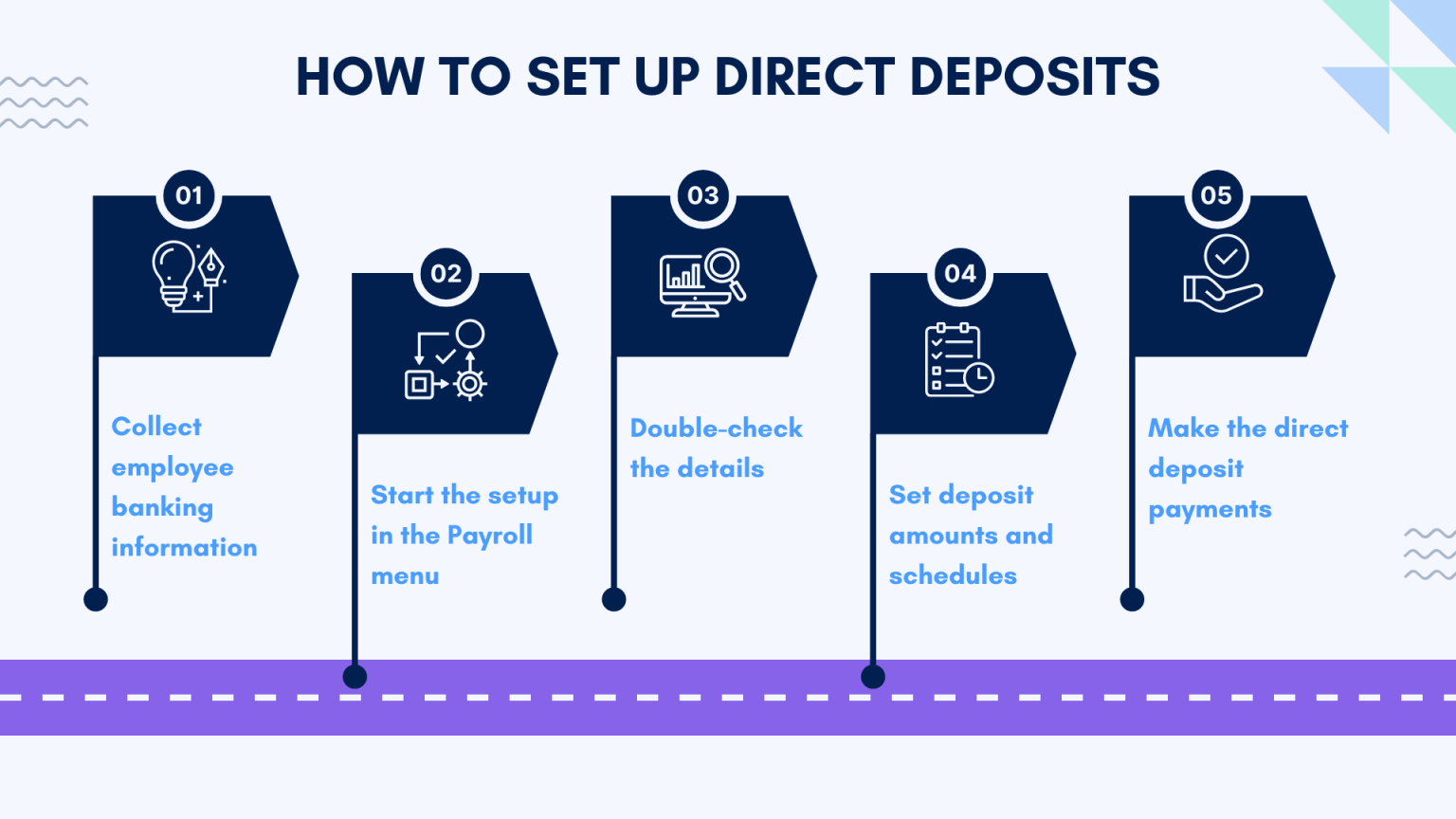
ADP direct deposits are typically available in an employee's bank account between 12:00 AM and 6:00 AM on the scheduled payday. This timing depends on the employer submitting payroll at least 48 to 72 hours in advance and the receiving bank's specific processing schedules for ACH transfers.
Navigating the nuances of payroll can be stressful, especially when financial obligations depend on the timely arrival of funds. ADP (Automatic Data Processing) is one of the world’s largest payroll providers, serving millions of workers globally. While ADP is known for its reliability, the journey of a single dollar from an employer's bank account to an employee's pocket involves several intermediaries, technical protocols, and regulatory windows. Understanding the mechanics of "ADP direct deposit time" requires looking at the roles of the employer, the payroll processor, the Automated Clearing House (ACH) network, and the individual’s financial institution.
The Standard ADP Direct Deposit Timeline
For most employees, the ADP direct deposit cycle follows a predictable 48-hour to 72-hour window. This process begins long before the actual payday. To ensure that funds arrive on a Friday, most employers must finalize and submit their payroll data through the ADP portal (such as ADP Workforce Now or RUN Powered by ADP) by Wednesday at the latest.
The 2-Day Processing Cycle
Once the employer submits the payroll, ADP initiates the transfer of funds. This is not an instantaneous movement of cash but rather a series of digital instructions sent through the ACH network.
- Submission (Day 1): The employer reviews hours, deductions, and taxes, then "submits" the payroll.
- ADP Processing (Day 1-2): ADP validates the data, calculates tax withholdings, and prepares the ACH files.
- The ACH Network (Day 2): The files are sent to the Federal Reserve or a clearinghouse, which routes the instructions to the employee’s specific bank.
- Settlement (Day 3/Payday): The funds are officially settled into the employee’s account, usually in the early morning hours.
Timing Variations by Banking Institution
While ADP sends the instructions, the final "release" of funds is controlled by the receiving bank. Some larger national banks wait until the official "effective date" (the payday) to show the funds as available. However, in 2026, many credit unions and digital-first banks (like Chime, SoFi, or Ally) offer "Early Direct Deposit." These institutions may credit the account as soon as they receive the notification from the ACH network, which can be up to two days before the actual payday.
Factors That Influence When Your Deposit Hits
Several variables can accelerate or delay the arrival of an ADP direct deposit. Understanding these factors can help employees troubleshoot missing payments or plan their budgets more effectively.
1. Employer Submission Deadlines
The most common reason for a delay in ADP direct deposit is a late submission by the employer's payroll administrator. ADP sets strict cutoff times (often 5:00 PM local time) for payroll processing. If an administrator misses the cutoff on a Wednesday for a Friday payday, the funds may not settle until the following Monday.
2. Federal and Bank Holidays
Direct deposits rely on the ACH network, which is managed by the Federal Reserve. Because the Federal Reserve is closed on federal holidays, no funds can move through the network on those days. If a payday falls on a holiday (such as Labor Day or Christmas), or if a holiday occurs during the two-day processing window, the deposit is usually pushed to the next business day—unless the employer submits payroll one day earlier to compensate.
3. The "Pre-Note" Process for New Accounts
When an employee first sets up direct deposit or changes their bank account information in the ADP portal, ADP often performs a "pre-note" (pre-notification) test. This is a zero-dollar transaction sent to the bank to verify that the routing and account numbers are valid. This verification process can take one full pay cycle. During this time, the employee might receive a physical paper check instead of a digital deposit.
4. Same-Day ACH Capabilities
As of 2026, ADP has expanded its support for "Same-Day ACH." If an employer is willing to pay a higher fee and submits the payroll early in the morning, funds can technically be deposited on the same day. However, this is typically reserved for emergency payroll corrections or specific high-urgency bonuses rather than standard weekly or bi-weekly pay cycles.
How the ACH Network Governs ADP Timing
To understand why direct deposits aren't instant, one must understand the Automated Clearing House (ACH). ADP acts as the "Originator" of the transaction. They create a batch file containing thousands of individual payment instructions.
These files are sent to an Originating Depository Financial Institution (ODFI). From there, the files go to an ACH Operator (either the Federal Reserve or The Clearing House). The ACH Operator sorts the transactions and sends them to the Receiving Depository Financial Institution (RDFI)—which is the employee’s bank.
The "Effective Entry Date" in the ACH file tells the employee's bank exactly when the money should be made available. While the bank may see the money "pending" in their system on Thursday, they are legally permitted to hold it until the "Effective Date" of Friday.
Comparing ADP Processing Scenarios
The following table outlines how different variables affect the arrival time of funds for a standard Friday payday.
| Scenario | Employer Action Date | Estimated Fund Availability | Reliability |
|---|---|---|---|
| Standard Processing | Wednesday (by 5 PM) | Friday (12 AM - 6 AM) | High |
| Early Submission | Tuesday (by 5 PM) | Thursday (with Early Pay banks) | High |
| Late Submission | Thursday morning | Monday morning | Low |
| Holiday Week | Tuesday (by 5 PM) | Friday (Standard) | Medium |
| New Account Setup | Wednesday | Paper Check (1st cycle) | Variable |
Troubleshooting a Delayed ADP Direct Deposit
If it is past 9:00 AM on payday and the funds have not appeared in your account, there are specific steps you should take to identify the bottleneck.
Verify the Pay Statement in ADP Mobile/Portal
Log into the ADP iAccess or ADP Mobile Solutions app. Check if a pay statement has been generated for the current period. If there is no statement, the employer likely has not finalized payroll. If the statement is there, check the "Net Pay" distribution section. Ensure the last four digits of the bank account and the routing number are correct.
Distinguish Between "Pending" and "Available"
Sometimes a bank will show a transaction as "pending," meaning they have received the instruction but have not yet cleared the funds for withdrawal. This is common with traditional brick-and-mortar banks. If the deposit is pending, ADP has done its job, and the delay is purely a matter of bank policy.
Contact Your Payroll Department
ADP cannot speak directly to employees about specific payroll timing due to security protocols; they only provide support to the employer's designated administrators. If your bank confirms no incoming ACH is detected, your company's HR or payroll department is the only entity that can check the "Transmission History" in the ADP backend to see if the file was rejected or delayed.
The Role of Wisely by ADP
In recent years, ADP has heavily promoted its own financial product: the Wisely by ADP card. For employees who do not have a traditional bank account or those who want faster access to their money, Wisely can be a game-changer.
Because Wisely is an internal ADP product, the "communication" between the payroll engine and the card is often faster than external ACH transfers. Users of Wisely often see their funds appear up to two days early, and in many cases, the funds hit the card as soon as the employer clicks "approve" on the payroll run, bypassing the standard ACH settlement window entirely.
Common Myths About ADP Timing
There are several misconceptions regarding how ADP handles money that can lead to unnecessary frustration.
- Myth: ADP "holds" the money to earn interest. In reality, ADP is a processor. The funds are usually moved from the employer's bank to a settlement account and then immediately dispersed. Regulatory bodies like NACHA (National Apparent Clearing House Association) have strict rules against unauthorized "float."
- Myth: Deposits happen at the same time for everyone at a company. While ADP sends the batch at once, individual banks process them at different speeds. Two employees working at the same desk might see their pay arrive three hours apart because one uses a local credit union and the other uses a national megabank.
- Myth: Direct deposit is faster if you live in the same state as the headquarters. Physical location has no impact on digital ACH speeds in 2026. The electronic signals move at the speed of the network, regardless of geography.
Frequently Asked Questions
Why is my ADP direct deposit pending but not available?
A "pending" status means your bank has received the notification of the incoming transfer from the ACH network but has not yet reached the "effective date" set by the sender (ADP). Most banks release these funds on the morning of the effective date, but some may hold them until the end of the business day depending on their internal liquidity policies.
Does ADP deposit on weekends?
No, ADP does not process or settle direct deposits on Saturdays or Sundays because the Federal Reserve ACH system is closed. If your payday falls on a weekend, your employer will typically configure ADP to pay you on the Friday before or the Monday after. Most employers choose Friday to ensure employees are paid before the weekend.
Can I track my ADP direct deposit?
You cannot track a direct deposit like a package, but you can monitor its progress through the ADP Mobile Solutions app. Once your "Pay Statement" is available in the app (usually 24-48 hours before payday), it confirms that ADP has processed the transaction. The final step is simply the bank's internal processing.
What is the ADP direct deposit cutoff time?
For a standard two-day turnaround, the cutoff is usually 5:00 PM ET, two business days before the payday. For example, if you are paid on Friday, your employer must submit the data by Wednesday at 5:00 PM ET. Submissions after this time may result in a one-day delay.
Why was my first ADP check a paper check?
This usually happens because of the "pre-note" verification process. ADP sends a test transaction to your bank to ensure the account is active. During this window (which can take 7 to 10 days), ADP defaults to a paper check to ensure you still get paid even if the bank information provided was incorrect.
Final Recommendation for Employees
To ensure the most consistent ADP direct deposit timing, employees should double-check their banking information during the initial setup and avoid making changes to their direct deposit settings within 72 hours of a payday. If early access to funds is a priority, consider using a bank that supports "Early Direct Deposit" or signing up for a Wisely by ADP card, both of which can provide access to your earnings up to 48 hours ahead of the traditional Friday morning window. Always keep a small buffer in your account for the first pay cycle of a new job, as the transition to electronic deposit often involves a one-time paper check.