Active volcanoes represent the most dynamic geological features on Earth, defined as vents or fissures that have erupted within the Holocene epoch (the last 11,700 years) or demonstrate ongoing activity. These geological systems serve as critical windows into the planet's mantle and tectonic processes, requiring continuous observation by agencies like the United States Geological Survey (USGS) and the Global Volcanism Program to manage hazards and understand Earth's internal energy dissipation.
Defining an Active Volcano
In geology, the classification of a volcano as "active" does not strictly mean it is currently erupting. Instead, it refers to the potential for future activity. A volcano is considered active if it has erupted within the last 10,000 years, shows significant seismicity, or displays elevated thermal signatures and gas emissions. This distinction is vital for safety, as many dormant or "sleeping" volcanoes can reawaken with little warning.
Volcanologists utilize three primary indicators to track the status of an active volcano:
- Seismic Activity: The movement of magma and gases through the crust causes tremors and earthquakes, which are the most common early warning signs.
- Deformation: As magma accumulates in subterranean reservoirs, it exerts pressure on the overlying rock, causing the surface of the volcano to swell or tilt.
- Gas Emissions: Changes in the composition of released gases, such as increased levels of sulfur dioxide ($SO_2$) or carbon dioxide ($CO_2$), often indicate that magma is rising closer to the surface.
Notable Examples of Active Volcanoes
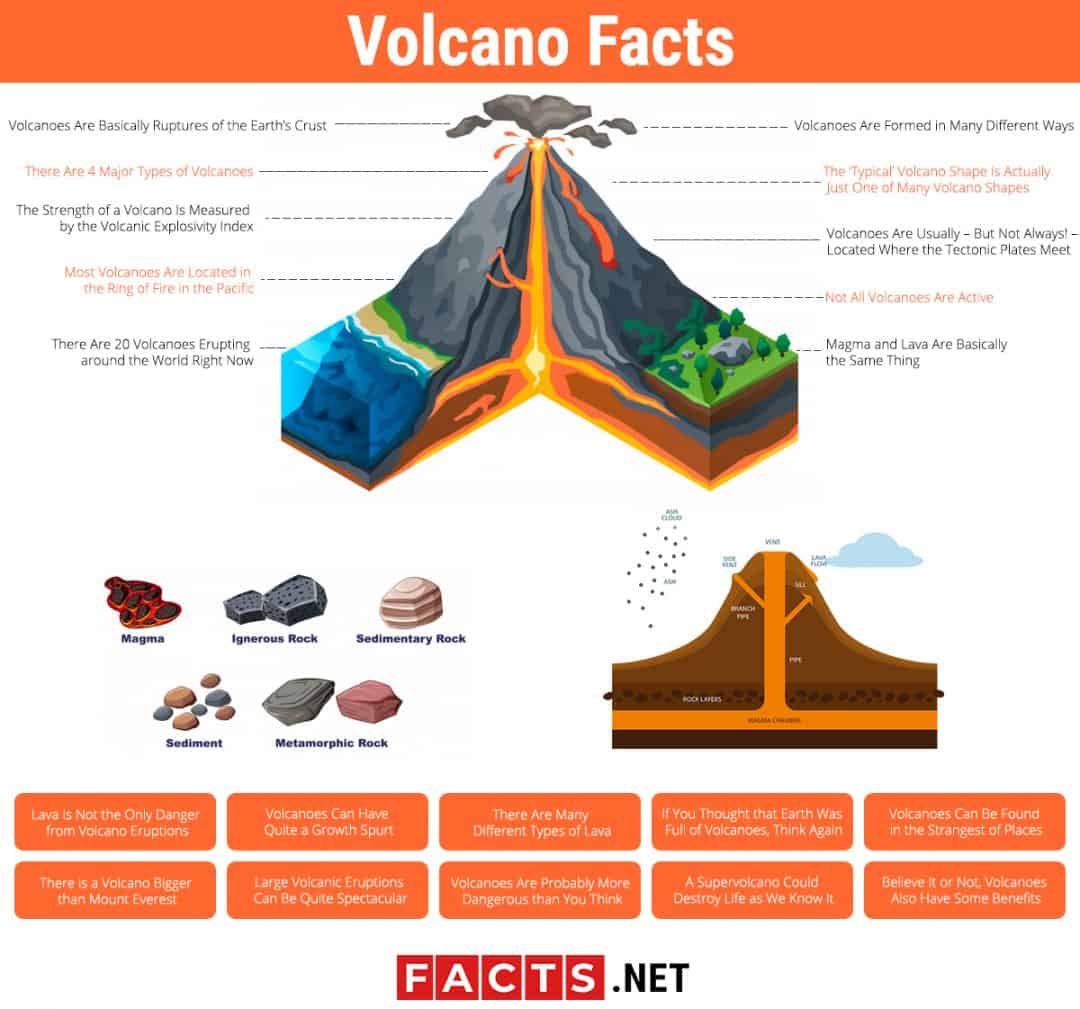
The distribution of active volcanoes is largely controlled by plate tectonics, specifically along convergent plate boundaries where subduction occurs, and at divergent boundaries like the Mid-Atlantic Ridge. Below are several prominent examples that illustrate the variety of volcanic behaviors.
Kīlauea (United States, Hawaii)
Kīlauea is one of the world's most active shield volcanoes. Located on the island of Hawaiʻi, it is known for its frequent, often effusive, basaltic lava flows. Unlike the explosive stratovolcanoes found in the Pacific "Ring of Fire," Kīlauea’s eruptions are characterized by relatively low-viscosity lava that travels long distances, constantly reshaping the landscape and expanding the island’s southern coastline.
Mount Etna (Italy, Sicily)
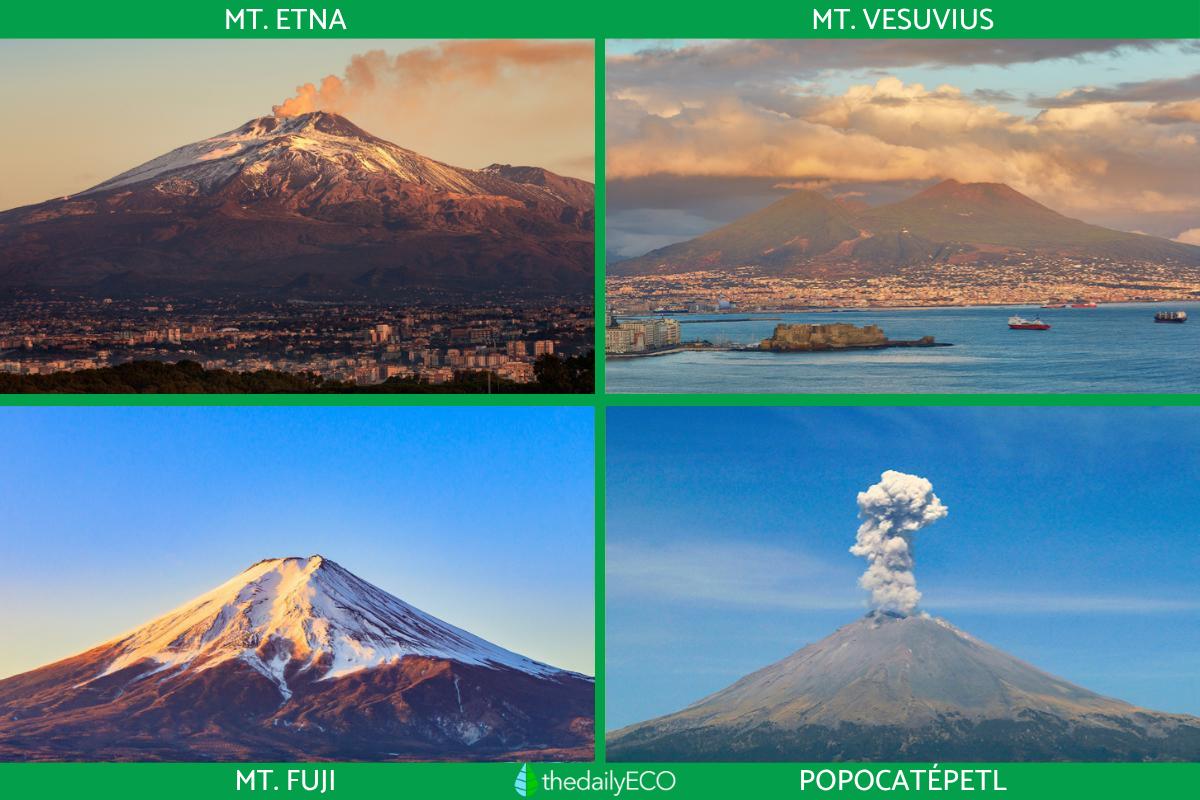
Mount Etna is Europe's highest and most active stratovolcano. Its activity is characterized by a mix of persistent summit activity and periodic flank eruptions. Because it is located near populated areas, Mount Etna is one of the most studied volcanoes globally. Its complex plumbing system and varied eruption styles provide researchers with essential data regarding the hazards of persistent, long-term volcanic activity.
Merapi (Indonesia)
Situated on the island of Java, Merapi is widely considered the most active volcano in Indonesia. It is a classic example of a high-risk stratovolcano. Its eruptions are often highly explosive, frequently producing pyroclastic flows—fast-moving currents of hot gas and volcanic matter that can reach speeds of hundreds of kilometers per hour. The proximity of large human settlements makes Merapi a primary focus for international disaster mitigation efforts.
Eyjafjallajökull (Iceland)
Though not permanently active, the 2010 eruption of Eyjafjallajökull serves as a critical case study for the global impact of volcanic ash. The interaction between the erupting magma and the glacier covering the mountain created highly fragmented, fine-grained ash. This ash plume caused unprecedented disruption to European air traffic, demonstrating how localized volcanic events can create cascading economic impacts on a global scale.
Comparison of Volcanic Types and Hazards
| Volcano Name | Type | Primary Hazard | Current Status (2026) |
|---|---|---|---|
| Kīlauea | Shield | Lava flows | Active; ongoing monitoring |
| Mount Etna | Stratovolcano | Ash, lava, tephra | Persistent summit activity |
| Merapi | Stratovolcano | Pyroclastic flows | Highly active |
| Eyjafjallajökull | Stratovolcano | Ash plumes | Dormant/Monitored |
| Stromboli | Stratovolcano | Explosive bursts | Continuously active |
The Science of Monitoring and Risk Assessment
Monitoring an active volcano is a multidisciplinary effort that combines satellite remote sensing, ground-based GPS stations, and geochemical analysis. In 2026, the integration of real-time satellite interferometry (InSAR) allows scientists to detect surface deformation with millimeter-level precision. This data is essential for creating hazard maps, which are the primary tools used by local governments to implement zoning laws and evacuation plans.
One of the greatest challenges in monitoring is distinguishing between a minor increase in seismic activity—often referred to as a "swarm"—and the precursor to a major eruption. Many volcanoes exhibit "unrest" for years without erupting. Consequently, authorities must balance the need to warn the public with the socioeconomic disruption caused by false alarms.
Human Interaction and Volcanic Hazards
Living in the vicinity of an active volcano involves inherent risks that require specific mitigation strategies. The primary hazards include:
- Pyroclastic Flows: The most lethal volcanic hazard. They are fast-moving, superheated clouds of ash and gas that destroy everything in their path.
- Lahars: Volcanic mudflows occurring when heat melts ice and snow on the mountain, or when heavy rain interacts with volcanic ash deposits.
- Tephra/Ash Fall: Fine rock fragments that can collapse roofs, damage aviation engines, and contaminate water supplies.
- Volcanic Gases: Prolonged exposure to volcanic fumes can lead to respiratory issues and acid rain, which negatively impacts agriculture.
Frequently Asked Questions
1. What is the difference between an active, dormant, and extinct volcano? An active volcano has erupted recently and is expected to do so again. A dormant volcano has not erupted for a significant period but is still considered capable of future activity. An extinct volcano is one that scientists consider unlikely to erupt again because its magma supply has been severed.
2. Can scientists predict when an active volcano will erupt? While scientists cannot predict the exact time and date of an eruption, they can forecast periods of heightened risk. By monitoring seismic data, gas chemistry, and ground deformation, volcanologists provide early warnings that allow authorities to restrict access to hazardous zones before an eruption occurs.
3. Are there active volcanoes in the ocean? Yes, most of Earth's volcanic activity occurs underwater at mid-ocean ridges. These submarine volcanoes create new oceanic crust as tectonic plates pull apart. While they rarely pose a direct threat to human populations, they are essential to the planet's geothermal balance.
4. What should you do if you live near an active volcano? Residents should familiarize themselves with local emergency evacuation routes, maintain an emergency kit containing N95-rated respirators (to filter ash), and stay updated through official government geological survey bulletins. Always adhere to exclusion zones established by local authorities.
5. How does global warming affect volcanic activity? While there is no evidence that climate change triggers volcanic eruptions, the melting of glaciers—due to higher global temperatures—can decrease the overburden pressure on volcanic systems. Some studies suggest this might lead to subtle changes in volcanic behavior, though this remains an active area of research in geophysics.
Final Guidance for Monitoring
For those tracking the status of active volcanoes, it is recommended to utilize official resources rather than third-party news aggregators. In the United States, the USGS Volcano Hazards Program provides the most reliable data. For global events, the Smithsonian Institution’s Global Volcanism Program offers comprehensive reports on ongoing eruptions. Engaging with these databases provides the most accurate information regarding the current status and potential threats of active volcanic systems worldwide.