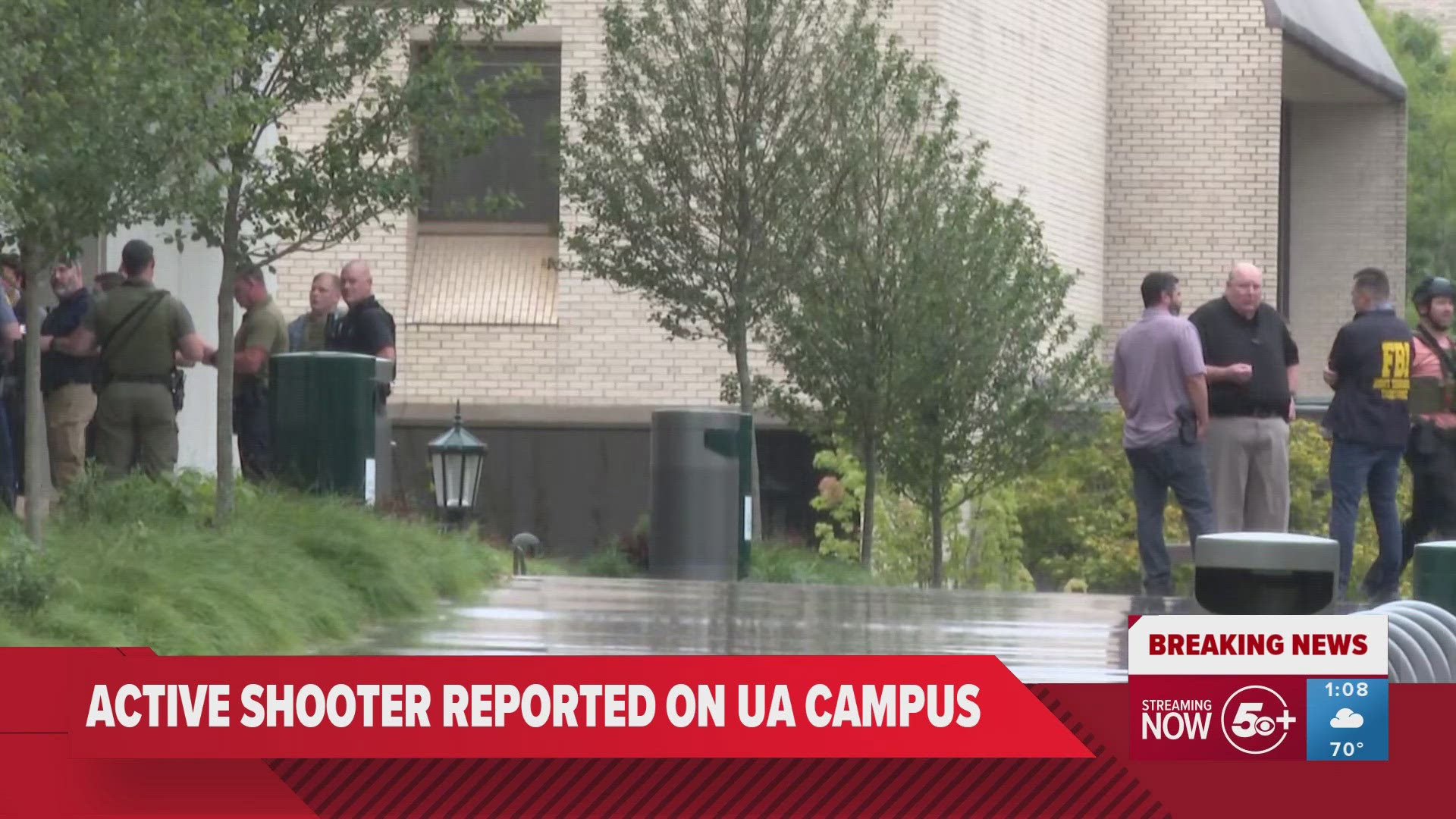
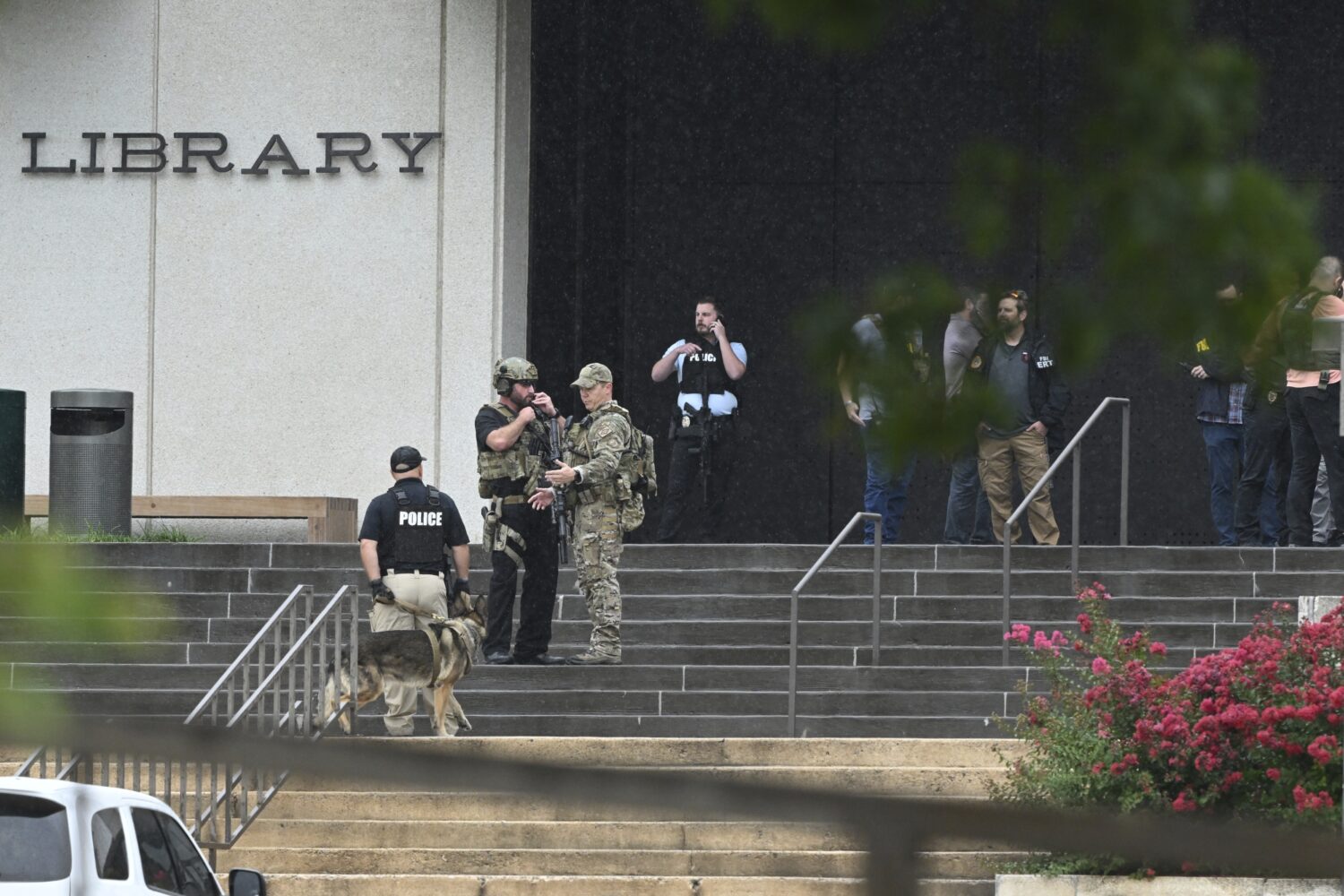
There are currently no reports of an active shooter incident at the University of Arkansas today, in 2026. In the event of a potential security threat, the university utilizes the "Razorback Alert" system to disseminate time-sensitive information, safety instructions, and status updates directly to students, faculty, and staff via text, email, and campus-wide notifications.
The Role of Campus Safety and Preparedness
The University of Arkansas (UARK) operates under a comprehensive emergency management framework designed to mitigate risks and respond to critical incidents, including potential active shooter scenarios. Preparedness is not merely a reactive measure but a continuous operational requirement that involves the University of Arkansas Police Department (UAPD), administrative leadership, and the student body.
In an academic environment, the primary goal of safety protocols is to provide clear, actionable guidance during moments of crisis. By maintaining robust communication channels and conducting regular drills, the institution ensures that individuals on the Fayetteville campus know how to navigate high-stress situations. Understanding these systems before a crisis occurs is the most effective way to ensure personal safety.
How to Verify Campus Status
When concerns arise regarding campus security, verifying information through official channels is critical to preventing the spread of misinformation. Social media and secondary news outlets can often circulate unverified rumors that cause unnecessary panic.
Official Communication Channels
The following sources are the only primary conduits for verified information regarding the status of the University of Arkansas campus:
- Razorback Alert System: This is the primary emergency notification service. Students and employees are automatically enrolled using their official university email addresses, but they are strongly encouraged to register personal mobile numbers through the university portal to ensure receipt of SMS alerts.
- Official UARK Website: During a major incident, the university typically deploys a landing page or banners on the main website to provide updates that are accessible to the public and the media.
- UAPD Social Media: The University of Arkansas Police Department maintains official accounts where they provide real-time updates regarding campus safety.
- Local Law Enforcement Updates: In significant incidents, the Fayetteville Police Department works in coordination with UAPD to manage the scene and provide public information.
Active Shooter Protocol: Run, Hide, Fight
The university follows the standardized "Run, Hide, Fight" protocol, which is widely adopted by law enforcement agencies across the United States. Recognizing and acting upon these steps quickly can significantly increase the chances of survival during an active shooter event.
1. Run (Evacuate)
If it is possible to escape the area safely, do so immediately. Leave belongings behind and do not attempt to move wounded individuals. Once at a safe distance, call 911 or UAPD to provide details such as the number of shooters, their physical description, and the location of the threat.
2. Hide (Barricade)
If evacuation is not an option, find a place to hide. This space should be out of the shooter's view and provide protection if shots are fired in your direction. Lock the door, barricade it with heavy furniture, and silence all electronic devices—including the vibration setting—to avoid detection. Turn off lights and stay low to the ground.
3. Fight (Defend)
This is an absolute last resort, to be used only when your life is in imminent danger. If you cannot run or hide, attempt to disrupt or incapacitate the shooter. This may involve acting as aggressively as possible, throwing items at the individual, or using improvised weapons. Commit to your actions, as hesitation can be fatal in such circumstances.
Emergency Response Comparison
The following table outlines the differences between standard campus alerts and emergency lockdown procedures.
| Alert Type | Purpose | Method of Distribution |
|---|---|---|
| Razorback Alert | Immediate threat to life or safety | SMS, Email, Phone, Campus Web Banner |
| Weather Warning | Severe weather / Tornado threat | Outdoor Sirens, SMS, Email |
| Campus Advisory | Non-immediate, general safety news | Email, Campus News Portal |
| Drill / Test | Training and system verification | Pre-announced emails and testing signals |
Training and Educational Initiatives
Beyond reacting to incidents, the University of Arkansas invests in proactive safety training. The UAPD offers active shooter response training sessions for departments, student organizations, and academic units. These sessions cover situational awareness, the importance of reporting suspicious activity, and the physiological response to trauma.
Students are encouraged to participate in these sessions to familiarize themselves with the layout of their specific buildings. Knowing the locations of emergency exits, blue-light emergency phones, and secure areas within residence halls and academic buildings is a fundamental aspect of campus security.
Common Misconceptions Regarding Campus Security
A common point of confusion during rumored incidents is the belief that information on social media is instantaneous and accurate. In reality, during the early stages of a campus emergency, law enforcement is often focused on tactical containment rather than public relations. Consequently, there is often a "communications gap" where rumors fill the vacuum.
Waiting for an official confirmation from the Razorback Alert system is the only way to ensure that your response is based on factual data. Attempting to bypass security perimeters to reach the "scene of the incident" can also be dangerous, as it may impede emergency responders and place individuals directly into the line of fire.
Support Services for Students and Staff
The psychological impact of campus safety concerns is significant. Following any period of heightened alert, the university provides resources to help students and staff process the experience.
- Counseling and Psychological Services (CAPS): Offers confidential support for students experiencing stress or anxiety related to campus safety.
- Employee Assistance Program (EAP): Provides similar services for staff and faculty, focusing on mental health and workplace wellness.
- Dean of Students Office: Acts as a central hub for student support and can assist in navigating academic adjustments if a student feels unable to return to campus immediately after a stressful event.
Next Actions and Staying Informed
To ensure you are fully prepared for any emergency, perform the following actions:
- Verify Your Contact Information: Log into your student or employee portal and ensure your mobile phone number is linked to the Razorback Alert system.
- Identify Secondary Exits: In every classroom or workplace you frequent, make it a habit to identify at least two exits.
- Follow Official Channels: Bookmark the University of Arkansas Police Department’s official social media pages and the university’s emergency information portal.
- Report Suspicious Activity: If you observe behavior that seems threatening or out of place, report it to UAPD immediately. You do not need to be certain a crime is occurring to express your concerns to law enforcement.
Security is a collective responsibility. By remaining informed, understanding the university’s communication systems, and preparing your own mental response to potential crises, you contribute to a safer campus environment for the entire community.