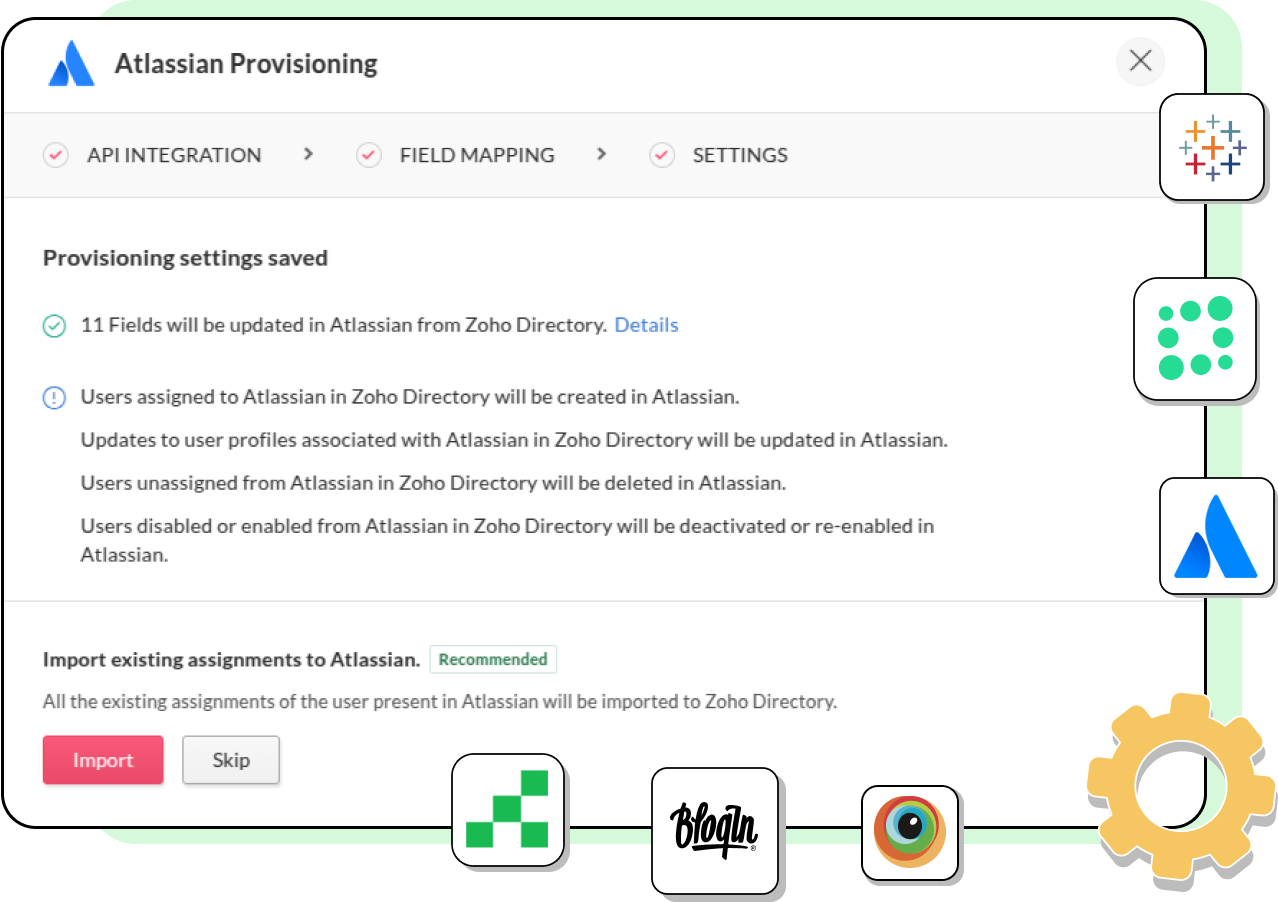
Access provisioning in modern IT is the systematic process of granting, managing, and revoking user permissions to digital resources within an organization’s ecosystem. It balances the necessity of productivity with the requirement of security by ensuring that users possess the exact level of access—no more and no less—needed to perform their job functions throughout their tenure.
The Evolution of Provisioning Architectures
Historically, IT provisioning was a manual, ticket-driven endeavor. An administrator would receive a request, manually create an account in a local directory, and assign permissions to specific file shares or applications. In 2026, this model is functionally obsolete in all but the smallest enterprises. The modern IT landscape is defined by hybrid-cloud environments, decentralized identity providers, and the constant threat of lateral movement by malicious actors.
Modern provisioning has transitioned from static account management to Identity Governance and Administration (IGA). This shift focuses on the lifecycle of the identity rather than the creation of the account. An identity is now considered the perimeter of the network. Because modern architectures rely on Zero Trust principles—where no user or device is trusted by default, regardless of their location—provisioning must be dynamic, context-aware, and automated.
Core Components of Modern Provisioning
To effectively manage access in a complex environment, organizations must integrate several foundational technologies and processes.
Identity Governance and Administration (IGA)
IGA platforms serve as the central brain of provisioning. They consolidate data from Human Resources Information Systems (HRIS) to trigger provisioning events based on organizational changes, such as new hires, transfers, or terminations. By defining roles and policies within the IGA, organizations ensure that access is granted based on attributes like department, location, or seniority, rather than ad-hoc requests.
Role-Based Access Control (RBAC) vs. Attribute-Based Access Control (ABAC)
- Role-Based Access Control (RBAC): Assigns permissions based on a user's defined job role. It is efficient for stable organizations with clearly defined hierarchies but can lead to "role explosion," where an excessive number of roles must be created to accommodate unique job requirements.
- Attribute-Based Access Control (ABAC): Uses policies that combine attributes (user, resource, environment, and action). For example, a user can access a sensitive database only if their security clearance is "High," the resource is labeled "Financial," and the access request originates from a corporate-managed device within office hours. ABAC provides a higher level of granularity and flexibility than traditional RBAC.
Automated Lifecycle Management
The primary goal of modern provisioning is to eliminate the latency between an organizational change and the corresponding access update. When an employee joins, an automated workflow should provision accounts in the necessary SaaS applications, cloud infrastructure, and internal portals simultaneously. Conversely, upon termination, the "offboarding" workflow must execute across all integrated platforms to immediately revoke access, preventing the accumulation of orphaned accounts—a significant security vulnerability.
Comparison of Provisioning Strategies
| Feature | Manual Provisioning | Automated RBAC | Dynamic ABAC |
|---|---|---|---|
| Speed | Slow (Days) | Fast (Minutes) | Instant (Real-time) |
| Accuracy | Prone to human error | Consistent | Context-sensitive |
| Compliance | Difficult to audit | Standardized | Highly granular |
| Overhead | High (Staff hours) | Medium (Configuration) | High (Policy logic) |
The Role of Zero Trust in Access Provisioning
In 2026, the implementation of Zero Trust is the standard for mature IT environments. Provisioning in this context requires the Principle of Least Privilege (PoLP). This principle dictates that users are granted the minimum level of access required for their current tasks.
Modern provisioning systems support this by implementing Just-in-Time (JIT) access. Instead of granting permanent administrative rights to a system administrator, the system provisions those rights only for the duration of a specific task or session. Once the task is complete, the access is automatically stripped. This drastically reduces the attack surface, as an attacker compromising a user account will find only minimal standing privileges.
Operational Challenges and Common Pitfalls
Even with advanced tooling, organizations often face significant hurdles when maturing their provisioning workflows.
The "Orphaned Account" Problem
Orphaned accounts represent identities that remain active after the user has left the organization. These accounts are high-value targets for attackers because they are often forgotten and, therefore, lack active monitoring. An effective IGA strategy requires regular access certifications, where managers must periodically verify that their team members still require the access they currently hold.
Excessive Entitlements (Privilege Creep)
As employees move through different roles within a company, they often accumulate permissions from previous positions. If the provisioning system does not automatically revoke access when a role changes, these extra privileges remain. Periodic "Access Reviews" are essential to identify and prune these unnecessary permissions.
Integration Latency
Modern IT environments comprise dozens of integrated SaaS platforms, legacy on-premises databases, and cloud-native infrastructure. If an IGA tool does not support a specific platform via an API or connector, IT teams are forced to fall back on manual processes. This inconsistency creates gaps in visibility and security. Standardizing on platforms that support modern authentication protocols like SCIM (System for Cross-domain Identity Management) is critical for minimizing these integration gaps.
Strategic Implementation Steps
Implementing or refining an access provisioning strategy requires a phased approach.
- Identity Inventory: Audit all existing user identities and their current access levels across all platforms.
- Clean-up Phase: Identify and deactivate orphaned accounts and remove clearly unnecessary privileges for current employees.
- Policy Definition: Develop a clear mapping of job roles and the specific access requirements for each, moving toward an RBAC or ABAC framework.
- Automation Deployment: Connect the primary Identity Provider (IdP) to high-impact applications using SCIM or standardized connectors to automate provisioning and de-provisioning workflows.
- Continuous Audit: Schedule recurring access reviews and automated compliance reporting to ensure the system remains aligned with organizational security policies.
Frequently Asked Questions
What is the difference between provisioning and authentication?
Provisioning is the process of setting up a user's rights, permissions, and accounts across systems. Authentication is the process of verifying that a user is who they claim to be during the login process. Provisioning enables authentication to occur within a structured, secure framework.
Why is SCIM important for modern provisioning?
SCIM is a standard protocol designed to make managing user identities in cloud-based applications easier. By using SCIM, organizations can automate the exchange of user identity information between an IdP and a target application, ensuring that updates made in one place are instantly reflected in the other.
How does Just-in-Time (JIT) access enhance security?
JIT access limits the amount of time a user has high-level permissions. By restricting these privileges to specific sessions or tasks, JIT prevents attackers from utilizing standing privileges if they manage to hijack a user's credentials, effectively neutralizing the risk of long-term unauthorized access.
What should be included in an access review?
An access review should include the verification of all assigned permissions, the evaluation of whether that access is still necessary for the user's role, and the identification of high-risk privileges that require additional oversight or justification.
How do I handle provisioning for third-party contractors?
Third-party access should be treated with the same rigor as internal employees, with the addition of strict expiration dates on accounts. Using a partner-portal or guest-identity management feature within your IdP can help isolate third-party accounts from your primary corporate identity tree.
Final Recommendation
To maintain security in a modern IT environment, prioritize the consolidation of identity management into a single, automated IGA framework. Begin by automating the "joiner, mover, leaver" lifecycle to eliminate the most common source of security vulnerabilities. Once the automated lifecycle is established, implement JIT access for sensitive administrative tasks to further shrink your attack surface. Treat provisioning not as a one-time setup, but as a continuous lifecycle management process that must be audited quarterly to remain resilient.