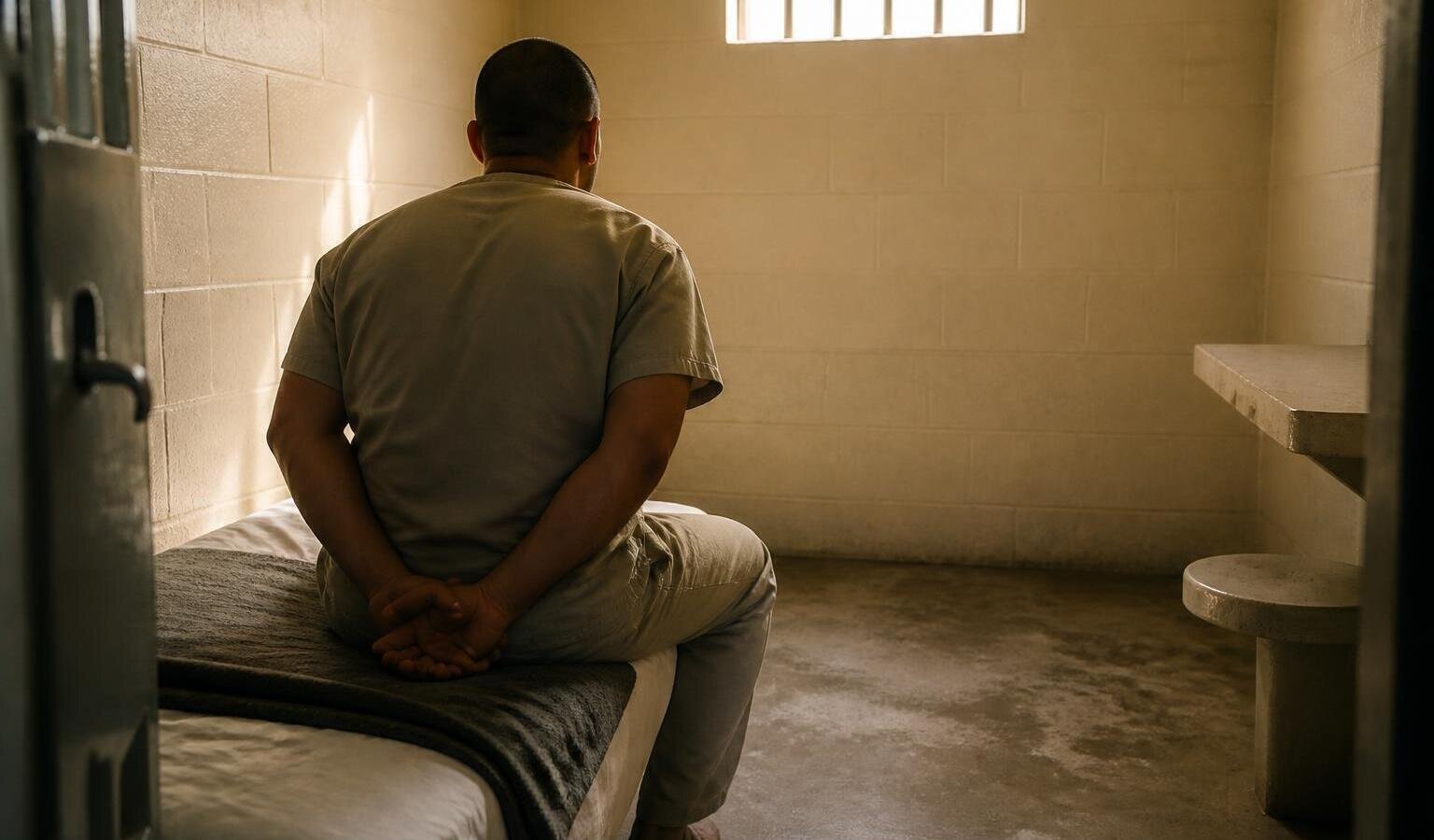
Sending access packages—often referred to as quarterly packages, special purchases, or vendor-authorized goods—to an inmate in a California Department of Corrections and Rehabilitation (CDCR) facility requires navigating a strictly regulated procurement system. Friends and family members must utilize state-contracted vendors to provide approved food, hygiene, clothing, and electronic items, as direct shipments from outside sources are generally prohibited for security reasons.
Understanding the CDCR Package System
The California correctional system transitioned away from traditional "care packages" sent via mail many years ago to mitigate security risks such as contraband introduction. Today, the process is streamlined through third-party vendors who partner with the CDCR. When people search for "access packages for inmates," they are typically looking for the official vendor program that allows them to purchase goods that the facility then clears for delivery to the incarcerated individual.
These programs are governed by Title 15 of the California Code of Regulations, which dictates the types of items allowed based on the inmate’s housing status, disciplinary record, and the specific security level of the institution. It is important to distinguish between "quarterly packages," which are limited by calendar periods, and "special purchases," which may include electronics or other one-time items permitted under specific facility policies.
Eligibility and Prerequisite Requirements
Before attempting to purchase an access package, you must ensure you have the necessary documentation and authorization. An incarcerated individual must be in good standing to receive many types of packages, and their eligibility can change based on institutional lockdowns or behavioral reports.
- Verification of Inmate Status: You must have the inmate’s correct CDCR number and the specific facility where they are currently housed. If an inmate is in the process of transferring, packages may be delayed or returned.
- Vendor Authorization: All purchases must be made through CDCR-approved vendors. Attempting to ship items directly from a retail store or via a private courier like UPS or FedEx will result in the package being rejected and disposed of at the facility.
- Account Creation: Vendors such as Walkenhorst’s or Access Securepak maintain their own digital platforms. You will need to create a profile, verify your identity, and link it to the specific inmate you intend to support.
- Security Clearance: Inmates assigned to certain high-security units or those currently serving time in administrative segregation may have restricted access to standard package items. Always verify the inmate’s "Package Privilege" status through the facility’s correspondence department if a purchase is repeatedly denied.
The Role of Approved Vendors
The CDCR maintains a list of contracted vendors that provide pre-approved items. These vendors work directly with the state to ensure that every product—down to the packaging material—meets safety standards (e.g., clear plastic, no metal components, and specific weight limits).
Comparing Common Features of Approved Vendors
While the list of authorized vendors can change, the following table illustrates the standard features and expectations for users utilizing these services in 2026.
| Feature | Description | Importance |
|---|---|---|
| Price Controls | Items are marked up but regulated by CDCR contracts. | Prevents price gouging for essential goods. |
| Item Restrictions | Specific catalogs based on facility security levels. | Ensures contraband does not enter the facility. |
| Frequency | Typically capped at quarterly, plus special orders. | Manages storage space and inventory in cells. |
| Electronic Verification | Real-time checks for inmate eligibility. | Reduces the risk of payment for undeliverable goods. |
Steps to Send an Access Package
To initiate a transaction, follow this standardized workflow. Note that deviations from this process often lead to financial loss or rejected items.
1. Verify the Inmate’s Current Location
Always use the CDCR Inmate Locator to confirm the individual is still at the facility you believe them to be. Sending a package to the wrong facility will result in the item being held or abandoned by the institution.
2. Consult the Facility-Specific Catalog
Every facility has its own "Authorized Personal Property" list. What is permitted at a level-two facility may be strictly prohibited at a level-four facility. Vendors update their websites to show only the items available to the specific inmate associated with your account. Do not attempt to purchase items not featured in their designated catalog.
3. Placing the Order
Once you have selected the items, ensure the payment method is secure. Most vendors accept credit cards, debit cards, and sometimes pre-paid gift cards. Double-check the shipping address, although most vendor portals autofill this based on the inmate’s record.
4. Tracking and Delivery
After the order is placed, you will receive a tracking number. It is vital to understand that "delivery" to the facility does not mean the item is in the inmate’s hands. The facility mailroom and property department must inspect, process, and log every item. This can take anywhere from a few days to several weeks, depending on the volume of mail at the institution.
Common Challenges and Troubleshooting
Even with a smooth ordering process, issues may arise. Understanding how to handle them is essential for maintaining your support efforts.
Rejected Packages
If a package is rejected, it is usually because the item was not permitted, the inmate exceeded their weight or count limit, or the inmate lost their package privileges due to a rules violation. In such cases, the vendor will typically notify you via email. You may be eligible for a refund, minus processing fees, depending on the vendor’s terms of service.
Delayed Deliveries
During holiday seasons or times of institutional tension, mailroom processing times often spike. If an order shows as "delivered" to the facility but the inmate has not received it after two weeks, wait for the inmate to submit an internal "Inmate Request for Interview" form (CDCR Form 22). This allows them to track the status through official, internal channels.
Damaged Goods
If items arrive damaged, document the condition if possible (or rely on the inmate’s written confirmation via mail). Contact the vendor’s customer service department immediately. Because these items are highly regulated, vendors are generally responsive to claims regarding damaged or missing inventory.
Legal and Administrative Context
It is crucial to remember that receiving packages is considered a privilege, not a right. Under California law, inmates must earn and maintain these privileges. If an inmate is found with excess property, items that have been altered, or contraband, they may face a "Rule Violation Report" (RVR). This can result in the loss of future package privileges for a set period.
Additionally, always be mindful of the "Value Limits." Most institutions enforce a strict limit on the total dollar amount of personal property an inmate may possess in their cell. If a new package puts them over this limit, the facility may force them to choose items to donate or ship out at their own expense.
Frequently Asked Questions
Can I send items from Amazon or other retailers?
No. Direct shipments from private retailers, online marketplaces, or individuals are strictly prohibited. Anything not processed through an approved, state-contracted vendor is considered contraband and will be confiscated and destroyed.
How often can I send a package?
The CDCR standard is typically "Quarterly," meaning once every three months. However, some facilities allow for "Special Purchases," such as holiday packages or specific orders for electronics like authorized tablets or radios. Check your vendor account for specific frequency limits.
What happens if the inmate is transferred?
If an inmate is transferred after you place an order but before it is delivered, the vendor will typically attempt to reroute the package to the new facility. However, this is not guaranteed. Contact the vendor immediately upon learning of a transfer to update the shipping destination.
Are there limits on what I can purchase?
Yes. Every inmate has an "Authorized Personal Property" list. If an item is not on that list for their current security level, you will not be able to purchase it through the vendor portal. The system is designed to automatically filter out restricted items based on the inmate's status.
Do inmates have to pay for these packages?
The family member or friend generally pays for the items at the time of purchase. However, inmates can also use their "Trust Account" funds to purchase items for themselves, provided they have a sufficient balance.
Professional Advice and Next Steps
If you are preparing to send your first package, start by establishing clear communication with the inmate. Ask them to confirm their current "Package Privilege" status and check if they have any specific needs, such as seasonal clothing or hygiene supplies.
Always prioritize official information provided by the CDCR. You can review the CDCR Property Matrix for general guidelines on allowed items. Avoid third-party "package delivery services" that claim they can bypass facility rules; these are frequently scams. If you encounter significant issues with vendor fulfillment, utilize the formal vendor contact channels first before attempting to reach out to institutional staff.