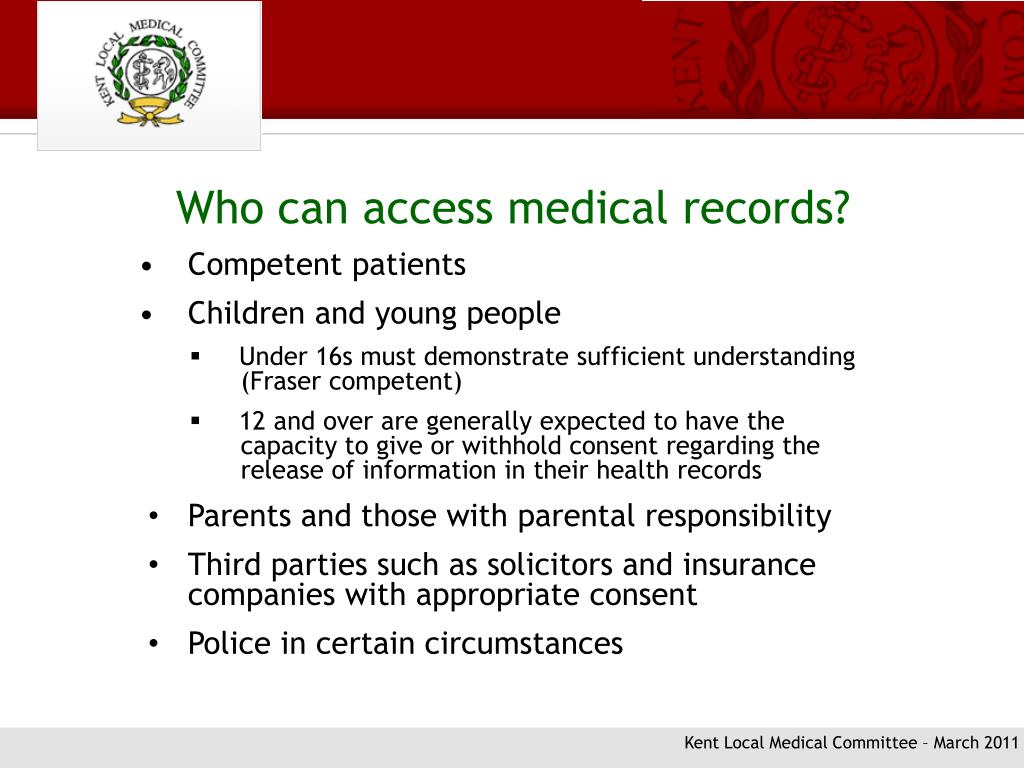
When applying for life insurance in the United Kingdom, underwriters frequently request access to your medical records to verify your health history, assess risk accurately, and determine your policy premiums. Under the Access to Medical Reports Act 1988 (AMRA) and the General Data Protection Regulation (GDPR), insurance companies cannot look at your general practitioner or hospital records without your explicit, informed consent. This process ensures transparency, allowing you to view the report before it is submitted to the insurer and ensuring that the underwriting decision is based on verified clinical facts rather than assumptions.
The Legal Framework Governing Medical Access
The landscape of medical record access for insurance underwriting in the UK is strictly regulated by legislation designed to balance the commercial needs of insurers with the privacy rights of consumers. Understanding these legal protections helps applicants navigate the underwriting process with confidence, knowing their data rights are legally protected.
The Access to Medical Reports Act 1988 (AMRA)
The Access to Medical Reports Act 1988 gives you the statutory right to see any report requested by an insurance company from a medical practitioner who has been responsible for your clinical care. Under AMRA, an insurer cannot apply for a report from your GP or hospital specialist without notifying you first and securing your written consent.
Once the report has been prepared by your doctor, you have 21 days from the date the doctor notifies you of its completion to view it before it is sent to the insurance underwriter. If you believe any part of the report is factually incorrect or misleading, you can ask your doctor to amend it. Should your doctor refuse to make the requested changes, you have the legal right to attach a written statement of dissent to the report, ensuring that the underwriter sees your perspective on the medical history provided.
GDPR and the Data Protection Act 2018
In addition to AMRA, the General Data Protection Regulation (GDPR) and the Data Protection Act 2018 govern how personal data, including sensitive health records, is handled, processed, and stored. While AMRA specifically covers reports compiled for employment or insurance purposes, broader subject access requests (SARs) allow individuals to access their complete medical records directly from their healthcare providers.
Under these data protection laws, insurers and medical providers must process your information lawfully, fairly, and transparently. They are legally obligated to keep your medical data secure, limit its use strictly to the underwriting or policy administration purpose for which it was gathered, and delete it if it is no longer required under regulatory retention guidelines.
Why Insurers Request Medical Reports
Life insurance underwriters do not request medical records for every applicant. For many individuals—particularly younger applicants buying modest coverage amounts with clean health histories—a simple questionnaire regarding lifestyle, smoking status, and basic medical history is sufficient. However, medical records become necessary when underwriters need to verify risk factors or evaluate disclosed conditions.
Assessing Pre-Existing Conditions
If you declare a pre-existing medical condition during the application process, such as asthma, diabetes, high blood pressure, or a history of mental health challenges, underwriters will typically request a Medical Report (often referred to as a PMR or GP report) or a targeted questionnaire. This allows them to understand the severity, frequency, treatment history, and stability of the condition. Accessing these records ensures that the policy terms, premiums, or potential exclusions accurately reflect your current health status rather than a generalized statistical risk.
Policy Size and Age Thresholds
Beyond specific health disclosures, insurance providers often have internal underwriting rules triggered by the financial scale of the policy. If you are applying for a very high sum assured—such as a large mortgage protection policy or family income benefit spanning several decades—or if you fall into an older age bracket where health risks naturally increase, a routine medical screening or a GP report may be mandatory regardless of your current health. This due diligence protects the insurance pool and ensures the long-term solvency of the provider.
The Step-by-Step Process of Accessing Records
The workflow from submitting a life insurance application to the final underwriting decision follows a structured path involving the applicant, the insurance provider, and the primary healthcare provider.
| Stage | Responsible Party | Action Required | Typical Timeframe |
|---|---|---|---|
| 1. Application & Disclosure | Applicant & Insurer | Complete the application form, disclosing medical history and signing a preliminary consent declaration. | Day 1 |
| 2. Consent & Notification | Insurer | Issue a formal AMRA consent notice informing you of the intent to contact your GP or specialist. | Days 2–5 |
| 3. Record Request | Insurer & GP | The insurer sends a formal request and fee to your GP surgery for a targeted medical report. | Days 5–10 |
| 4. Report Preparation | GP Practice | A general practitioner compiles the relevant medical history based on the insurer's specific queries. | 2–6 Weeks |
| 5. Review & Submission | Applicant & GP | You are notified that the report is ready. You have 21 days to view it, correct errors, and authorize release. | 21 Days (Optional) |
| 6. Underwriting Decision | Insurer | The underwriter evaluates the received medical report and finalizes the policy terms or pricing. | Days 3–7 |
Rights and Responsibilities of the Applicant
Navigating medical record access requires active participation. Knowing what you can control, what you can dispute, and how consent works ensures a smoother application journey.
Giving and Withholding Consent
You have the absolute right to refuse consent for an insurer to access your medical records. However, exercising this right has significant practical consequences. Because life insurance contracts rely on the principle of utmost good faith and accurate risk assessment, an insurer will almost certainly decline your application if they cannot verify your medical history. Withholding consent does not mean you will secure coverage without medical checks; rather, it typically results in an outright rejection due to insufficient information to price the risk.
Reviewing and Correcting Errors
When you exercise your right to view the medical report before it goes to the insurer, check it meticulously. Ensure that diagnoses, dates, and medication histories are accurate. If your GP notes a condition that was resolved years ago or incorrectly attributes a symptom to you, request a correction immediately. If the doctor refuses to alter the record, draft a formal statement of your view to be attached alongside the report so that the insurance underwriter considers your exact context.
Common Misconceptions and Concerns
Applicants often worry about privacy, the impact on their NHS care, and who gets to see their sensitive information. Clarifying these points helps alleviate common anxieties.
- Insurers see your entire medical history forever: False. Insurers only request information relevant to underwriting life insurance, and they are bound by strict data protection laws regarding how long they can retain that data. They do not receive a live, ongoing feed of your medical records.
- Accessing records costs the applicant money: False. Under the Access to Medical Reports Act 1988, the insurance company is responsible for paying any fees charged by your GP practice to compile and supply the report. You should never be asked to pay your GP for an insurance-related report.
- GP practices can refuse to let you see the report: Under AMRA, you have a statutory right to view the report before submission, provided you act within the 21-day window after notification. The only exception is if the doctor believes seeing the report would cause serious physical or mental harm to you or someone else, which is rare in standard insurance underwriting.
Frequently Asked Questions
Can an insurance company contact my GP without telling me?
No. Under UK law, specifically the Access to Medical Reports Act 1988, an insurer must notify you in writing and obtain your explicit consent before they can approach your GP or any medical practitioner for a report.
What happens if I spot an error in my medical report?
You should contact your GP surgery immediately to point out the factual inaccuracy. If the doctor agrees, they will amend the report. If they disagree, you have the right to attach a written statement of your concerns to the document before it reaches the insurer.
Does requesting a medical report delay my life insurance application?
Yes, it typically adds several weeks to the underwriting process. While digital application decisions can be instant, gathering medical notes from a busy NHS GP practice requires time, making early application submission advisable if you need coverage by a specific deadline.
Will applying for life insurance affect my relationship with my GP?
No. Insurance underwriting is an administrative and financial process separate from your NHS clinical care. Requesting records or being declined insurance does not impact the medical treatment or care you receive from your doctor.
Can I request my entire medical record myself instead of through the insurer?
Yes. Under the Data Protection Act 2018 and UK GDPR, you can make a Subject Access Request (SAR) directly to your GP or healthcare trust to obtain your complete medical history free of charge, though this is usually broader than what an insurance underwriter requires.
Practical Next Actions
If you are preparing to apply for life insurance in the UK, gather your personal medical history, list all current medications, and note any past hospital visits or surgeries beforehand. Be completely honest on your application forms to avoid complications during underwriting. When the insurer requests consent to access your GP records, sign and return the documentation promptly to prevent unnecessary delays, and keep an eye out for notification from your surgery if you wish to review the report prior to its submission.