At age 42, a male purchasing a term life insurance policy typically faces premiums calculated based on his health status, tobacco usage, family medical history, and the desired coverage amount. Generally, annual premiums for a healthy 42-year-old male seeking $500,000 in coverage range from approximately $450 to $900, though rates vary significantly depending on the specific insurance carrier's underwriting guidelines and the term duration selected.
Factors Influencing Life Insurance Costs at 42
When you apply for a term life insurance policy at 42, you are entering a phase where insurance carriers begin to weigh your mortality risk more heavily than they would for someone in their twenties or thirties. Underwriting is the process by which an insurance company evaluates your risk profile to determine your eligibility and the cost of your premiums.
Age and Mortality Risk
Insurance premiums are actuarial calculations. At 42, you are statistically more likely to experience health-related issues compared to your younger counterparts. Insurance companies use mortality tables to estimate the probability of a claim during the term of the policy. As you move into your forties, the risk of chronic conditions—such as hypertension, elevated cholesterol, or metabolic syndromes—increases, leading carriers to adjust premiums upward compared to younger applicants.
Health and Lifestyle Underwriting
Your health is the most significant variable in your premium calculation. During the application process, you will typically undergo a paramedical exam, which includes blood pressure readings, height/weight measurement, and blood/urine samples.
- Tobacco Usage: This is a binary factor for most insurers. If you use tobacco products, your premiums will often be double or triple those of a non-smoker, regardless of your other health metrics.
- Family Medical History: Insurers look for hereditary patterns, such as heart disease or certain cancers appearing in immediate family members before age 60.
- Occupational and Avocational Risks: If your profession involves high-risk activities (such as commercial aviation or deep-sea welding) or your hobbies include extreme sports (like skydiving or rock climbing), your premium may increase or the policy may include exclusions.
Coverage Amount and Term Length
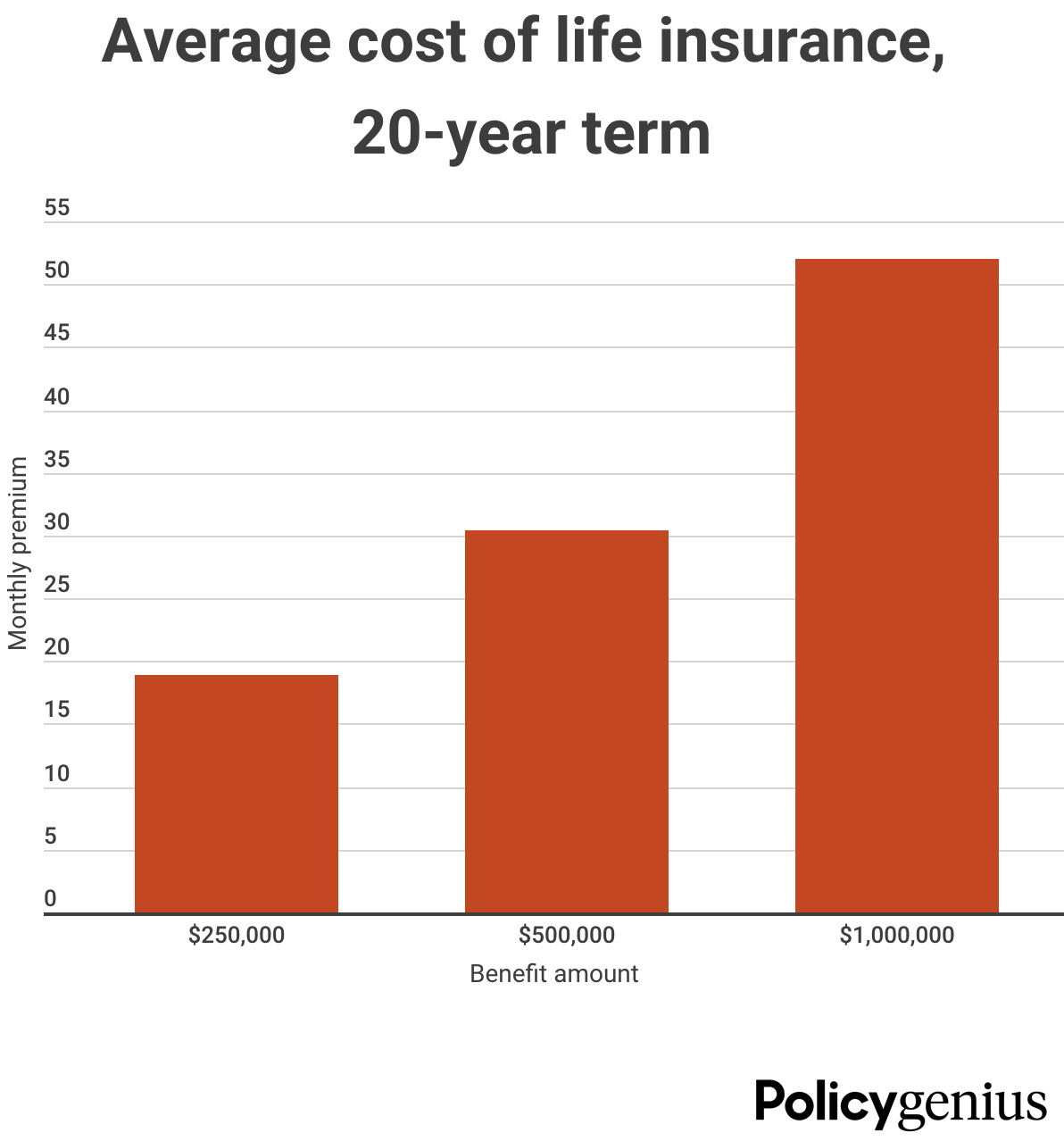
The face amount of the policy—the death benefit—is the primary driver of cost. A $1,000,000 policy will naturally carry a higher premium than a $250,000 policy. Furthermore, the length of the term (10, 20, or 30 years) influences your rate. A 30-year term is more expensive than a 10-year term because the insurer is locking in your rate for a longer duration, during which your risk of health decline increases significantly.
Navigating the Application Process
Securing a policy involves more than just selecting a company. For a 42-year-old male, the process typically requires careful preparation to ensure you receive the most favorable rate classification.
The Paramedical Examination
Prepare for your exam by fasting for at least 8 to 12 hours. Avoid strenuous exercise, alcohol, and excessive caffeine for 24 hours prior. Because you are 42, the lab results will be scrutinized for indicators of long-term health, such as elevated blood sugar (HbA1c) or liver enzymes. Consistency in your baseline health markers can lead to a "Preferred" or "Preferred Plus" rating, which significantly reduces the cost of coverage.
Medical Records Review
Be prepared to provide your primary care physician's contact information. Underwriters will request your Attending Physician Statement (APS) if you have any history of chronic conditions. If you have been treated for high blood pressure or cholesterol, having your medical records in order—showing that the condition is managed and stable—is vital to preventing an "adverse" or "substandard" rating.
Comparative Overview of Term Lengths for a 42-Year-Old Male
The following table illustrates estimated annual premium tiers for a healthy, non-smoking 42-year-old male seeking a $500,000 policy. Note that these figures are estimates for 2026 and fluctuate based on specific carrier underwriting.
| Term Length | Preferred Plus (Annual) | Standard (Annual) | Substandard (Annual) |
|---|---|---|---|
| 10-Year | $350 - $450 | $550 - $700 | $900+ |
| 20-Year | $550 - $700 | $850 - $1,100 | $1,400+ |
| 30-Year | $850 - $1,100 | $1,300 - $1,700 | $2,200+ |
Disclaimer: These figures represent illustrative market ranges for 2026. Actual quotes require a personalized medical and lifestyle assessment.
Common Mistakes to Avoid
Many applicants at age 42 miss out on better rates due to preventable errors in the application phase.
Incomplete Medical History Disclosure
It is tempting to downplay minor ailments, but insurance companies access the MIB Group (Medical Information Bureau) database. Any discrepancy between your application and your medical records can lead to an automatic decline or a permanent "rated" status that increases your premium indefinitely. Always disclose fully and accurately.
Neglecting Policy Riders
Often, a 42-year-old male focuses solely on the death benefit. However, consider riders such as the "Waiver of Premium," which ensures your policy remains in force if you become disabled and unable to work. While this adds to the premium, it provides essential protection for a middle-aged individual whose primary concern is income replacement.
Focusing Only on Price
While cost is critical, the financial strength of the insurance company matters. In 2026, ensure the provider has a strong AM Best or S&P rating. A cheap policy from a company with poor financial stability may not be reliable when your beneficiaries eventually need to file a claim decades later.
Addressing Frequent Questions
Should I choose a 20-year or 30-year term at age 42?
Consider the duration of your financial obligations. If you have a mortgage or children approaching college age, calculate the time required to settle these debts. A 20-year term will cover you until age 62, which is often when retirement savings have grown sufficiently to reduce the need for life insurance. If you have younger children, a 30-year term provides coverage until age 72, which may be safer.
Can I change my policy if my health improves?
Generally, no. Your premiums are locked in at the time of the initial underwriting. If your health improves, you would typically need to apply for a new policy and cancel the old one. However, note that you will be older at the time of the new application, which may offset any gains from improved health.
What is the "Convertibility" feature?
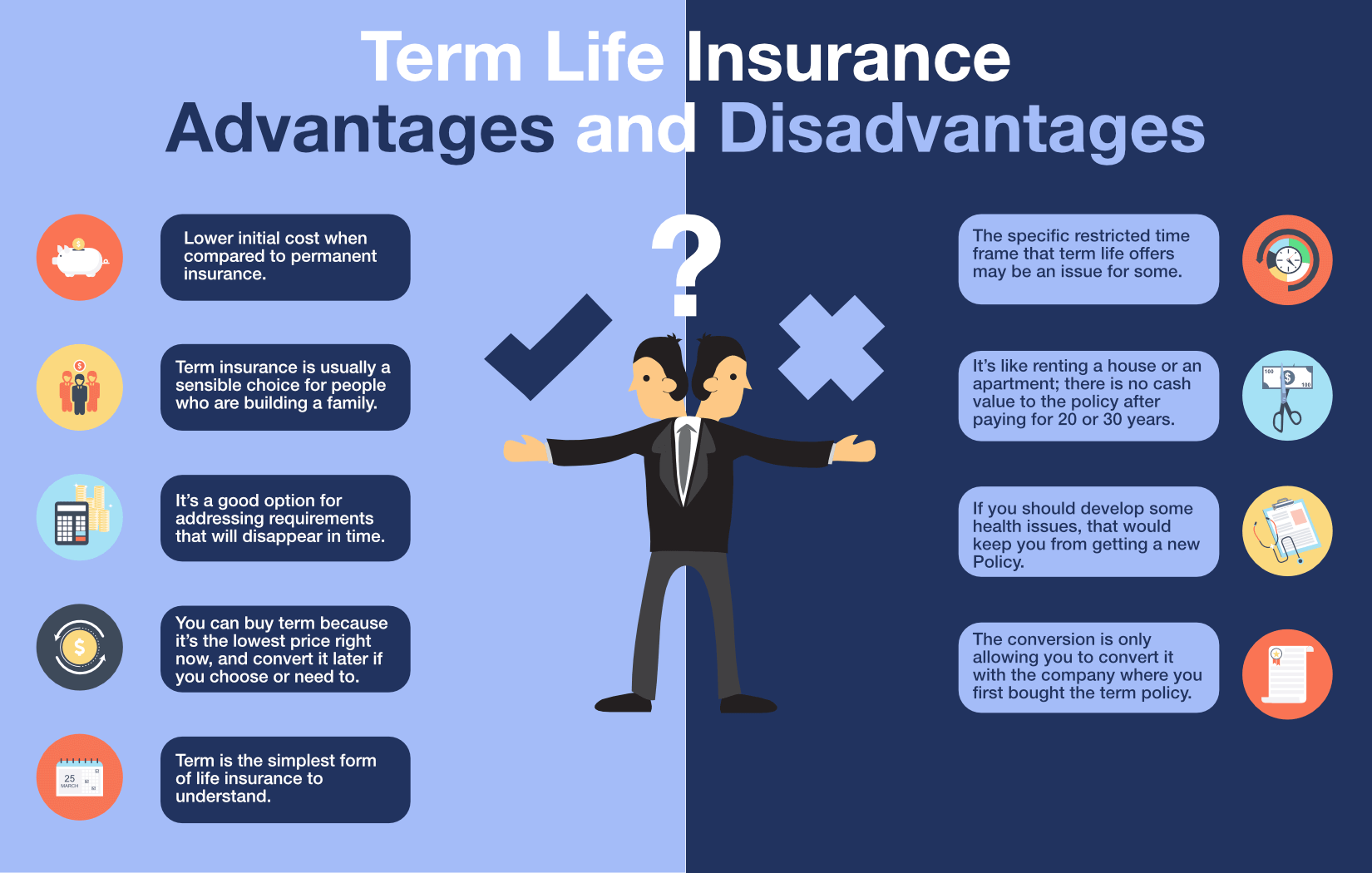
Most term policies include a conversion privilege. This allows you to convert your term policy into a permanent (whole or universal) life insurance policy before the term ends without undergoing a new medical exam. This is a valuable hedge against future health changes.
Do I really need a medical exam?
Many companies now offer "accelerated underwriting" or "no-exam" policies. These use digital medical records and prescription database checks to approve policies faster. While convenient, they are sometimes more expensive than traditional fully-underwritten policies if you are in excellent health.
How does my family history affect my premium?
Insurers look for "early-onset" disease. If a parent died of a heart attack at 55, it is a risk factor. If they died at 85, it is statistically negligible. Disclose these facts honestly, as the insurer will likely uncover them anyway.
Taking the Next Step
To determine the exact premium for your specific situation, your first step should be to request an illustration from a reputable independent broker. Unlike a captive agent who only represents one company, an independent broker can access quotes from dozens of providers, allowing you to compare which carrier is most lenient regarding your specific health profile. Ensure you have your recent medical records and an accurate assessment of your financial liabilities ready before starting the process. By being proactive and transparent, you can secure the coverage needed to protect your family's future at a competitive rate.