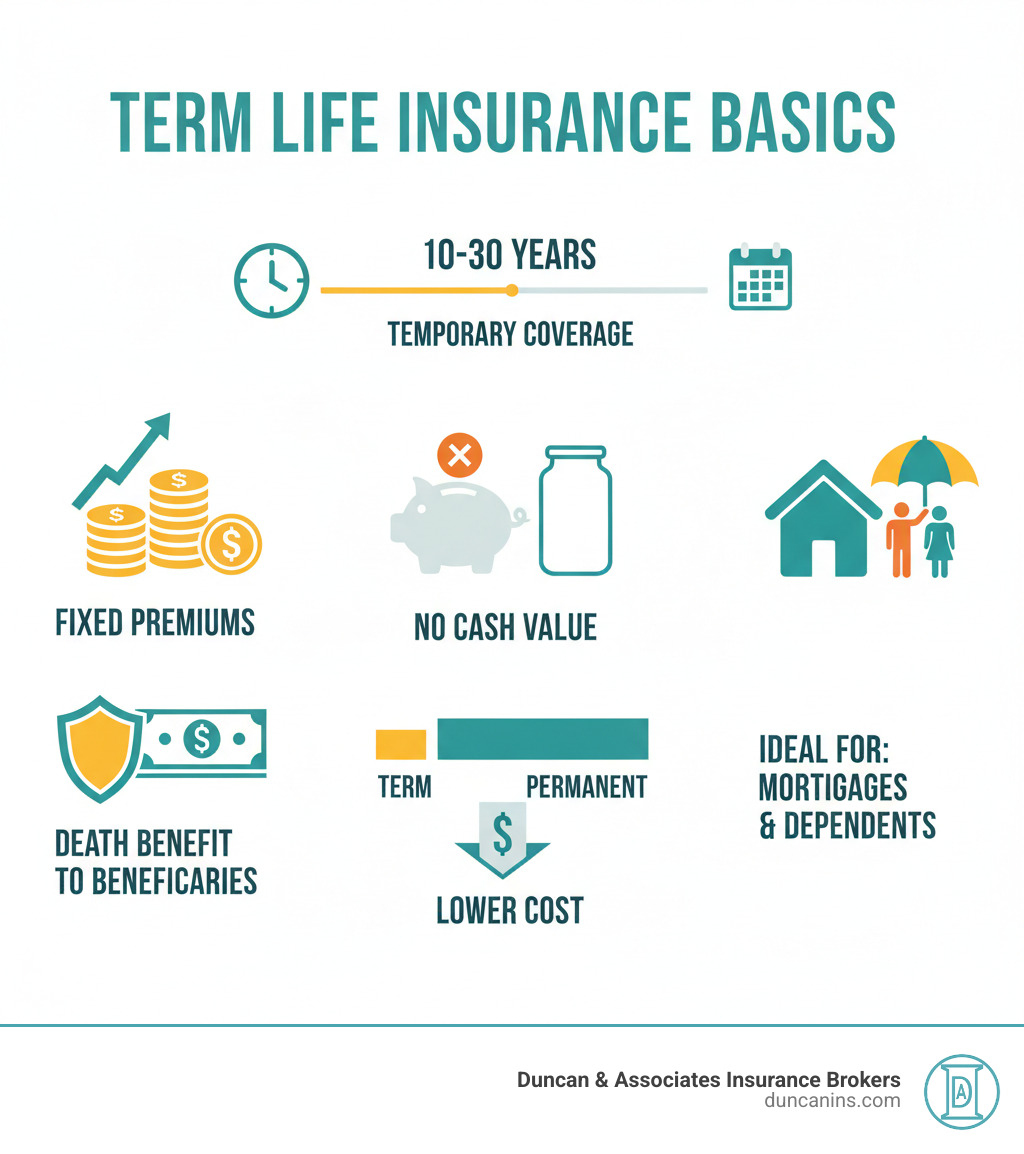
AARP term life insurance provides members with affordable, temporary life insurance coverage through plans underwritten by the New York Life Insurance Company. Designed for individuals who are typically between the ages of 50 and 74, these policies offer fixed premiums and death benefits for specific periods, allowing members to secure financial protection without the long-term commitment or cash-value accumulation associated with permanent life insurance.
Understanding the AARP Life Insurance Program
The AARP Life Insurance Program is not a single policy but a collection of insurance products made available to AARP members. These products are underwritten by the New York Life Insurance Company, a long-standing partner of the organization. When discussing "AARP term life insurance," you are specifically referring to plans that provide coverage for a defined term rather than for your entire lifetime.
Unlike permanent life insurance—such as whole or universal life—term insurance is designed to cover specific financial obligations that exist only for a certain number of years. Examples might include a remaining mortgage balance, tuition costs for a grandchild, or providing a safety net until a spouse reaches the age where they can claim maximum Social Security benefits. Because the coverage is temporary, premiums are generally lower than those for permanent insurance policies, making it a cost-effective solution for members who need high coverage amounts during their working or early retirement years.
Eligibility Requirements and Enrollment
To access these insurance products, you must hold an active AARP membership. However, being a member does not automatically guarantee coverage. Eligibility for the term life insurance plans is subject to several factors, including your age, your state of residence, and your current health status.
In the 2026 application process, potential applicants must meet the following general criteria:
- Membership Status: You must be a member in good standing.
- Age Restrictions: Term life plans are generally available to applicants up to age 74.
- Health Underwriting: Unlike simplified or guaranteed issue policies, term life insurance almost always requires answering health-related questions. In some cases, a medical exam or a review of medical records may be requested by New York Life to determine your eligibility and premium rate.
- Residency: Availability can vary by state due to local insurance regulations. You must ensure the specific plan you are interested in is licensed for sale in your jurisdiction.
How Term Insurance Functions for Members
Term insurance works on a straightforward principle: you pay a premium, and in exchange, the insurer guarantees a death benefit to your beneficiaries if you pass away during the policy term.
- Fixed Premiums: During the chosen term—often 10 or 15 years—the premiums remain level, meaning they do not increase even as you age or if your health declines.
- Renewability: Most AARP-endorsed term policies allow you to renew the coverage at the end of the term, though the premiums will generally increase significantly upon renewal as you enter a new, higher-risk age bracket.
- No Cash Value: It is important to understand that term life insurance does not act as a savings vehicle. If the policy term expires and you are still living, the policy terminates and there is no payout or refund of premiums.
Comparing Term Life vs. Permanent Life
For many AARP members, the primary decision is whether to choose term life or a permanent (often called "Whole Life") product. The following table highlights the operational differences to help you assess which aligns better with your financial goals in 2026.
| Feature | Term Life Insurance | Permanent (Whole) Life |
|---|---|---|
| Duration | Fixed period (e.g., 10–15 years) | Lifetime (as long as premiums are paid) |
| Premiums | Lower, fixed for the term | Higher, often fixed for life |
| Cash Value | None | Accumulates tax-deferred value |
| Purpose | Temporary needs (debt, income replacement) | Final expenses, legacy, estate planning |
| Medical Check | Required | Varies (often simplified) |
Analyzing the Costs and Financial Considerations
The cost of AARP term life insurance is determined by actuarial tables that assess your risk profile. While membership provides access to negotiated group rates, your individual premium will reflect:
- Age at Issue: The younger you are when you purchase the policy, the lower your premium.
- Tobacco Use: Non-smokers typically qualify for significantly lower rates.
- Coverage Amount: The death benefit amount directly impacts the monthly or annual cost.
- Health History: Conditions that indicate a shorter life expectancy will result in higher premiums or, in some cases, denial of coverage.
Because premiums are locked in, it is often more economical to purchase a policy as early as possible if you know you have a specific long-term financial obligation. It is recommended to use the calculator tools on the official New York Life/AARP portal to run a quote based on your specific birth year and requested coverage amount.
The Role of New York Life Insurance Company
It is a common point of confusion for members to determine who is responsible for their policy. While AARP provides the platform and negotiated benefits, the New York Life Insurance Company is the licensed insurer. They are responsible for underwriting, claim processing, and financial management of the policy.
This partnership has been in place for decades, which provides a level of stability that many members find reassuring. When you file a claim, you are dealing with a company that carries financial strength ratings from major agencies. Any disputes regarding claims or administrative issues are handled through the insurer's customer service departments, not the AARP member offices.
Common Pitfalls and Troubleshooting
When managing your term life policy, errors can lead to unintended policy cancellation or coverage gaps.
- Missing Payment Deadlines: If you do not set up an automatic payment method, it is easy to overlook a notice. Most policies include a "grace period" (typically 30 or 31 days) to catch up on missed payments before the policy lapses.
- Failure to Update Beneficiaries: A common mistake is failing to update your beneficiaries after major life events like a divorce, the death of a spouse, or the birth of grandchildren. Your policy will pay out based on the most recent documentation on file, regardless of your current personal situation.
- Misunderstanding Renewals: Many members assume that because their premium is "fixed," it will stay the same forever. If your 15-year term ends, your renewal premium will reflect your new age, which may be substantially higher. Always review your policy documents to know exactly when your term ends.
Frequently Asked Questions
Can I switch my term policy to permanent life insurance? Many term life policies offer a "conversion privilege." This allows you to convert all or part of your term policy into a permanent life insurance policy without needing to provide evidence of insurability (a new medical exam). Check your specific policy contract for conversion windows, as this is often restricted to certain ages or years within the term.
Does my health condition disqualify me from AARP term life? Not necessarily, but it will impact your eligibility and cost. AARP-endorsed plans are not "guaranteed issue." If you have significant chronic health conditions, you might find that you are quoted higher premiums or are ineligible for term insurance. In such cases, you might explore "Guaranteed Acceptance" life insurance options, which typically have lower coverage limits but do not require medical questions.
How do I file a claim for a deceased family member? To file a claim, the beneficiary must contact the New York Life Insurance Company directly. You will generally need to provide a certified death certificate and the policy number. It is helpful to keep a copy of the policy or the "Summary of Benefits" in an easily accessible location for your family members.
Can I increase my coverage later? Generally, you cannot simply increase the death benefit of an existing policy without undergoing a new underwriting process. If your financial needs change (e.g., taking on new debt or needing to support dependents), you might need to purchase a supplemental policy or replace your existing one, provided you still meet the health and age requirements.
Is the death benefit taxable? In general, life insurance proceeds paid to beneficiaries are not considered taxable income by the Internal Revenue Service (IRS). However, there are complex rules regarding estate taxes if the total value of your estate exceeds federal exemption thresholds. It is advisable to consult with a tax professional regarding your specific financial situation.
Next Steps for AARP Members
If you are interested in pursuing a term life insurance policy, your first step should be to visit the dedicated life insurance section on the AARP website. Use the provided tools to input your current age and the amount of coverage you believe is necessary.
Before committing, request a sample policy or a "specimen contract." This document will contain the full legal language regarding exclusions, suicide clauses (typically two years), and the specific conditions for renewals. By reviewing these terms alongside your current financial roadmap—specifically considering your debt, retirement savings, and the needs of your beneficiaries—you can make an informed decision that provides peace of mind without overextending your monthly budget.