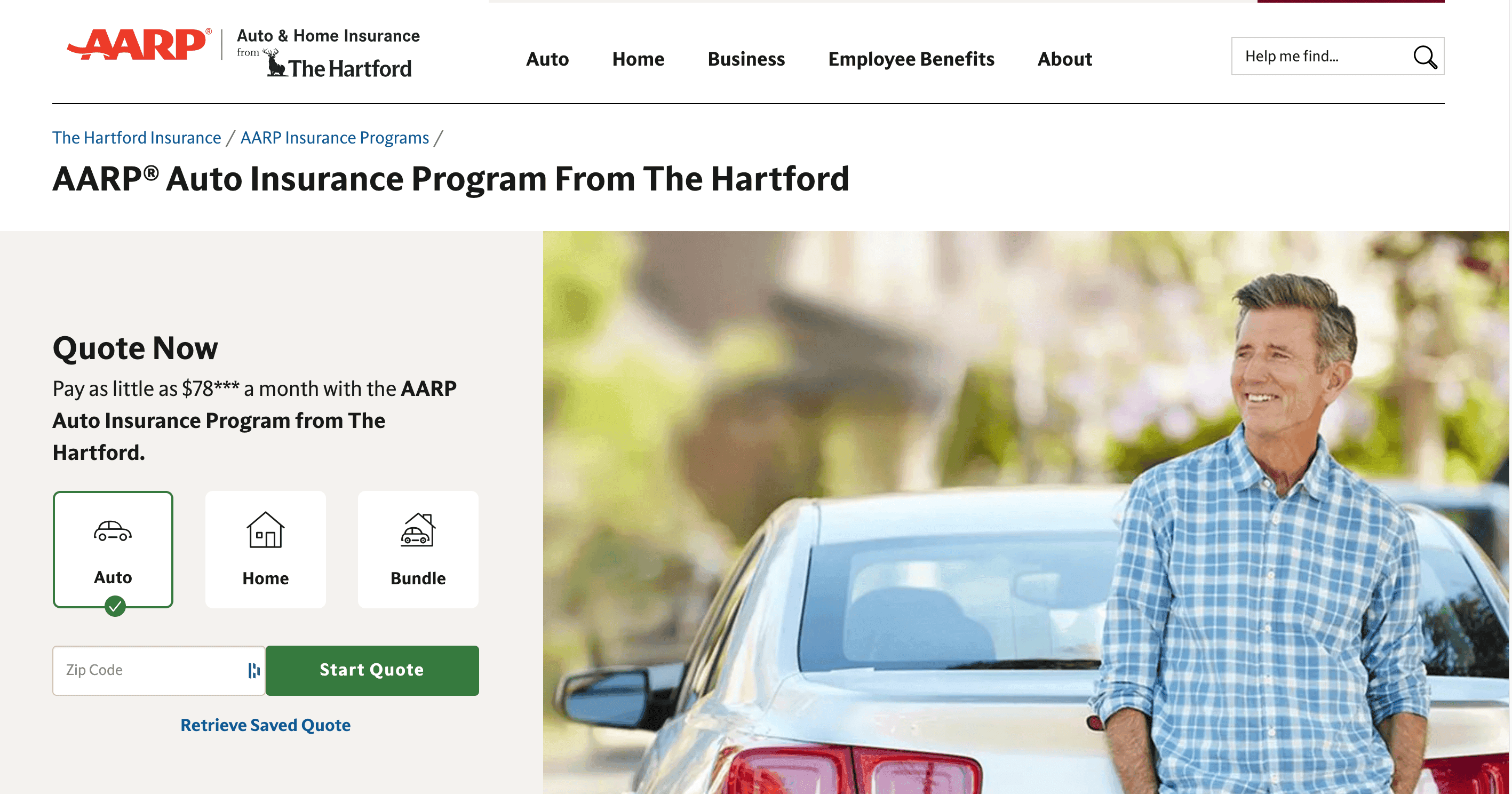
AARP does not function as an insurance carrier and therefore does not issue its own auto towing insurance policies. Instead, the organization partners with The Hartford to provide auto insurance products that include optional roadside assistance coverage. Members can access these services through their insurance policy endorsements or via separate membership-based roadside assistance programs frequently associated with the AARP brand.
The Distinction Between Membership and Insurance Coverage
To navigate the landscape of "AARP auto towing insurance," it is essential to distinguish between a roadside assistance program and an auto insurance policy endorsement. Many consumers mistakenly believe that an AARP membership automatically includes comprehensive towing and recovery coverage. In reality, your ability to access towing services under the AARP umbrella typically stems from one of two sources: an add-on to a Hartford auto insurance policy or a supplemental roadside assistance plan.
When you purchase an auto insurance policy through the AARP Auto Insurance Program from The Hartford, you are essentially buying a policy from a commercial insurance carrier. The "towing insurance" component is technically a "Towing and Labor" endorsement. This is a specific contractual provision that pays for the cost of towing your vehicle to the nearest repair facility if it is disabled due to a mechanical breakdown or accident.
It is vital to recognize that this is an insurance product. Like any other part of your auto policy—such as collision or comprehensive coverage—using your towing benefit may be recorded in your claims history, depending on the terms of your policy. Conversely, a standalone roadside assistance membership is a service contract. These are often marketed to AARP members as third-party offerings. These service contracts are not insurance; they are memberships that provide a flat fee or per-service cost for roadside support, which generally does not affect your auto insurance premiums.
Evaluating the Hartford Auto Insurance Towing Endorsement
If you hold an auto insurance policy through the AARP program, the towing and labor coverage is designed to assist you when your vehicle is rendered immobile. The scope of this coverage typically includes:
- Towing: Transport of your vehicle to the nearest place where repairs can be performed.
- Labor: Mechanical assistance provided at the place of breakdown, such as jump-starting a battery, changing a flat tire, or delivering a small amount of fuel.
The financial limit of this coverage is defined in your policy declarations page. It is common for these policies to offer coverage up to a specified dollar amount per incident. It is important to review your declarations page for the 2026 term to determine if your limit is $50, $100, or a higher threshold. If a tow costs more than your policy’s maximum limit, the towing company will invoice you for the remaining balance.
One frequent point of confusion involves the "nearest repair facility" clause. Most insurance policies, including those associated with AARP, limit towing coverage to the closest qualified shop. If you prefer to have your vehicle towed to a specific dealership or a shop of your choosing that is significantly further away, the insurance company will likely only cover the cost up to the nearest facility, leaving you to pay the difference for the additional mileage.
Roadside Assistance: Service Contracts vs. Insurance
Beyond the insurance endorsement, AARP often promotes roadside assistance services that operate on a per-incident or annual subscription basis. These are distinct from your primary auto insurance. The primary benefit of these service-based plans is that they are generally "membership" products.
When you call for a tow under a service contract:
- You are contacting a dispatch center specifically contracted to handle non-insurance service calls.
- The cost of the service is governed by the terms of your membership agreement, not your insurance policy’s risk profile.
- Because it is not an insurance claim, the usage of this service does not trigger the internal claims tracking systems that insurers use to adjust your premiums upon renewal.
If you are a driver who experiences frequent minor issues—such as keys locked in the car or a dead battery—a dedicated roadside assistance service contract may be more cost-effective than utilizing your insurance policy’s towing endorsement.
Key Considerations for Policyholders in 2026
As you manage your automotive coverage in 2026, take time to perform an audit of your current benefits. Insurance premiums and service terms change over time. If you believe you have "AARP towing insurance," verify the following documentation:
- The Declarations Page: This document lists every endorsement on your policy. Look specifically for "Towing and Labor" or "Roadside Assistance." If it is not listed, you do not have that coverage.
- Claims Filing Procedures: Ensure you have the toll-free number for roadside assistance saved in your phone. Many insurers now utilize mobile applications that allow you to track the progress of the tow truck in real time.
- Exclusions: Insurance policies have strict limitations. Towing is typically provided for the vehicle listed on the policy. If you are driving a rental car, a company vehicle, or a friend’s car, your AARP-affiliated insurance policy may not cover the towing costs for that specific vehicle.
Comparison Table: Insurance Endorsement vs. Membership Service
| Feature | Auto Insurance Endorsement | Roadside Assistance Membership |
|---|---|---|
| Primary Purpose | Coverage for accidents/breakdowns | Convenience for minor roadside needs |
| Impact on Premium | May be treated as a "claim" | No impact on insurance rates |
| Coverage Basis | Per incident (capped) | Often unlimited or flat fee |
| Eligibility | Requires active auto policy | Requires active membership |
| Vendor | Managed by The Hartford | Managed by third-party provider |
Frequently Asked Questions
1. Does my AARP membership automatically include towing insurance? No. Your AARP membership provides access to discounts and specific insurance programs, but it does not include an automatic towing or roadside insurance policy. You must specifically purchase the roadside assistance endorsement through your auto insurance provider or subscribe to a separate roadside assistance plan.
2. Will my insurance rates increase if I use my towing coverage? Whether your rates increase depends on your insurer’s internal underwriting guidelines. While towing is a minor coverage, frequent use of any policy benefit can be flagged by risk-assessment models. Always check with your insurance agent regarding the potential impact of filing a roadside claim versus paying for the tow out-of-pocket.
3. What happens if the tow truck driver charges more than my policy limit? Your policy limit is a maximum reimbursement or payment amount. If the total bill exceeds this limit, the service provider will collect the difference from you at the time of service. Always ask for an itemized receipt to ensure that the charges are accurate and to verify the mileage calculation.
4. Can I use my AARP towing coverage for a motorcycle or RV? Coverage varies by policy. Standard auto insurance policies often explicitly exclude recreational vehicles, motorcycles, or commercial trailers unless they are specifically endorsed or you hold a separate policy for those vehicles. Do not assume your primary car insurance towing benefit extends to your secondary vehicles.
5. Is there a difference between "Towing and Labor" and "Roadside Assistance"? In the insurance industry, "Towing and Labor" is usually the technical name for the policy add-on. "Roadside Assistance" is the consumer-facing marketing term that often implies a broader suite of services, such as winching, fuel delivery, and lockout services. Always verify which specific services are included in your written policy.
Best Practices for Managing Roadside Emergencies
Preparation is the best defense against high out-of-pocket costs. If you find yourself in need of a tow, follow these systematic steps to ensure you are maximizing your coverage:
- Safety First: If your vehicle is disabled, move to a safe location away from traffic if possible. Activate your hazard lights.
- Verify Eligibility: Before calling a private tow company, check your insurance card or mobile app. Using a provider that is not in your insurance carrier’s network may result in a lower reimbursement or higher out-of-pocket expenses.
- Document the Incident: Note the time, date, and location of the breakdown. Take photos of the vehicle’s condition. This is crucial if the tow is a result of an accident rather than a mechanical failure.
- Confirm the Coverage: When you call for assistance, explicitly state your policy number and confirm that the requested service is covered under your plan. Ask for an estimated arrival time and a confirmation number for your request.
By understanding that AARP-associated towing benefits are products of specific insurance policies or service contracts rather than an inherent right of membership, you can make informed decisions about your coverage. In 2026, review your policy annually, keep your contact information updated, and maintain a clear understanding of your specific coverage limits to ensure you are protected on the road.