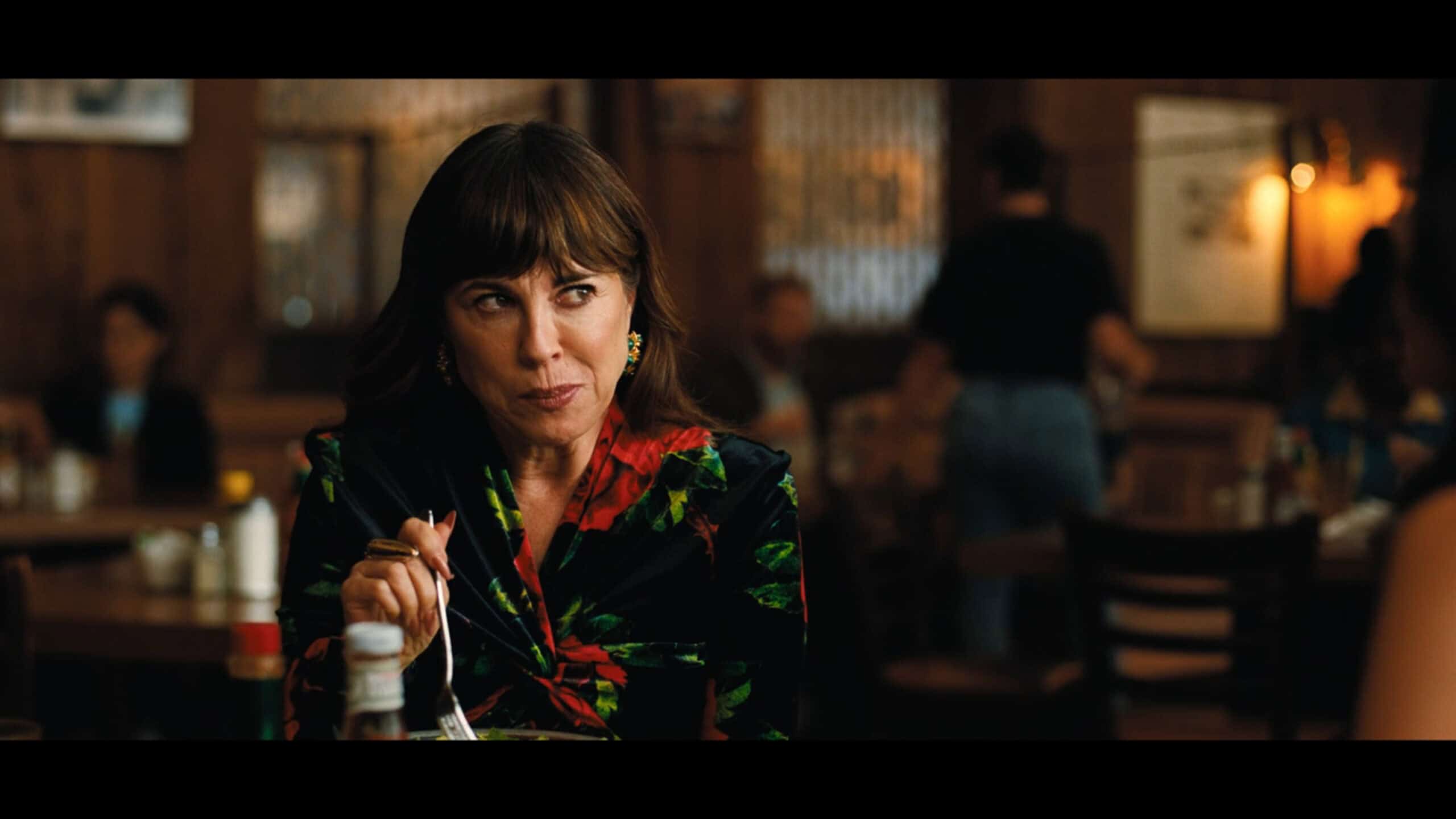
The finale of Euphoria’s debut season, "And Salt the Earth Behind You," functions as a haunting, sensory-overload conclusion to Rue Bennett’s initial journey. It masterfully resolves the immediate tensions of the Winter Formal while leaving the emotional and psychological fates of its ensemble cast in a state of fractured ambiguity, punctuated by a polarizing musical sequence.
The Narrative Resolution of Season One
As the eighth and final episode of the first season, "And Salt the Earth Behind You" had the monumental task of weaving together the disparate threads of addiction, identity, and trauma that defined the series. The episode focuses on the immediate aftermath of the previous episodes' escalations, centered primarily on the Winter Formal. Rather than providing a traditional "happily ever after" or a clean cliffhanger, showrunner Sam Levinson opted for a "scorched earth" approach—fitting, given the episode’s title.
The narrative architecture of this finale is built on the concept of consequences. Every character is forced to reckon with the facades they built throughout the season. For Rue, it is the realization that her sobriety was tethered entirely to her relationship with Jules. For Nate, it is the violent collision between his curated alpha-male persona and the reality of his family’s secrets. The episode does not just end the season; it deconstructs the progress the characters thought they had made.
Rue and Jules: The Train Station Departure
The emotional core of the episode lies in the plan between Rue and Jules to run away to the city. This sequence represents the pinnacle of their codependency. Jules, feeling suffocated by the pressure of the small town and the trauma of her interactions with Nate/Cal, views the city as a sanctuary. Rue, desperate to be whatever Jules needs her to be, agrees to the plan despite her visible hesitation and the logistical impossibility of it.
When they reach the train station, the power dynamic shifts. Rue realizes she cannot leave her family or her stability behind—not because she doesn't love Jules, but because she is fundamentally afraid of herself without the guardrails of her home. Jules’ departure on the train, leaving a devastated Rue on the platform, serves as the catalyst for the episode's controversial ending. It confirms that their relationship, while beautiful, was unsustainable and built on a foundation of mutual escapism rather than genuine healing.
Nate Jacobs: The Struggle for Control
Nate Jacobs provides the most visceral and disturbing sequence of the finale. Throughout Season 1, Nate functioned as a predator, maintaining control through blackmail and physical intimidation. In Episode 8, that control evaporates. His failure to "perform" during the football game and the mounting pressure of his father’s double life lead to a terrifying breakdown.
The scene in which Nate engages in a physical altercation with his father, Cal, only to end up screaming and slamming his own head against the floor, is one of the most discussed moments in the series. It highlights the cycle of toxic masculinity and the genuine mental health crisis simmering beneath Nate’s villainous exterior. By the end of the episode, Nate is not defeated in a traditional sense, but he is fundamentally broken, setting the stage for his even more volatile behavior in subsequent seasons.
The Surrealist Ending: "All For Us" Analysis
Perhaps the most defining element of the Euphoria Season 1 finale is its final five minutes. After Rue returns home from the train station, she suffers a relapse. This transition is not depicted with gritty realism but through a massive, stylized musical number featuring the song "All For Us" by Labrinth and Zendaya.
This sequence functions as a metaphorical representation of Rue’s internal state. Surrounded by a choir and a marching band, Rue is lifted and tossed by a sea of bodies, eventually climbing a mountain of people only to fall back into the darkness.
Interpretations of the Musical Sequence
| Interpretation | Evidence in Sequence | Narrative Impact |
|---|---|---|
| The Relapse | Rue snorting a line of crushed pills immediately preceding the song. | Signals a return to the cycle of addiction after months of sobriety. |
| The Near-Death Experience | The ethereal lighting and the presence of her deceased father. | Suggests that the relapse was almost or intentionally fatal. |
| The Emotional Purge | The shift from the intimate bedroom setting to the grand scale of the parade. | Represents the overwhelming "high" that drug use provides, masking her pain. |
| A Memorial | The somber tones and the way she is carried like a casket. | Foreshadows the recurring theme of Rue’s mortality throughout the series. |
The sequence remains one of the boldest swings in 21st-century prestige television. While some critics in 2019 and later years argued it detracted from the emotional weight of the scene, others praised it as a brilliant way to visualize the "sensory distortion" of drug use. As of 2026, looking back at the series' evolution, this ending remains the definitive example of Euphoria’s commitment to "emotional truth over literal truth."
Themes and Visual Language
Visually, "And Salt the Earth Behind You" is a masterclass in cinematography by Marcell Rév. The use of light and color continues to be the primary storytelling tool. The Winter Formal is bathed in cool blues and harsh whites, contrasting with the warm, hazy ambers of Rue’s drug-induced hallucinations.
The Role of Color Theory
In this episode, the color palette shifts significantly. The "Euphoria gold" and glitter that defined the middle of the season are replaced by deep violets and shadows. This reflects the transition from the honeymoon phase of Rue and Jules’ relationship to the grim reality of their separation. Even the makeup, a hallmark of the show’s cultural impact, becomes more smeared and less precise as the episode progresses, signaling the characters' loss of composure.
Addiction as a Lens
The episode explores addiction not just as a medical condition, but as a lens through which Rue views her entire world. The finale argues that for Rue, Jules was just another drug—a way to change how she felt about herself. When Jules leaves, the "withdrawal" is so severe that Rue returns to the only other thing that can numb the pain. This circular narrative structure is a bleak but honest portrayal of the recovery process, which is rarely a straight line.
Performance Reviews: A Career-Defining Turn
Zendaya’s performance in this episode solidified her status as a powerhouse dramatic actress, eventually leading to her historic Emmy win. Her ability to convey Rue’s panic at the train station through micro-expressions, followed by the sheer physicality of the final dance, is exceptional. She manages to make Rue empathetic even when she is making the worst possible decisions.
Hunter Schafer’s portrayal of Jules also reaches new depths. In the finale, Jules is no longer just the "dream girl" archetype; she is a teenager who is frightened, overwhelmed, and looking for an exit. Schafer captures the guilt Jules feels for leaving Rue, balanced with her desperate need for self-preservation.
Jacob Elordi’s Nate Jacobs remains one of the most complex antagonists on television. In the finale, Elordi manages to convey a sense of profound vulnerability during his breakdown that makes his previous acts of violence feel like the symptoms of a deep-seated pathology rather than just simple "villainy."
Comparison: Finale vs. The Rest of Season 1
Compared to the high-octane drama of Episode 4 (the Carnival) or the psychological intensity of Episode 7, the finale is more atmospheric. It prioritizes mood and character resolution over plot twists. While some viewers found the lack of a definitive "conclusion" for characters like Fezco or Maddy frustrating, the episode succeeded in establishing the "new normal" for the cast.
- Fezco’s Arc: His robbery of the doctor to pay back Mouse is the most traditional "thriller" element of the episode. It adds a layer of life-or-death stakes that balances the more internal emotional drama of the other characters.
- Cassie’s Growth: Her decision to undergo an abortion is handled with a quiet, somber maturity that contrasts with the chaos surrounding her. It marks her first real step toward independence.
- Kat and Ethan: Their reconciliation provides the only "light" moment in an otherwise dark finale, offering a glimpse of healthy connection in a show defined by toxic relationships.
Key Character Status and Outcomes
To better understand where the finale leaves the main cast, we can look at their final positions at the end of Season 1.
| Character | Final Conflict in Episode 8 | Outcome | Status for Season 2 |
|---|---|---|---|
| Rue Bennett | Fear of abandonment vs. Sobriety | Relapses after Jules leaves | Spiritually and physically lost |
| Jules Vaughn | Desire for escape vs. Loyalty to Rue | Leaves on a train to the city | Seeking identity outside the town |
| Nate Jacobs | Repressed trauma vs. Public image | Complete psychological breakdown | Increasingly unstable and dangerous |
| Cassie Howard | Unplanned pregnancy | Chooses to have an abortion | Emotionally drained but resilient |
| Maddy Perez | Discovery of Cal's video | Steals the disc from Nate's room | Holds a dangerous secret |
| Fezco | Debt to a dangerous dealer | Robs a supplier to pay Mouse | In extreme physical danger |
Addressing Ambiguities and Common Questions
The Euphoria Season 1 finale is notorious for its lack of hand-holding, leading to several common points of confusion for viewers.
Did Rue die in the finale?
As of current series lore through 2026, it is confirmed that Rue did not die in the Season 1 finale. While the "All For Us" sequence has funerary imagery (the red hoodie, being carried by the crowd), it was intended to represent her "spiritual death" and the death of her sobriety. The "Bridge Episodes" (Special Episodes) and Season 2 clarify that she survived the overdose/relapse.
What was on the disc Maddy took?
The disc Maddy steals from Nate’s room contains the footage of Nate’s father, Cal Jacobs, with Jules. This is the "smoking gun" of the season, representing the leverage Nate had over Jules and the secret that could destroy the Jacobs family. Maddy’s possession of it changes the power dynamic between her and Nate entirely.
Why did Rue choose not to go with Jules?
Rue’s decision was rooted in her anxiety and her connection to her family. While she loves Jules, she realizes that she is not mentally or emotionally equipped to survive in a new city without any support system. Her refusal to get on the train is her first moment of genuine self-awareness in the season, even if it leads to a tragic relapse shortly after.
Troubleshooting Your Viewing Experience
If you are watching Euphoria in 2026, here are some practical tips for contextualizing this episode:
- Watch the Special Episodes Next: Do not skip directly from Season 1, Episode 8 to Season 2. There are two "special episodes" (one focused on Rue, one on Jules) that take place immediately after the finale. They provide essential context for the characters' mental states during the Winter Formal.
- Sound Quality Matters: The audio mixing in the "All For Us" sequence is incredibly dense. Use a high-quality sound system or headphones to fully appreciate the layering of Labrinth’s production.
- Content Warning: This episode contains graphic depictions of self-harm, drug use, and an abortion procedure. It is one of the most intense episodes in the series' history.
Final Recommendation
"And Salt the Earth Behind You" is a polarizing but essential hour of television. It succeeds as a review of the human condition under the pressure of modern adolescence. It does not offer easy answers because, for people struggling with addiction and trauma, there are no easy answers.
For viewers seeking a resolution to the Nate Jacobs storyline, this episode offers more questions than answers. However, for those interested in the psychological depth of Rue and Jules, it is the defining moment of their arc. The finale proves that Euphoria is less about "what happens next" and more about "how it feels when it happens." It is a visual and emotional feast that demands multiple viewings to fully deconstruct.