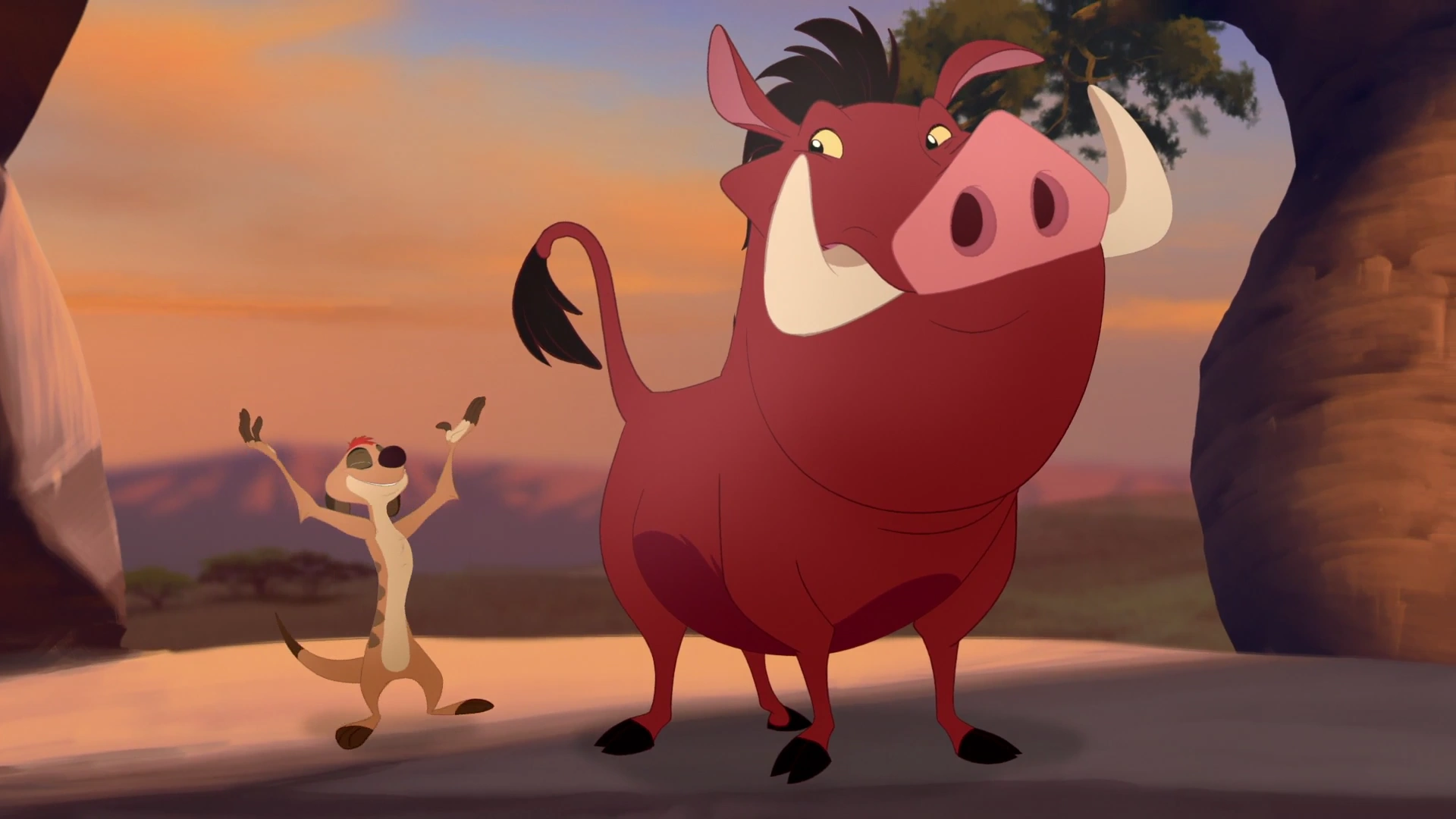
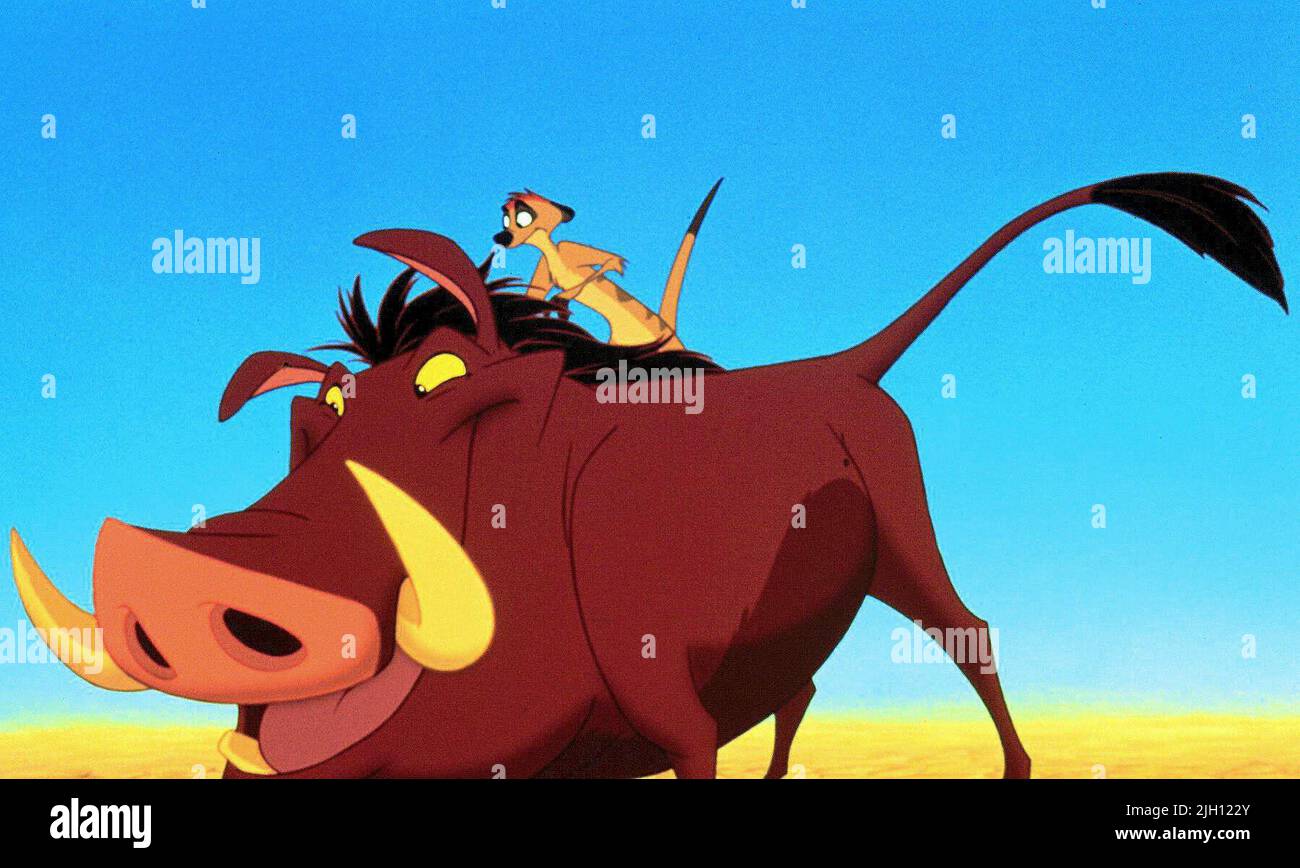
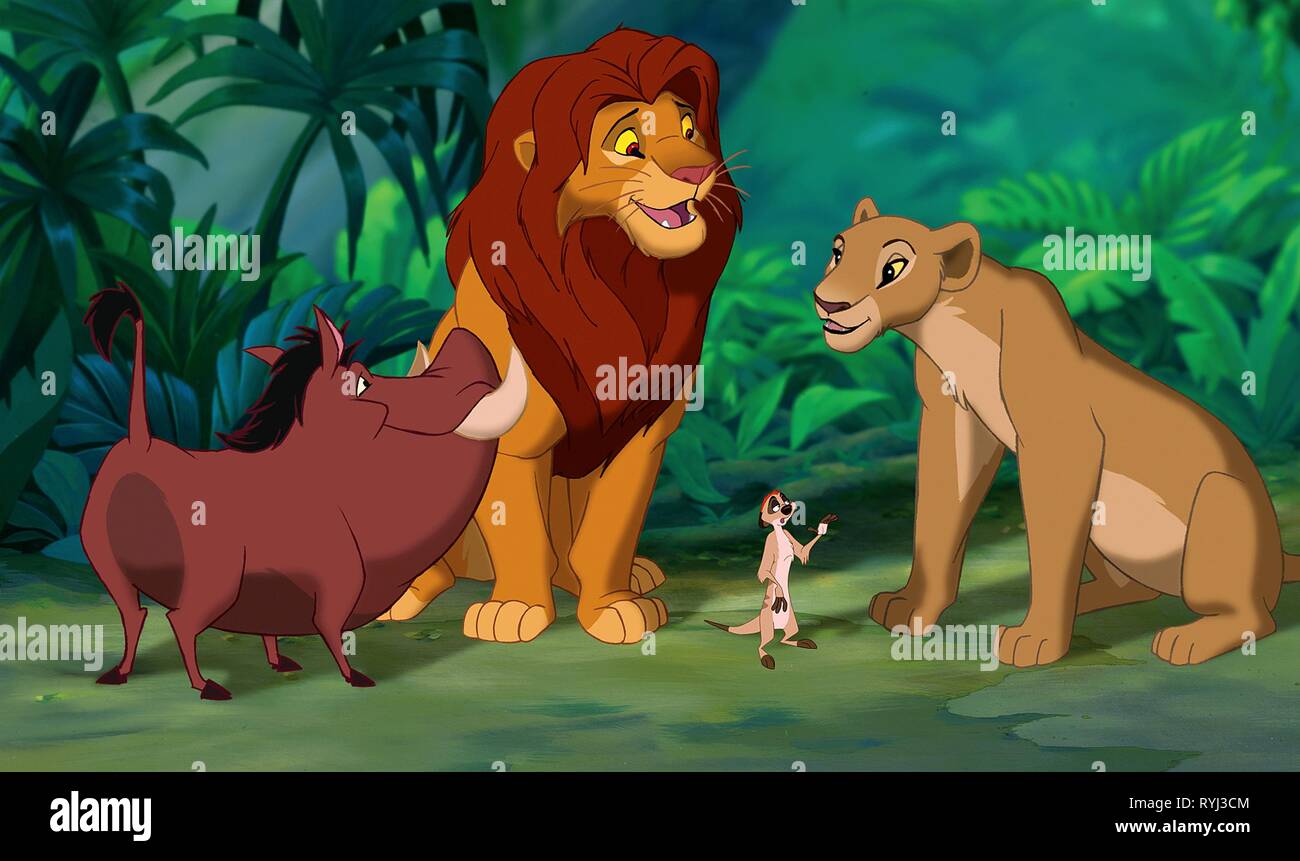
The role of Timon in the 1994 classic The Lion King was famously voiced by Broadway legend Nathan Lane. Originally auditioning for the role of a hyena, Lane’s chemistry with Ernie Sabella (Pumbaa) redefined the character from a secondary background player into a central comedic icon of the Disney Renaissance.
As we look back from the vantage point of 2026, The Lion King remains a masterclass in voice acting and character development. While the 1994 film is over three decades old, the intricacies of how Timon was brought to life continue to serve as a blueprint for modern animation. Timon was not just a sidekick; he was a breakthrough in how Disney approached character dynamics, celebrity voice talent, and improvisational comedy.
Below are seven deep insights into the casting and development of Timon in the 1994 production, revealing how Nathan Lane’s influence shaped the meerkat we know today.
1. The Hyena Audition That Changed Everything
One of the most fascinating aspects of The Lion King’s production history is that Nathan Lane and Ernie Sabella did not originally audition for the roles of Timon and Pumbaa. At the time, the two were starring together in the 1992 Broadway revival of Guys and Dolls. They decided to audition for the roles of the hyenas (Banzai and Shenzi), who were envisioned as a comedic duo.
During the audition, the directors (Roger Allers and Rob Minkoff) were so struck by the natural rapport and "vaudeville" energy between Lane and Sabella that they realized these two actors were wasted on the hyenas. Instead of casting them as villains, the production team decided to rethink the roles of the meerkat and the warthog. This pivot was crucial because, in the early script drafts, Timon and Pumbaa were much more minor characters. The "buddy" dynamic that Lane and Sabella brought to the table convinced the writers to expand their screen time, effectively turning them into the emotional and comedic bridge of the film’s second act.
2. A Pioneer in Concurrent Recording Sessions
In traditional animation, voice actors typically record their lines individually in a sound booth. This allows the director to focus on one performance and makes it easier to edit the audio tracks later. However, because Nathan Lane and Ernie Sabella had such a refined comedic shorthand from their time on Broadway, the directors made the rare decision to have them record their lines together in the same room.
This "in-person" recording was a significant technical risk for 1994. It meant that their voices would sometimes overlap, making the sound engineering more complex. However, the payoff was an organic, fast-paced dialogue that felt lived-in and authentic. The quick-fire banter, the interruptions, and the shared laughs were all products of this joint recording process. This approach is now more common in high-end animation, but in the early 90s, it was a testament to Lane’s specific talent and the necessity of capturing his live-energy chemistry with Sabella.
3. The Broadway Influence on Character Design
Nathan Lane was a titan of the New York stage before he became a household name in Hollywood. His theatrical background deeply influenced how Timon was animated. Michael Surrey, the supervising animator for Timon, spent extensive time watching Lane record his lines. He didn't just listen to the voice; he studied Lane’s frantic hand gestures, his eyebrow movements, and his specific "fast-talking" posture.
As a result, Timon’s character design is effectively a caricature of Nathan Lane’s stage presence. The way Timon uses his hands to emphasize his points and his wide-eyed, expressive face are direct reflections of Lane’s physical acting style. This was a shift for Disney; while they had used celebrity voices before (such as Robin Williams as the Genie), the 1994 cast of The Lion King saw a deeper integration of the actor’s physical personality into the animated frames than perhaps any film before it.
4. Improvisation and the "Hula" Scene
While the script for The Lion King was tightly written, Nathan Lane was encouraged to improvise. The production team realized early on that Lane’s wit was faster than any writer could anticipate. One of the most famous examples of this is the "Hula" scene.
When Timon and Pumbaa are asked to be the "live bait" to distract the hyenas, the script originally called for a simpler distraction. Lane reportedly ad-libbed the line, "What do you want me to do, dress in drag and do the hula?" The directors loved the line so much that they built an entire musical sequence around it. This moment highlights how Lane wasn't just a voice for hire; he was a creative collaborator who influenced the narrative flow and the humor of the film in real-time.
5. Vocal Demands and the "Hakuna Matata" Legacy
Timon’s singing voice is as iconic as his speaking voice. Lane’s background in musical theater was essential for tracks like "Hakuna Matata" and "Can You Feel the Love Tonight." However, the recording process for "Hakuna Matata" was particularly grueling. Because the song serves as a narrative transition (showing Simba growing from a cub to an adult), the energy levels had to remain consistently high.
Lane had to maintain a specific "nasal" quality to Timon’s voice while still hitting the notes required for a Broadway-style showtune. This vocal strain is often overlooked, but it required a professional of Lane's caliber to ensure the character sounded "small" (like a meerkat) but possessed the vocal "bigness" required to carry a Disney anthem. By 2026, "Hakuna Matata" remains one of the most streamed Disney songs in history, a feat largely credited to Lane’s infectious performance.
6. The Character's Evolution from "Jerky" to "Loyal"
In the earliest storyboards, Timon was written with a much more cynical, almost mean-spirited edge. He was intended to be a character who took advantage of Pumbaa and was skeptical of Simba primarily for selfish reasons. However, Nathan Lane’s natural likability and warmth forced the writers to soften the character.
While Timon remains the "brains" of the operation and can be impatient, Lane’s performance added a layer of genuine parental concern for Simba. This nuance is what makes the 1994 version of Timon so enduring. He isn't just a comic relief; he is a character who eventually chooses loyalty and bravery over his own "Hakuna Matata" philosophy of avoiding responsibility. Lane managed to balance the "fast-talking city slicker" persona with the heart of a true friend.
7. Comparative Analysis of Timon's Voice and Role
To understand the impact of Nathan Lane’s 1994 performance, it is helpful to look at the technical and creative specifications that defined the character.
| Feature | 1994 Timon Specification | Creative Impact |
|---|---|---|
| Voice Actor | Nathan Lane | Brought Broadway-caliber timing and singing. |
| Animation Lead | Michael Surrey | Integrated Lane's physical mannerisms into the meerkat. |
| Recording Style | Joint (with Ernie Sabella) | Enabled authentic, rapid-fire comedic banter. |
| Original Role | Minor comic relief | Expanded into a major protagonist due to talent. |
| Key Song | "Hakuna Matata" | Defined the film's philosophy and marketing. |
| Ad-lib Frequency | High | Led to the creation of the Hula distraction scene. |
| Philosophy | Hedonism to Loyalty | Provided the moral growth necessary for the B-plot. |
Frequently Asked Questions
Did Nathan Lane record Timon's lines for the sequels?
Yes, Nathan Lane reprised his role as Timon in the 1998 sequel The Lion King II: Simba's Pride and the 2004 prequel/parallel film The Lion King 1½. His consistency across these projects helped solidify Timon as one of Disney’s most recognizable characters. While other actors have voiced Timon in spin-offs like Timon & Pumbaa (the TV series) and The Lion Guard, Lane remains the definitive voice associated with the theatrical 1994 version.
How did the chemistry between Lane and Sabella start?
Their chemistry was forged on the Broadway stage. They were performing in Guys and Dolls together in the early 1990s. When they walked into the audition room for The Lion King, they were already a functioning comedic unit. This pre-existing relationship is why their dialogue in the 1994 film feels so much more natural than most animated duos of that era, where actors are often meeting for the first time in the studio.
Was Timon originally supposed to be a meerkat?
Yes, the species was largely decided early on, but his personality was not. Meerkats are social animals, but Timon was portrayed as an outcast. The 1994 film didn't focus much on his backstory, but the character design—small, upright, and alert—was perfectly suited for Lane’s "nervous energy" style of acting. The 2004 film The Lion King 1½ later explored his meerkat colony in detail, but the 1994 original focused solely on his life as an expatriate in the jungle.
Why is Nathan Lane's performance considered a turning point for Disney?
Before The Lion King and Aladdin, Disney characters were often voiced by professional voice-over artists rather than major Broadway or film stars. Nathan Lane’s success as Timon proved that a "big" theatrical personality could elevate an animated character into a cultural phenomenon. This led to the "celebrity voice" era of animation, though many critics argue that few have matched the perfect alignment of actor and character seen in Lane's Timon.
What happened to Timon in the 2019 remake?
In the 2019 photorealistic remake, Timon was voiced by Billy Eichner. While Eichner brought his own modern comedic style to the role, the 1994 Nathan Lane version remains the "gold standard" for many fans due to the hand-drawn animation’s ability to capture Lane’s specific facial expressions and the nostalgia of the original Broadway-infused performance.
Final Recommendation
For those looking to truly appreciate the artistry of the 1994 Lion King cast, the best next action is to watch the "Making of The Lion King" documentaries, which feature rare footage of Nathan Lane and Ernie Sabella in the recording booth. Observing their live interactions provides a profound understanding of how much of Timon’s personality was born from spontaneous, unscripted moments between two seasoned performers. As of 2026, these archival recordings are available through Disney's digital restoration archives and remain essential viewing for students of animation and voice acting.