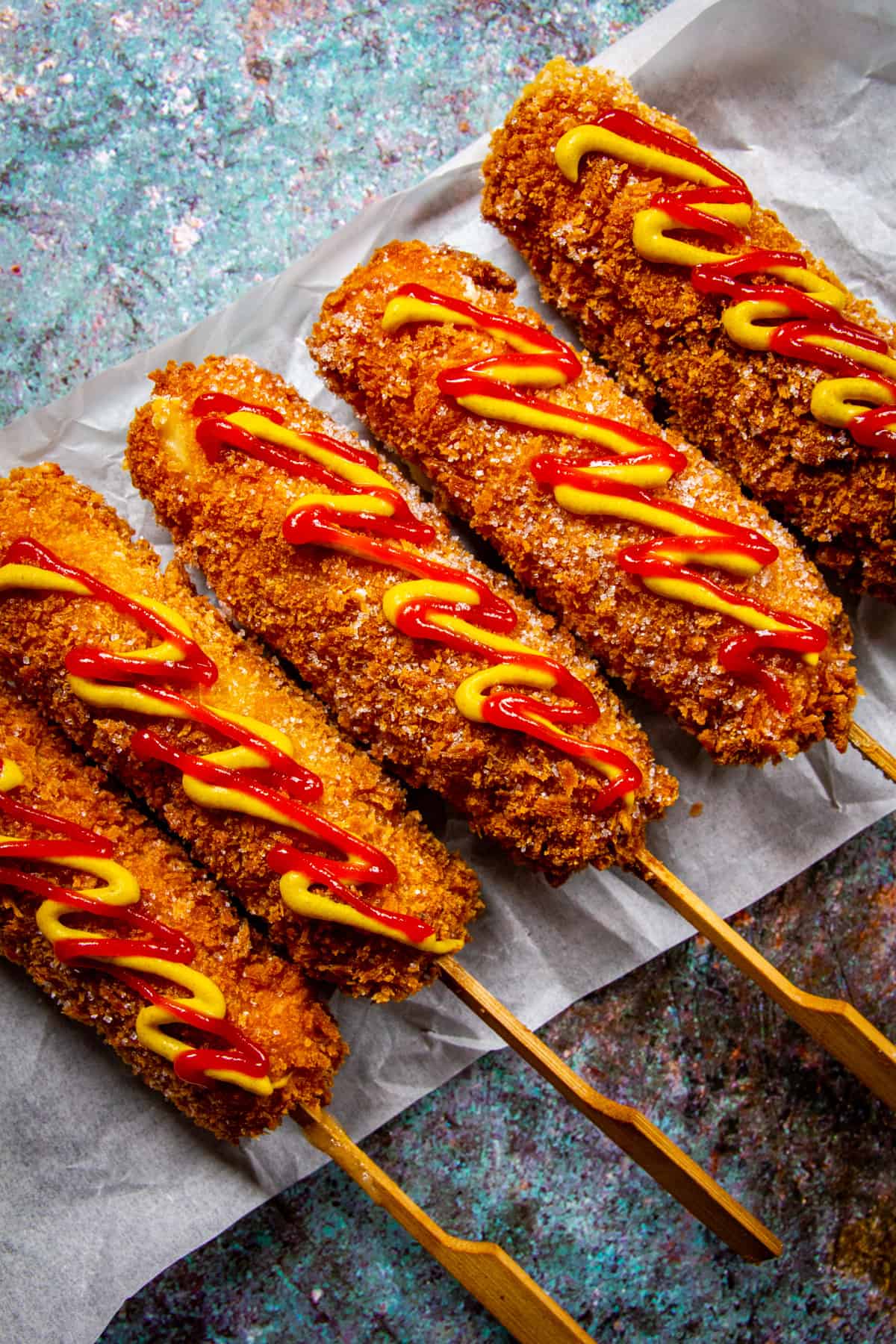
The 50 cent corn dog represents a classic fast-food promotional model designed to drive high-volume foot traffic, balancing immediate consumer savings against long-term operational costs, nutritional compromises, and psychological marketing tactics.
Promotions featuring ultra-low-priced food items, such as the legendary 50-cent corn dog deals historically run by chains like Sonic Drive-In or local state fairs, occupy a fascinating intersection of culinary economics, consumer psychology, and industrial food production. At first glance, a coin-operated price point for a battered, deep-fried hot dog on a stick feels like a nostalgic throwback or an unbeatable bargain in an era of persistent inflation. Yet, seasoned consumers, financial analysts, and nutritional experts know that very little in the commercial food landscape is ever truly cheap. Behind every half-dollar deal lies a calculated strategy involving loss-leader economics, bulk supply chain efficiencies, and subtle dietary trade-offs. Examining these promotions requires a dual lens: appreciating the genuine immediate relief they offer to budget-conscious eaters while uncovering the hidden costs—economic, physiological, and operational—that subsidize the sweet deal.
The Anatomy of the Promotion: Understanding the Loss-Leader Strategy
To comprehend how a commercial enterprise can profitably sell any prepared food item for fifty cents, one must understand the retail concept of the loss leader. A loss leader is a pricing strategy where a product is sold at a price below its market cost to stimulate other, more profitable sales. In the quick-service restaurant (QSR) industry, getting a customer through the door or into the drive-thru lane is the single most expensive hurdle for marketing departments.
When a restaurant advertises a 50 cent corn dog, the primary objective is not profit margin on the corn dog itself. Instead, the item acts as a powerful anchor that draws foot traffic. Once the customer is engaged, the transaction rarely stops at a single corn dog. Consumer behavior studies consistently show that patrons utilizing deep discounts add high-margin items to their orders—such as carbonated soft drinks, specialized milkshakes, onion rings, or family-size tater tots. The extraordinary markup on fountain beverages (where the syrup, water, and cup often cost mere pennies) easily subsidizes the thin margins or temporary losses incurred on the promotional corn dogs.
Furthermore, these promotions capitalize on frequency and habit formation. By lowering the psychological barrier to entry, a brand encourages customers to break their routine and choose their establishment over a competitor. Once the consumer is habituated to visiting the location weekly during a promotion, they are statistically more likely to return for regular-priced menu items long after the deal has expired.
Supply Chain Realities: How Production Scales to 50 Cents
Achieving a retail price point of fifty cents demands massive operational scale and precise supply chain management. At this price level, every micro-component of the product—from the mechanical separation of poultry or beef trimmings to the cornmeal batter and wooden stick—is optimized for maximum cost efficiency.
| Cost Component | Estimated Share | Operational Impact |
|---|---|---|
| Ingredients & Processing | 45% - 50% | Bulk purchasing of mechanically separated meats and commodity flour |
| Packaging & Logistics | 20% - 25% | Minimal paper sleeves, high-density shipping |
| Labor & Overhead | 15% - 20% | Automated frying lines, fast assembly speed |
| Promotional Margin | 10% or Less | Subsidized by high-margin drink/side sales |
Industrial food manufacturers produce corn dogs for the foodservice sector by the millions. The hot dog frank inside is typically constructed from finely emulsified meat trimmings, extenders, water, and specialized spice blends that allow for uniform cooking and exceptionally long freezer-shelf stability. The outer batter relies heavily on commodity agricultural products: cornmeal, enriched wheat flour, sugar, leavening agents, and dried egg solids.
When chains purchase these items by the containerload, the unit cost drops to a fraction of a cent before freight. Deep-frying operations are similarly streamlined; modern commercial fryers maintain precise oil temperatures that cook frozen corn dogs in minutes, minimizing labor hours per unit. However, this hyper-efficiency comes with operational friction. During major promotional events, kitchen staff face intense volume surges, leading to longer wait times, potential equipment strain, and accelerated oil degradation if filtration schedules are neglected.
Nutritional Trade-Offs and Dietary Realities
While the financial cost to the consumer is remarkably low, the nutritional cost demands careful scrutiny. Deep-fried processed foods are engineered to trigger sensory pleasure—combining salt, simple carbohydrates, and saturated fats in a format that bypasses natural satiety cues.
A standard-sized commercial corn dog typically packs a significant caloric punch relative to its physical weight. The batter, while providing the characteristic sweet-and-savory crunch, absorbs a notable amount of cooking oil during the frying process. Consequently, a single unit frequently contributes high amounts of sodium, refined carbohydrates, and total fats.
- Sodium Content: Preservatives, curing agents, and seasoning blends in the frankfurter and batter push sodium levels upward, which can be a concern for individuals managing hypertension or cardiovascular health.
- Refined Carbohydrates: The cornmeal-and-flour crust consists primarily of high-glycemic starches that cause rapid blood glucose spikes, followed by quick drops in energy.
- Saturated Fats: Depending on the frying medium—often commercial vegetable oils or shortening blends—the fat profile leans heavily toward compounds that, when consumed in excess, impact long-term metabolic health.
For the occasional consumer, these nutritional markers represent a harmless, budget-friendly indulgence. However, the hidden cost emerges when ultra-cheap, calorie-dense promotions become a dietary staple rather than an occasional treat.
The Psychological Hook: Why We Can’t Resist Ultra-Low Prices
The allure of the 50 cent corn dog reaches deep into behavioral economics. Humans possess an innate cognitive bias known as the "zero-price effect" or, more broadly, proportional price bias. When an item is marked down to a fraction of its normal cost, the brain perceives an immediate, disproportionate gain in value. The pain of paying fifty cents is virtually non-existent, triggering a reward response in the brain's dopamine pathways that mimics finding money or winning a small prize.
Moreover, scarcity and time-limited framing amplify this effect. Promotions tied to specific days of the week or seasonal events create an artificial sense of urgency. Consumers feel compelled to participate not merely because they are hungry, but because failing to act means missing out on an ephemeral value proposition. This psychological framing successfully masks the fact that the total expenditure, once impulse-driven add-ons are included, often matches or exceeds a standard, non-promotional meal purchase.
Comparing Promotional Fast Food vs. Home Cooking Alternatives
To fully evaluate whether the 50 cent corn dog is a genuine economic victory, it helps to compare it against the baseline of preparing food at home or purchasing standard grocery items.
| Metric / Feature | 50 Cent Promotional Corn Dog | Store-Bought Frozen Box (Bulk) | Homemade Corn Dogs from Scratch |
|---|---|---|---|
| Cost per Unit | $0.50 | $0.65 – $0.90 | $1.20 – $1.75 |
| Preparation Time | Zero (Ready to eat immediately) | 2–4 minutes (Microwave/Oven) | 20–30 minutes (Batter & Fry) |
| Ingredient Control | None (Commercial spec) | Low (Manufacturer ingredients) | High (Fresh meal, quality oil) |
| Convenience | Maximum (Drive-thru access) | Moderate (Freezer required) | Low (Active cooking and cleanup) |
| Add-on Vulnerability | High (Likely to buy drinks/sides) | Low (Home pantry consumption) | Zero (In-home inventory) |
As the comparison demonstrates, while the restaurant promotion undercuts even store-bought frozen alternatives on a pure unit-price basis, it introduces hidden vulnerabilities—specifically, the high likelihood of purchasing supplementary, high-margin items at the drive-thru window. Home preparation, though more expensive per unit and labor-intensive, grants total transparency over ingredients and eliminates impulse purchasing entirely.
Practical Guidance for Consumers: Navigating Value Promotions
Enjoying value promotions like the 50 cent corn dog without falling into financial or nutritional traps requires mindful strategy. Fast-food marketing is designed to bypass conscious deliberation, but consumers can reclaim control by following a few practical rules of engagement.
First, establish clear purchase boundaries before arriving at the restaurant or opening the mobile ordering app. Decide in advance whether the goal is strictly to sample the promotional item or to purchase a full meal. If the objective is pure frugality, order the promotional limit strictly as a standalone snack, and bring water or beverages from home to avoid the hidden markups on drinks and sides.
Second, evaluate the caloric and nutritional context of your overall weekly intake. Fast-food promotions are cyclical, recurring regularly throughout the year. Treating them as rare, nostalgic novelties rather than routine meal solutions protects both metabolic health and long-term food budgets.
Finally, calculate the true basket cost. When purchasing a fleet of promotional items alongside marked-up specialty drinks, fries, and desserts, audit the final receipt to ensure the total savings actually justify the trip. Often, a moment of mindful calculation reveals that the "sweet deal" functions best when consumed with moderation and strict adherence to a purchasing plan.
Conclusion: Balancing Bargain Hunting with Awareness
The enduring popularity of the 50 cent corn dog proves that clever marketing, efficient supply chains, and human psychology will always find a receptive audience. For the budget-conscious consumer, these promotions offer a genuine moment of financial relief and lighthearted culinary nostalgia, provided they are approached with open eyes. By recognizing the loss-leader mechanics behind the counter, guarding against impulse add-ons, and maintaining nutritional balance, eaters can successfully capture the sweet deal while avoiding the hidden costs.