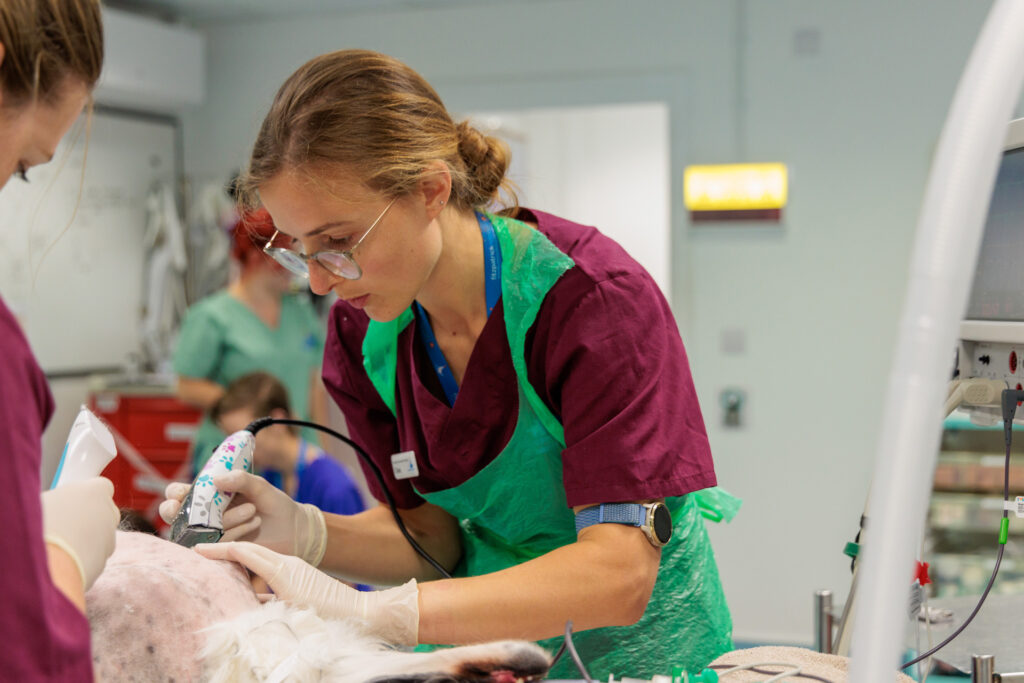
Veterinary assistants perform five primary roles: general clinical support, surgical assistance, emergency and triage care, laboratory and diagnostic imaging support, and specialty or exotic animal care. While their specific duties vary by clinic size and type, they consistently provide essential animal handling, hygiene maintenance, and administrative assistance to veterinarians and licensed technicians.
The veterinary landscape in 2026 reflects a profession that has become increasingly specialized. As the demand for high-quality pet care continues to rise, the role of the veterinary assistant has moved beyond simple kennel cleaning to encompass a wide array of technical and supportive tasks. Understanding these roles is crucial for anyone entering the field, as it allows for better career planning and a clearer understanding of how a modern veterinary hospital functions.
1. General Clinical and Outpatient Assistant
The general clinical assistant is often referred to as the "engine" of a veterinary practice. This role is primarily focused on the daily flow of outpatient appointments, ensuring that the transition from the waiting room to the exam room is seamless for both the pet and the owner.
Patient Intake and History Taking
One of the most critical duties in this role is the initial patient assessment. When a client enters an exam room, the assistant is typically the first person to interact with them. They are responsible for gathering a concise medical history, recording the "chief complaint" (the reason for the visit), and taking the patient's vital signs. This includes measuring temperature, pulse, and respiration (TPR), as well as recording the animal's weight. Accuracy here is paramount, as medication dosages are strictly calculated based on the weight recorded during this phase.
Animal Restraint and Handling
Safety is the foundation of clinical assistance. Veterinary assistants must be experts in "low-stress handling" techniques. Whether a dog is fearful or a cat is aggressive, the assistant must utilize appropriate restraint methods—such as towel wraps, muzzles, or chemical restraint assistance—to ensure the veterinarian can perform a physical exam or administer vaccines without injury to the staff or the animal. This requires a deep understanding of animal body language and the ability to anticipate a pet's movements before they react.
Client Education and Pharmacy Support
In 2026, client communication has become a major pillar of clinical assistance. Assistants often explain preventative care schedules, such as flea and tick prevention or heartworm protocols, to owners. Furthermore, they assist in the pharmacy by filling prescriptions under the direct supervision of a veterinarian. This involves counting pills, labeling bottles with precise instructions, and ensuring the client understands how to administer the medication at home.
2. Surgical and Anesthesia Assistant
The surgical assistant focuses on the sterile environment of the operating room (OR). While they do not perform surgery themselves, their presence is vital to the success of every procedure, from routine spays and neuters to complex orthopedic surgeries.
Pre-Surgical Preparation
Before a surgery begins, the assistant is responsible for preparing the surgical suite. This involves gathering the necessary surgical packs, ensuring they have been properly autoclaved (sterilized with high-pressure steam), and setting up the anesthesia machine. They also assist in "prepping" the patient, which includes shaving the surgical site and performing a surgical scrub to minimize the risk of infection.
Intraoperative Support and Monitoring
During surgery, a surgical assistant may act as a "circulating" assistant or a "scrubbed-in" assistant. The circulating assistant remains non-sterile, opening packs for the surgeon and adjusting equipment. The scrubbed-in assistant wears sterile attire and may assist by holding retractors or cutting sutures. Additionally, they assist the veterinary technician in monitoring anesthesia by observing the patient's heart rate, oxygen saturation (SpO2), and CO2 levels, alerting the medical team to any fluctuations immediately.
Post-Operative Recovery
The role does not end when the last suture is placed. The surgical assistant monitors the patient as they wake up from anesthesia. This "recovery" phase is a high-risk period where animals may experience respiratory distress or dysphoria (confusion from anesthesia). Assistants ensure the animal is warm, comfortable, and that their pain is being managed according to the veterinarian's instructions.
3. Emergency and Triage Assistant
Working in an Emergency and Critical Care (ECC) setting requires a specific temperament. The emergency assistant must be able to remain calm under extreme pressure and move quickly when a "code" or life-threatening situation arrives at the clinic door.
The Triage Process
In an emergency hospital, patients are not seen in the order they arrive; they are seen based on the severity of their condition. Assistants in this role are trained to perform rapid triage. They assess whether a patient is stable or needs immediate intervention based on the "ABC" protocol: Airway, Breathing, and Circulation. If an animal arrives in respiratory distress, the assistant is responsible for immediately alerting the vet and providing supplemental oxygen.
Intensive Care Unit (ICU) Support
For patients staying overnight in the ICU, the assistant provides constant monitoring. This includes checking IV fluid lines for kinks, measuring urinary output, and performing "rechecks" on vitals every one to four hours. They are often responsible for maintaining the cleanliness of the ICU cages, as hygiene is critical for immunocompromised or post-traumatic patients.
Emotional Resilience and Compassion
Emergency assistants often deal with clients who are in a state of shock or grief. This role requires a high degree of emotional intelligence. They must provide compassionate support while remaining focused on the technical tasks required to save the animal's life.
4. Laboratory and Diagnostic Imaging Assistant
This role is ideal for those who enjoy the "detective work" of veterinary medicine. The laboratory assistant spends a significant portion of their time behind the scenes, processing samples and capturing images that allow the veterinarian to make an accurate diagnosis.
Laboratory Sample Processing
Modern veterinary clinics in 2026 utilize advanced in-house diagnostic machines. The assistant is responsible for preparing blood, urine, and fecal samples for analysis. This might include performing a fecal flotation to look for parasites, preparing a blood smear for a manual differential, or using a centrifuge to separate blood serum from cells. They must maintain strict quality control and ensure that all equipment is calibrated and functioning correctly.
Radiography and Advanced Imaging
When a veterinarian orders X-rays (radiographs), the assistant positions the animal to get the clearest image possible. This requires knowledge of anatomy and "view" requirements (such as lateral vs. ventrodorsal). Safety is the primary concern here; assistants must wear lead-lined aprons, thyroid shields, and dosimeter badges to monitor their radiation exposure. In larger specialty practices, they may also assist with CT scans or MRIs.
| Feature | Clinical Assistant | Surgical Assistant | Emergency Assistant | Lab/Imaging Assistant |
|---|---|---|---|---|
| Primary Focus | Client flow & wellness | Sterility & OR support | Triage & trauma | Diagnostics & samples |
| Stress Level | Moderate | High (Precision-based) | Very High (Pace-based) | Moderate |
| Client Interaction | High | Low | High (Crisis-based) | Low |
| Technical Skill | Restraint & Vitals | Aseptic technique | Advanced life support | Equipment calibration |
5. Specialty and Exotic Animal Assistant
As veterinary medicine evolves, more owners are seeking care for "exotic" pets, including birds, reptiles, and small mammals. Additionally, specialty practices focusing on areas like oncology, dermatology, or cardiology require assistants with niche knowledge.
Handling Non-Traditional Species
An exotic assistant must know how to safely handle a wide variety of species. Restraining a parrot is vastly different from restraining a rabbit or a bearded dragon. For instance, birds have fragile air sacs and can suffocate if held too tightly around the chest, while rabbits can fracture their own spines if they kick out without proper back support.
Specialized Equipment and Procedures
In a specialty practice, the assistant uses equipment rarely seen in general practice. In an oncology clinic, they might assist with the safe administration of chemotherapy. In an ophthalmology practice, they assist with delicate eye exams using slit lamps and tonometers. This role requires a commitment to lifelong learning, as the protocols for these specialties are constantly being updated with new research.
Husbandry Knowledge
Specialty assistants are often the "subject matter experts" on husbandry. They advise owners on the correct temperature, humidity, and diet for their specific pets. Since many exotic animal illnesses are the result of improper care at home, this educational component is life-saving.
Education and Certification Requirements in 2026
While some veterinary assistants are trained on the job, the industry has shifted toward formal education. In 2026, the National Association of Veterinary Technicians in America (NAVTA) continues to oversee the Approved Veterinary Assistant (AVA) designation.
To earn this credential, individuals typically complete a NAVTA-approved program, which can range from 6 months to a year. These programs cover:
- Medical terminology and anatomy.
- Pharmacology basics.
- Office procedures and software.
- Animal nursing and husbandry.
- Safety and OSHA regulations.
The cost of these programs generally ranges from $2,000 to $5,000, depending on the institution. While not legally mandated in all states, having an AVA designation significantly increases earning potential and job security.
The Difference Between an Assistant and a Technician
It is essential to clarify the distinction between a veterinary assistant and a Registered Veterinary Technician (RVT). While their roles overlap, their legal scope of practice is different.
- Education: Technicians typically have a 2-to-4-year degree in veterinary technology and must pass a national exam (VTNE).
- Duties: In most jurisdictions, only technicians or veterinarians can perform tasks such as intubation, inducing anesthesia, or performing certain types of dental extractions.
- Supervision: Assistants almost always work under the direct supervision of a veterinarian or technician.
Common Challenges in the Profession
Despite the rewards of working with animals, the role of a veterinary assistant comes with significant challenges. Compassion fatigue is a well-documented issue in the field, resulting from the emotional toll of dealing with sick animals and grieving owners. Furthermore, the physical demands are high; assistants spend most of their day on their feet and are frequently required to lift animals weighing up to 50 pounds.
However, for those passionate about animal welfare, the career offers a unique opportunity to make a tangible difference. The job outlook for veterinary assistants remains strong through 2026, with the U.S. Bureau of Labor Statistics projecting continued growth as pet ownership and spending on veterinary services continue to climb.
FAQs
What is the average salary for a veterinary assistant in 2026?
In 2026, the average salary for a veterinary assistant ranges from $32,000 to $45,000 per year, depending on the region and the assistant's level of specialization. Those working in emergency or specialty hospitals typically earn at the higher end of this spectrum due to the increased technical requirements and non-traditional hours.
Can a veterinary assistant give vaccines?
In many jurisdictions, veterinary assistants can administer certain vaccines under the direct supervision of a veterinarian. However, laws vary significantly by state or province. Some regions require a licensed technician to perform any subcutaneous or intramuscular injections. Always check local veterinary board regulations for specific limitations.
Do I need a degree to become a veterinary assistant?
You do not strictly need a college degree, but a high school diploma is a universal requirement. Most successful assistants in 2026 have completed an Approved Veterinary Assistant (AVA) program or have several years of documented on-the-job training. Certification is increasingly preferred by high-end private practices and corporate hospitals.
What are the most important skills for a veterinary assistant?
The most important skills are animal handling/restraint, communication, and attention to detail. Because you are the "eyes and ears" for the veterinarian, being able to notice subtle changes in a patient's behavior or vital signs can be the difference between a successful recovery and a medical crisis.
Can a veterinary assistant become a veterinarian?
Yes, but the path requires significant additional schooling. An assistant would need to complete a bachelor's degree (including heavy science prerequisites) and then apply to a four-year Doctor of Veterinary Medicine (DVM) program. Many veterinarians start their careers as assistants to gain the necessary clinical experience for their applications.
Summary Recommendation
If you are considering a career as a veterinary assistant, start by identifying which of the five roles aligns best with your interests. If you enjoy fast-paced environments, look for opportunities in Emergency and Critical Care. If you prefer a structured, detail-oriented environment, a role in Surgical or Laboratory assistance may be a better fit. Regardless of the path, pursuing an AVA certification is the most effective way to demonstrate your commitment to the profession and secure a competitive position in 2026's veterinary market.