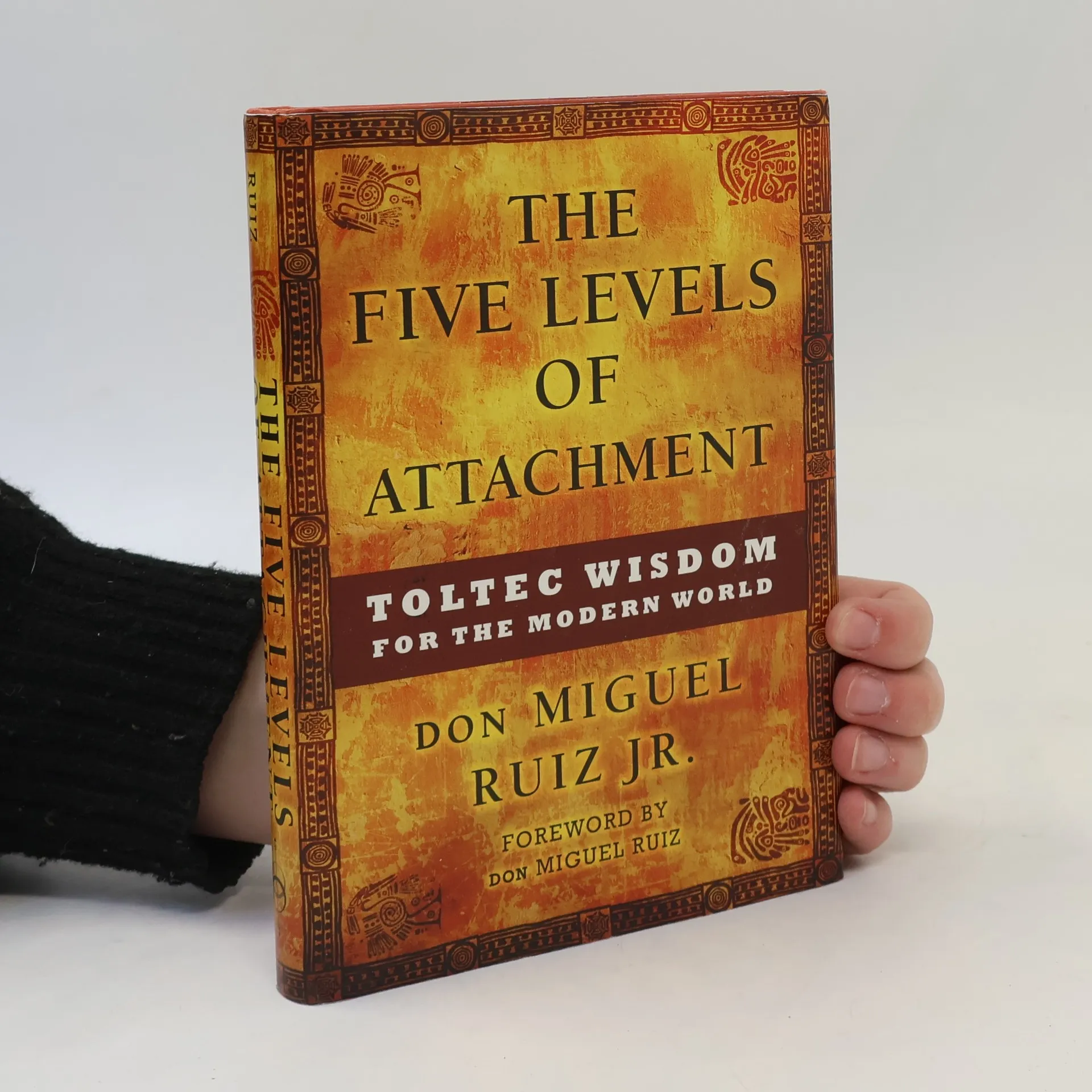
The five levels of attachment framework categorizes human relational bonds and psychological dependencies into distinct stages, ranging from extreme trauma bonds and anxious clinging to secure, autonomous connections, helping individuals analyze how they bond with others, manage emotional triggers, and develop healthier relational patterns.
Introduction to Human Attachment Theory
Attachment theory, originally pioneered by British psychologist John Bowlby and expanded by American psychologist Mary Ainsworth, revolutionized how mental health professionals understand human relationships. While classic attachment theory traditionally classifies adults and infants into secure, anxious-preoccupied, dismissive-avoidant, and fearful-avoidant (disorganized) styles, modern psychological and self-improvement frameworks frequently break down relational maturity into progressive developmental stages.
Understanding the "5 levels of attachment" allows individuals to look beyond static diagnostic labels and instead visualize relational growth as a spectrum. At one end of the spectrum lies complete emotional dependency and survival-based trauma bonding; at the other end lies transcendent, secure autonomy where a person can love deeply without losing their sense of self.
This guide explores each of the five levels in depth, providing the psychological mechanisms behind them, the observable behaviors associated with each tier, and practical steps for moving toward secure, fulfilling relationships.
Foundational Concepts: What Drives Human Attachment?
Before diving into the specific levels, it is vital to understand the biological and psychological engines that drive human bonding. Attachment is not merely a personality preference; it is an evolutionary survival mechanism.
The Neurobiology of Bonding
Human infants are born entirely helpless. To survive, they must elicit caregiving behaviors from adults. The brain develops internal working models—cognitive frameworks of expectations about oneself and others—based on early interactions with primary caregivers. These models dictate how a person expects to be treated in future romantic, platonic, and professional relationships.
The Spectrum of Emotional Independence
As individuals mature, their attachment style is continuously shaped by life experiences, trauma, therapy, and conscious self-reflection. The five levels framework maps this maturation process. It illustrates the shift from seeking external validation and emotional regulation from others to cultivating internal stability and offering reciprocal care.
The 5 Levels of Attachment Explained
Level 1: The Trauma Bond and Survival Attachment
At the lowest level of attachment, relationships are governed by survival, fear, and dysregulated nervous systems. This level is frequently characterized by trauma bonding, where intense emotional highs and lows create a powerful, chemical addiction to an unhealthy partner or dynamic.
- Psychological State: High anxiety, hypervigilance, and a pervasive fear of abandonment or annihilation. The individual often believes that love equals suffering and unpredictability.
- Behavioral Patterns: Tolering abuse, manipulation, or chronic neglect. The person continuously walks on eggshells, suppressing their own needs to keep the peace and maintain the connection.
- Nervous System Impact: The body remains stuck in chronic fight, flight, or freeze responses. Emotional regulation is entirely outsourced to the fluctuating moods of the attachment figure.
Level 2: Anxious Clinging and Conditional Validation
Moving up from survival, the second level involves chronic insecurity and an intense preoccupation with the partner's affection. While physical or psychological danger may be absent, emotional stability remains entirely dependent on external reassurance.
- Psychological State: A deep-seated core belief of "I am unlovable" or "I am inherently inadequate." The individual views others as elusive sources of safety that must be tightly managed.
- Behavioral Patterns: Over-texting, constant need for reassurance, obsessive checking of social media, and compulsive monitoring of the partner's tone and body language.
- The Root Cause: This level stems from inconsistent caregiving in childhood, where affection was given conditionally, teaching the child that they must perform or chase to earn love.
Level 3: Transactional and Conditional Attachment
At the third level, relationships begin to resemble commerce rather than genuine connection. Attachment here is heavily conditional, based on performance, social status, utility, or meeting specific expectations.
- Psychological State: Conditional self-worth tied strictly to achievements, appearance, or the approval of one's social circle. Love is viewed as something that must be earned through compliance or utility.
- Behavioral Patterns: Keeping score, withholding affection as punishment, playing power games, and maintaining conditional boundaries ("I will only love you if you act this way").
- Relational Dynamic: Both parties often experience a quiet, underlying resentment because neither feels truly accepted for who they are beneath their roles and accomplishments.
Level 4: Conscious Connection and Interdependent Partnership
The fourth level marks a major turning point toward psychological health. Individuals at this stage recognize their own attachment triggers and take active responsibility for their emotional well-being instead of blaming their partners.
- Psychological State: Emerging self-awareness, emotional resilience, and a desire for mutual growth. The individual understands that they are complete on their own and that a partner complements rather than completes them.
- Behavioral Patterns: Open communication, vulnerability, willingness to repair after conflict, and respect for individual boundaries. Both partners support each other's personal goals and independent interests.
- Relational Dynamic: Transitioning from codependency or counter-dependency to healthy interdependence, where two autonomous adults choose to share their lives daily.
Level 5: Secure Autonomy and Transcendent Attachment
The highest level of attachment represents complete emotional freedom. At this stage, an individual is deeply capable of profound intimacy while maintaining absolute self-sovereignty and unconditional self-worth.
- Psychological State: Deep inner peace, lack of defensive armor, and freedom from the fear of loss. The person loves generously because their self-worth is internally generated, not externally sustained.
- Behavioral Patterns: Unwavering emotional honesty, radical acceptance of others without trying to fix or change them, and the ability to grieve losses deeply without falling into despair.
- Relational Dynamic: Relationships are experienced as spaces of mutual expansion, creativity, and unconditional positive regard, free from manipulation, anxiety, or control.
Comparative Breakdown of the Five Levels
To clearly visualize how psychological states, behaviors, and relationship outcomes shift across the spectrum, review the comparative matrix below.
| Level | Primary Motivator | Emotional State | Relational Dynamic | Growth Milestone |
|---|---|---|---|---|
| Level 1: Survival | Fear and trauma bonding | Panic, hypervigilance | Volatile, abusive, or chaotic | Recognizing unsafety and seeking physical/emotional distance |
| Level 2: Anxious | Fear of abandonment | Chronic insecurity, desperation | Clinging, demanding, asymmetric | Developing self-sovereignty and emotional regulation |
| Level 3: Transactional | Validation and utility | Calculated, conditional worth | Scorekeeping, power struggles | Letting go of performance-based acceptance |
| Level 4: Interdependent | Mutual growth and connection | Grounded, self-aware | Collaborative, respectful, balanced | Taking radical responsibility for triggers |
| Level 5: Secure Autonomy | Unconditional love and freedom | Inner peace, abundance | Expansive, sovereign, deeply intimate | Loving without fear of loss |
Practical Strategies for Moving Up the Attachment Spectrum
Transitioning from lower, survival-driven attachment styles to secure autonomy requires intentional, sustained psychological work. Healing does not happen overnight, but individuals can actively reshape their relational wiring through targeted practices.
1. Cultivate Radical Self-Awareness
You cannot change what you do not notice. Begin by mapping your relational triggers. When you feel a sudden surge of panic, anger, or despair in a relationship, pause and ask yourself:
- Is this reaction based on the present reality, or is it an echo of a past wound?
- What am I desperately trying to control right now?
2. Practice Self-Sovereignty and Emotional Regulation
Lower attachment levels require external sources to regulate emotional states. Break this habit by building a robust internal toolkit for self-sovereignty:
- Somatic Grounding: Use breathwork, physical movement, or tactile sensations to calm your nervous system during panic spikes instead of immediately reaching out to a partner for reassurance.
- Self-Validation: Acknowledge your own emotions without judgment. Remind yourself that feeling hurt or anxious does not mean you are broken or abandoned.
3. Establish and Respect Clear Boundaries
Healthy attachment cannot exist without boundaries. Learn to distinguish between boundaries (rules for your own behavior and what you will accept) and attempts to control others. Practice saying "no" without guilt and accepting "no" without taking it as a personal rejection.
4. Engage in Targeted Therapeutic Modalities
Working through deep-seated attachment trauma often benefits from professional guidance. Modalities such as Emotion-Focused Therapy (EFT), Internal Family Systems (IFS), and Somatic Experiencing are exceptionally effective at rewiring relational neural pathways.
Common Pitfalls on the Path to Secure Attachment
As individuals work on transforming their attachment patterns, several common obstacles frequently arise. Being aware of these traps can prevent regression into lower levels.
- Mistaking Avoidance for Security: Some individuals who struggle with anxious attachment swing too far in the opposite direction, adopting a cold, dismissive-avoidant posture. They convince themselves they "don't need anyone," mistaking isolation for emotional maturity. True security involves the capacity for vulnerability, not emotional numbness.
- Expecting Partners to Heal You: While a secure and supportive partner can provide a corrective relational experience, they cannot do the internal psychological labor required to heal your core wounds. Expecting a partner to completely cure your abandonment anxiety places an unfair burden on the relationship.
- Rushing the Process: Healing attachment styles requires rewiring deeply ingrained neurobiological patterns. Expect setbacks, periods of regression, and moments of intense discomfort. Patience and self-compassion are essential components of progress.
Frequently Asked Questions
Can an individual's attachment style change over time?
Yes, attachment styles are not fixed personality traits; they are behavioral patterns and neural habits. Through intentional self-reflection, trauma recovery, healthy romantic experiences, and therapy, individuals with insecure attachment styles can achieve "earned security," exhibiting secure relational behaviors later in life.
How do attachment levels impact professional relationships?
Attachment patterns profoundly influence workplace dynamics. Individuals operating at survival or anxious levels may struggle with severe imposter syndrome, fear of authority figures, or intense distress over constructive criticism. Conversely, those operating at interdependent or secure levels communicate transparently, handle professional setbacks with resilience, and collaborate effectively without needing constant micromanagement.
Are attachment styles genetic?
While temperament has a genetic component, attachment styles are primarily environmental and relational. They are forged through the dynamic interaction between an infant and their primary caregivers during the formative years of brain development, though adult experiences continue to shape them significantly.
What is the difference between codependency and interdependent attachment?
Codependency (typically seen in levels 1 and 2) involves losing one's identity to manage another person's emotions, well-being, or chaos. Interdependent attachment (level 4) involves two distinct, autonomous individuals who maintain their separate identities, hobbies, and emotional boundaries while choosing to support and share their lives with one another.
How do I know which attachment level I currently occupy?
Examine how you respond to conflict, distance, and vulnerability in your closest relationships. If your emotional stability collapses when a partner does not text back immediately, you likely operate near level 2. If you can maintain internal calm, express your needs clearly, and allow your partner freedom without anxiety, you are operating near levels 4 or 5.
Conclusion and Next Actions
The framework of the 5 levels of attachment provides a powerful roadmap for understanding human connection, from the chaotic depths of trauma bonding to the liberating heights of secure autonomy. Recognizing where you currently fall on this spectrum is the essential first step toward meaningful transformation.
To begin your journey toward healthier, more secure relationships, take one concrete action today: choose one significant relationship in your life, examine your recurring triggers within it, and write down a single boundary or self-sovereignty practice you can implement the next time emotional distress arises.