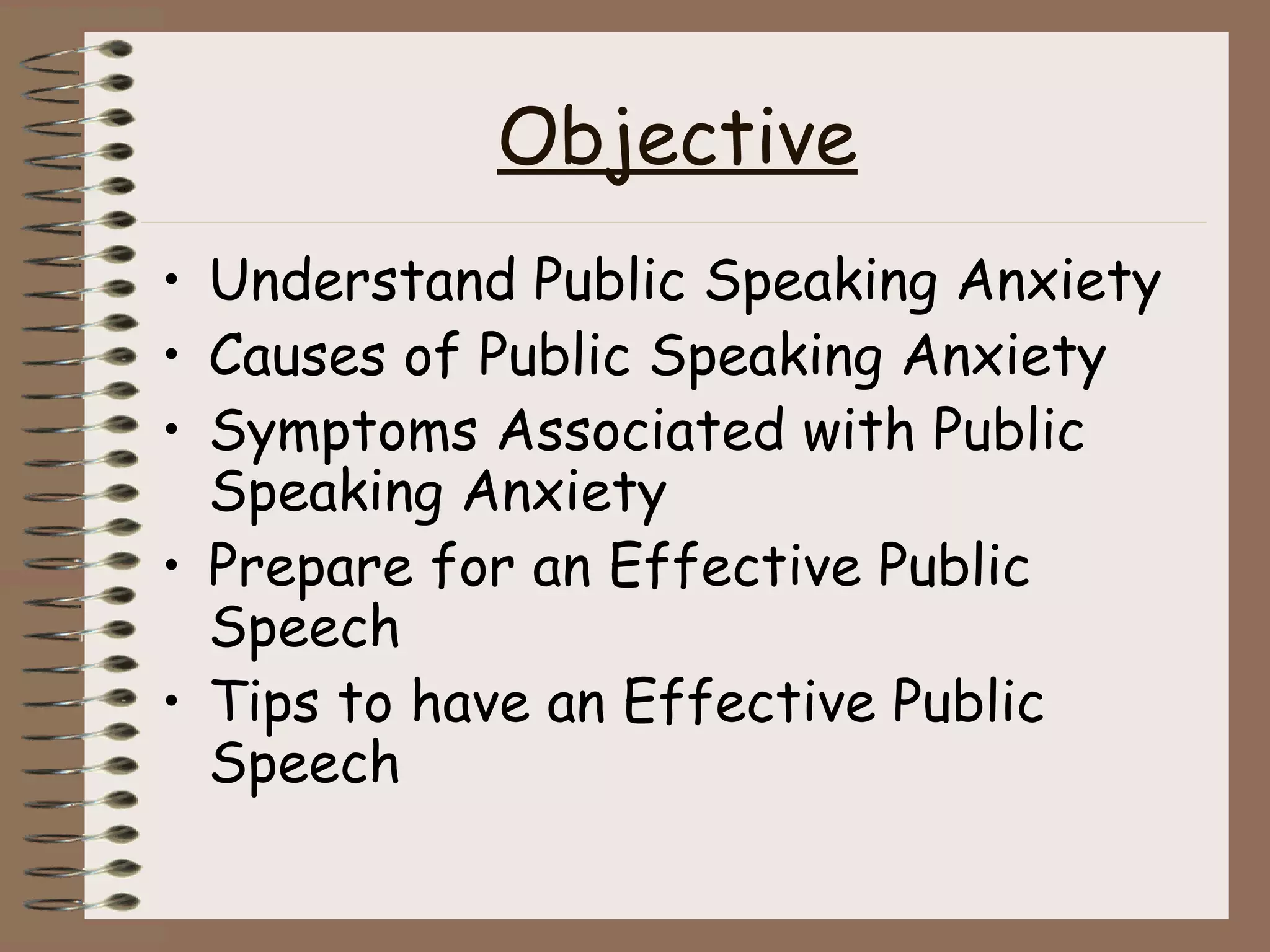
Poor public speaking occurs when a speaker fails to bridge the gap between their message and the audience’s needs, resulting in confusion, boredom, or distraction. This usually manifests through information overload, excessive reliance on visual aids, vocal monotony, distracting non-verbal cues, and a fundamental lack of audience-centricity.
In the professional landscape of 2026, the ability to communicate effectively remains the premier soft skill for leadership and career advancement. Despite the rise of AI-assisted content generation, the human element of delivery—the "how" of the message—carries more weight than ever. When a speaker fails, it is rarely because they lack information; rather, it is because they have failed to package that information in a way that the human brain can digest.
Identifying the specific traits of ineffective or "poor" speaking is the first step toward mastery. By examining these five common failures, speakers can diagnose their own weaknesses and apply targeted corrections to ensure their next presentation is impactful and memorable.
1. The "Data Dump": Information Overload and the Curse of Knowledge
One of the most frequent examples of poor public speaking is the "Data Dump," where a speaker attempts to share everything they know about a topic within a limited timeframe. This often stems from a psychological phenomenon known as the Curse of Knowledge. This occurs when a speaker, who is an expert in their field, finds it impossible to imagine what it is like not to know that information. Consequently, they skip foundational steps, use dense jargon, and overwhelm the audience with raw statistics.
The Impact on Cognitive Load
From a neurological perspective, the human brain has a limited capacity for processing new information in real-time, a concept known as Cognitive Load Theory. When a speaker delivers a relentless stream of data without breaks or context, the audience’s working memory becomes saturated. Once this saturation point is reached, the listeners simply stop recording new information. They may appear to be listening, but their brains have effectively "checked out" to avoid exhaustion.
The 2026 Solution: The Rule of Three
To fix the Data Dump, speakers must prioritize "need to know" over "nice to know." In 2026, the most effective presenters utilize the Rule of Three. This principle suggests that information is most easily retained when presented in groups of three. Instead of covering twelve points, a speaker should identify the three most critical takeaways and spend their time reinforcing those through stories, examples, and data. If the audience requires more detail, that information should be provided in a post-presentation handout or a digital follow-up.
2. The "Wall of Text": Over-Reliance on Visual Aids
The second clear example of poor public speaking is the "Wall of Text," characterized by slides filled with bullet points, complex charts, and full sentences. In this scenario, the speaker often turns their back to the audience to read the slides, effectively becoming a narrator for a document that the audience could have read on their own.
The Split-Attention Effect
This failure is grounded in the Split-Attention Effect. Humans cannot effectively read and listen to different information at the same time. When a slide is covered in text, the audience’s instinct is to read it. While they are reading, they are not listening to the speaker. This creates a cognitive dissonance that leads to frustration and a loss of authority for the speaker. If the audience is faster at reading the slide than the speaker is at talking through it—which is almost always the case—the speaker becomes redundant.
The 2026 Solution: Visual Minimalism
Modern standards in 2026 emphasize Visual Minimalism. Slides should serve as a backdrop that enhances the emotional or conceptual weight of the spoken word, not as a teleprompter. A common guideline is the "10/20/30 Rule" (popularized by Guy Kawasaki but still relevant in 2026): no more than 10 slides, lasting no more than 20 minutes, with a font size no smaller than 30 points. Using high-quality imagery or a single powerful word per slide forces the audience to focus on the speaker’s voice for the context.
3. The "Monotone Marathon": Lack of Vocal Variety
A speaker may have excellent content and beautiful slides, but if they deliver their message in a flat, unvarying tone, they fall into the "Monotone Marathon." Vocal variety—the modulation of pitch, pace, volume, and pauses—is the primary tool for maintaining audience engagement and emphasizing key points.
The Physiology of Boredom
Monotony is essentially a signal to the human brain that the environment is "stable" and "non-threatening," which naturally triggers a move toward a resting state (sleepiness). Without shifts in vocal energy, the brain fails to distinguish between what is important and what is secondary. Furthermore, a lack of vocal variety often conveys a lack of passion. If the speaker sounds bored with their own topic, the audience will follow suit.
The 2026 Solution: Strategic Prosody
To overcome monotony, speakers should practice Prosody, the patterns of stress and intonation in a language.
- Pitch: Use higher pitches for excitement or questions and lower pitches for authority and serious points.
- Pace: Slow down to emphasize a complex idea; speed up to build excitement during a narrative.
- The Power of the Pause: A three-second pause after a major point allows the information to "sink in" and creates a sense of anticipation. In the fast-paced digital environment of 2026, the silence of a pause is one of the most powerful ways to command a room.
4. The "Fidgety Distractor": Negative Non-Verbal Cues
The fourth example involves "The Fidgety Distractor," where a speaker’s physical actions contradict or undermine their spoken message. This includes pacing aimlessly, jingling keys in a pocket, avoiding eye contact, or using excessive filler words like "um," "uh," and "like."
The Dominance of Non-Verbal Communication
Research into communication often cites the "7-38-55" rule (originating from Albert Mehrabian’s work), which suggests that when there is an inconsistency between words and body language, the listener relies heavily on the non-verbal (55%) and the vocal tone (38%) rather than the actual words (7%). While the exact percentages are often debated in professional communication circles in 2026, the underlying truth remains: if your body looks nervous or disinterested, your audience will not trust your message.
The 2026 Solution: Grounded Presence
Correcting these habits requires deliberate practice in Grounded Presence.
- The Neutral Position: Stand with feet shoulder-width apart, weight evenly distributed. This prevents pacing.
- Purposeful Movement: Only move when transitioning to a new point in the presentation.
- Eye Communication: Instead of scanning the room, make eye contact with one person for the duration of a full thought before moving to another person. This builds individual connection and reduces the "flight" response of the nervous system.
- Filler Word Awareness: Record yourself speaking and count the fillers. Once you are aware of them, you can train your brain to replace the "um" with a silent breath.
5. The "Disconnected Ego": Failing the Audience's WIIFM
The final and perhaps most damaging example of poor public speaking is the "Disconnected Ego." This occurs when a speaker focuses entirely on themselves—their achievements, their company, or their specific interests—without ever addressing the audience’s primary question: "What’s In It For Me?" (WIIFM).
The Lack of Empathy
A speaker with a Disconnected Ego often gives "the "standard" speech regardless of who is in the room. They might use inside jokes that only a few people understand, or spend fifteen minutes on their personal biography before getting to the value. This creates a psychological wall between the speaker and the listeners. In an era where 2026 audiences are increasingly protective of their time, failing to establish relevance in the first 60 seconds is a recipe for failure.
The 2026 Solution: Audience-Centric Design
Effective speaking is an act of service. Before writing a single word, a speaker should perform an audience analysis.
- Demographics and Psychographics: Who are they, and what do they care about?
- Pain Points: What problems are they trying to solve?
- The Transformation: How will their perspective or situation change after hearing this talk? By framing the entire presentation through the lens of the audience's needs, the speaker shifts from being a "performer" to being a "guide."
Comparative Analysis: Effective vs. Poor Public Speaking
The following table summarizes the key differences between the examples of poor speaking discussed above and the professional standards expected in 2026.
| Feature | Poor Public Speaking Example | Effective Public Speaking Standard |
|---|---|---|
| Content Structure | Data Dump (Overwhelming/Jargon) | Rule of Three (Structured/Focused) |
| Visual Aids | Wall of Text (Slide-reading) | Visual Minimalism (Complementary) |
| Vocal Delivery | Monotone Marathon (Flat/Boring) | Dynamic Prosody (Varied/Engaging) |
| Body Language | Fidgety Distractor (Nervous/Aimless) | Grounded Presence (Confident/Stable) |
| Audience Focus | Disconnected Ego (Self-centered) | Audience-Centric (Benefit-driven) |
| Use of Time | Going Overtime/Filler Heavy | Respectful of Time/High Impact |
Advanced Strategies for Overcoming Public Speaking Anxiety
For many, the root cause of these five poor examples is not a lack of skill, but a high level of Glossophobia (fear of public speaking). In 2026, professional coaches emphasize that anxiety is physiologically identical to excitement; both involve increased heart rate and adrenaline. The difference lies in the mental label we give the feeling.
To transition from "poor" to "proficient," consider these steps:
- Visualization: Spend time imagining a successful delivery, focusing on the feeling of connection with the audience rather than just the absence of mistakes.
- Controlled Breathing: Use the "Box Breathing" technique (inhale for 4, hold for 4, exhale for 4, hold for 4) before taking the stage. This regulates the autonomic nervous system.
- The "First 60" Rule: Memorize the first 60 seconds of your presentation perfectly. Once you get through the opening without a hitch, your heart rate will naturally settle, and you can transition into a more conversational tone.
Frequently Asked Questions
Is it okay to use notes during a public speech?
Yes, using notes is acceptable and often preferred over trying to memorize a speech word-for-word, which can lead to a robotic delivery. However, notes should be in the form of a high-level outline or bullet points rather than a full script. This allows you to maintain eye contact and remain flexible with your delivery while ensuring you don't miss key points.
How do I handle a "brain freeze" in the middle of a presentation?
If you lose your train of thought, the best approach is to pause and take a sip of water. This gives you a moment to look at your notes without it appearing like a mistake. Alternatively, you can ask the audience a rhetorical question or summarize the last point you made. In 2026, audiences are generally empathetic toward speakers; the key is to remain calm and not over-apologize, which only draws more attention to the lapse.
How can I improve my public speaking if I work remotely?
Remote speaking requires even more focus on vocal variety and visual aids because you lack the physical presence of a room. Ensure your camera is at eye level, use a high-quality external microphone, and look directly into the camera lens—not at the faces on the screen—to simulate eye contact. Engaging the audience through polls or chat features can also mitigate the "disconnect" often felt in virtual settings.
What is the ideal length for a professional presentation?
While this depends on the context, the "TED Talk" standard of 18 minutes remains a gold standard in 2026. This length is long enough to explore a serious idea but short enough to hold an audience’s attention without causing cognitive fatigue. If you are scheduled for an hour, aim for 20-30 minutes of speaking followed by a robust Q&A session.
How do I eliminate "um" and "uh" from my speech?
The most effective way to eliminate fillers is to practice "The Power of the Pause." Most people use fillers because they are afraid of silence while they think of the next word. Training yourself to embrace a one-second silence instead of filling it with sound will make you appear more thoughtful and confident. Recording your rehearsals and listening back is the most effective way to build this awareness.
Practical Next Steps for Improvement
To move away from these examples of poor public speaking, your immediate next action should be to record yourself delivering a five-minute segment of your upcoming presentation. Watch the recording twice: the first time with the sound off to observe your body language and visual aids, and the second time with your eyes closed to focus entirely on your vocal variety and clarity of message. This objective self-assessment will reveal which of the five pitfalls you are most prone to, allowing for targeted, efficient improvement.