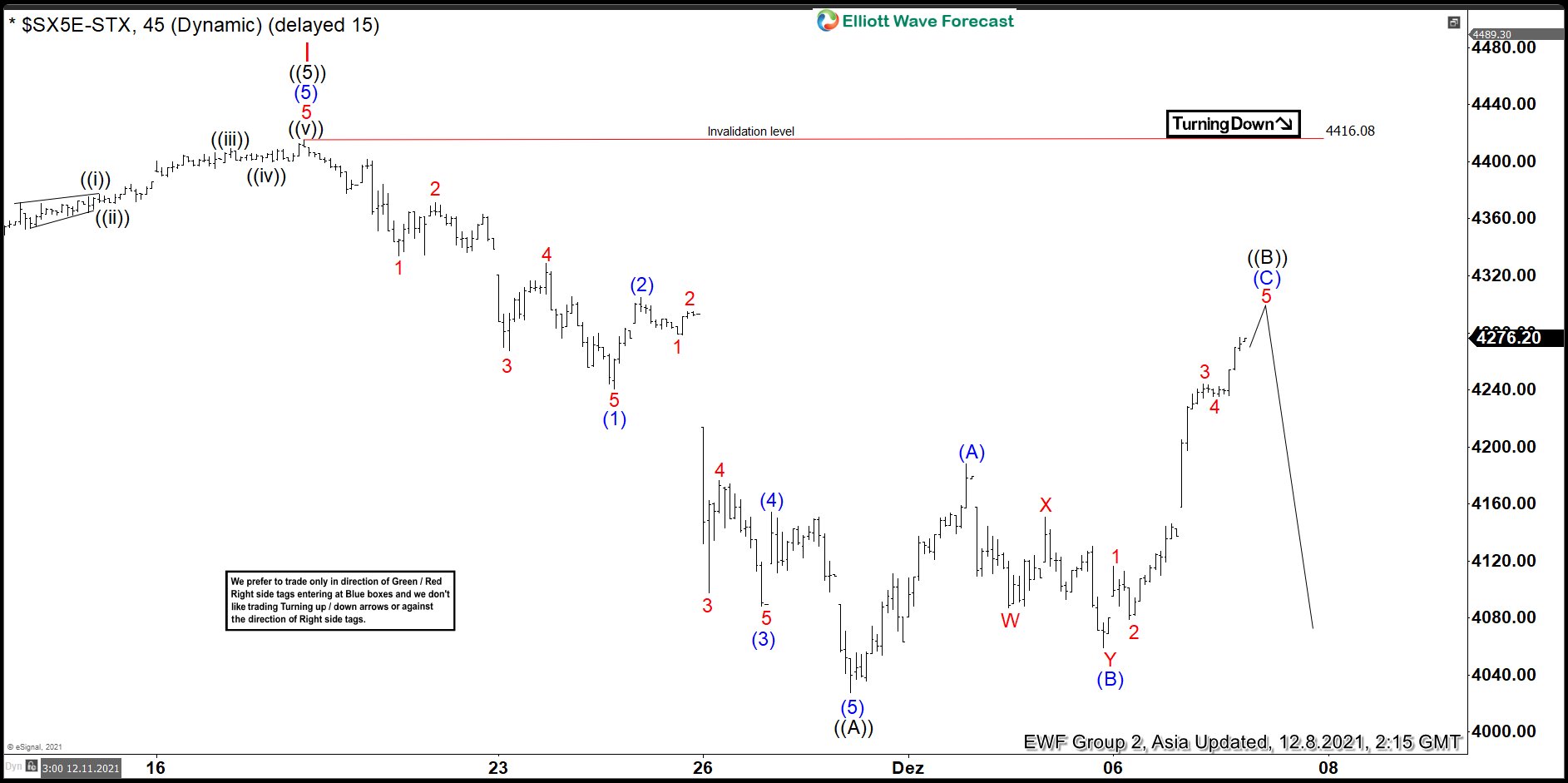
The EURO STOXX 50 (SX5E) index is currently undergoing a structural transformation driven by a decisive shift toward technology and semiconductor dominance, the institutionalization of ESG (Environmental, Social, and Governance) mandates, and a rebalancing of national weightings within the Eurozone. These changes represent a departure from the index’s historical reliance on traditional banking and heavy industry, reflecting a "New Europe" economy focused on digital sovereignty and sustainable energy.
As we navigate through 2026, the SX5E remains the definitive benchmark for Eurozone blue-chip equities. However, the internal mechanics of the index—how companies are selected, how they are weighted, and which sectors drive performance—have changed significantly over the last three years. Investors and institutional analysts must look beyond simple market capitalization to understand the five core pillars currently shaping the index's trajectory.
1. The Technological Pivot: From "Old Economy" to Digital Growth
For decades, the SX5E was synonymous with "Value" investing, characterized by a heavy concentration in telecommunications, utilities, and traditional banking. By 2026, this narrative has fundamentally shifted. The index has seen a steady increase in the weighting of Information Technology and Semiconductor sectors, largely spearheaded by giants like ASML and SAP.
The "Technology Pivot" is not merely a result of rising stock prices but a conscious evolution in the Eurozone’s industrial strategy. As Europe seeks digital sovereignty, the companies providing the infrastructure for AI, cloud computing, and advanced manufacturing have seen their market caps swell, leading to a higher concentration in the index.
The Rise of Semiconductors and Software
In the current 2026 environment, semiconductors have become the "new oil" of the European markets. ASML’s dominance in lithography systems has made it a central pillar of the SX5E, often rivaling the influence that energy companies held in previous decades. Similarly, the growth of enterprise software solutions has allowed tech to command a double-digit percentage of the index’s total weight.
Impact on Volatility and Growth
This shift has changed the SX5E’s beta. Traditionally a "stable but slow" index, the inclusion and increased weighting of high-growth tech stocks have introduced higher volatility but also higher potential for capital appreciation. For investors, this means the SX5E is no longer just a source of dividends from banks and utilities; it is increasingly a vehicle for capturing global technological trends.
2. Deepened ESG Integration and Regulatory Compliance
By 2026, Environmental, Social, and Governance (ESG) criteria are no longer optional "overlays" but are deeply embedded in the selection process and investor sentiment surrounding the SX5E. The European Union’s Corporate Sustainability Reporting Directive (CSRD) has standardized data, making it easier for STOXX Ltd. to enforce rigorous sustainability standards.
The Role of the SFDR and EU Taxonomy
The Sustainable Finance Disclosure Regulation (SFDR) has forced institutional investors to prioritize "Article 8" and "Article 9" funds. Consequently, companies within the SX5E that fail to meet strict decarbonization targets face "valuation discounts" or, in extreme cases of methodology revisions, the risk of exclusion. The index now reflects a cleaner, more socially responsible corporate landscape than it did at the start of the decade.
Decarbonization of the Industrial Base
The SX5E includes many of Europe’s largest emitters in the chemicals and automotive sectors. In 2026, we see these companies—such as BASF or Volkswagen—undergoing massive internal restructuring to align with the European Green Deal. Their position in the index is increasingly contingent on their ability to prove "transition readiness." This has led to a divergence in performance between "Green Leaders" and "Laggards" within the index itself.
3. Realignment of National Weightings: The Franco-Dutch Core
Historically, the SX5E was often seen as a proxy for the German economy. However, 2026 highlights a significant shift in national weightings. France and the Netherlands now exert a dominant influence on the index, often surpassing Germany’s historical lead.
The French Luxury and Energy Powerhouse
French companies, particularly in the luxury goods sector (LVMH, Hermès, L’Oréal) and the energy sector (TotalEnergies), have shown remarkable resilience and growth. The "Premiumization" of the global economy has benefitted these French giants, causing France to occupy a larger share of the SX5E than at any point in the last twenty years.
The Netherlands' Outsized Influence
Despite its smaller geographic size, the Netherlands’ influence on the SX5E is disproportionately high in 2026. This is primarily due to the headquarters of major tech and financial firms located there. The presence of ASML, Prosus, and Adyen ensures that Dutch economic policy and corporate governance have a direct impact on the index’s daily performance.
| Country | Approximate Weighting (2026) | Primary Sector Drivers |
|---|---|---|
| France | 38% - 42% | Luxury, Energy, Pharmaceuticals |
| Germany | 24% - 27% | Automotive, Industrials, Software |
| Netherlands | 13% - 15% | Semiconductors, Consumer Internet |
| Spain | 6% - 8% | Banking, Utilities |
| Italy | 5% - 7% | Energy, Banking, Luxury |
4. Interest Rate Normalization and Financial Sector Resilience
After years of negative or zero-interest-rate policy (ZIRP) by the European Central Bank (ECB), the 2024-2026 period has been defined by "higher-for-longer" or "normalized" rates. This has fundamentally altered the profitability of the financial services sector, which remains a significant component of the SX5E.
Banking Profitability and Dividend Yields
European banks, such as BNP Paribas, Santander, and Intesa Sanpaolo, have seen their Net Interest Margins (NIM) stabilize at levels not seen since the early 2010s. In 2026, these institutions are no longer the "drag" on the index they once were. Instead, they have become major engines for dividend distribution and share buybacks, providing a solid floor for the SX5E during periods of market turbulence.
The Challenge of Corporate Debt
Conversely, the higher rate environment has placed pressure on highly leveraged companies within the index, particularly in sectors like utilities and real estate. The shaping of the index in 2026 is partially a story of "the survival of the fittest" balance sheets. Companies with low debt-to-equity ratios are thriving, while those dependent on cheap credit have seen their weightings decline as their valuations are re-rated by the market.
5. Methodology Revisions: Liquidity and Selection Rules
STOXX Ltd., the provider of the SX5E, has introduced several technical changes to its methodology that have come into full effect by 2026. These changes are designed to ensure the index remains a highly liquid and investable product for the global ETF (Exchange Traded Fund) market.
Stricter Free-Float Requirements
The rules governing "free-float" market capitalization have been tightened. This ensures that only shares actually available for trading are counted, preventing companies with large, static "insider" holdings from distorting the index. This move was essential to maintain the SX5E’s status as the primary underlying asset for futures and options trading on Eurex.
Fast Entry and Exit Protocols
To better reflect the rapid changes in corporate valuations, the "Fast Entry" and "Fast Exit" rules have been refined. In 2026, a company that experiences a massive surge in market cap due to a merger or technological breakthrough can be added to the index more quickly than the traditional annual review would allow. This makes the SX5E more responsive to real-time economic shifts, ensuring it captures "the leaders of tomorrow" sooner.
Understanding the SX5E Ecosystem
The EURO STOXX 50 is more than just a list of stocks; it is an ecosystem that includes the European Central Bank's monetary policy, the European Securities and Markets Authority's (ESMA) regulations, and the global demand for European exports.
As we look at the index today, we see a selection of the 50 most liquid and influential stocks across 11 Eurozone countries (Austria, Belgium, Finland, France, Germany, Ireland, Italy, Luxembourg, the Netherlands, Portugal, and Spain). The current 2026 composition reflects a balanced mix of "Defensive" (Healthcare and Consumer Staples) and "Cyclical" (Luxury and Industrials) stocks, providing a diversified exposure to the Eurozone’s GDP.
The Role of Passive Investment
A major factor shaping the index is the massive inflow into SX5E-linked ETFs. Products from providers like iShares and Amundi manage hundreds of billions of Euros. Because these ETFs must buy the underlying stocks in the index, any change in the index’s composition triggers significant capital flows. This "index effect" means that being added to the SX5E in 2026 provides a company with a level of liquidity and institutional backing that is difficult to achieve otherwise.
Frequently Asked Questions
Which sector has the highest weighting in the SX5E in 2026?
Consumer Discretionary (led by Luxury Goods) and Information Technology currently vie for the top spot. While Technology has seen the fastest growth, the massive market caps of French luxury conglomerates like LVMH ensure that Consumer Discretionary remains a dominant force in the index weighting.
How does the SX5E differ from the STOXX Europe 600?
The SX5E (EURO STOXX 50) only includes companies from countries that have adopted the Euro, and it is limited to the top 50 "blue-chip" firms. The STOXX Europe 600 is much broader, including 600 companies across 17 European countries, including those outside the Eurozone like the UK and Switzerland.
Are there any UK companies in the SX5E?
No. The SX5E specifically targets the Eurozone. Since the United Kingdom does not use the Euro, its companies (like Shell or BP, which might otherwise qualify) are excluded from the EURO STOXX 50 but are included in the broader STOXX Europe 600.
How often is the SX5E index rebalanced?
The index undergoes a full review annually in September. However, it also features quarterly reviews for shares and free-float factors, and "Fast Exit/Entry" rules allow for changes in the event of major corporate actions like mergers, acquisitions, or bankruptcies.
What is the significance of the 2026 ESG mandates for the index?
By 2026, ESG compliance is a prerequisite for institutional inclusion. Companies that do not meet the EU Taxonomy standards for sustainable activities often see lower demand for their shares, which can lead to a lower market cap and potential removal from the index in favor of more sustainable competitors.
Practical Recommendations for Investors
As the SX5E continues to evolve, investors should consider the following actions:
- Monitor the Tech-Luxury Correlation: The index is increasingly driven by the performance of semiconductors (ASML) and luxury goods (LVMH). Understanding the global demand for these two specific industries is essential for predicting SX5E movements.
- Evaluate Interest Rate Sensitivity: While banks benefit from higher rates, industrials and utilities may struggle with debt servicing. Diversify your exposure within the Eurozone to balance these opposing forces.
- Stay Informed on STOXX Methodology: Periodically review the official STOXX website for announcements regarding methodology changes. Small shifts in how free-float is calculated can lead to significant rebalancing trades by ETFs.
- Use SX5E as a Macro Hedge: Because the index is highly liquid and represents the "core" of the Eurozone, it remains one of the best tools for hedging against European geopolitical or economic risks.
The SX5E in 2026 is a more modern, transparent, and growth-oriented index than its predecessors. By recognizing these five shaping forces, market participants can better position themselves to capitalize on the ongoing transformation of the European economy.