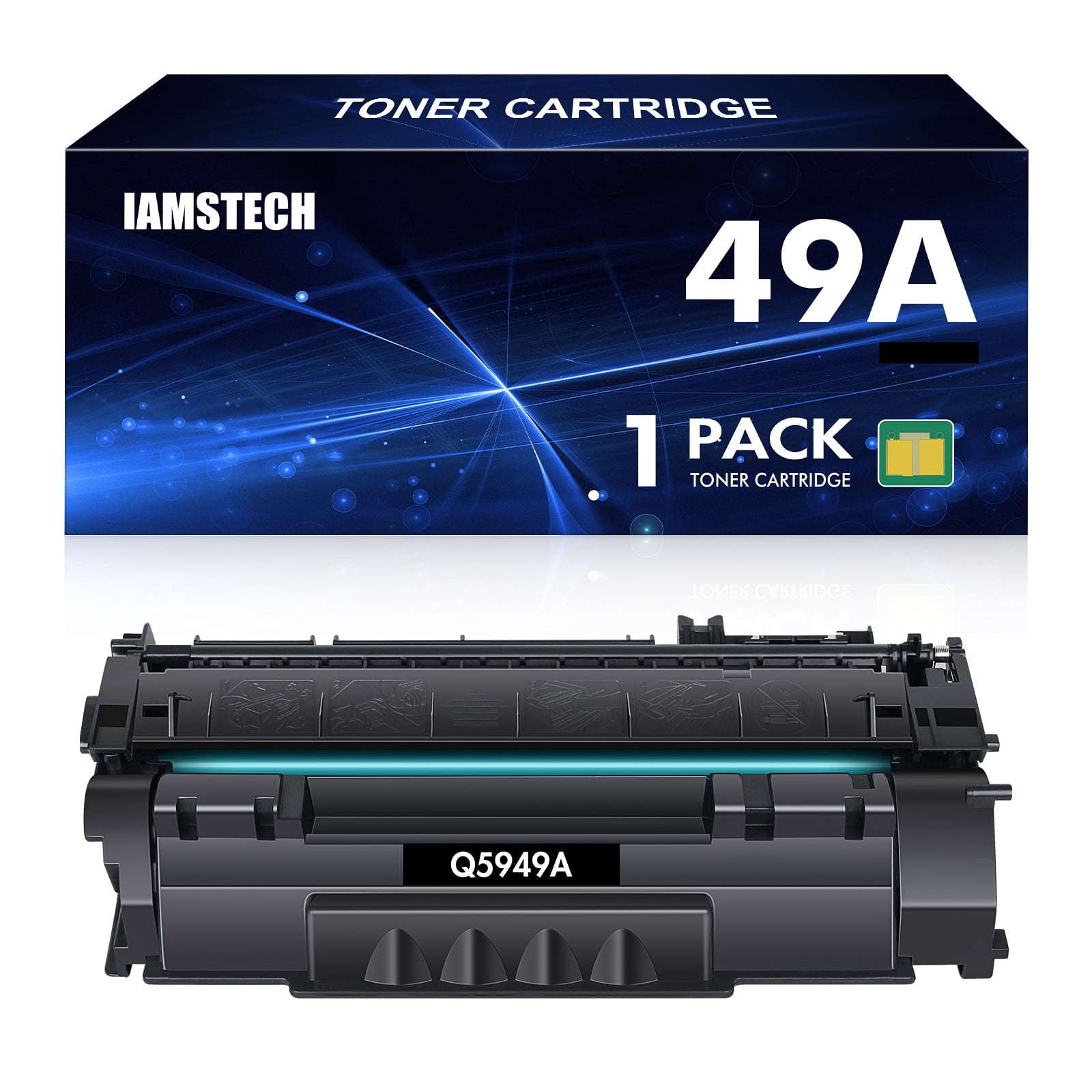
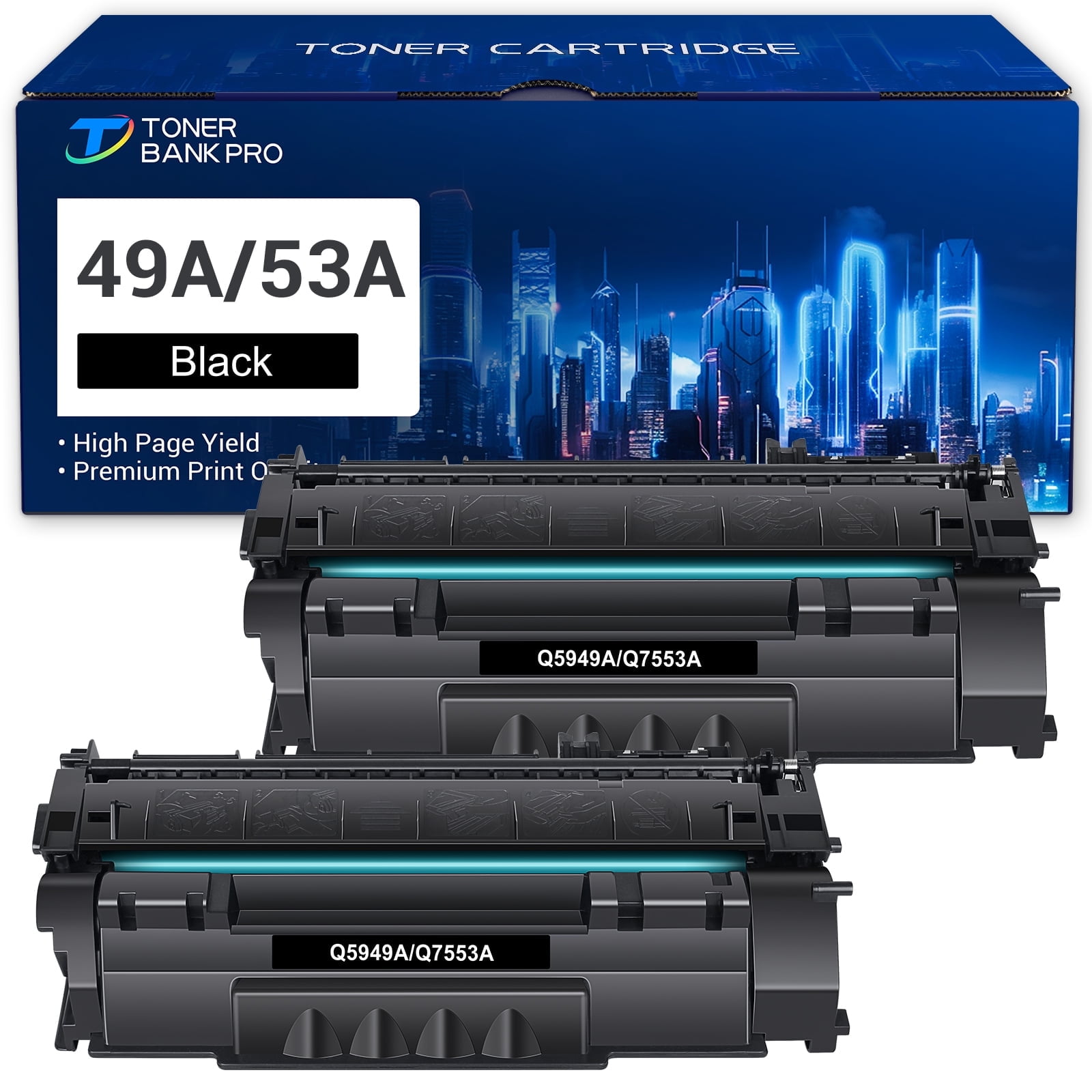
The HP 49A (Q5949A) black print cartridge is a monochrome laser toner supply designed for specific enterprise and workgroup LaserJet printers. It integrates toner powder, a developer unit, and an organic photoconductor drum into a single consumable assembly engineered to deliver consistent page yields, crisp text resolution, and reliable mechanical operation under high-volume office workloads.
Introduction to the 49A Toner Cartridge Identity
The printing landscape relies heavily on consumable reliability, where toner cartridges act as both the chemical reservoir and the image-transfer mechanism. Among monochrome printing supplies, the 49A cartridge—officially designated by the part number Q5949A—has maintained a long-standing presence in small-to-medium business environments. Understanding this consumable requires looking past its plastic exterior to examine its electrophotographic components, page yield mechanics, printer compatibility matrix, and the operational trade-offs between original equipment manufacturer (OEM) units and third-party alternatives.
Modern printing standards demand predictable text density, sharp edge definition, and seamless mechanical synchronization with the host printer. The 49A meets these demands through a unified all-in-one architecture. By housing the toner hopper, waste bin, and drum within a single enclosure, the design ensures that critical wear components are refreshed with every replacement cycle. This technical overview examines the internal anatomy, specifications, maintenance protocols, and economic factors governing the use of the 49A cartridge.
Core Technical Specifications and Printer Compatibility
Before deploying or maintaining office equipment, technicians must verify consumable compatibility to prevent hardware damage or premature failure. The 49A cartridge is engineered specifically for a defined lineage of monochrome laser printers produced by Hewlett-Packard. Its mechanical footprint and electronic signaling chips are calibrated to match the electrical bias and drive gears of these specific devices.
Compatible Printer Models
The 49A cartridge is primarily utilized in the HP LaserJet 1160 and LaserJet 1320 printer series, including various sub-models equipped with networking or automatic duplexing capabilities (such as the 1320n, 1320nw, and 1320tn). Additionally, the cartridge is cross-compatible with the HP LaserJet 3390 and 3392 All-in-One multifunction devices, which share the same print engine core.
| Printer Series | Core Engine Speed | Supported Interfaces | Typical Deployment Environment |
|---|---|---|---|
| HP LaserJet 1160 | Up to 20 ppm | USB, Parallel | Small desktop / Home office |
| HP LaserJet 1320 | Up to 22 ppm | USB, Parallel, Ethernet (n/nw) | Small workgroup / Shared office |
| HP LaserJet 3390 | Up to 22 ppm | USB, Ethernet, Fax/Scan | Multifunction workstation |
| HP LaserJet 3392 | Up to 22 ppm | USB, Ethernet, Fax/Scan | Departmental hub |
Physical and Electrical Specifications
Weighing approximately 1.5 kilograms packaged, the cartridge utilizes a dual-component toner system formulated with chemically grown or pulverized black toner particles combined with magnetic carrier beads. The physical dimensions are tailored to slide smoothly along internal guide rails, engaging with high-voltage power supplies (HVPS) and drive gears located within the printer cavity. An integrated electronic memory chip communicates toner level estimates and regional compatibility data to the host printer firmware.
Internal Architecture and Electrophotographic Process
The operational success of the 49A cartridge depends on a coordinated sequence of electrophotographic steps governed by the Laser Printer Imaging Process. Within the cartridge housing, several precision components work in real time to transfer toner from the reservoir to the paper substrate.
The Organic Photoconductor (OPC) Drum
At the heart of the 49A is the OPC drum, a cylindrical aluminum tube coated with a light-sensitive photoconductive polymer. As the printer operates, a charge roller applies a uniform negative electrostatic charge across the drum surface. The printer's laser diode then discharges specific areas of the drum corresponding to the image data, creating an electrostatic latent image.
Toner Formulation and Magnetic Developer Roller
The 49A toner is formulated with precise melting points and particle size distributions to ensure proper fusing via the printer's thermal assembly. As the developer roller rotates past the toner hopper, magnetic and mechanical forces attract a thin, even monolayer of toner particles onto the roller sleeve. When this roller meets the OPC drum, the toner transfers to the discharged areas of the drum via electrostatic attraction.
Transfer and Cleaning Mechanics
Once the toner image is formed on the drum surface, the paper passes between the drum and a transfer roller charged with an opposing electrical polarity, pulling the toner powder onto the page. A built-in wiper blade inside the 49A cartridge then scrapes away any residual toner remaining on the OPC drum, depositing the waste material into an internal containment chamber to prevent background smudging on subsequent pages.
Page Yield Standards and Cost Considerations
Evaluating the economic efficiency of a printing consumable requires analyzing standardized yield metrics and consumable lifespan expectations.
ISO/IEC 19752 Yield Benchmark
The official page yield for the 49A (Q5949A) cartridge is rated at approximately 2,500 standard pages, calculated in accordance with ISO/IEC 19752 testing standards. This standard assumes a nominal 5% page coverage area consisting of standard text documents. Real-world yields will vary based on user-specific print habits, such as printing dense graphics, heavy charts, or running frequent small print jobs that trigger multiple motor warm-up cycles.
High-Yield Alternative: The 49X (Q5949X)
For environments requiring reduced intervention frequencies, HP introduced a high-yield variant designated as the 49X (Q5949X). While maintaining the exact physical dimensions and printer compatibility of the standard 49A, the 49X utilizes optimized internal packing to deliver an increased yield of approximately 6,000 pages. Organizations balancing consumable costs often compare the lower cost-per-page of the 49X against the lower upfront purchase price of the standard 49A.
Maintenance, Troubleshooting, and Common Operational Issues
While laser cartridges require significantly less active maintenance than inkjet systems, certain environmental factors and mechanical wear points can introduce print quality defects. Understanding how to diagnose these issues ensures maximum utilization of the 49A consumable.
Common Print Quality Defects and Solutions
- Vertical Streaks or Lines: Typically caused by toner debris adhering to the primary charge roller or a scratched OPC drum surface. If cleaning the roller fails to resolve the issue, the cartridge requires replacement.
- Faint or Light Printing: Often indicates a low toner state, although it can also be caused by damp paper or an aging developer roller losing its magnetic charge capacity. Shaking the cartridge horizontally can redistribute remaining toner for a temporary extension of print life.
- Repeating Defects at Regular Intervals: Defects appearing at fixed measurements down the page usually correspond to the circumference of a specific roller within the cartridge (such as the OPC drum or magnetic roller), signaling surface wear or physical damage.
Proper Storage and Handling Guidelines
To preserve toner integrity, uninstalled 49A cartridges should be stored horizontally in a cool, dry environment away from direct sunlight and extreme temperature fluctuations. Exposing the OPC drum to ambient light for extended periods can permanently damage the photosensitive coating, resulting in permanent dark bands across printed documents. Technicians should leave new cartridges sealed in their protective foil packaging until immediate installation is required.
OEM Versus Third-Party Alternatives
Purchasing replacement toner involves navigating a market divided between original equipment manufacturer products and alternative third-party supplies.
- OEM Cartridges: Manufactured directly by HP, these units guarantee strict adherence to factory tolerances, consistent toner melting points, and reliable communication chips. They minimize the risk of internal powder leaks and printer component wear but carry a higher upfront acquisition cost.
- Remanufactured and Compatible Units: Third-party vendors often collect empty 49A shells, replace worn internal components (such as the OPC drum and wiper blades), refill the hopper with generic toner, and install compatible chips. While these options offer substantial cost savings, print quality, consistency, and actual page yields can vary significantly depending on the remanufacturer's quality control standards.
Frequently Asked Questions
What is the difference between the HP 49A and HP 49X cartridges?
The primary difference lies in their toner capacity and resulting page yield. The standard 49A (Q5949A) delivers approximately 2,500 pages, whereas the high-yield 49X (Q5949X) provides around 6,000 pages. Both share the exact same physical dimensions and fit the same printer models.
Can I refill an empty 49A cartridge myself?
While DIY toner refill kits are available on the market, manual refilling is generally discouraged in professional environments. It requires specialized toner powders, careful handling to avoid inhaling fine particulates, and often involves replacing worn internal wiper blades and drum components to prevent severe print defects and internal leakage.
Why are my printed pages showing faint vertical streaks?
Vertical streaks are typically caused by toner accumulation on the primary charge roller or a scratch on the organic photoconductor drum inside the cartridge. Inspecting the internal components or replacing the cartridge usually resolves this mechanical artifact.
Are 49A cartridges compatible with modern Windows and macOS systems?
The cartridge itself is a physical consumable and is hardware-agnostic regarding operating systems. Compatibility is determined entirely by the host printer model (such as the LaserJet 1320) and whether printer drivers are available for your specific modern operating system version.
How should unused 49A cartridges be stored?
Unopened cartridges should be kept in their original sealed packaging, stored horizontally in a temperature-controlled environment away from humidity, direct sunlight, and excessive heat to prevent toner clumping and drum degradation.
Conclusion and Recommendations
The HP 49A cartridge remains a dependable consumable for supporting legacy workgroup printers that continue to provide reliable service in modern offices. For optimal performance, organizations should weigh the predictable quality and yield of OEM units against budget constraints, ensuring that storage and handling procedures protect the sensitive internal drums from environmental damage. When print quality degrades or page yield thresholds are met, replacing the complete assembly ensures continued operational uptime.