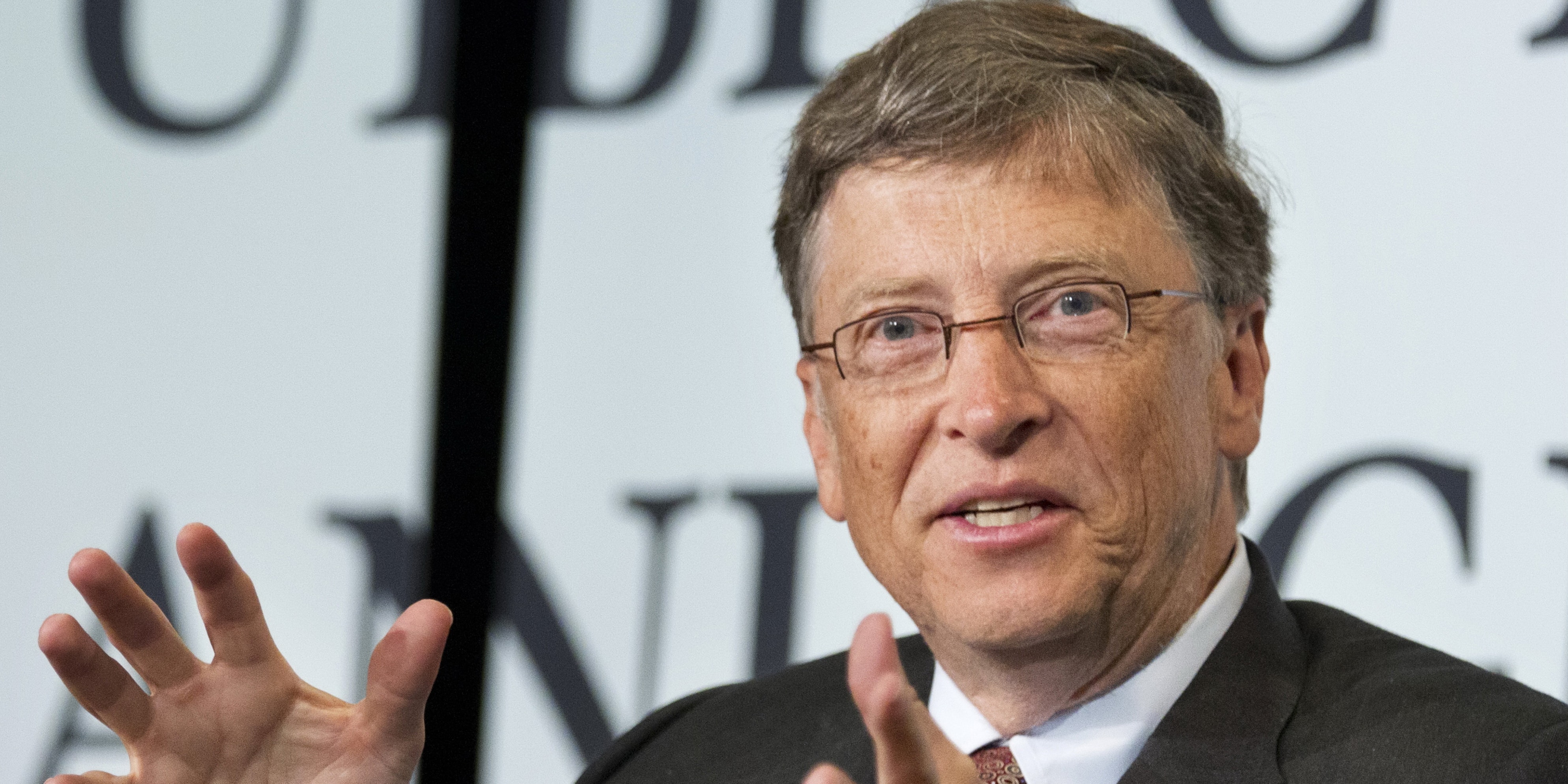
In 2018, Bill Gates maintained a staggering net worth estimated between $90 billion and $95 billion, solidifying his position near the very top of global wealth rankings. While the exact figure fluctuated daily based on Microsoft stock performance, philanthropic distributions, and broader market conditions, financial trackers like Forbes and Bloomberg consistently positioned him among the wealthiest individuals on the planet during this pivotal twelve-month period.
Introduction to Bill Gates and His Financial Standing in 2018
Evaluating the net worth of Bill Gates in 2018 requires looking beyond simple bank balances to examine a complex portfolio anchored by Microsoft equity, diversified investments managed through Cascade Investment LLC, and massive philanthropic commitments via the Bill & Melinda Gates Foundation. By 2018, Gates had stepped down from his day-to-day executive roles at Microsoft years prior, transitioning his primary professional focus to global health, education, and climate change initiatives.
Despite steadily divesting large blocks of Microsoft shares to fund philanthropic endeavors, his remaining equity stake, combined with a sophisticated private investment portfolio, sustained his ultra-high-net-worth status. This article provides a comprehensive breakdown of the components that constituted Bill Gates's financial profile in 2018, analyzing how his wealth was structured, managed, and distributed during that specific year.
The Composition of Wealth: Microsoft Equity vs. Diversified Assets
A common misconception regarding the wealth of technology founders is that their net worth is tied entirely to a single company. While Microsoft Corporation remained the cornerstone of Bill Gates's fortune, his financial strategy by 2018 involved significant diversification.
Microsoft Stock Holdings
In the early days of Microsoft, Gates owned nearly half of the company. Over the decades, through scheduled sales, charitable gifts, and diversification strategies executed by his investment firm, that percentage dropped significantly. By 2018, Gates owned roughly 1.3% of Microsoft, representing over 100 million shares. As Microsoft's stock experienced strong performance throughout 2018—driven by cloud computing growth under CEO Satya Nadella—these remaining shares appreciated substantially, anchoring his total net worth near the $90 billion threshold.
Cascade Investment LLC
To manage his non-Microsoft assets, Gates established Cascade Investment LLC, an entity run by Michael Larson. By 2018, Cascade controlled a vast, diversified portfolio spanning multiple global industries. This portfolio included substantial holdings in:
- Republic Services: A major waste management company where Cascade held a controlling or major stakeholder position.
- Ecolab: A global provider of water, hygiene, and energy technologies.
- Canadian National Railway: Significant equity in the major freight railway.
- Real Estate: Extensive agricultural land across the United States, commercial real estate ventures, and luxury residential holdings, including his famous Medina, Washington estate known as Xanadu 2.0.
- Private Equity and Venture Capital: Investments in early-stage clean tech, biotechnology, and hospitality ventures.
Philanthropic Impact and Net Worth Dynamics
A defining characteristic of Bill Gates's financial trajectory in 2018 was the interplay between wealth generation and philanthropic outflow. Through the Bill & Melinda Gates Foundation, established in 2000, Gates and his then-wife Melinda French Gates systematically transferred billions of dollars of Microsoft stock and cash into the foundation's endowment.
The Mechanics of Giving
Gates utilized stock transfers rather than direct cash gifts in many instances, allowing him to receive tax advantages while directly funding global eradication programs for polio, malaria reduction initiatives, and educational reform in the United States. In 2018 alone, the foundation's trust endowment held tens of billions of dollars, making it the largest private philanthropic organization in the world.
Wealth Rankings and the Buffett Effect
Throughout 2018, financial publications frequently tracked a tight race for the title of world's richest person between Bill Gates and Amazon founder Jeff Bezos. While Bezos occasionally surpassed Gates as Amazon's stock surged, Gates's net worth would have been considerably higher had he not given away over $35 billion by 2018. Warren Buffett, a close friend and fellow billionaire, also contributed billions of his Berkshire Hathaway stock to the Gates Foundation, further demonstrating how collaborative philanthropy influenced the net worth profiles of these titans.
Comparative Overview of Wealth Metrics in 2018
To understand the scale of Bill Gates's financial position in 2018, it is helpful to examine the broader economic landscape and how his asset allocation compared to other ultra-high-net-worth individuals of that era.
| Asset Category / Metric | Estimated Value / Status in 2018 | Primary Holdings / Context |
|---|---|---|
| Total Net Worth | $90 Billion – $95 Billion | Estimated by Forbes and Bloomberg Billionaires Index. |
| Microsoft Equity | ~$10 Billion – $15 Billion | Represented roughly 1.3% of total Microsoft shares outstanding. |
| Cascade Investment Portfolio | ~$50 Billion – $60 Billion | Private investments in real estate, energy, railroads, and hospitality. |
| Lifetime Giving (Cumulative) | >$35 Billion | Directed primarily to the Bill & Melinda Gates Foundation. |
| Global Wealth Rank | #1 or #2 | Competed closely with Jeff Bezos throughout the year. |
Common Misconceptions Regarding Billionaire Net Worth
Analyzing figures like a multi-billion-dollar net worth often leads to public confusion regarding liquidity and cash flow. It is critical to distinguish between net worth and liquid cash.
- Not a Bank Account: Bill Gates did not possess tens of billions of dollars in liquid cash. His net worth was an aggregate valuation of publicly traded stock, private company equity, real estate, and art collections. Selling massive blocks of stock quickly can depress market prices, meaning the theoretical net worth cannot be instantly liquidated at face value.
- Tax Implications: Stock sales executed by insiders or major shareholders like Gates are subject to strict regulatory filings (such as SEC Form 4) and significant capital gains taxes, though charitable donations of stock mitigate tax liabilities while directly funding philanthropic work.
- Market Volatility: Daily fluctuations in the stock market meant that Gates's net worth could rise or fall by billions of dollars in a single week based entirely on macroeconomic trends affecting technology stocks and industrial equities.
Conclusion and Financial Legacy
In summary, the net worth of Bill Gates in 2018—ranging between $90 billion and $95 billion—reflected a mature, highly diversified financial portfolio built upon foundational technology equity and managed through disciplined private investment. Rather than representing a static pool of idle money, his wealth in 2018 functioned as an active engine driving both global commercial markets and unprecedented philanthropic endeavors. For financial analysts and historians, 2018 marked a transitional era where Gates's identity had firmly shifted from active corporate titan to the world's most influential philanthropic capitalist.