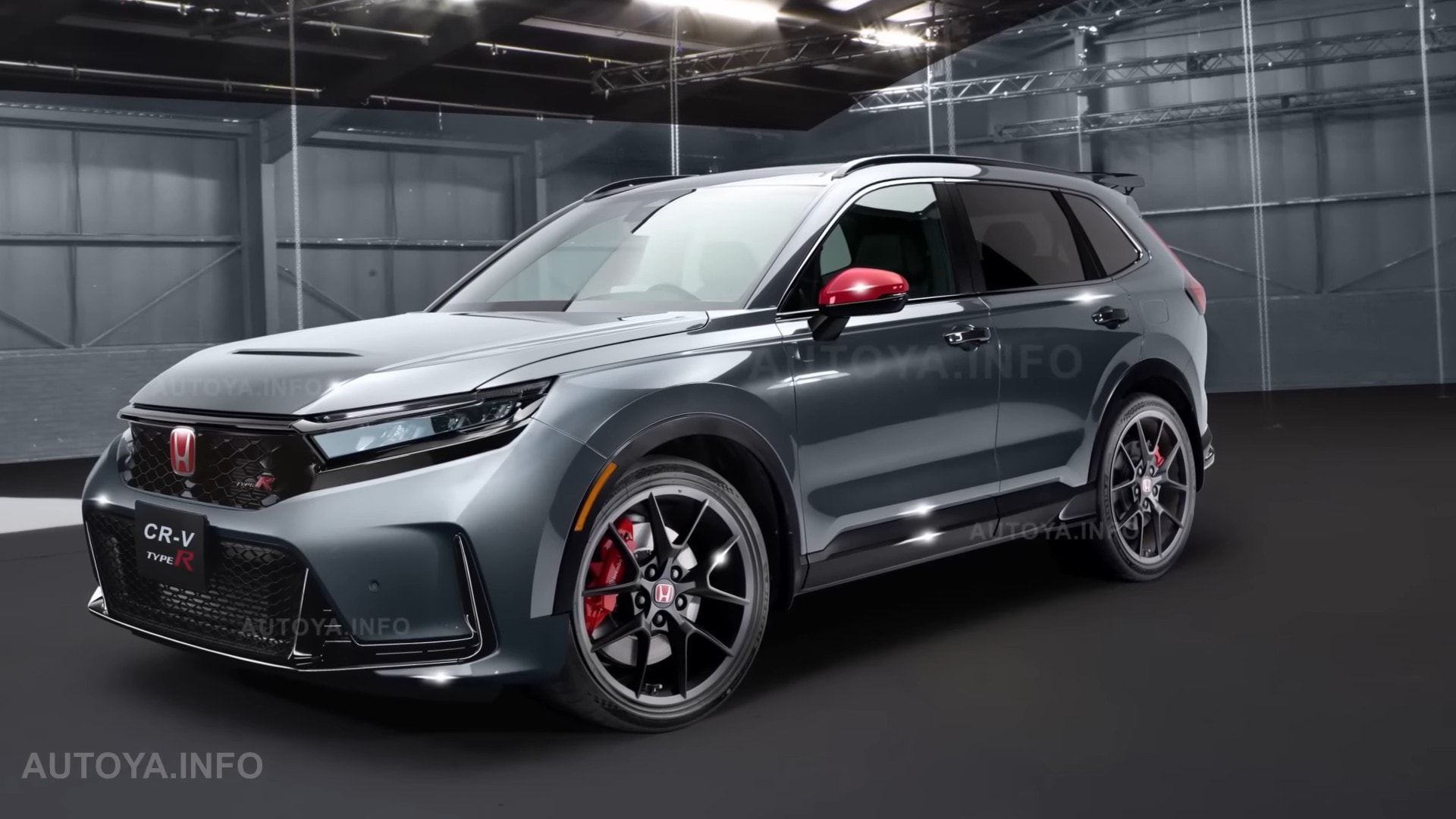
The 2024 Honda CR-V Hybrid utilizes a two-motor hybrid system that generates a total system output of 204 horsepower and 247 lb-ft of torque. This powertrain integrates a 2.0-liter Atkinson-cycle four-cylinder engine with two electric motors, prioritizing efficiency and smooth, linear power delivery over traditional high-performance combustion metrics.
The transition toward hybrid technology in the compact SUV segment has redefined what consumers expect from their daily drivers. When Honda introduced the fourth-generation two-motor hybrid system in the 2024 CR-V Hybrid, it moved away from the complex planetary gearsets found in many competitors, opting instead for a more direct, refined architecture. Understanding this powertrain requires a look at how electricity and internal combustion cooperate to provide both the 204 horsepower peak and the drivability that defines the modern CR-V experience.
The Anatomy of the Two-Motor Hybrid System
At the heart of the 2024 Honda CR-V Hybrid is a 2.0-liter, 16-valve, DOHC i-VTEC four-cylinder engine operating on the Atkinson cycle. Unlike the Otto cycle, which prioritizes power density, the Atkinson cycle prioritizes thermal efficiency. By keeping the intake valve open slightly longer during the compression stroke, the engine effectively reduces pumping losses and extracts more energy from every drop of fuel.
However, an Atkinson-cycle engine on its own lacks the low-end torque required for a vehicle of the CR-V’s size and weight. This is where the "two-motor" configuration becomes essential. The system consists of:
- The Propulsion Motor: This electric motor is responsible for the majority of the driving force. It is rated at 181 horsepower and, crucially, provides a substantial portion of the 247 lb-ft of torque nearly instantaneously.
- The Generator/Starter Motor: This secondary unit serves two primary roles. First, it converts mechanical energy from the gasoline engine into electrical energy to charge the high-voltage battery or directly power the propulsion motor. Second, it acts as a starter for the gasoline engine.
Unlike traditional hybrids that use a continuously variable transmission (CVT) with belts and pulleys, the CR-V Hybrid uses a sophisticated lock-up clutch system. At lower speeds and during cruising, the gasoline engine is often decoupled from the wheels entirely, with the system operating as a pure electric vehicle (EV). When higher speeds are reached, the lock-up clutch engages, allowing the gasoline engine to provide direct drive to the wheels, which is significantly more efficient than converting mechanical energy to electricity and back again at highway speeds.
Decoding the 204 Horsepower Figure
A common point of confusion for owners is how a vehicle with a 2.0-liter engine and two electric motors reaches a "total system" output of 204 horsepower. It is important to note that you cannot simply add the peak horsepower of the gasoline engine to the peak horsepower of the electric motor.
The gasoline engine and the electric propulsion motor do not always reach their peak power output at the exact same time. The 204-horsepower figure represents the maximum combined output the system is capable of delivering under optimal conditions. In practice, the powertrain is tuned to prioritize the electric motor’s torque for acceleration, while the gasoline engine acts as an efficient generator, keeping the lithium-ion battery topped up or providing direct mechanical assistance during steady-state cruising.
This "system power" approach is designed to provide the performance of a larger, naturally aspirated engine without the associated fuel penalties. For the driver, this translates into a feeling of immediate responsiveness. When you step on the accelerator, the electric motor provides the initial "push," which is then supplemented by the gasoline engine as it enters its most efficient power band.
Performance Dynamics and Driving Modes
The 2024 Honda CR-V Hybrid offers a distinct driving experience compared to the non-hybrid 1.5-liter turbocharged model. The integration of the hybrid system allows for three distinct modes of operation, managed automatically by the vehicle’s Intelligent Power Unit (IPU):
- EV Drive: The vehicle runs solely on electricity provided by the battery. This is most common in stop-and-go city traffic and light-throttle applications.
- Hybrid Drive: The gasoline engine runs to power the generator, which in turn feeds the electric propulsion motor. The engine is not connected to the wheels in this mode, allowing it to stay within its optimal RPM range regardless of vehicle speed.
- Engine Drive: At higher speeds, the lock-up clutch connects the gasoline engine directly to the drivetrain. Because the engine is optimized for high-efficiency cruising, this mode significantly reduces fuel consumption on long highway stretches.
These transitions occur seamlessly, often unnoticed by the driver. The primary performance benefit is the elimination of the "turbo lag" or transmission "hunting" found in some traditional combustion-only vehicles. Because the electric motor handles the torque delivery, the acceleration feels linear and predictable.
Comparative Technical Specifications
To understand where the hybrid powertrain sits within the CR-V lineup and against the broader market, it is helpful to look at the metrics that define daily usability.
| Feature | 2024 CR-V Hybrid (2.0L) | 2024 CR-V (1.5L Turbo) |
|---|---|---|
| Total Horsepower | 204 hp | 190 hp |
| Peak Torque | 247 lb-ft | 179 lb-ft |
| Transmission | Electronic CVT (E-CVT) | Continuously Variable (CVT) |
| Drivetrain | FWD or AWD | FWD or AWD |
| Primary Advantage | Low-end torque & efficiency | Lighter curb weight |
As shown in the table, the hybrid system provides a significant advantage in torque—38% more than the turbocharged model. This makes the hybrid feel noticeably more agile in urban environments where frequent acceleration is required.
Maintenance and Long-Term Reliability
The longevity of the 204-horsepower powertrain is a frequent topic of inquiry. Honda’s two-motor hybrid system is generally considered to be less complex than traditional automatic transmissions because it lacks complex hydraulic valve bodies and friction clutch packs found in conventional multi-speed gearboxes.
Maintenance Considerations:
- Regenerative Braking: Because the electric motor provides a significant portion of the braking force to recharge the battery, the physical brake pads and rotors on a hybrid often last significantly longer than those on a non-hybrid vehicle.
- Cooling Systems: The hybrid system utilizes a dedicated cooling circuit for the power control unit (PCU) and the high-voltage battery. Ensuring these coolant levels are checked during routine service intervals is critical for maintaining performance.
- Battery Management: The lithium-ion battery is designed to last the life of the vehicle. It is managed by a sophisticated Battery Management System (BMS) that regulates charge and discharge rates to prevent overheating and premature degradation.
Owners should adhere strictly to the Maintenance Minder system displayed on the driver information interface. While the powertrain is robust, it relies on specific software calibrations that ensure the engine, motors, and battery operate in harmony.
Common Questions Regarding the Hybrid Powertrain
1. Does the 204 horsepower output change if the battery is low? While the system is designed to maintain enough charge to provide the full 204 horsepower, under extreme conditions—such as sustained mountain climbing—the system may prioritize battery health. In these rare instances, you might notice the engine running at a higher RPM to generate electricity to keep the system output consistent.
2. Is the CR-V Hybrid "plug-in" capable? No. The 2024 Honda CR-V Hybrid is a conventional "self-charging" hybrid. It does not have an external charging port, and all electrical energy is generated by the gasoline engine or through regenerative braking.
3. Does the powertrain require special oil? Yes. Like most modern Honda engines, the 2.0-liter Atkinson-cycle engine requires specific synthetic motor oil (typically 0W-20) to maintain fuel efficiency and protect the precision components within the engine.
4. How does the powertrain handle cold weather? Hybrid systems generally experience a slight dip in efficiency in very cold climates because the engine must run more frequently to provide cabin heat. However, the 204-horsepower system is engineered to function across a wide range of temperatures, and there is no loss of total system power due to cold weather.
5. Is the "E-CVT" the same as a regular CVT? No. While they share the "CVT" name, the E-CVT in the hybrid has no belts or pulleys. It is essentially a set of gears that allow the electric motor and the engine to work together, making it inherently more durable and mechanically simpler than a belt-driven CVT.
Making the Most of Your Powertrain
To maximize the benefits of the 204-horsepower hybrid system, drivers should practice smooth, consistent acceleration. The system is designed to reward gentle inputs; "jackrabbit" starts will force the gasoline engine to kick in earlier and more forcefully, which can diminish the fuel-saving potential of the hybrid system.
If you are currently evaluating the 2024 CR-V Hybrid, pay close attention to the transition between electric-only driving and engine-assisted driving during a test drive. While the system is highly refined, the engine note will change as the power demand shifts. Understanding that this change in sound is a normal function of the load being placed on the hybrid generator will help you get the most out of your vehicle.
As you look forward, maintaining the vehicle through authorized Honda service centers is the best way to ensure the software-controlled powertrain remains optimized. The 204-horsepower hybrid represents one of the most efficient, yet capable, platforms in the segment, bridging the gap between traditional combustion and the electrified future.