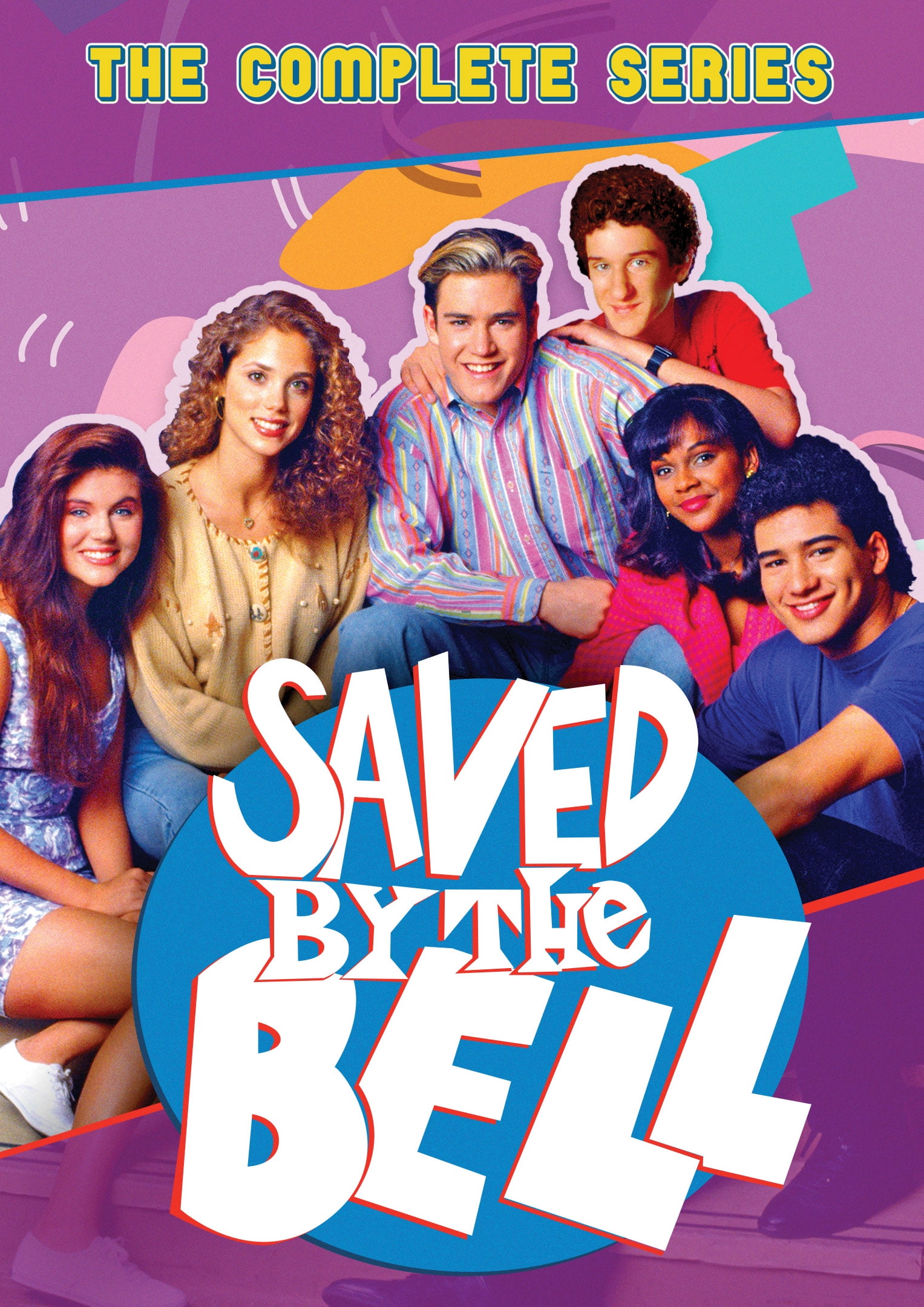
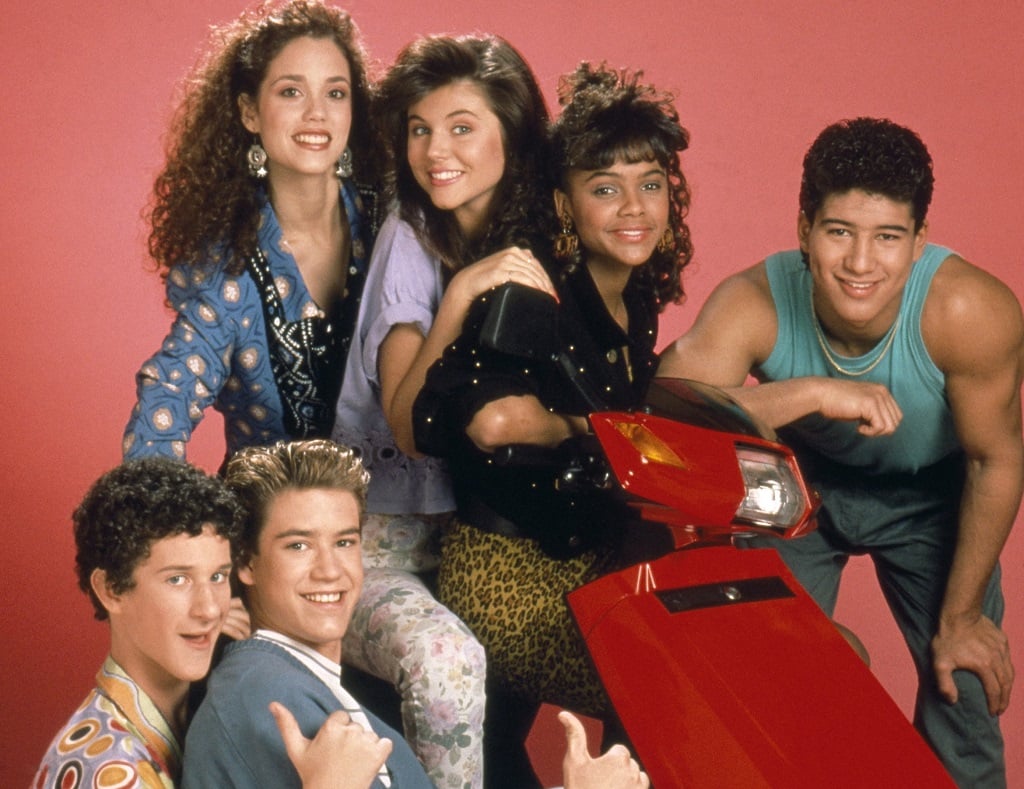
The 2020 Saved by the Bell series is a critically acclaimed comedy revival developed by Tracey Wigfield for Peacock, serving as a continuation of the iconic 1989–1993 NBC Saturday morning sitcom. It shifts the narrative to Bayside High while blending nostalgic references, satirical commentary on modern teen culture, and the return of legacy characters like Zack Morris, Kelly Kapowski, and A.C. Slater.
Introduction and Core Premise
Reviving a beloved, nostalgia-heavy television franchise is a delicate balancing act. When Universal Television and Peacock announced a continuation of the classic Saturday morning sitcom Saved by the Bell, fans and critics alike approached the project with a mix of anticipation and skepticism. Premiering in November 2020, the reimagined series successfully subverted expectations by leaning into a self-aware, satirical tone. Rather than attempting to recreate the squeaky-clean, bubblegum aesthetic of the original 1989 run, showrunner Tracey Wigfield transformed Bayside High into a focal point for modern social commentary, economic inequality, and institutional absurdity.
The core premise of the 2020 revival kicks off when the fictional Governor of California, Zack Morris, makes a politically disastrous blunder: he shuts down a large number of low-income public high schools across the state. To mitigate the resulting public relations disaster and satisfy state educational requirements, Morris suggests that the affected students be redistributed into California’s most affluent institutions, including Bayside High. This sudden influx of working-class teenagers creates an immediate cultural collision. The affluent, sheltered students of Bayside are forced to confront the socio-economic realities of their new peers, while the newcomers must navigate an alien environment characterized by hyper-privileged school politics, elaborate pranks, and high-stakes social hierarchies.
By utilizing this fish-out-of-water dynamic, the series explores themes of privilege, diversity, and systemic disparity that would have been entirely out of place in the original 1990s incarnation. Yet, it manages to maintain its comedic roots through fast-paced writing, snappy dialogue, and a structure that honors the foundational mythology of the franchise while thoroughly deconstructing it.
Evolution from the 1989 Original to the 2020 Revival
To fully understand the narrative choices and stylistic approach of the 2020 series, one must examine how the television landscape shifted in the decades between the original show's cancellation and the revival's release. The original Saved by the Bell, created by Sam Bobrick, grew out of a short-lived Disney Channel series called Good Morning, Miss Bliss. When NBC picked it up, it established a template for teen television that prioritized moral lessons wrapped in lighthearted comedy, bright pastel wardrobes, and predictable plotlines where every problem was neatly resolved within a 22-minute timeframe.
The 2020 revival retains certain aesthetic and structural touchstones—such as the iconic freeze-frames, retro musical cues, and familiar locations like The Max—but updates the humor for a mature, streaming-era audience. Rated TV-14, the Peacock series incorporates sharper satirical edges, acknowledging the inherent absurdity of the original show's storylines. For instance, the revival humorously references Zack Morris’s manipulative schemes, his endless collection of oversized mobile phones, and his questionable ethical boundaries as an adult politician.
Furthermore, the revival recontextualizes characters who were once broad archetypes into more nuanced figures. A.C. Slater returns not as a swaggering jock, but as a loyal high school football coach and gym teacher trying to find his purpose in a changing educational ecosystem. Jessie Spano transitions from an overachieving, caffeine-pill-popping student into a well-meaning yet often misguided school guidance counselor. These shifts allow the series to bridge the generational gap, appealing to nostalgic adult viewers who grew up watching the original series while remaining accessible and engaging to younger audiences discovering the Bayside universe for the first time.
Main Cast and Character Dynamics
The success of the 2020 revival hinges on the chemistry between its returning legacy actors and a talented, diverse ensemble of fresh faces. This blending of generations creates a dynamic where classic Bayside authority figures must interact with a new wave of teenagers who are far more cynical, socially aware, and technologically connected than the students of the 1990s.
Legacy Characters and Their New Roles
- A.C. Slater (Mario Lopez): Now working as Bayside High’s athletic director and physical education teacher, Slater is fiercely protective of the new students and struggles to recapture the glory days of his youth. His character brings emotional grounding and physical comedy to the ensemble.
- Jessie Spano (Elizabeth Berkley Lauren): Serving as the school guidance counselor, Jessie is still deeply passionate about feminism and education, though her earnest approach often clashes with the cynical realities of modern teenagers. Her character grapples with mid-life realizations and professional boundaries.
- Zack Morris (Mark-Paul Gosselaar) and Kelly Kapowski (Tiffani Thiessen): While their appearances are recurring rather than main-cast, Zack and Kelly anchor the overarching plot. Zack is portrayed as a self-absorbed, slick politician whose career decisions drive the central conflict of the first season, while Kelly serves as the supportive, endlessly patient First Lady of California.
- Mr. Richard Belding (Dennis Haskins): The perpetually stressed former principal makes memorable appearances, reminding viewers of the institution's long history.
The Next Generation of Bayside Students
- Daisy Jiménez (Haskiri Velazquez): An ambitious, politically minded high schooler from a working-class background who is thrust into Bayside High. Daisy serves as the moral compass of the student body, frequently organizing advocacy efforts while trying to fit in.
- Mac Morris (Mitchell Hoog): Zack and Kelly’s son, who has inherited his father’s charm, charisma, and penchant for elaborate schemes. Despite his privileged upbringing, Mac displays surprising loyalty and depth.
- Lexi Haddad-DeFabio (Belmont Cameli): A wealthy, popular Bayside student who is also a transgender girl. Lexi’s character breaks new ground for the franchise, balancing superficiality with moments of profound vulnerability and sharp wit.
- Devante Young (Dexter Darden): A quiet, brooding transfer student who initially struggles to find his footing at Bayside before discovering a passion for the arts and theater, echoing classic television redemption arcs.
- Aisha Garcia (Alycia Pascual-Peña): A competitive, fiercely athletic newcomer who challenges the established social order of Bayside’s sports teams, forming a close friendship with Daisy and the rest of the transfer group.
- Jamie Spano (Josie Totah): Jessie’s son and the captain of the Bayside football team. Jamie is exceptionally popular, emotionally open, and completely devoted to his friends, subverting traditional toxic masculinity tropes.
Production, Tone, and Critical Reception
Developed by Tracey Wigfield, who previously worked on 30 Rock and Great News, the 2020 revival adopted a rapid-fire comedic style characterized by dense joke writing, visual gags, and fourth-wall-leaning satire. The single-camera setup—a departure from the multi-camera format of the original—allowed for more cinematic framing, dynamic editing, and locations that felt lived-in rather than constrained by a soundstage studio audience.
The production design meticulously honors the visual heritage of the original series while updating it for the 2020s. The halls of Bayside High feature a mix of retro neon color palettes and modern digital infrastructure. Music supervisors integrated contemporary pop tracks alongside modernized interpretations of the classic Scott Gale theme song, ensuring the auditory experience bridged the gap between past and present.
Upon its release in November 2020 on Peacock, the series received generally positive reviews from critics and audiences. Review aggregators noted its surprisingly sharp social commentary, praising how it tackled issues of classism, racism, and the pitfalls of performative activism without losing its comedic identity. Critics frequently highlighted the standout performances of Josie Totah and Haskiri Velazquez, whose comedic timing and emotional delivery grounded the series in authentic teenage experiences. Following its successful first season, Peacock renewed the series for a second season, which premiered in September 2021 and continued to explore the complexities of high school life, student-run elections, and institutional reform.
Comprehensive Series Comparison
| Feature / Element | 1989 Original Series | 2020 Peacock Revival |
|---|---|---|
| Format | Multi-camera studio sitcom with a live audience | Single-camera comedy with cinematic framing |
| Target Demographic | Children and pre-teens (TV-Y7 / TV-G) | Teens, young adults, and nostalgic adults (TV-14) |
| Central Conflict | Typical adolescent trials, dating drama, school dances | Systemic class disparities, socio-economic integration, institutional satire |
| Core Character Focus | Zack, Slater, Screech, Kelly, Jessie, Lisa | A balanced ensemble of legacy adults and diverse new student leads |
| Humor Style | Earnest moralizing, broad physical comedy, wholesome mischief | Fast-paced joke density, meta-commentary, sharp social satire |
Frequently Asked Questions
Is the 2020 Saved by the Bell series a continuation or a reboot?
The 2020 series is a direct continuation, not a reboot or a remake. It takes place in the same fictional universe approximately thirty years after the events of the original 1989–1993 series. Characters have grown up, taken on adult professions—such as teaching, counseling, and politics—and send their own children to Bayside High, while original cast members make regular appearances to reprise their iconic roles.
Which original cast members return in the 2020 series?
Several core cast members return to reprise their original roles, including Mario Lopez as A.C. Slater, Elizabeth Berkley Lauren as Jessie Spano, Mark-Paul Gosselaar as Zack Morris, Tiffani Thiessen as Kelly Kapowski, and Lark Voorhies as Lisa Turtle. Dennis Haskins also makes guest appearances as the beloved former principal Mr. Richard Belding.
Where can I stream the 2020 Saved by the Bell series?
The series streams exclusively on Peacock, NBCUniversal’s subscription video-on-demand service. Both seasons are available for streaming on the platform, subject to regional availability and licensing agreements determined by NBCUniversal.
How many seasons of the revival were produced?
Peacock produced and aired two seasons of the Saved by the Bell revival. Season 1 premiered in November 2020, followed by Season 2 in September 2021. In May 2022, Peacock announced that the series had concluded its run and would not be returning for a third season.
Does the series address Dustin Diamond’s absence or the character of Screech?
Yes, the series addresses the absence of Samuel "Screech" Powers in the narrative. In the first season, characters explicitly mention Screech, noting that he lives on the International Space Station with a robot, a nod to his quirky status in the original series. The revival also honors the legacy of the late actor Dustin Diamond, who passed away in February 2021, through respectful tributes from his former castmates during press tours and subsequent interviews.
Conclusion and Recommended Next Actions
For viewers seeking a clever deconstruction of 1990s television nostalgia paired with modern comedic sensibilities, the 2020 Saved by the Bell revival offers a fast-paced, satirical viewing experience. To fully appreciate the revival's running gags, character arcs, and institutional callbacks, viewers should revisit select foundational episodes of the 1989 original—particularly those highlighting Zack Morris's schemes and the academic pressures faced by Jessie Spano—before diving into Peacock's two-season continuation.