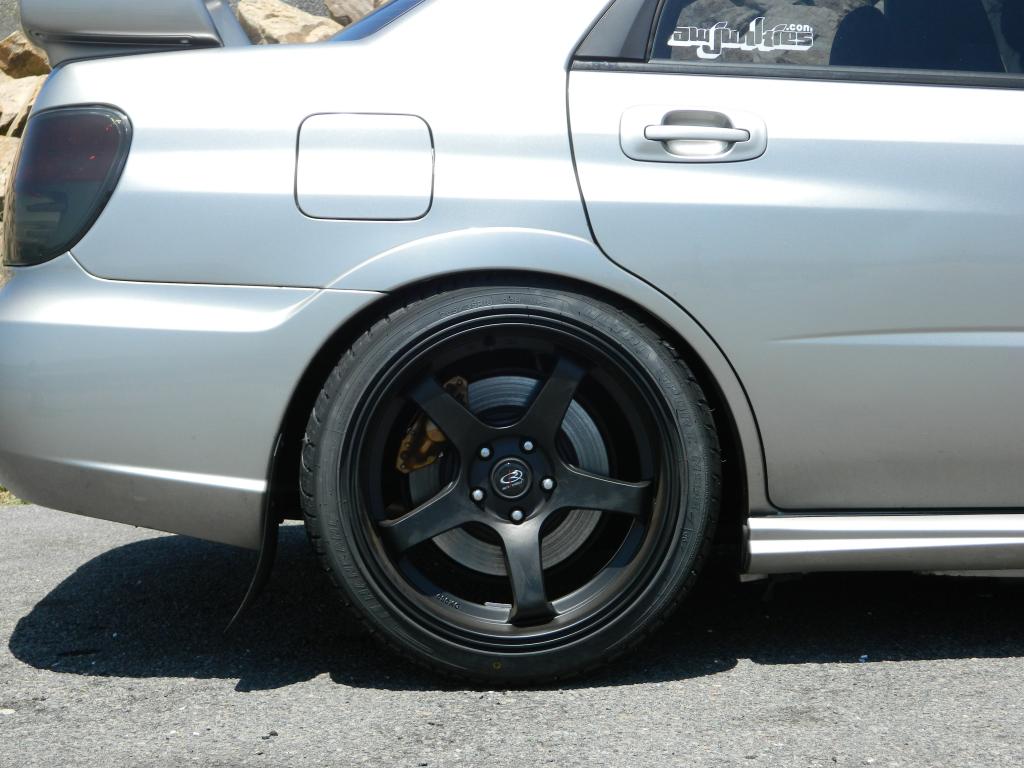
Selecting the correct tires for your 2019 Subaru Impreza requires balancing factory specifications with your specific driving environment. The 2019 model features multiple trim levels, including the 2.0i, Premium, Sport, and Limited, which dictate standard wheel sizes ranging from 16 to 18 inches. Ensuring the correct tire size is critical for maintaining speedometer accuracy, all-wheel-drive system performance, and vehicle safety.
Understanding Factory Tire Specifications
The 2019 Subaru Impreza was engineered with specific handling dynamics and fuel efficiency targets in mind. Subaru standardized different tire setups across the trim levels to align with the intended driving experience of each model. When you look at the driver’s side door jamb, you will find a tire information placard that lists the Original Equipment (OE) tire sizes, recommended inflation pressures, and load ratings. This is the primary source of truth for your specific vehicle.
The most common factory tire sizes for the 2019 model year are:
- 205/55R16: Typically found on the base 2.0i trim.
- 205/50R17: Standard on the Premium and certain configurations of the base trim.
- 225/40R18: Standard on the Sport and Limited trims.
These measurements follow the standard international tire size designation. For example, in a 205/55R16 tire, "205" represents the section width in millimeters, "55" is the aspect ratio (the height of the sidewall as a percentage of the width), "R" indicates radial construction, and "16" specifies the rim diameter in inches. Deviating from these dimensions can significantly impact the Subaru Symmetrical All-Wheel Drive system, which relies on consistent rolling diameters to function correctly.
The Importance of Rolling Diameter
The Subaru Impreza utilizes a sophisticated all-wheel-drive (AWD) system. One of the most important technical considerations for any Impreza owner is maintaining an identical rolling diameter across all four tires. If you install tires of mismatched sizes or significantly different diameters, you force the center differential to compensate constantly. Over time, this can lead to premature wear or failure of the transmission and differential components.
If you choose to move away from the factory-recommended sizes, you must adhere to the "3% rule." Automotive engineers generally recommend that any change in overall tire diameter remain within 3% of the original manufacturer’s specifications. Exceeding this threshold can trigger the Anti-lock Braking System (ABS) and Vehicle Dynamics Control (VDC) to malfunction, as these systems rely on wheel speed sensors calibrated to the original tire height.
Evaluating Trim-Specific Variations
The 2019 Subaru Impreza trim levels provide different aesthetic and performance characteristics. Understanding these allows you to make informed decisions if you are considering a "plus-sizing" strategy—the act of increasing the wheel diameter while decreasing the tire sidewall height to maintain the same overall diameter.
16-Inch Wheels (Base 2.0i)
The 16-inch wheel setup is designed for ride comfort and economy. With a 55-series sidewall, the tire has more cushion, which effectively absorbs road imperfections. Replacing these tires is typically the most affordable option, as 16-inch tires are mass-produced and feature lower retail price points compared to larger sizes.
17-Inch Wheels (Premium)
The 17-inch setup strikes a balance between aesthetic appeal and ride quality. Many owners find this to be the "sweet spot" for daily commuting. Because the aspect ratio is 50, you lose a slight amount of cushion compared to the 16-inch setup, but gain improved turn-in response and lateral stability during cornering.
18-Inch Wheels (Sport and Limited)
The 18-inch wheels are tailored for drivers seeking a more planted, responsive feel. With a 40-series sidewall, these tires are low-profile. While they offer superior handling and a more aggressive look, they are more susceptible to damage from potholes and road debris. When driving on rough surfaces, the reduced rubber between the rim and the road means the wheel is more likely to sustain an impact fracture or bending.
Comparison Table: Factory Tire Configurations
| Trim Level | Wheel Diameter | Tire Size | Intended Characteristic |
|---|---|---|---|
| 2.0i (Base) | 16 inches | 205/55R16 | Comfort and Value |
| Premium | 17 inches | 205/50R17 | Balanced Daily Driving |
| Sport | 18 inches | 225/40R18 | Responsive Handling |
| Limited | 18 inches | 225/40R18 | Style and Performance |
Seasonal Tire Considerations
The 2019 Subaru Impreza is highly capable, but its performance in adverse weather is heavily dependent on the tire compound. Most factory tires are "All-Season" tires, which are engineered to perform adequately in a broad range of conditions but do not excel in any single one.
If you live in an area with heavy winter snowfall, the factory All-Season tires may prove inadequate. Switching to a dedicated winter tire (often referred to as a "snow tire") is a common modification. When downsizing for winter, many Impreza owners choose to install 16-inch steel or alloy wheels even if their car came with 18-inch wheels. This is acceptable provided the overall rolling diameter remains identical to the factory spec and the wheel clears the brake calipers. Smaller wheels allow for a taller sidewall, which is advantageous for navigating through deep snow and protecting the rim from ice-covered curbs.
Practical Tips for Replacement
When it comes time to replace your tires, follow these technical best practices to ensure the longevity of your vehicle:
- Replace in Sets of Four: Due to the sensitivity of the Subaru AWD system, replacing all four tires at once is the recommended practice. If you only replace two, ensure the new tires match the brand, model, and tread depth of the remaining two as closely as possible. Some manufacturers mandate that tread depth difference between tires should not exceed 2/32 of an inch.
- Monitor Load Index and Speed Rating: Never install a tire with a load index or speed rating lower than what is specified on the tire placard. Doing so can affect the handling stability, especially during emergency maneuvers.
- Regular Rotation: Because the Impreza is an AWD vehicle, the front tires often experience more wear due to steering inputs. Rotating your tires every 6,000 to 8,000 miles is essential to ensure even wear and to keep the rolling diameters within the tolerance range of the AWD system.
- Alignment Checks: Every time you install a new set of tires, have a professional technician perform a four-wheel alignment. Misalignment is the leading cause of "cupping" or uneven tread wear, which will destroy a new set of tires in less than 10,000 miles.
Troubleshooting Common Tire Issues
Owners often encounter concerns regarding tire pressure monitoring system (TPMS) alerts or vibration. If you have recently changed your tires or wheels, ensure the TPMS sensors were properly transferred or synced to the vehicle’s computer. A common mistake is using aftermarket wheels with a different "offset" (ET). If the offset is significantly different from the factory specification, it can cause the tire to rub against the suspension components or the wheel well liner, especially during full-lock turns.
If you experience a vibration at highway speeds after a new tire installation, it is usually a sign of poor wheel balancing. Modern road-force balancing machines are capable of identifying issues that standard spin-balancing cannot detect. Ensure your technician uses a high-quality balancer to minimize vertical force variation.
Frequently Asked Questions
Can I put larger wheels on my 2019 Impreza? Yes, but you must ensure the overall diameter of the wheel and tire combination remains the same as the factory specification. If the overall diameter is too large, the tire will rub against the wheel well, and your speedometer will provide inaccurate readings.
What is the best tire type for the 2019 Impreza? The "best" tire depends on your climate. If you experience moderate weather, a high-quality Grand Touring All-Season tire provides the best balance of longevity and comfort. If you live in a snowy climate, a dedicated set of winter tires is the safest and most effective choice.
Why does my tire placard suggest different pressures for front and rear? Subaru often recommends different PSI (pounds per square inch) settings to optimize handling, counteract understeer, and account for the weight distribution of the vehicle. Always follow the placard on the driver's door jamb rather than the "Max PSI" listed on the tire sidewall.
Does a different tire brand affect my AWD system? While different brands have different tread patterns, the primary concern is the rolling diameter. As long as the tires are the correct size and are inflated to the proper pressure, minor brand-to-brand differences are generally acceptable. However, avoid mixing different tire brands on the same axle.
How do I know if my tires are worn out? Beyond using a tread depth gauge (the legal minimum is usually 2/32 of an inch), check for the wear bars molded into the tread grooves. When the tread reaches the same height as these bars, the tires require immediate replacement for safety, particularly in wet or snowy conditions.
Final Next Actions
If you are planning to replace the tires on your 2019 Subaru Impreza, start by checking the tire placard inside your driver's door frame to confirm your current size. Before purchasing, verify the "Treadwear," "Traction," and "Temperature" (UTQG) ratings on the new tires to ensure they meet your driving needs. If you are considering a change in wheel size for aesthetic or seasonal reasons, consult a local tire professional to confirm the correct wheel offset and to ensure the new setup will not compromise your vehicle’s handling or warranty status.