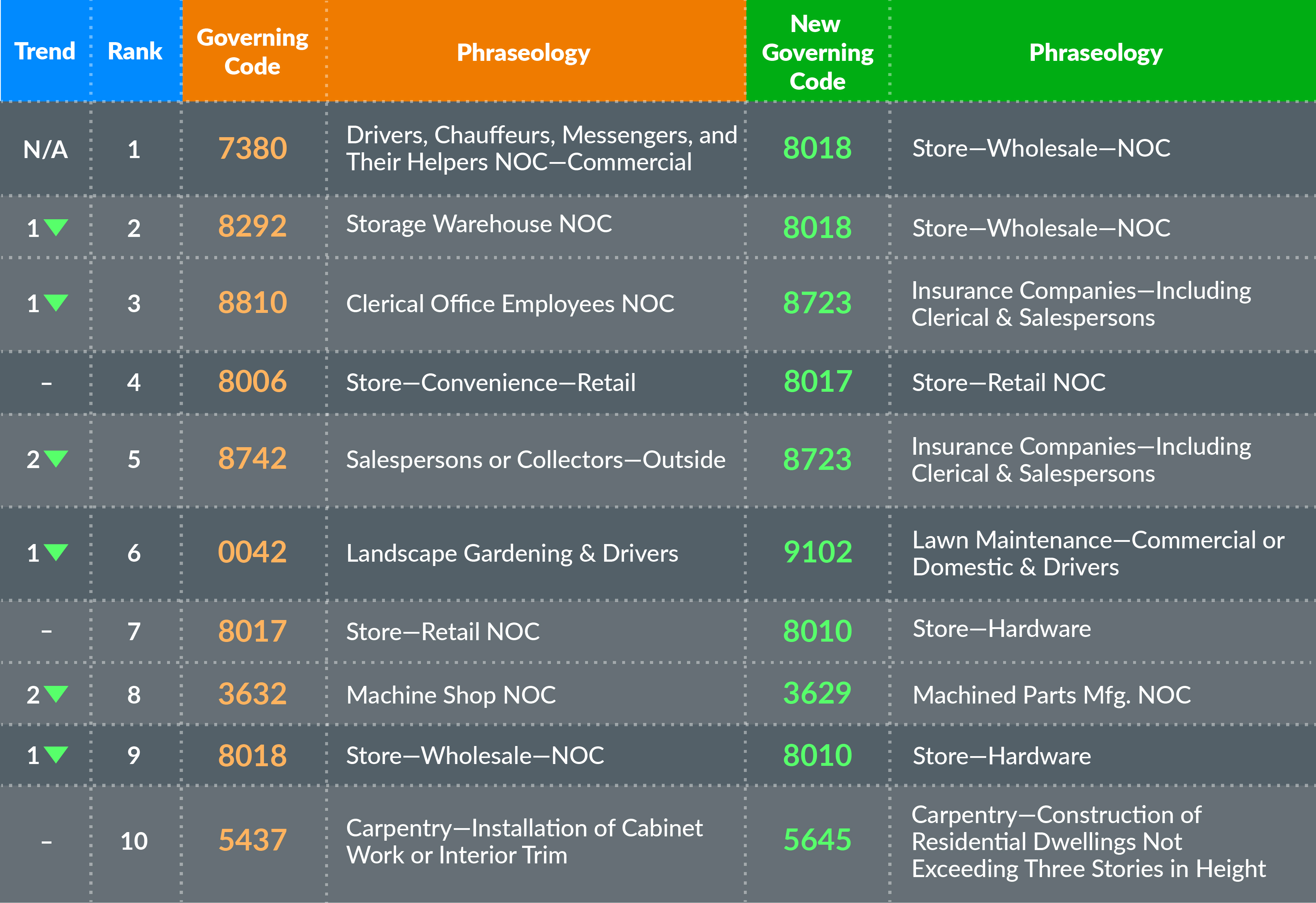
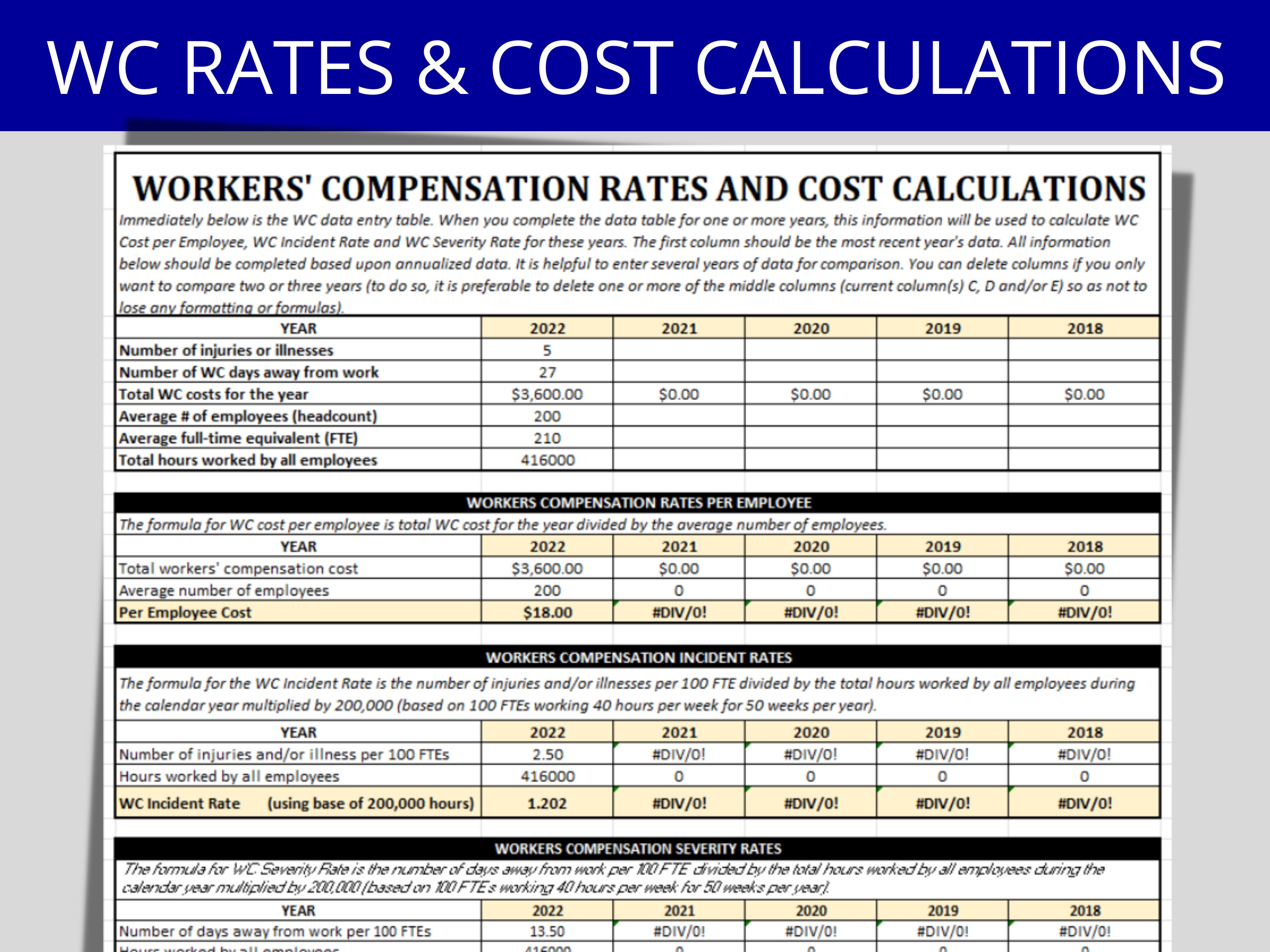
The 2018 New York workers’ compensation class codes serve as the standardized numerical system used to classify employees based on their occupational risk profile. These codes are essential for businesses operating in New York to calculate premiums, maintain regulatory compliance, and ensure that insurance carriers accurately assess the hazards associated with specific job duties during that historical rating period.
The Role of Class Codes in New York State Insurance
Workers’ compensation insurance is a mandatory requirement for nearly all employers in New York State. The premium paid by a business is not a flat fee; rather, it is a function of the total payroll, the specific job duties performed by employees, and the loss experience of the business. The class code system provides the foundational language that insurance carriers and the New York Compensation Insurance Rating Board (NYCIRB) use to categorize these job duties.
When an employer applies for a policy, they must assign a specific classification code to each employee or job function. In 2018, these codes were governed by the NYCIRB’s Classification Procedures. The primary objective of this system is to ensure that businesses engaged in high-risk activities pay a rate commensurate with the likelihood of workplace injury, while businesses with lower risk profiles benefit from more favorable premium calculations.
Why 2018 Classification Data Remains Relevant
While workers’ compensation rates and codes undergo periodic updates, the 2018 classification framework remains a critical point of reference for historical audits, litigation, and forensic accounting. Employers may be subject to payroll audits that look back at previous policy periods to ensure that premiums were correctly calculated. If an auditor determines that an employer misclassified employees under the 2018 guidelines, the business could face back-premium assessments, penalties, or fines.
Furthermore, businesses comparing long-term insurance costs often refer to these historical classifications to track how their business operations—and the resulting insurance risk—have shifted over time. Understanding the 2018 structure is essential for anyone dealing with legacy claims, historical financial reporting, or state-mandated audits concerning that specific fiscal timeframe.
The Mechanism of Risk Assignment
The assignment of a class code is generally based on the "nature of the business" rather than the specific job title. For example, in 2018, a clerical employee working for a construction firm might fall under a different risk category than a carpenter working for the same firm. However, the rule of thumb is that if an employee's duties are incidental to the primary business operation, they may be classified under the business’s governing classification.
There are, however, exceptions to this rule. The NYCIRB distinguishes between "general inclusions" and "general exclusions." General inclusions represent tasks typically expected in a business (such as maintenance or administrative work), while general exclusions represent distinct operations that may require their own separate classification codes.
Key Differences and Structural Components
The New York system is heavily influenced by the National Council on Compensation Insurance (NCCI) guidelines, but with state-specific modifications. In 2018, the classification system was designed to group industries by the commonality of the risks they face.
Common Industrial Classifications
To understand how these codes function, it is helpful to look at how different industries were stratified:
- Construction: Often carries higher base rates due to the physical nature of the work. These codes are highly specific, distinguishing between residential, commercial, and heavy infrastructure projects.
- Manufacturing: These codes focus on the equipment used, the intensity of labor, and the proximity to hazardous machinery.
- Office and Clerical: Generally assigned the lowest premium rates due to the statistically lower frequency of traumatic injury.
- Retail and Service: These codes depend on the type of goods sold or services provided, as the risk of interaction with the public or movement of heavy inventory varies widely.
Comparison of Classification Impacts
The following table illustrates how different job functions were typically handled under the 2018 New York framework. This is for illustrative purposes regarding the categorization logic applied during that year.
| Industry/Role | Typical Code Characteristics | Risk Profile |
|---|---|---|
| Office Personnel | Administrative and sedentary | Low |
| Construction Labor | Exposure to heights, heavy tools, and debris | High |
| Retail Sales | Customer interaction, minor physical labor | Moderate |
| Professional Drivers | Transportation hazards and road risk | High |
| Manufacturing | Heavy machinery and material handling | High |
Conducting a Payroll Audit and Reconciliation
If you are navigating an audit concerning the 2018 period, the process usually begins with an examination of your payroll records. The auditor will compare the payroll assigned to specific codes against the nature of the work documented.
Common errors that surface during these historical audits include:
- Over-classifying employees: Assigning a high-risk code (like a contractor) to an office employee who does not perform field duties.
- Under-classifying employees: Attempting to assign a lower-risk clerical code to field staff, which can lead to significant premium underpayments and subsequent legal liabilities.
- Failure to update classifications: Not adjusting the codes when business operations expanded, such as a retailer beginning to offer installation services.
Legal Requirements and Regulatory Oversight
In 2018, as in 2026, the New York State Workers’ Compensation Board (WCB) mandates that all employers provide coverage for their employees. Failure to carry the correct insurance, or the intentional misclassification of employees to lower premiums, is a serious violation of New York State law.
Employers should remember that they do not have the final say on their own classifications. Insurance carriers determine the code, and the NYCIRB acts as the regulatory body that oversees the consistency of these ratings. If an employer disagrees with the classification assigned to their business, they have a right to appeal the decision through the NYCIRB’s established review processes.
Troubleshooting Misclassification
If you identify a discrepancy between the class codes applied to your business in 2018 and the actual work performed, you must prepare a comprehensive documentation package. This includes:
- Detailed Job Descriptions: Clear outlines of the day-to-day responsibilities for the employees in question.
- Payroll Summaries: Separated by department or specific job function to demonstrate how labor hours were distributed.
- Site Photographs or Operational Manuals: Visual or written proof of the equipment used and the environment in which the work took place.
By providing this objective evidence to your insurance carrier, you can request a re-evaluation of your historical payroll. Note that this process can be lengthy and may require legal or professional insurance consulting, as historical audits often involve reconciling money that has already been settled or processed in tax filings.
Frequently Asked Questions
Does the classification code change based on the location of the job? While the nature of the work is the primary driver, New York law considers the business operations in their entirety. However, for large, multi-state operations, the physical location and the specific activities performed in New York may necessitate different codes compared to offices located elsewhere.
Can an employee have more than one classification code? Generally, an employee is assigned to a single code that reflects their primary duty. If an employee performs multiple tasks that are distinct enough to fall into different risk categories, their payroll may be divided, provided that accurate time records are maintained to justify the split.
What happens if the business operation changed in 2018? If a business expanded its services or transitioned into a new industry during 2018, the employer was obligated to notify their carrier. Failing to report these changes can lead to an audit adjustment where the higher-risk rate is applied retroactively to the date of the change.
Are these codes identical to those in other states? No. While many states adopt NCCI guidelines, New York maintains its own specific classification system. You cannot assume that a code used in 2018 in New Jersey or Pennsylvania will correspond directly to the same classification in New York.
How long are records concerning these codes required to be kept? New York employers should retain detailed payroll and tax records for a minimum of seven years, although many professionals suggest maintaining records indefinitely for insurance and liability purposes.
Recommendations for Current and Historical Compliance
For those managing 2018 documentation, the most effective next step is to perform a self-audit of your historical records to ensure they match the NYCIRB requirements for that year. If you discover potential misclassifications, consult with a licensed insurance broker or a legal professional who specializes in New York workers’ compensation law. Proactive transparency with your insurance carrier regarding historical data is the most effective way to avoid penalties and ensure that your business remains in good standing with the New York State Workers’ Compensation Board.