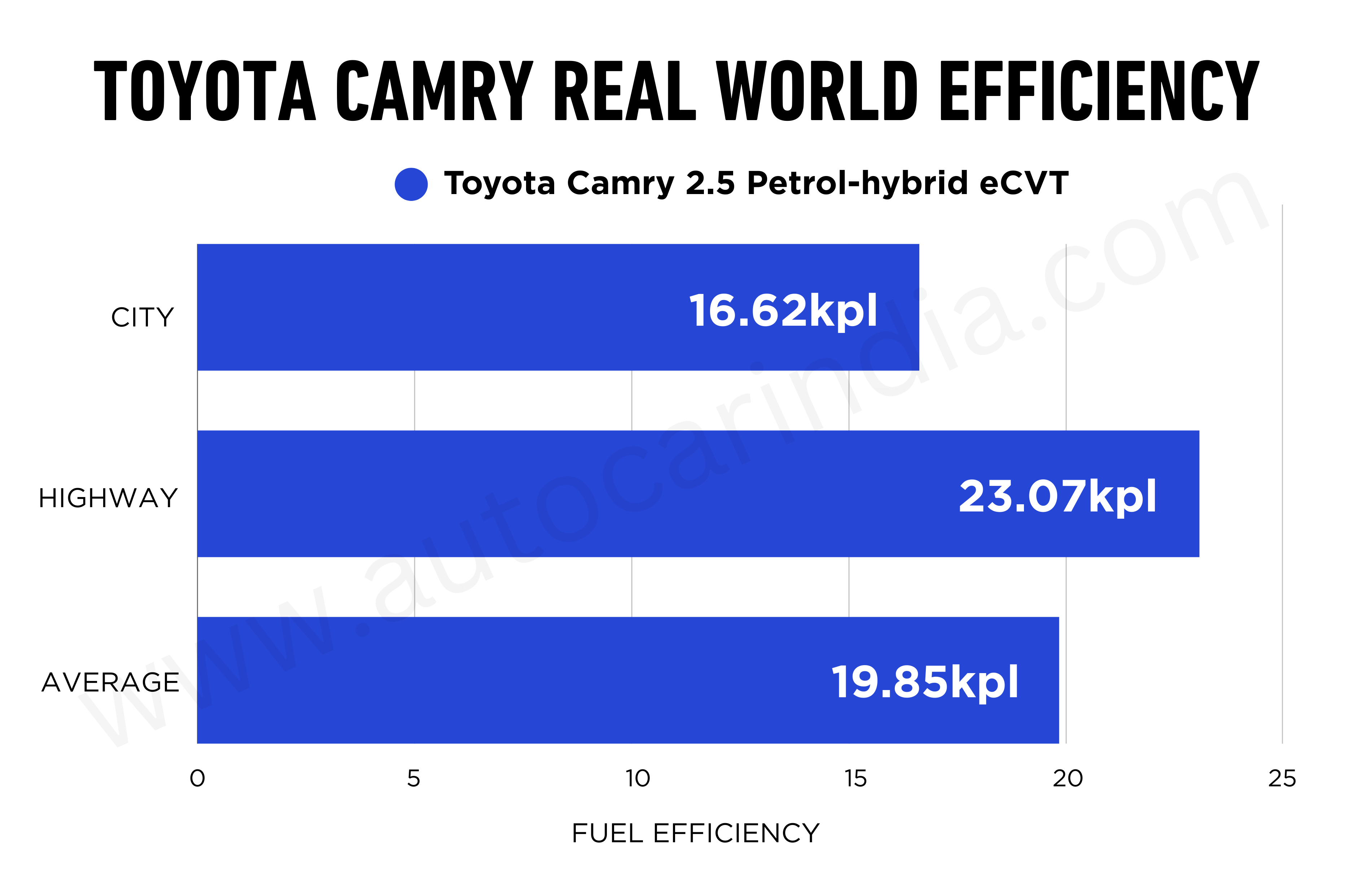
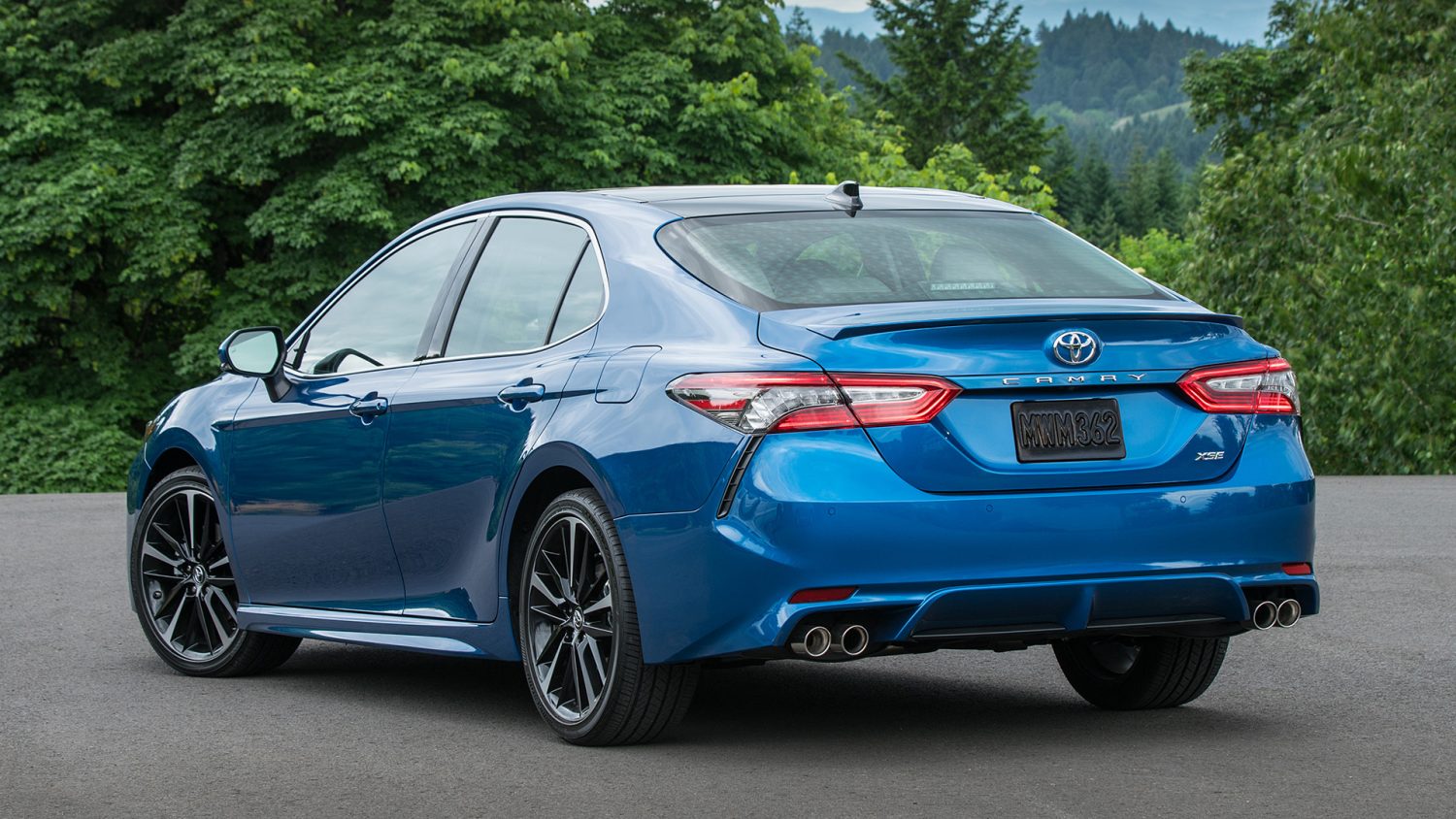
The 2018 Toyota Camry Hybrid achieves an EPA-estimated fuel economy ranging from 41 to 52 miles per gallon (mpg) in the United States, depending on the trim level. The efficiency split features the base LE model delivering an exceptional 51 mpg city, 53 mpg highway, and 52 mpg combined, while the sportier SE and XLE trims return 44 mpg city, 47 mpg highway, and 46 mpg combined due to larger wheels and added weight.
Understanding the fuel economy of the 2018 Toyota Camry Hybrid in the United States requires examining how Toyota’s redesigned eighth-generation sedan achieved a massive efficiency leap over its predecessor. Launched on the brand-new Toyota New Global Architecture (TNGA) platform, the 2018 model year introduced a completely re-engineered powertrain. This comprehensive guide explores the EPA ratings, engineering mechanics, real-world driving variables, trim-level variances, and long-term ownership factors that define the fuel economy of this popular midsize hybrid sedan in the US market.
The TNGA Platform and Powertrain Engineering
The significant fuel economy gains seen in the 2018 Camry Hybrid stem directly from the transition to the TNGA platform and the adoption of the fourth-generation Toyota Hybrid System (THS II). Toyota engineers re-architected nearly every component of the vehicle, lowering the center of gravity and reducing overall aerodynamic drag.
At the heart of the system is a newly developed 2.5-liter Dynamic Force four-cylinder engine operating on the Atkinson cycle. This internal combustion engine achieves a thermal efficiency of 41 percent—one of the highest figures ever reached for a mass-market production gasoline engine. Thermal efficiency measures how effectively an engine converts the chemical energy contained in fuel into mechanical energy, minimizing waste heat and friction.
The gasoline engine pairs with two electric motor-generators (MG1 and MG2) housed within a newly configured transaxle. Instead of a traditional stepped-gear automatic transmission, the Camry Hybrid utilizes an electronically controlled planetary gear set, functioning as a continuously variable transmission (e-CVT). This arrangement seamlessly blends power from the gasoline engine and the electric motors while optimizing the engine load under varying US driving conditions. Furthermore, the positioning of the hybrid battery pack was moved from the trunk to beneath the rear passenger seat, optimizing weight distribution and preserving cargo space without compromising the efficiency benefits of a lower vehicle profile.
EPA Fuel Economy Ratings by Trim Level
When evaluating the 2018 Camry Hybrid fuel economy in the US, consumers must note that efficiency figures vary significantly between the entry-level LE trim and the higher-tier SE and XLE trims. This divergence is primarily driven by wheel size, tire rolling resistance, and vehicle weight differences.
The base LE trim comes equipped with lighter 16-inch alloy wheels and low-rolling-resistance tires. These mechanical advantages allow the LE to achieve the highest EPA ratings in the lineup. Conversely, the SE and XLE trims feature larger 18-inch alloy wheels and wider tires, which introduce additional rotational mass and aerodynamic drag, resulting in a slight penalty to fuel efficiency.
| Trim Level | Wheel Size | City EPA (mpg) | Highway EPA (mpg) | Combined EPA (mpg) | Estimated Annual Fuel Cost (15k Miles) |
|---|---|---|---|---|---|
| Camry LE Hybrid | 16-inch | 51 | 53 | 52 | Low |
| Camry SE Hybrid | 18-inch | 44 | 47 | 46 | Moderate |
| Camry XLE Hybrid | 18-inch | 44 | 47 | 46 | Moderate |
Note: Annual fuel cost estimates vary based on fluctuating regional gasoline prices across different US states and individual driving habits.
Real-World Driving Dynamics and US EPA Test Cycles
While EPA ratings provide a standardized baseline for comparing vehicles, real-world fuel economy often fluctuates based on geography, climate, and driving behavior across the United States. The EPA test cycles (City and Highway) simulate typical commuting conditions, but hybrid vehicles respond uniquely to real-world environments compared to conventional internal combustion vehicles.
In urban and suburban driving environments across congested US metropolitan areas, the Camry Hybrid shines. Stop-and-go traffic allows the regenerative braking system to capture kinetic energy that would otherwise be lost as heat during deceleration, converting it back into electrical energy to recharge the lithium-ion (or nickel-metal hydride, depending on the specific build configuration) battery pack. Consequently, urban driving often yields fuel economy figures that match or exceed the EPA city estimates.
On open interstate highways, where vehicle speeds exceed 65 or 75 miles per hour across long stretches of rural or western US roadways, aerodynamic drag and sustained high RPM demands reduce the frequency of electric-only motor assist. At sustained highway speeds, the 2.5-liter engine runs continuously, leading to highway mpg ratings that are occasionally lower than city ratings on the LE trim, though still remarkably high for a midsize sedan.
Environmental Factors Impacting Efficiency
Operating a hybrid vehicle in the diverse climates of the United States introduces seasonal variables that directly impact fuel economy. Understanding these factors helps owners manage expectations regarding real-world efficiency.
Temperature and Climate Control
Cold winter weather, particularly in the northern and midwestern regions of the US, presents a dual challenge for hybrid efficiency.
- Engine Warm-up: The internal combustion engine must run more frequently during cold starts to reach optimal operating temperatures and provide cabin heat, preventing the vehicle from utilizing electric-only mode as often.
- Battery Chemistry: Cold temperatures temporarily reduce the chemical reaction rates within hybrid battery cells, lowering charging efficiency and power delivery until the battery warms up.
- HVAC Load: Defrosting windows and running cabin heaters draws substantial electrical and thermal energy, increasing fuel consumption.
Conversely, extreme summer heat in southern US states requires heavy reliance on air conditioning compressors, which also places an electrical load on the hybrid system, though the impact is generally less severe than extreme cold weather.
Topography and Altitude
Driving topography shapes fuel economy profiles across different US regions:
- Hilly Terrains: Mountainous terrain, such as driving through the Rockies or Appalachians, requires significant energy to climb grades. While regenerative braking recovers a portion of this energy on descents, the net energy balance is typically negative compared to flat terrain.
- High Altitude: Operating at high elevations results in reduced atmospheric oxygen density, but because the Camry Hybrid's Atkinson-cycle engine is electronically managed and assisted by electric torque, performance and efficiency remain relatively stable compared to naturally aspirated non-hybrid vehicles.
Driving Modes and Efficiency Optimization
The 2018 Camry Hybrid features a drive mode selector that allows drivers to alter throttle response, transmission mapping, and HVAC operation to suit their efficiency goals.
- Eco Mode: This mode softens throttle sensitivity, smoothing out aggressive acceleration inputs and moderating the air conditioning compressor output to maximize fuel economy. It is ideal for daily commuting and heavy traffic.
- Normal Mode: Provides a balanced response suitable for everyday driving, blending predictable throttle inputs with standard climate control performance.
- Sport Mode: Alters the e-CVT simulation to provide sharper throttle response and utilizes both the engine and electric motor simultaneously for more immediate acceleration, resulting in a slight reduction in fuel economy if used aggressively.
- EV Mode: Allows the vehicle to run exclusively on electric power for short distances under low-load conditions (such as navigating a parking garage or residential street at low speeds), provided the battery state of charge is sufficient and the engine is warm.
Maintenance Practices for Sustaining Fuel Economy
Maintaining optimal fuel economy over years of ownership requires adhering to specific maintenance protocols. Neglecting routine service items can degrade efficiency by several miles per gallon.
- Tire Pressure Monitoring and Maintenance: Maintaining correct tire inflation pressure as specified on the vehicle placard inside the driver's door jamb is critical. Under-inflated tires increase rolling resistance, forcing the hybrid powertrain to work harder and consume more fuel.
- Wheel Alignment: Proper alignment prevents tires from scrubbing against the pavement, reducing drag and preserving fuel economy.
- Hybrid Cooling System Maintenance: The hybrid battery and inverter rely on dedicated cooling fans and coolant loops. Ensuring these passages remain free of dust and debris prevents thermal throttling of the electrical system.
- Ignition and Filtration Service: Regularly replacing engine air filters and spark plugs ensures optimal combustion efficiency within the 2.5-liter engine.
Frequently Asked Questions
What is the difference in fuel economy between the 2018 Camry Hybrid LE and SE trims?
The LE trim achieves an EPA-estimated 51 mpg city and 53 mpg highway (52 combined), while the SE and XLE trims achieve 44 mpg city and 47 mpg highway (46 combined). This difference is primarily caused by the heavier 18-inch wheels and wider tires on the SE and XLE, compared to the lighter 16-inch low-rolling-resistance setup on the LE.
Does the 2018 Camry Hybrid require premium gasoline?
No. The 2018 Toyota Camry Hybrid is engineered to run on regular unleaded gasoline with an octane rating of 87 or higher. Using premium fuel provides no additional fuel economy or performance benefits for this vehicle.
How long does the hybrid battery last in a 2018 Camry Hybrid?
Toyota hybrid batteries are designed to last the lifetime of the vehicle. In the US, Toyota provided an 8-year/100,000-mile hybrid system warranty and a 10-year/150,000-mile hybrid battery warranty for the 2018 model year, reflecting high reliability standards. Many units surpass these milestones without experiencing degradation that significantly affects fuel economy.
Why is my highway fuel economy lower than my city fuel economy?
Hybrid vehicles achieve high city fuel economy because stop-and-go driving allows regenerative braking to recapture energy. At sustained high highway speeds (above 70 mph), aerodynamic drag increases exponentially, and the gasoline engine must run continuously without electric-only coasting opportunities, resulting in highway mpg figures that can align closely with or dip below city figures depending on the trim.
Can the 2018 Camry Hybrid be plugged in to charge?
No. The 2018 Camry Hybrid is a traditional (full) hybrid electric vehicle (HEV), not a plug-in hybrid electric vehicle (PHEV). The battery is automatically recharged via regenerative braking and surplus energy from the internal combustion engine while driving.
Conclusion and Next Actions
Achieving optimal fuel economy from a 2018 Toyota Camry Hybrid in the United States relies on selecting the appropriate trim level (such as the LE for maximum efficiency), maintaining correct tire pressures, and adapting driving habits to maximize regenerative braking opportunities. For prospective buyers or current owners seeking to verify efficiency metrics, reviewing individual vehicle maintenance records and monitoring real-time trip computers provides the most accurate assessment of actual fuel consumption under specific regional driving conditions.