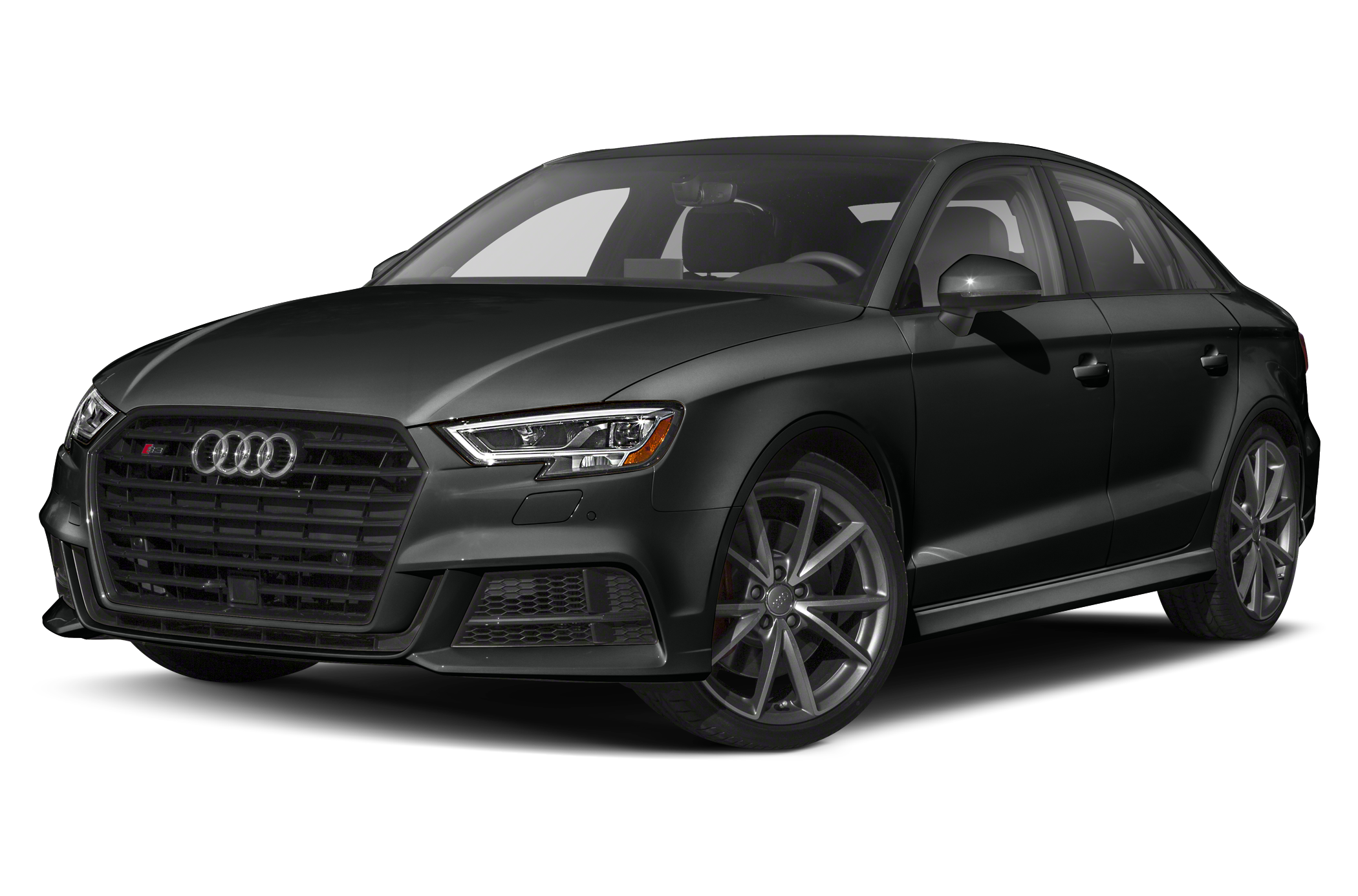
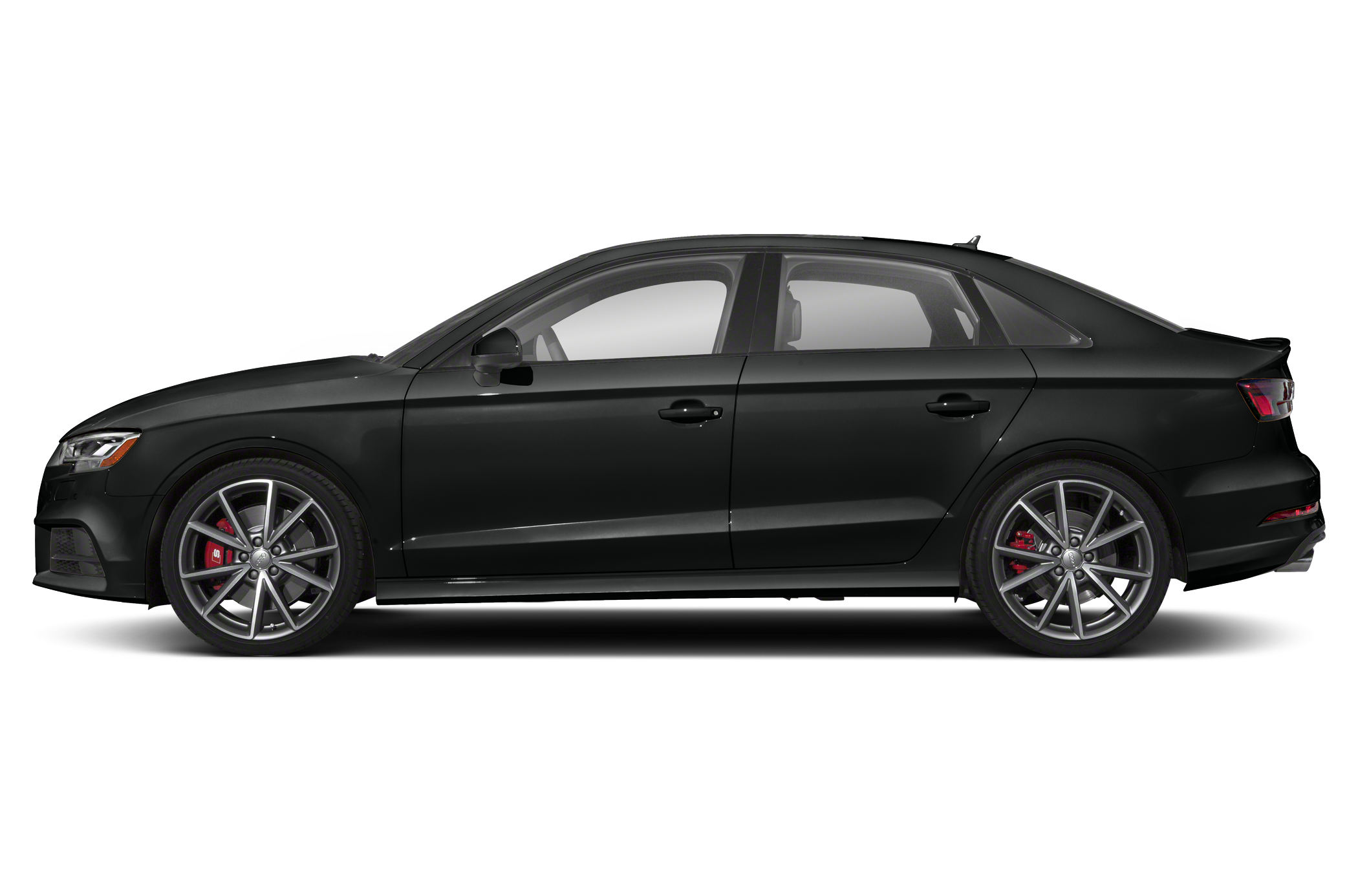
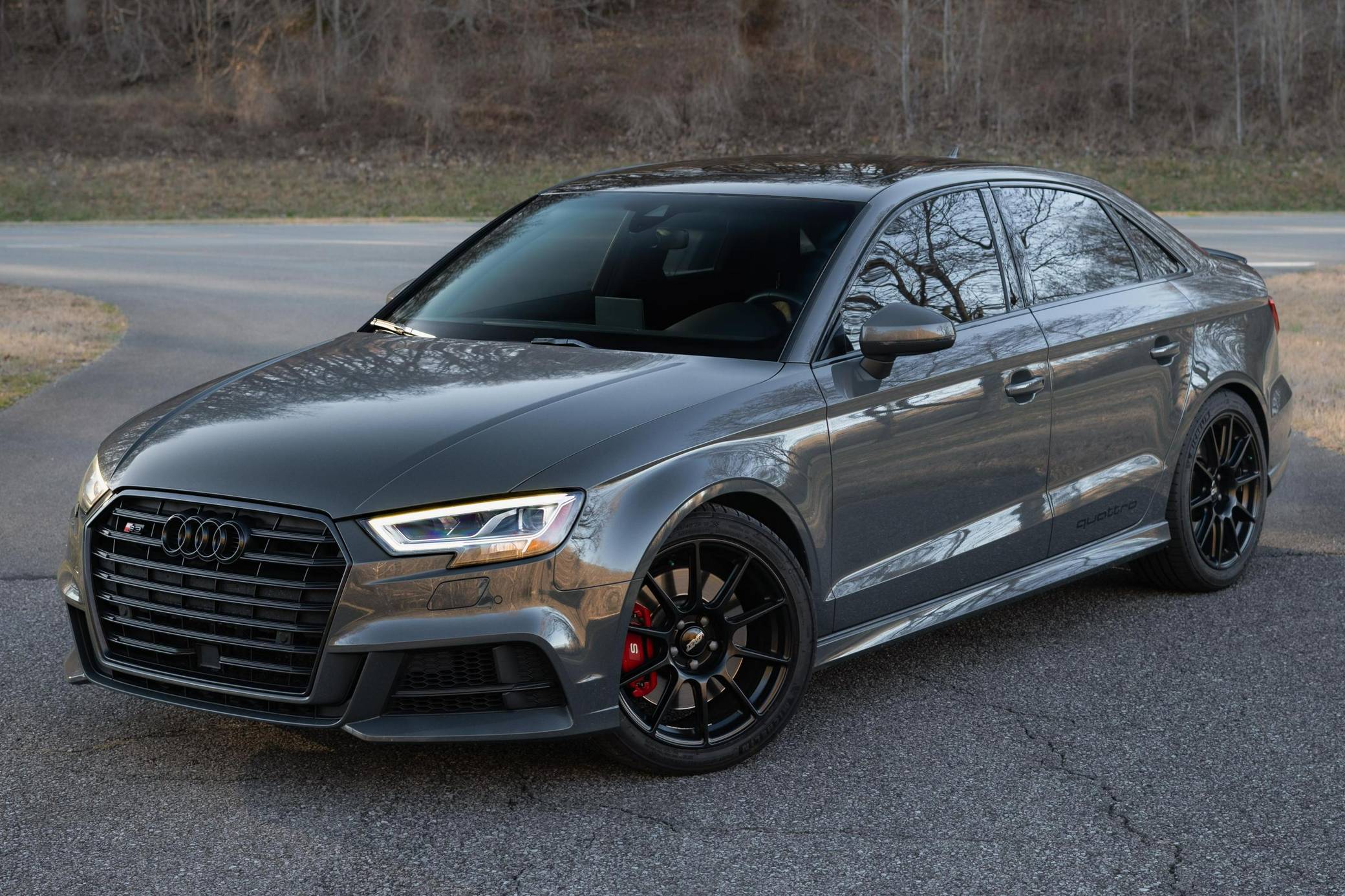
When the 2018 Audi S3 rolled onto dealership floors, it arrived with a Manufacturer’s Suggested Retail Price (MSRP) starting around $44,500 for the base Premium Plus trim and climbing past $50,000 for the heavily optioned Prestige trim. Understanding this pricing structure requires looking past the base sticker price to examine how factory packages, standalone options, and destination fees shaped the true financial cost of Audi’s high-performance compact sedan.
The Foundation of Audi S3 Pricing: Understanding MSRP
The Manufacturer’s Suggested Retail Price—commonly referred to as MSRP or the window sticker price—represents the baseline valuation established by Audi of America for the 2018 model year S3. This figure serves as a benchmark for consumers, dealerships, and financial institutions, though it rarely reflects the final transaction price of a new vehicle. For the 2018 model year, the S3 occupied a vital space in Audi’s lineup: bridging the gap between the mainstream A3 sedan and the aggressive, track-focused RS 3.
Vehicles in this segment target buyers who want luxury-car refinement and sports-car performance without moving up to a larger footprint like the A4 or S4. To achieve this, Audi engineered the S3 around a potent 2.0-liter turbocharged four-cylinder engine mated to a standard quattro all-wheel-drive system and a fast-shifting 7-speed S tronic dual-clutch transmission. Because this powertrain and drivetrain combination came standard across all trim levels, the base MSRP primarily reflected differences in interior technology, driver-assistance features, and comfort amenities rather than core mechanical performance.
Trim Level Breakdown and Base MSRPs
For the 2018 model year, Audi structured the S3 lineup primarily around two distinct trim levels: the Premium Plus and the Prestige. Each tier introduced a specific baseline of standard equipment, setting the floor for the vehicle's starting price before destination charges, taxes, or optional packages were applied.
2018 Audi S3 Premium Plus
- Starting Base MSRP: Approximately $44,500
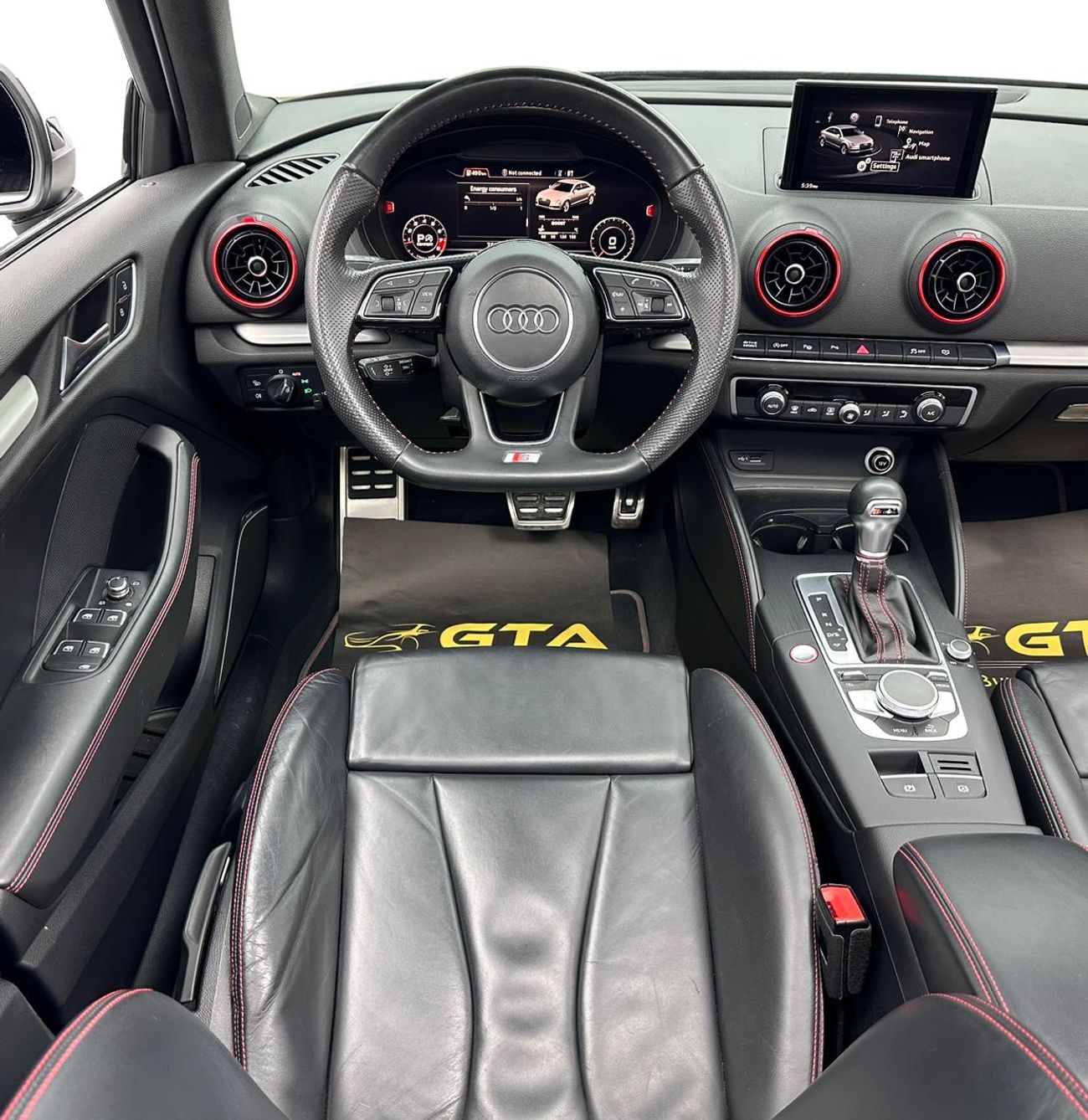
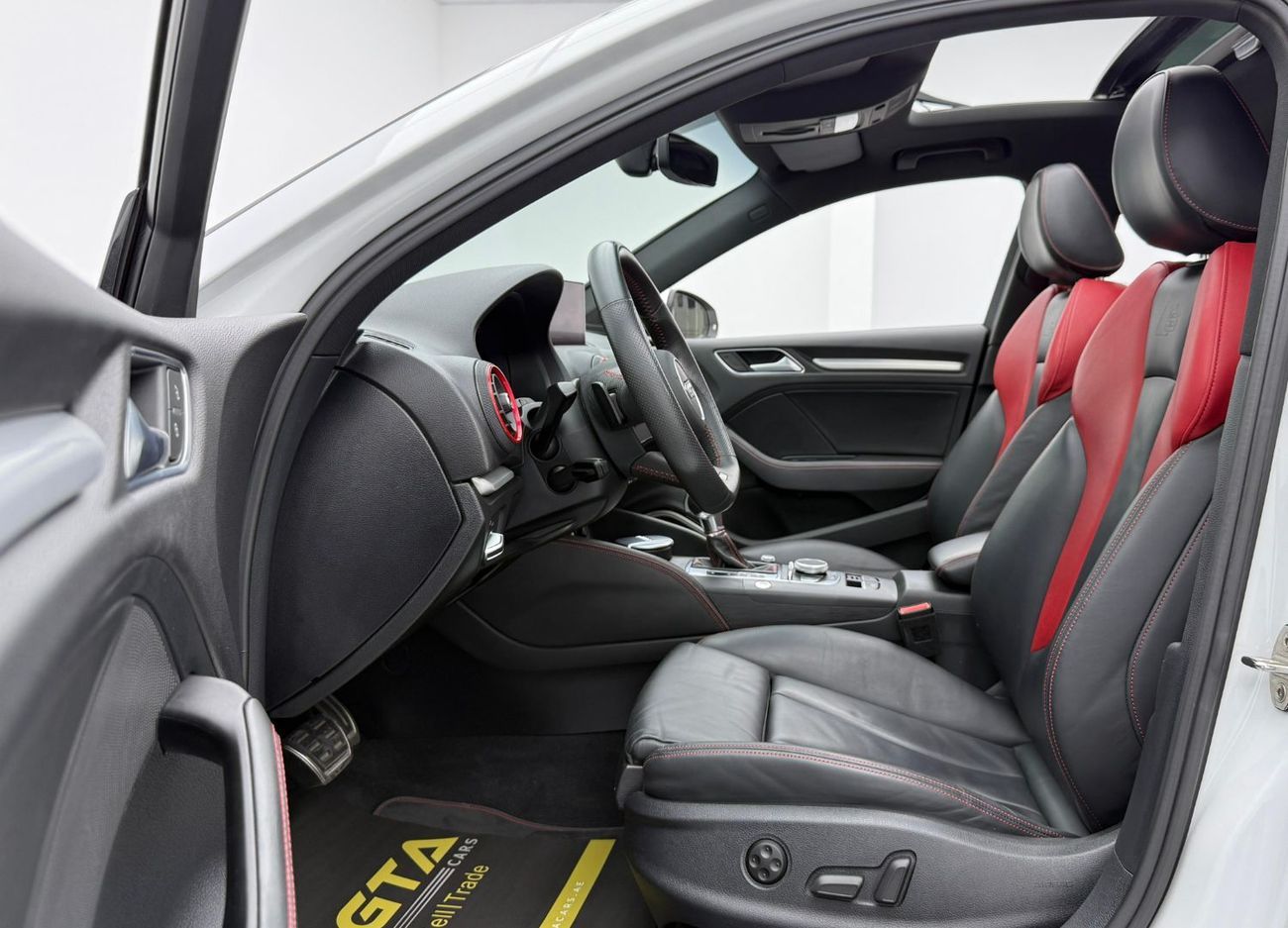
- Core Offerings: The Premium Plus served as the entry point to S3 ownership, yet it came heavily equipped compared to its non-S siblings. Standard exterior features included 18-inch 5-double-spoke star design wheels, full LED headlights, and S-specific body styling, including quad exhaust tips and unique bumpers. Inside, drivers received leather seating surfaces, heated front S sport seats with diamond stitching, a panoramic sunroof, and a 7-inch retractable MMI infotainment display.
2018 Audi S3 Prestige
- Starting Base MSRP: Approximately $51,600
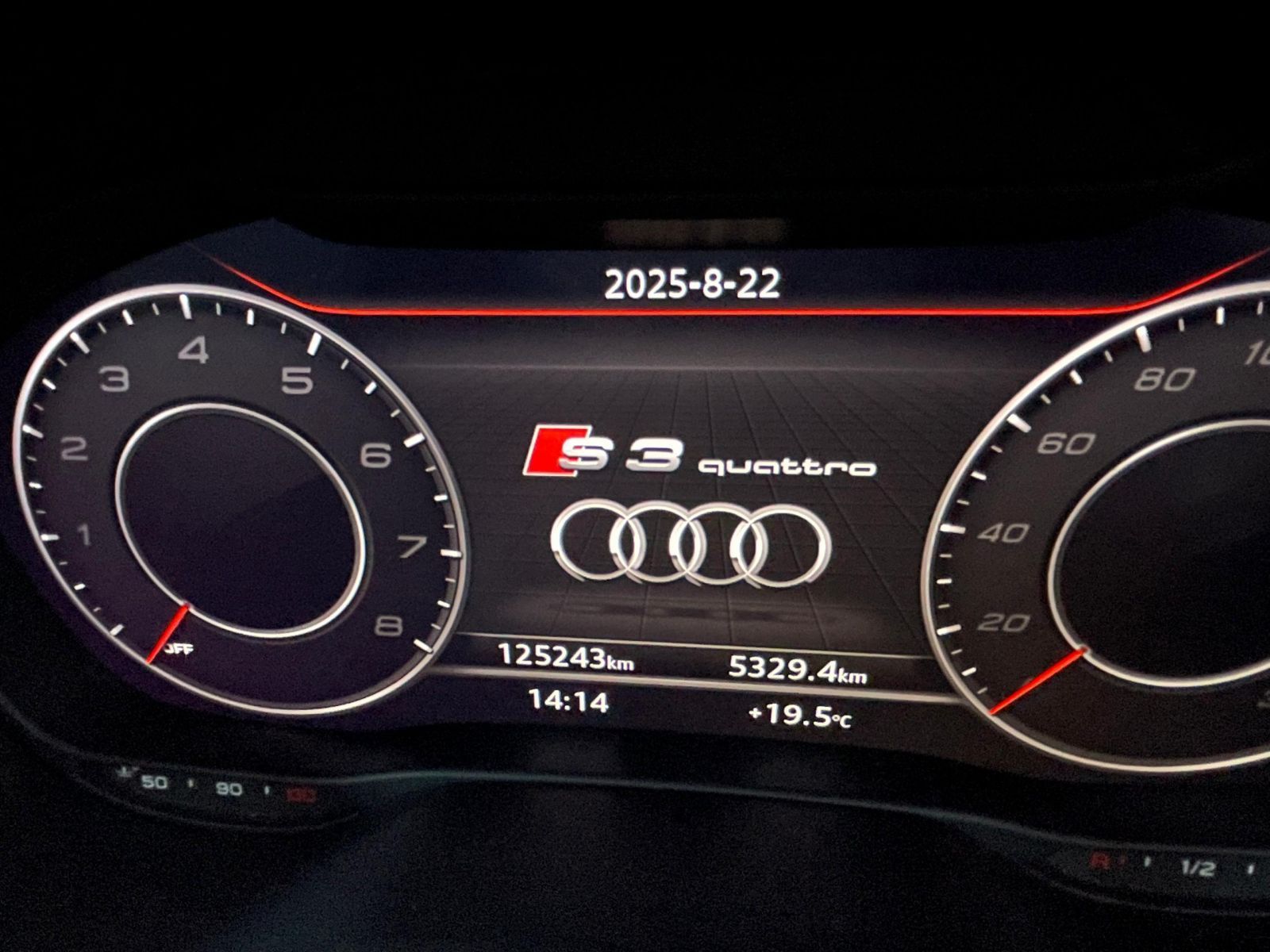
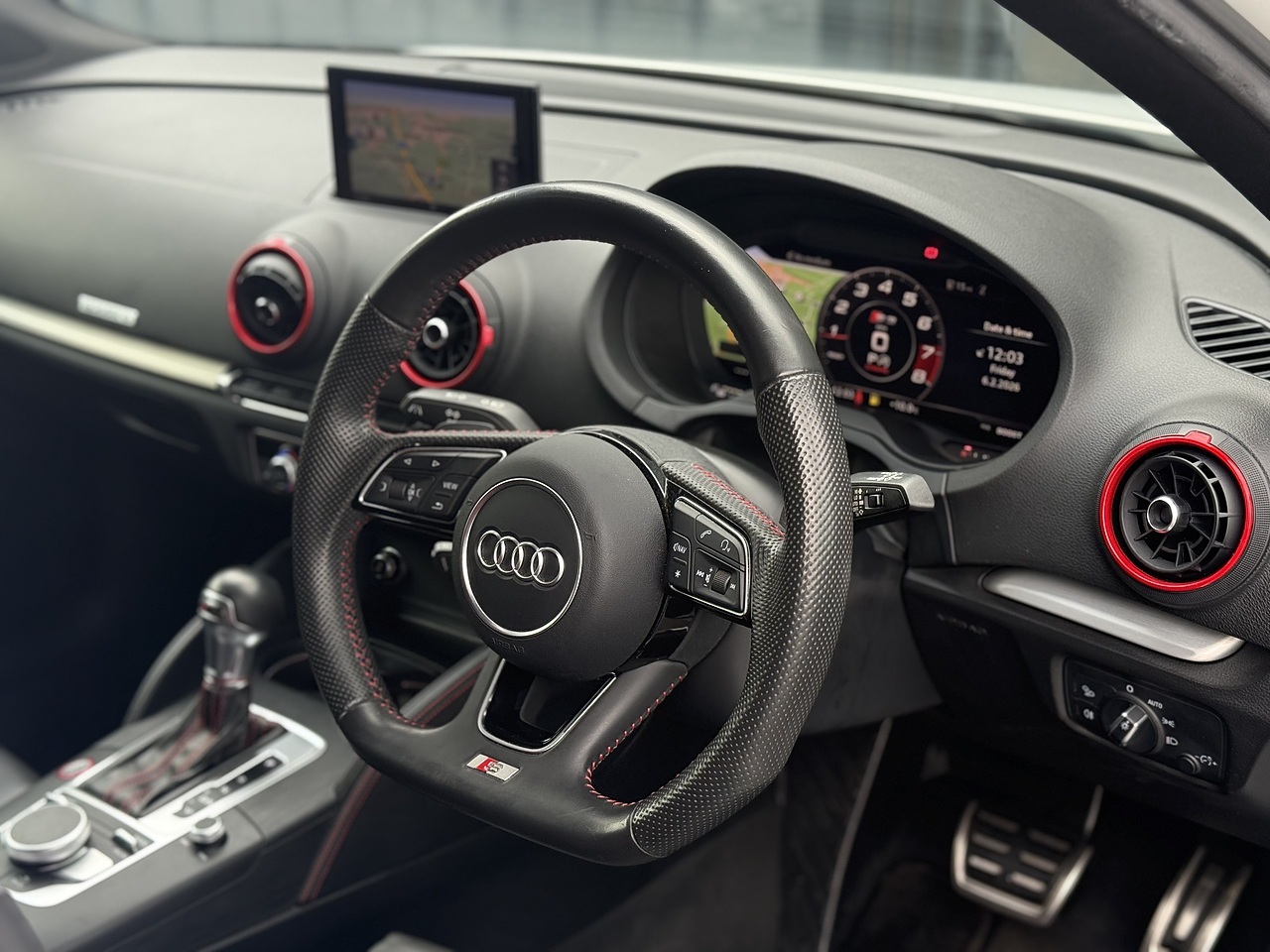
- Core Offerings: Moving up to the Prestige trim added roughly $7,100 to the baseline sticker price. This package injected a heavy dose of advanced technology and luxury appointments into the cabin. Key additions included Audi’s groundbreaking Virtual Cockpit (a 12.3-inch configurable digital instrument cluster), the MMI Navigation plus system with MMI touch, a stellar 14-speaker Bang & Olufsen sound system, and power-folding, auto-dimming exterior mirrors. The Prestige trim also unlocked eligibility for advanced driver-assistance systems that were either unavailable or cost-extra on the lower tier.
| Trim Level | Estimated Base MSRP (2018) | Key Standard Features | Primary Tech Upgrades |
|---|---|---|---|
| Premium Plus | $44,500 | LED headlights, 18-inch wheels, heated diamond-stitched leather S sport seats, panoramic sunroof | 7-inch retractable MMI screen, smartphone integration (Apple CarPlay/Android Auto) |
| Prestige | $51,600 | Bang & Olufsen sound system, power-folding auto-dimming mirrors, ambient LED interior lighting | Audi Virtual Cockpit (12.3-inch display), MMI Navigation plus with touch input |
Factory Packages and Optional Equipment
A deep dive into the 2018 Audi S3 MSRP requires examining the extensive roster of factory packages that could dramatically escalate the final window sticker price. Audi utilized a modular option structure, allowing buyers to tailor performance, safety, and aesthetics independently, though many packages required selecting specific trim levels first.
The S Sport Package
Priced at approximately $1,500, the S Sport Package was one of the most sought-after additions for driving enthusiasts. It introduced Audi magnetic ride control, an adaptive damping system that continuously adjusted shock absorber stiffness based on road conditions and drive mode selections. Additionally, this package equipped the S3 with eye-catching red brake calipers clamping down on the high-performance braking system, enhancing both visual appeal and track endurance.
Driver Assistance Package
Costing around $1,400 and generally restricted to the Prestige trim (or requiring specific secondary packages on Premium Plus), this bundle focused on active safety and convenience. It added:
- Adaptive cruise control with stop-and-go capability
- Audi active lane assist to help maintain lane centering
- High-beam assistant for automatic headlight control
- Audi pre sense front with predictive pedestrian collision mitigation
Advanced Technology and Standalone Options
Beyond major packages, several standalone features allowed buyers to push the MSRP even higher. The Black Optic Package added high-gloss black exterior trim elements and unique 19-inch titanium-finish wheels for roughly $800 to $1,200 depending on the exact production month. Buyers could also opt for 19-inch performance tire packages, rear side airbags, and various metallic or crystal-effect paint finishes, each adding between $550 and $1,075 to the bottom line. Finally, a mandatory destination and delivery charge—typically set at $975 in 2018—was appended to every vehicle regardless of configuration.
Factors Influencing Real-World Transactions vs. MSRP
While the MSRP provided a rigid baseline on the window sticker, actual purchase prices fluctuated based on several economic and market-driven variables. Understanding how these factors interacted with the MSRP helps contextualize what buyers paid when the cars were new and how they retain value in the secondary market.
Dealership Inventories and Market Demand
In 2018, compact luxury sport sedans occupied a fiercely competitive niche against rivals like the BMW M240i and Mercedes-Benz CLA 45 AMG. Dealership allocation played a massive role in pricing power. Well-appointed S3 models featuring the Prestige trim, S Sport package, and exclusive paint colors were often held to strict MSRP pricing, while lower-spec Premium Plus models sitting on lots longer occasionally saw minor dealer incentives or promotional lease rates.
Regional Variations and Port-Installed Options
Audi utilized port-installed accessories—such as upgraded carbon fiber mirror caps, all-weather floor mats, or enhanced security systems—which were added after the vehicle arrived in the United States but before reaching the dealership. These items were itemized on a supplemental addendum sticker and pushed the total effective MSRP higher than the base factory calculation.
Historical Context and Depreciation: The S3 Years Later
Fast-forwarding to the current 2026 automotive landscape, the 2018 Audi S3 has completed a significant portion of its depreciation curve, transforming it from a $45,000–$55,000 new vehicle into an accessible entry point for enthusiasts shopping the pre-owned market.
Because modern luxury performance cars experience steep depreciation curves over their first five to seven years, used 2018 models trade heavily based on their condition, maintenance history, and specific option packages rather than their original MSRP. However, original pricing still dictates baseline expectations: models originally equipped with the Prestige trim and S Sport package command a noticeable premium on the used market compared to base Premium Plus variants because of the high cost of retrofitting features like the Virtual Cockpit or magnetic ride dampers.
Frequently Asked Questions
What was the absolute lowest possible price for a new 2018 Audi S3?
The absolute starting point for a 2018 Audi S3 was the base Premium Plus trim, which carried a manufacturer's suggested retail price of approximately $44,500. Factoring in the mandatory $975 destination and delivery charge, the real entry-level sticker price before local taxes and dealer fees sat at roughly $45,475.
Did the 2018 Audi S3 come with manual transmission options?
No. For the North American market, the 2018 Audi S3 was exclusively offered with a 7-speed S tronic dual-clutch automatic transmission. Audi dropped manual transmission availability for the S3 lineup in North America starting with the 2015 model year.
What is the difference between the Premium Plus and Prestige trims regarding MSRP?
The Prestige trim carried a price premium of roughly $7,100 over the Premium Plus trim. This cost difference covered major technology upgrades, most notably the Audi Virtual Cockpit digital instrument cluster, MMI Navigation plus, and the premium Bang & Olufsen audio system.
Does the original MSRP include destination charges?
No. Automobile MSRP figures traditionally exclude destination and delivery charges. For the 2018 model year, Audi added a mandatory destination fee of $975 to all S3 window stickers, which had to be paid by every retail buyer regardless of geographic location within the continental United States.
How much did the S Sport Package cost when new?
The S Sport Package, which added magnetic ride adaptive damping and red brake calipers, retailed for approximately $1,500 when selected as a factory option on the 2018 Audi S3.
When evaluating a 2018 Audi S3, looking past the base sticker price to review the specific factory packages installed on the vehicle is essential. Whether researching historical pricing data or assessing a pre-owned model's current market value, verifying the presence of high-value upgrades like the Prestige tech bundle and S Sport package explains why two seemingly identical sedans commanded vastly different prices when new.