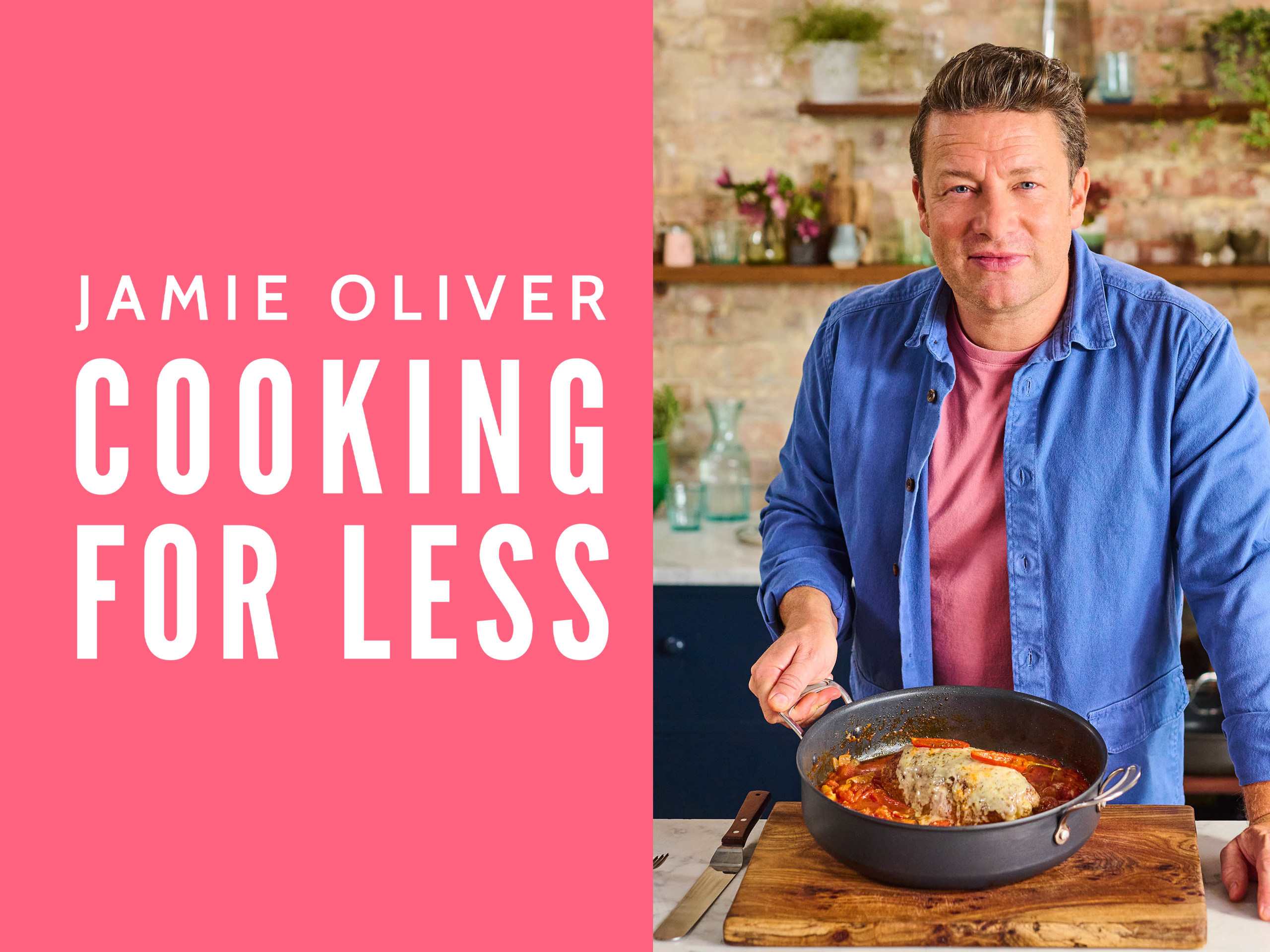
In 2017, celebrity chef Jamie Oliver’s net worth in the UK was estimated at approximately £150 million, according to the Sunday Times Rich List and independent financial reporting. While his media, licensing, and publishing businesses generated steady profits, 2017 was a challenging financial year marked by structural debts and restructuring across his UK restaurant empire.
Financial Overview: Jamie Oliver’s Wealth in 2017
During 2017, Jamie Oliver maintained a position among the wealthiest media personalities and chefs in the United Kingdom. However, his financial empire split into two distinct narratives: high-margin, profitable intellectual property (IP) assets on one side, and capital-intensive, loss-making hospitality operations on the other.
To understand Jamie Oliver's £150 million valuation in 2017, it is necessary to examine how his wealth was structured across separate corporate vehicles. His core asset base was anchored by Jamie Oliver Holdings Limited, which managed his television contracts, book royalties, brand endorsements, and licensing deals. Conversely, Jamie Oliver Restaurant Group Limited managed his high-street dining ventures, most notably the Jamie’s Italian restaurant chain.
While public estimates highlighted a multi-million-pound net worth based on past earnings and brand value, 2017 represented a key liquidity squeeze. Cash reserves from his profitable media companies were diverted to meet emergency obligations in his dining sector, demonstrating how operational liabilities can affect overall wealth.
- Jamie Oliver Total Assets (2017) (Est. Net Worth: £150M)
- Jamie Oliver Holdings Ltd. (Profitable Media & IP Base)
- Cookbook Royalties
- TV Production & Rights
- Brand Licensing (Tefal)
- Commercial Endorsements
- Jamie Oliver Restaurant Group (Hospitality Liabilities)
- 40+ Jamie's Italian Stores
- Heavy Fixed Leases
- Operational Losses
- £70M+ Combined Liabilities
- Jamie Oliver Holdings Ltd. (Profitable Media & IP Base)
Key Revenue Drivers Behind the 2017 Valuation
Oliver’s £150 million net worth in 2017 was built on several commercial engines established over nearly two decades. Following his debut on the BBC's The Naked Chef in 1999, he systematically monetized his personal brand across multiple consumer sectors.
1. Cookbook Publishing and Royalties
Publishing served as the most consistent source of cash generation for Oliver's parent company. In the UK book market, Jamie Oliver ranks among the highest-selling authors of all time, alongside J.K. Rowling.
- 2017 Major Release: The publication of 5 Ingredients: Quick & Easy Food in late 2017 became an immediate bestseller, moving over 1 million copies in the UK alone within months.
- Back Catalog Sales: Older titles, including 30-Minute Meals and 15-Minute Meals, continued to yield back-catalog royalties.
- Margin Structure: Unlike physical restaurants, book publishing carries low capital expenditure requirements for the author, yielding gross profit margins estimated above 60% after agency and editing costs.
2. Television Production and Syndication
By 2017, Oliver’s media company, Fresh One Productions (and later consolidated media arms under Jamie Oliver Productions), had produced dozens of series broadcast in more than 100 international markets.
- Domestic Broadcasting: Primary broadcast contracts with Channel 4 in the UK provided stable production financing and broadcast fee income.
- International Distribution: Shows such as Jamie's 15-Minute Meals and Jamie's Everyday Super Food were syndicated across Europe, Australia, North America, and Asia, delivering long-tail international licensing royalties.
3. Commercial Endorsements and Product Licensing
Licensing arrangements allowed Oliver to monetize his brand without taking on balance-sheet liability for manufacturing or logistics.
- Tefal Partnership: One of his most lucrative commercial deals, the long-standing endorsement of Tefal non-stick cookware, provided annual royalty payments tied to global sales volume.
- Retail Partnerships: Beyond cookware, Oliver licensed his name for food products, kitchen gadgets, ceramics (via Royal Doulton), and supermarket product lines.
- Sainsbury’s Legacy: Although his 11-year spokesperson partnership with Sainsbury’s ended in 2011 (a deal reported to be worth £1.2 million to £2 million per year), the financial capital built during that contract formed a strong liquidity buffer that funded his mid-2010s investments.
4. Real Estate Holdings
Oliver’s personal portfolio in 2017 featured substantial prime real estate in the UK:
- Highgate Villa (London): A Grade II-listed property in North London purchased for an estimated £8.9 million in 2015 and heavily renovated.
- Spains Hall (Essex): A historic 16th-century country estate in Finchingfield, Essex, set on 70 acres of land, acquired for roughly £6 million.
- Commercial Property: Various commercial properties owned through personal holding entities provided recurring rental yields.
The 2017 Hospitality Crisis: How Jamie’s Italian Affected His Net Worth
While public estimates cited Oliver's net worth at £150 million in 2017, his balance sheet faced pressure due to events in the UK casual dining sector.
Overexpansion and Changing High-Street Dynamics
Launched in 2008, Jamie’s Italian expanded to over 40 locations across the UK by 2016. However, by 2017, a combination of rising property rents, increased business rates, higher labor costs (following national living wage increases), inflation in imported food ingredients due to Brexit-related exchange rate fluctuations, and changing consumer habits created financial headwinds for the chain.
- 2008: Launch of Jamie's Italian
- Rapid Expansion (40+ UK locations)
- 2016-2017 Financial Headwinds
- Higher Rents & Business Rates
- Increased Import & Food Costs
- Saturation of Casual Dining Sector
- Late 2017: Personal £12.7M Liquidity Support
- Early 2018: CVA Restructuring
- Late 2017: Personal £12.7M Liquidity Support
- 2016-2017 Financial Headwinds
- Rapid Expansion (40+ UK locations)
The £12.7 Million Emergency Cash Injection
By late 2017, Jamie Oliver Restaurant Group was near insolvency, facing an urgent cash shortfall. To prevent immediate administration:
- Personal Liquidity Contribution: In December 2017, Jamie Oliver transferred £12.7 million of his personal capital—derived from media profits and personal savings—into the restaurant business to cover staff payroll and vendor invoices.
- Bank Financing Lines: HSBC and other lenders required corporate guarantees and personal commitments to maintain credit lines.
- Branch Closures: The company announced early plans to shutter underperforming locations, setting the stage for a formal financial restructuring.
Corporate Voluntary Arrangement (CVA) in 2018
The operational problems that escalated throughout 2017 culminated in early 2018 when the group entered a Corporate Voluntary Arrangement (CVA). The process revealed that the restaurant business had accumulated over £71.5 million in total debt, including money owed to banks, landlords, HM Revenue & Customs (HMRC), and trade creditors.
Although the CVA temporarily trimmed liabilities by securing rent reductions and closing 12 stores, the chain could not maintain solvency, ultimately entering administration in May 2019.
Comparing Financial Data: 2017 vs. Surrounding Years
To understand the trajectory of Jamie Oliver's UK financial standing, the following table compares key metrics from his peak valuation period through the restaurant restructuring and post-administration recovery.
| Year / Metric | Estimated Net Worth (UK) | Core Profit Engine | Primary Financial Vulnerability | Major Strategic Event |
|---|---|---|---|---|
| 2014 (Peak Expansion) | ~£240 Million | Jamie's Italian Expansion & Book Sales | Rapid brick-and-mortar leases | Peak valuation of restaurant group |
| 2017 (Restructuring Year) | ~£150 Million | Book Sales (5 Ingredients) & Tefal Licensing | £71.5M restaurant debt exposure | £12.7M personal cash injection |
| 2019 (Administration Year) | ~£100 Million | Jamie Oliver Holdings (IP & Media) | Collapse of UK restaurant chain | Insolvency of UK dining division; 22 stores closed |
| 2022 (Recovery Phase) | ~£110 Million | Global Franchising & Media Licensing | Post-pandemic international travel drops | Shift to international franchise model |
| 2026 (Current Status) | ~£130–£160 Million | Global Media, Books, & Air Fryer Formats | Inflationary pressure on supply chains | Relaunch of UK concepts (Jamie Oliver Catherine St) |
Data source: Historical synthesis of Sunday Times Rich List entries, Companies House filings for Jamie Oliver Holdings Ltd and Jamie Oliver Restaurant Group Ltd, and administrator reports from KPMG.
Corporate Structure: Ring-Fencing IP from Restaurant Risk
A critical factor that preserved Jamie Oliver’s personal wealth in 2017 was the structural separation between his primary business operations under UK corporate law.
- Jamie Oliver Personal Wealth
- Jamie Oliver Holdings Ltd
- Ring-fenced IP
- Media Rights & Syndication
- Endorsement Royalties
- Solvent & Cash-Flow Positive
- Jamie Oliver Restaurant Group
- Operating Companies
- Commercial Leases
- Bank Loans & Trade Creditors
- Solvent/Insolvent Separation
- Jamie Oliver Holdings Ltd
Jamie Oliver Holdings Limited
This holding company managed Oliver's personal intellectual property, publishing revenue, television deals, and endorsement contracts. Throughout the 2017 financial crisis, this division remained solvent, generating millions of pounds in annual post-tax profits. Because it was operated as a separate legal entity from the restaurant group, its underlying assets were insulated from claims by restaurant creditors.
Ring-Fencing and Creditor Exposure
Under UK insolvency law, shareholders are generally protected by limited liability. Unless personal guarantees are signed, a director or shareholder is not personally responsible for a company's corporate debts.
While Oliver chose to inject £12.7 million of his personal funds into the dining group in late 2017 to preserve the brand, he was not legally obligated to commit his entire net worth to settle corporate debts. This legal structure preserved his broader wealth despite the ultimate failure of the UK restaurant operations.
Long-Term Net Worth Trajectory: Post-2017 Recovery
The financial distress of 2017 marked a transition point in Jamie Oliver's business model. Following the 2019 administration of the UK restaurant division, his business strategy shifted from capital-intensive direct operations toward high-margin, low-risk IP monetization.
1. International Franchising
While his company-owned UK restaurants folded, Oliver’s international franchise business remained viable. Operating under a licensing model, local partners in territories across the Middle East, Asia, and Europe bear the capital expenditure, lease liabilities, and operating costs, while paying Jamie Oliver Group a percentage of top-line revenue for brand rights and menu IP.
2. Media Format Evolution
Oliver expanded his broadcast catalog into short-run, accessible formats aligned with modern cooking trends. TV programming focused on low-cost ingredients, quick preparation times, and modern kitchen appliances (such as air-fryers) generated high viewership on Channel 4 and attracted global streaming buyers.
3. UK Dining Re-entry
By carefully pacing his return to the UK dining market, Oliver launched Jamie Oliver Catherine Street in London in late 2023. Unlike his previous high-street expansion strategy, this single flagship restaurant operates with tighter overhead controls and a focus on premium service, reflecting lessons learned from the 2017 liquidity crisis.
Key Financial Lessons for Business Owners and Investors
The situation surrounding Jamie Oliver’s net worth in 2017 highlights several important principles in business structure, cash flow management, and wealth preservation:
- Distinguish Cash Flow from Net Worth: High valuations based on paper assets do not guarantee operational cash flow. A business can be worth over £100 million on paper while facing acute liquidity shortages.
- Ring-Fence Assets Legally: Utilizing parent holding structures for IP, real estate, and core operational units protects cash-generating assets if a specific business unit encounters debt distress.
- Control Lease and Capital Commitments: Expanding brick-and-mortar operations on long-term fixed leases creates fixed overhead that cannot be easily scaled down during market downturns.
- Avoid Sunk Cost Fallacies: Injecting personal funds into a structurally unviable business model can erode personal net worth without curing underlying balance-sheet problems.
Frequently Asked Questions
What was Jamie Oliver's estimated net worth in 2017?
Jamie Oliver's net worth in 2017 was estimated at approximately £150 million according to the Sunday Times Rich List and independent financial analysts. This estimate accounted for his publishing portfolio, TV licensing rights, brand endorsements, and real estate, minus liabilities linked to his expanding restaurant chain.
How much personal money did Jamie Oliver lose in his restaurant chain around 2017?
In late 2017, Jamie Oliver injected £12.7 million of his own personal cash into the Jamie Oliver Restaurant Group to meet emergency liabilities and pay staff. When the UK restaurant chain ultimately entered administration in May 2019, he lost the majority of that personal injection along with his equity value in the UK dining business.
Did Jamie Oliver go personally bankrupt in 2017?
No. Jamie Oliver never filed for personal bankruptcy. Although his UK restaurant business faced severe financial stress and later entered administration in 2019, his primary media and licensing company—Jamie Oliver Holdings Limited—remained solvent and profitable, protecting his personal balance sheet.
Why did Jamie Oliver's net worth decline after 2014?
His estimated wealth declined from its peak of roughly £240 million in 2014 down to around £150 million in 2017 due to falling operational profits across his UK casual dining locations, rising debts within the restaurant group, writing down store valuations, and funding corporate restructuring costs.
How did Jamie Oliver separate his media business from his restaurants?
Oliver utilized separate corporate entities under UK company law. Jamie Oliver Holdings Ltd controlled media rights, television production, book royalties, and endorsements, while Jamie Oliver Restaurant Group Ltd managed the dining chain. This structural separation meant the debts of the restaurant chain did not seize the assets or cash flows of his media ventures.
Summary and Next Steps
Jamie Oliver’s financial profile in 2017 serves as an educational case study in wealth structure, brand licensing, and corporate restructuring. While his total UK net worth was valued at roughly £150 million, his financial story during that period highlights the practical distinction between low-risk intellectual property assets and high-risk operational retail businesses.
For business owners and investors analyzing brand valuation and wealth management:
- Audit Corporate Structures: Ensure core intellectual property and real estate are held in independent entities away from high-liability operational units.
- Review Capital Allocations: Evaluate personal liquidity before making cash infusions into loss-making enterprises.
- Monitor Fixed Costs: Keep long-term lease commitments aligned with conservative top-line revenue projections to avoid debt traps during high-street downturns.