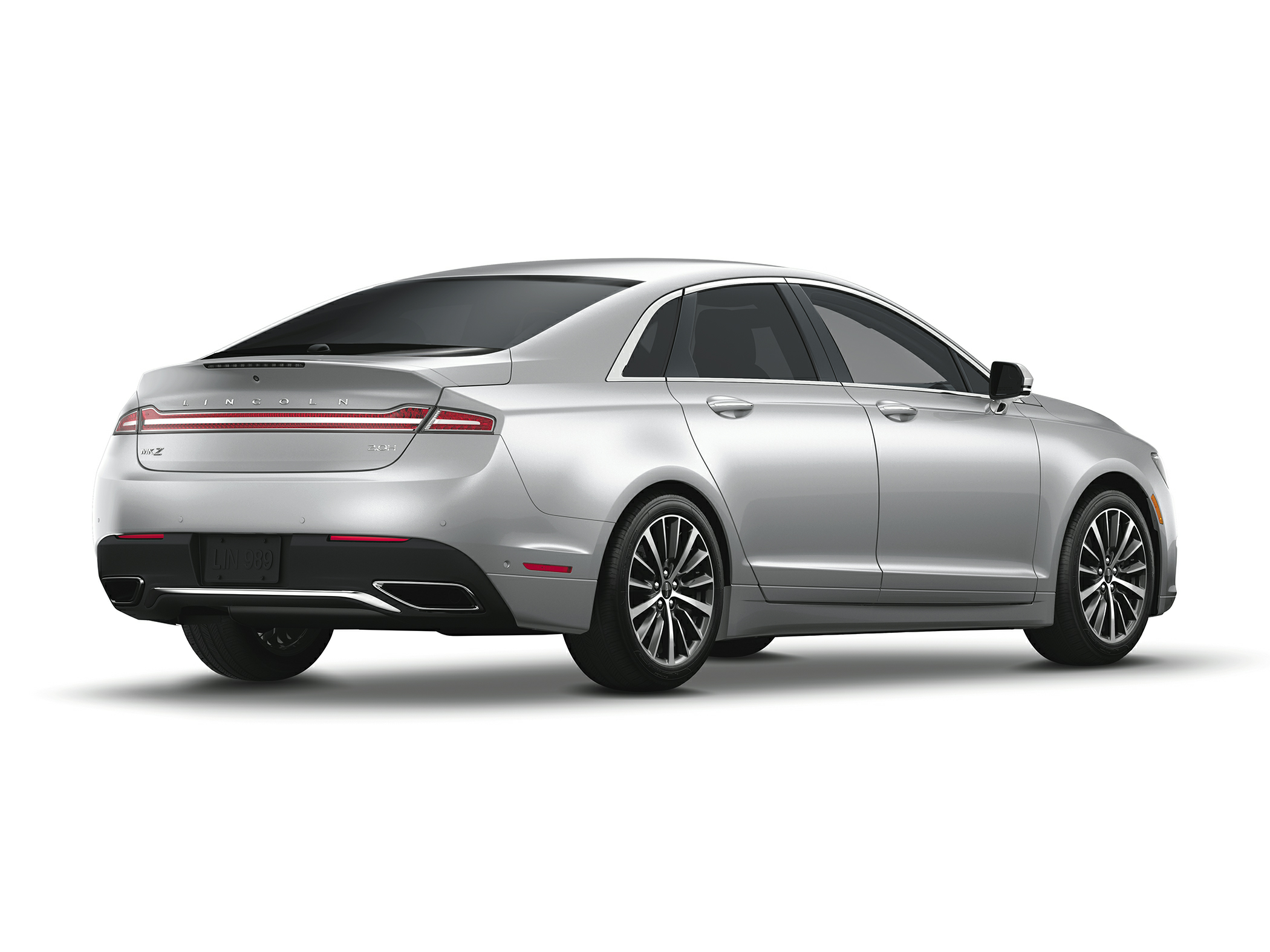
The 2015 Lincoln MKZ Hybrid achieves an EPA-estimated fuel economy rating of 41 mpg in the city, 39 mpg on the highway, and 40 mpg combined. These identical figures for both city and highway cycles highlight the efficiency advantages of hybrid powertrains in stop-and-go driving conditions compared to traditional internal combustion engines.
When car buyers evaluate luxury midsize sedans from the mid-2010s, fuel economy often stands out as a critical purchase criterion. The 2015 Lincoln MKZ Hybrid entered the market as an intriguing proposition: a midsize American luxury sedan that shared its platform and powertrain architecture with the Ford Fusion Hybrid, yet offered distinct styling, upgraded cabin materials, and a more isolated ride quality. Understanding the true mechanics behind the 2015 Lincoln MKZ Hybrid MPG ratings requires examining its hybrid system, real-world driving variables, and how its efficiency compares against both its standard gasoline counterpart and key competitors of the era.
Overview of the 2015 Lincoln MKZ Hybrid Powertrain
To understand the fuel economy figures of the 2015 Lincoln MKZ Hybrid, one must examine the engineering beneath the sheet metal. Unlike the base MKZ, which features a 2.0-liter turbocharged EcoBoost four-cylinder engine or a 3.7-liter V6, the Hybrid model utilizes a specialized powertrain designed specifically to maximize thermal efficiency and capture kinetic energy that would otherwise be lost.
The core of the system is a 2.0-liter i-VCT Atkinson-cycle four-cylinder engine. The Atkinson cycle modifies valve timing to keep the intake valves open longer during the compression stroke, forcing some air back into the intake manifold. While this reduces low-end torque compared to a traditional Otto-cycle engine, it significantly improves thermal efficiency, meaning more energy is extracted from every drop of fuel.
Working in tandem with the gasoline engine is an electric traction motor powered by a 1.4-kilowatt-hour (kWh) lithium-ion battery pack. Together, the gas engine and electric motor produce a combined net output of 188 horsepower. Power is routed to the front wheels through an electronically controlled Continuously Variable Transmission (eCVT). Because a hybrid does not have traditional fixed gear ratios, the eCVT seamlessly blends electric and gas power to keep the engine operating within its most efficient RPM band.
Official EPA Fuel Economy Ratings
The United States Environmental Protection Agency (EPA) evaluates vehicles under standardized laboratory conditions to establish baseline fuel efficiency. For the 2015 model year, the Lincoln MKZ Hybrid earned the following ratings:
- City Fuel Economy: 41 MPG
- Highway Fuel Economy: 39 MPG
- Combined Fuel Economy: 40 MPG
Uniquely, the city rating exceeds the highway rating by two miles per gallon. This characteristic is a hallmark of full hybrid vehicles. During city driving, frequent braking allows regenerative braking systems to capture kinetic energy and recharge the lithium-ion battery, powering the vehicle on electricity alone during low-load launch and coasting phases. On the highway, sustained high-speed cruising relies more heavily on the gasoline engine, reducing the relative advantage of the electric motor.
Real-World MPG vs. EPA Estimates
While laboratory EPA figures provide a standardized baseline for comparison, real-world fuel economy frequently varies based on environmental, mechanical, and behavioral factors. Owners of the 2015 Lincoln MKZ Hybrid often report mixed experiences regarding whether they can replicate or exceed the official 40 mpg combined rating.
| Driving Environment | EPA Estimate (MPG) | Typical Real-World Range (MPG) | Primary Efficiency Factors |
|---|---|---|---|
| City / Stop-and-Go | 41 | 38 – 43 | Regenerative braking frequency, ambient temperature, HVAC usage |
| Highway / Cruising | 39 | 34 – 38 | Aerodynamic drag at speeds > 65 mph, road grade, tire pressure |
| Combined Average | 40 | 36 – 40 | Driving style (aggressive vs. eco-conscious), fuel blend (E10 vs. ethanol-free) |
Achieving the EPA rating in the real world requires familiarity with hybrid driving techniques. Drivers who utilize the vehicle's "SmartGauge with EcoGuide"—a digital instrument cluster display that provides real-time coaching on braking efficiency and power usage—frequently achieve closer to the rated figures. Conversely, driving habits such as rapid acceleration, excessive speed on interstate highways, and heavy reliance on the climate control system can pull real-world efficiency down closer to the mid-30s.
Factors Influencing Fuel Efficiency in the 2015 MKZ Hybrid
Several variables dictate how close a specific 2015 Lincoln MKZ Hybrid will come to its rated MPG. Maintenance history, mechanical wear, and environmental conditions play a significant role in day-to-day performance.
Ambient Temperature and Climate Control
Hybrid powertrains are sensitive to extreme temperatures. During cold winter months, the gasoline engine must run more frequently not just to propel the vehicle, but to generate waste heat for the cabin heater. Furthermore, cold temperatures reduce the chemical efficiency of the lithium-ion battery pack, limiting electric-only operation until the battery warms up. As a result, winter fuel economy often drops by 15% to 25%. Conversely, heavy summer use of the air conditioning compressor places an electrical and mechanical load on the system, slightly reducing overall fuel mileage.
Tire Selection and Maintenance
Low-rolling-resistance tires are original equipment on the MKZ Hybrid to minimize friction. Replacing these tires with standard performance or all-season tires that prioritize grip over efficiency can reduce fuel economy by 1 to 3 MPG. Additionally, maintaining proper tire inflation pressure is critical; under-inflated tires increase rolling resistance and force the powertrain to work harder.
Battery Health and Degradation
As a vehicle from the 2015 model year, the lithium-ion battery pack has experienced a decade or more of charge-discharge cycles. While Ford and Lincoln utilized sophisticated thermal management systems to preserve battery longevity, some degree of capacity loss is expected over time. A degraded battery holds less charge, meaning the vehicle relies more heavily on the gasoline engine rather than electric-only propulsion, which can gradually lower real-world fuel economy compared to when the vehicle was new.
Comparing the Hybrid to the Standard 2015 MKZ Powertrains
Choosing the hybrid variant over the standard internal combustion engine models involves a distinct trade-off between purchase price, performance characteristics, and fuel savings. The 2015 Lincoln MKZ was offered with two non-hybrid engines:
- 2.0L EcoBoost Turbocharged Inline-4: Available in front-wheel drive (FWD) or all-wheel drive (AWD). The FWD version is EPA-rated at 22 mpg city, 33 mpg highway, and 26 mpg combined.
- 3.7L V6: Available in FWD or AWD. The FWD version is EPA-rated at 18 mpg city, 26 mpg highway, and 21 mpg combined.
The hybrid powertrain was offered exclusively with front-wheel drive. Buyers seeking all-wheel drive had to select one of the non-hybrid engines. For drivers commuting primarily in urban or suburban environments, the hybrid delivers a massive efficiency advantage—nearly doubling the combined fuel economy of the V6 model and outperforming the 2.0L EcoBoost by roughly 14 miles per gallon combined.
However, this efficiency comes with a performance compromise. The non-hybrid 2.0L EcoBoost produces 240 horsepower, and the V6 produces 300 horsepower, compared to the hybrid's combined 188 horsepower. The hybrid is calibrated for smooth, linear acceleration and maximum efficiency rather than aggressive straight-line speed.
Frequently Asked Questions
Does the 2015 Lincoln MKZ Hybrid require premium fuel?
No. The 2015 Lincoln MKZ Hybrid is designed to run on standard regular unleaded gasoline with an octane rating of 87. Using premium fuel does not provide any measurable performance or efficiency benefits for this specific engine architecture.
Can the 2015 Lincoln MKZ Hybrid be plugged in to charge?
No. The 2015 Lincoln MKZ Hybrid is a conventional hybrid electric vehicle (HEV), not a plug-in hybrid electric vehicle (PHEV). It cannot be plugged into an electrical outlet or charging station. The battery is charged exclusively by the onboard gasoline engine and regenerative braking during operation.
Why is the city MPG higher than the highway MPG?
In city driving, stop-and-go conditions allow the regenerative braking system to recapture kinetic energy and store it in the battery, reducing fuel consumption. On the highway, steady high-speed cruising relies almost entirely on the gasoline engine, eliminating the efficiency benefits of the electric motor and battery system.
What is the driving range of a full tank of gas?
The 2015 Lincoln MKZ Hybrid is equipped with a 13.5-gallon fuel tank. Based on the EPA combined rating of 40 MPG, a full tank can theoretically yield a total driving range of approximately 540 miles under ideal conditions, though real-world ranges typically fall between 480 and 520 miles depending on driving style and terrain.
Are there common reliability issues affecting the hybrid system?
The powertrain shares its core engineering with the Ford Fusion Hybrid, which is generally regarded as durable. However, potential buyers or current owners should monitor the health of the 12-volt accessory battery (which powers vehicle computers and can cause erratic electronic faults if failing) and ensure the high-voltage battery cooling fan vents remain clear of obstruction to prevent thermal degradation.
Conclusion and Next Actions
The 2015 Lincoln MKZ Hybrid remains a compelling option for drivers seeking luxury sedan comfort paired with exceptional fuel efficiency. Delivering an EPA-estimated 40 mpg combined, it bridges the gap between premium appointments and low operating costs, provided the vehicle's driving style and terrain match the strengths of its hybrid architecture. When evaluating a used model, prospective buyers should verify hybrid system health, check maintenance records regarding cooling fans and the 12-volt battery, and test-drive the vehicle to ensure the acceleration profile meets their expectations.