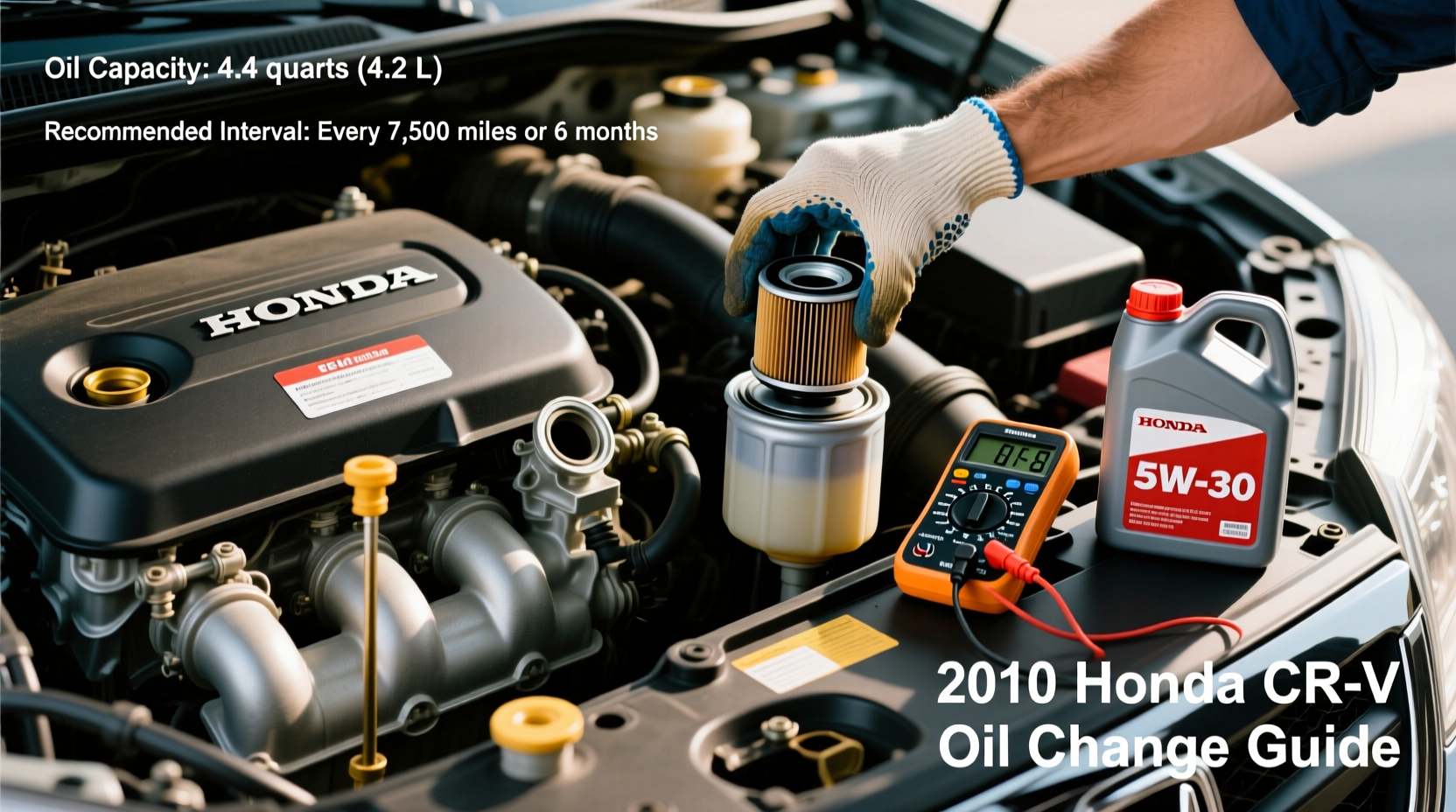
Maintaining a 2012 Honda CR-V requires precise attention to the engine's lubrication requirements to ensure the longevity of its 2.4-liter powertrain. For a standard oil and filter change, the 2012 Honda CR-V requires 4.0 US quarts (3.8 liters) of SAE 0W-20 oil. This viscosity is recommended by Honda to optimize fuel efficiency and ensure reliable cold-weather starting.
As we look at the 2012 Honda CR-V in 2026, many of these vehicles have crossed the 150,000-mile mark. Understanding the nuances of oil selection, the Maintenance Minder system, and the specific mechanical needs of the K24Z7 engine is essential for keeping these high-mileage crossovers on the road.
The Correct Oil Type for the 2012 Honda CR-V
The 2012 Honda CR-V is equipped with a 2.4L i-VTEC four-cylinder engine. When this vehicle was first released, Honda transitioned many of its models to SAE 0W-20 as the factory-recommended weight. This was a shift from the 5W-20 used in previous generations, driven primarily by the need for better fuel economy and tighter engine tolerances.
Understanding 0W-20 Viscosity
The "0W" indicates the oil's flow characteristics at cold temperatures (Winter). A 0W rating ensures that the oil reaches the upper valve train components almost instantly upon ignition, even in sub-zero climates. The "20" represents the oil's viscosity at operating temperature. A lower number like 20 reduces internal engine drag, which directly contributes to the CR-V’s competitive MPG ratings.
Synthetic vs. Conventional Oil
While the 2012 owner's manual specifies 0W-20, it is important to note that 0W-20 is almost exclusively available as a full synthetic or synthetic blend. In 2026, full synthetic oils have become the industry standard for this grade due to their superior thermal stability and resistance to oxidation. For a 2012 CR-V, using a full synthetic oil is highly recommended, especially if you drive in extreme stop-and-go traffic or harsh climates.
Look for the API Starburst
Regardless of the brand, ensure the oil container carries the API (American Petroleum Institute) Certification Mark, often called the "Starburst." This symbol confirms that the oil meets the current engine protection standards and fuel economy requirements set by the International Lubricant Specification Advisory Committee (ILSAC).
Oil Capacity Specifications
Knowing the exact capacity prevents both underfilling, which leads to overheating, and overfilling, which can cause "foaming" where the crankshaft whips air into the oil, reducing its lubricating effectiveness.
| Component | US Quarts | Metric (Liters) |
|---|---|---|
| Engine Oil (With Filter Change) | 4.0 qt | 3.8 L |
| Engine Oil (Without Filter Change) | 3.9 qt | 3.7 L |
| Total Engine Oil Refill (Dry) | 5.3 qt | 5.0 L |
| Drain Plug Torque | 29 lb-ft | 39 N·m |
The "Total Refill" or "Dry" capacity refers to a brand-new engine or one that has been completely disassembled. For a standard maintenance oil change, you will only need 4.0 quarts.
High Mileage Considerations in 2026
Given that the 2012 Honda CR-V is now 14 years old, many owners may consider high-mileage oil formulations. These oils typically contain "seal swellers" and extra detergents.
- Seal Conditioners: Over time, the rubber seals in the CR-V engine (such as the valve cover gasket or the rear main seal) can become brittle. High-mileage 0W-20 oils contain additives that help these seals remain pliable, potentially slowing down or preventing minor oil leaks.
- Increased Detergents: Older engines accumulate sludge and carbon deposits. High-mileage oils have more robust cleaning agents to keep the VTEC (Variable Valve Timing and Lift Electronic Control) screens clear.
- VTEC Solenoid Health: The i-VTEC system in the 2012 CR-V relies on hydraulic pressure from the engine oil. If the oil is dirty or the wrong viscosity, the VTEC solenoid may fail to engage, leading to a loss of power and a "Check Engine" light (often code P2646).
The Honda Maintenance Minder System
The 2012 CR-V does not have a fixed mileage interval for oil changes. Instead, it uses the Maintenance Minder System, which monitors engine operating conditions, ambient temperature, and driving habits to calculate "Oil Life %."
Common Codes Related to Oil
- Maintenance Main Item A: Replace engine oil only.
- Maintenance Main Item B: Replace engine oil and filter. Also includes an inspection of brakes and other chassis components.
- Maintenance Sub Item 1: Rotate tires.
- Maintenance Sub Item 2: Replace air cleaner element and dust/pollen filter.
When the oil life drops to 15%, a wrench icon will appear on the dashboard. It is recommended to change the oil before the percentage hits 0%. In modern 2026 service standards, most full synthetic oils in a CR-V will last between 7,500 and 10,000 miles, but the Maintenance Minder may suggest an earlier interval if you frequently drive short distances or tow.
Tools and Supplies Required for a DIY Oil Change
If you plan to perform this service yourself, gathering the correct tools beforehand is vital. The 2012 CR-V is a DIY-friendly vehicle with a relatively accessible oil filter and drain plug.
- Wrench: 17mm socket or box-end wrench for the drain plug.
- Oil Filter Wrench: A cap-style wrench or a universal claw wrench to remove the spin-on filter.
- Drain Pan: Capable of holding at least 5 quarts.
- Funnel: To prevent spills on the engine block.
- Crush Washer: A new 14mm aluminum crush washer for the drain plug.
- Safety Gear: Gloves, eye protection, and jack stands (never work under a car supported only by a floor jack).
The Importance of the Aluminum Crush Washer
One of the most common mistakes in Honda maintenance is reusing the old drain plug crush washer. This washer is designed to deform and create a perfect seal between the steel drain plug and the aluminum oil pan. Reusing a flattened washer often leads to slow drips and can eventually result in someone over-tightening the plug to stop the leak, which can strip the threads in the expensive oil pan.
Step-by-Step Oil Change Procedure
Follow these steps to ensure the job is done to factory standards.
1. Preparation
Start the engine and let it run for a few minutes. Warm oil flows more easily and carries away more contaminants than cold oil. Park the vehicle on a level surface, engage the parking brake, and raise the front of the vehicle using a jack and jack stands.
2. Draining the Oil
Locate the 17mm drain plug on the rear of the oil pan. Place the drain pan underneath and loosen the plug. Carefully remove the plug by hand, ensuring you don't drop it into the pan of hot oil. Allow the oil to drain until it becomes a very slow drip.
3. Replacing the Filter
The oil filter on the 2012 CR-V is located on the back side of the engine block, above the passenger-side CV axle. Position the drain pan under the filter, as oil will spill out once it is loosened. Unscrew the old filter and ensure the rubber gasket came off with it.
Before installing the new filter, smear a light film of clean engine oil on the new rubber gasket. Screw the new filter on by hand until the gasket touches the base, then tighten it an additional 3/4 to 1 turn. Do not over-tighten with a wrench.
4. Reinstalling the Drain Plug
Clean the drain plug and install a new aluminum crush washer. Thread the plug back into the oil pan by hand to avoid cross-threading. Tighten the plug to 29 lb-ft using a torque wrench.
5. Refilling and Checking
Lower the vehicle back to the ground so it is level. Remove the oil fill cap and insert a funnel. Pour in 4.0 US quarts of 0W-20 oil. Replace the cap, start the engine, and let it run for about a minute. Check the area around the drain plug and filter for any signs of leaks.
Turn off the engine and wait three to five minutes for the oil to settle. Pull the dipstick (the orange handle at the front of the engine), wipe it clean, reinsert it fully, and pull it again. The oil level should be between the two holes or marks on the dipstick.
6. Resetting the Maintenance Minder
To clear the service light:
- Turn the ignition to the "ON" position (II) without starting the engine.
- Press the Select/Reset knob on the instrument panel or use the steering wheel buttons until "Oil Life" is displayed.
- Press and hold the knob/button for about 10 seconds until the display begins to blink.
- Release the button, then press and hold it again for about 5 seconds. The oil life should reset to 100%.
Troubleshooting Common Issues
Oil Consumption
As the 2012 CR-V ages, some owners report increased oil consumption. Honda's K-series engines are generally robust, but stuck piston rings or worn valve stem seals can cause the engine to burn oil between changes. If you notice your oil level is low before the Maintenance Minder reaches 0%, check the level every 1,000 miles and top off as needed. Switching to a high-quality high-mileage synthetic oil can sometimes mitigate this.
Stripped Oil Pan Threads
The aluminum oil pan is softer than the steel drain plug. If the plug was over-tightened during a previous service, the threads may be damaged. In 2026, many aftermarket solutions like "oversized" drain plugs or thread repair kits (Heli-Coil) are available, but in severe cases, the entire oil pan may need replacement.
Oil Leaks from the VTEC Solenoid
If you see oil pooling on the passenger side of the engine, it is often not the oil filter but the gasket behind the VTEC solenoid. This is a common high-mileage failure point. The gasket includes a small screen that can become clogged, affecting engine performance.
Environmental Responsibility: Disposing of Used Oil
Used motor oil is a hazardous waste that can contaminate soil and water supplies. Never pour oil down a drain or into the trash. Most auto parts stores and local municipal recycling centers will accept used oil and filters for free. Store the used oil in a sealed container (many people reuse the empty 5-quart jug from the new oil) and transport it safely to a collection point.
Summary Table: 2012 Honda CR-V Oil Maintenance
| Feature | Specification |
|---|---|
| Engine Type | 2.4L 4-Cylinder (K24Z7) |
| Recommended Oil Weight | SAE 0W-20 |
| Oil Capacity (w/ filter) | 4.0 Quarts (3.8 Liters) |
| Standard Interval | Follow Maintenance Minder (Approx. 7,500 miles) |
| Drain Plug Torque | 29 lb-ft |
| Filter Type | Spin-on (Standard Honda fitment) |
| Recommended Oil Type | Full Synthetic (especially for high mileage) |
Frequently Asked Questions
Can I use 5W-20 instead of 0W-20 in my 2012 CR-V?
While 5W-20 will not cause immediate engine failure, it is not the recommended weight. Honda specified 0W-20 specifically for its superior cold-start protection and to meet fuel economy targets. In 2026, 0W-20 is widely available and affordable, so there is little reason to deviate from the manufacturer's recommendation.
How often should I check my oil level?
For a vehicle of this age, it is wise to check the oil level at every other fuel fill-up. Even a healthy Honda engine can consume a small amount of oil, and keeping the level topped off is the cheapest insurance against engine damage.
Does the 2012 CR-V require a special oil filter?
It uses a standard spin-on filter. While many aftermarket brands (such as Mobil 1, Bosch, or Wix) offer excellent filters, many Honda enthusiasts prefer the OEM Honda (A02) filter, as it is designed specifically for the bypass valve pressure requirements of the K24 engine.
What should I do if my oil light comes on while driving?
The red oil pressure light on the dashboard indicates a loss of oil pressure, not just a low oil level. If this light illuminates, pull over safely and turn off the engine immediately. Operating the engine with low oil pressure can cause catastrophic internal damage within seconds.
Why is my oil life decreasing faster than usual?
The Maintenance Minder calculates life based on engine revolutions and temperature. If you do a lot of short trips where the engine never reaches full operating temperature, or if you drive in extremely dusty or cold conditions, the system will trigger an oil change sooner to protect the engine from moisture and fuel dilution.
Recommendation for 2026 Owners
For those still driving the 2012 Honda CR-V in 2026, the best strategy for engine longevity is to use a high-quality full synthetic 0W-20 oil and a premium filter. Do not wait for the Maintenance Minder if you notice the oil becoming exceptionally dark or if you have reached 12 months since your last change. Regular oil changes are the single most effective way to reach the 200,000- or 300,000-mile milestone with the original engine.