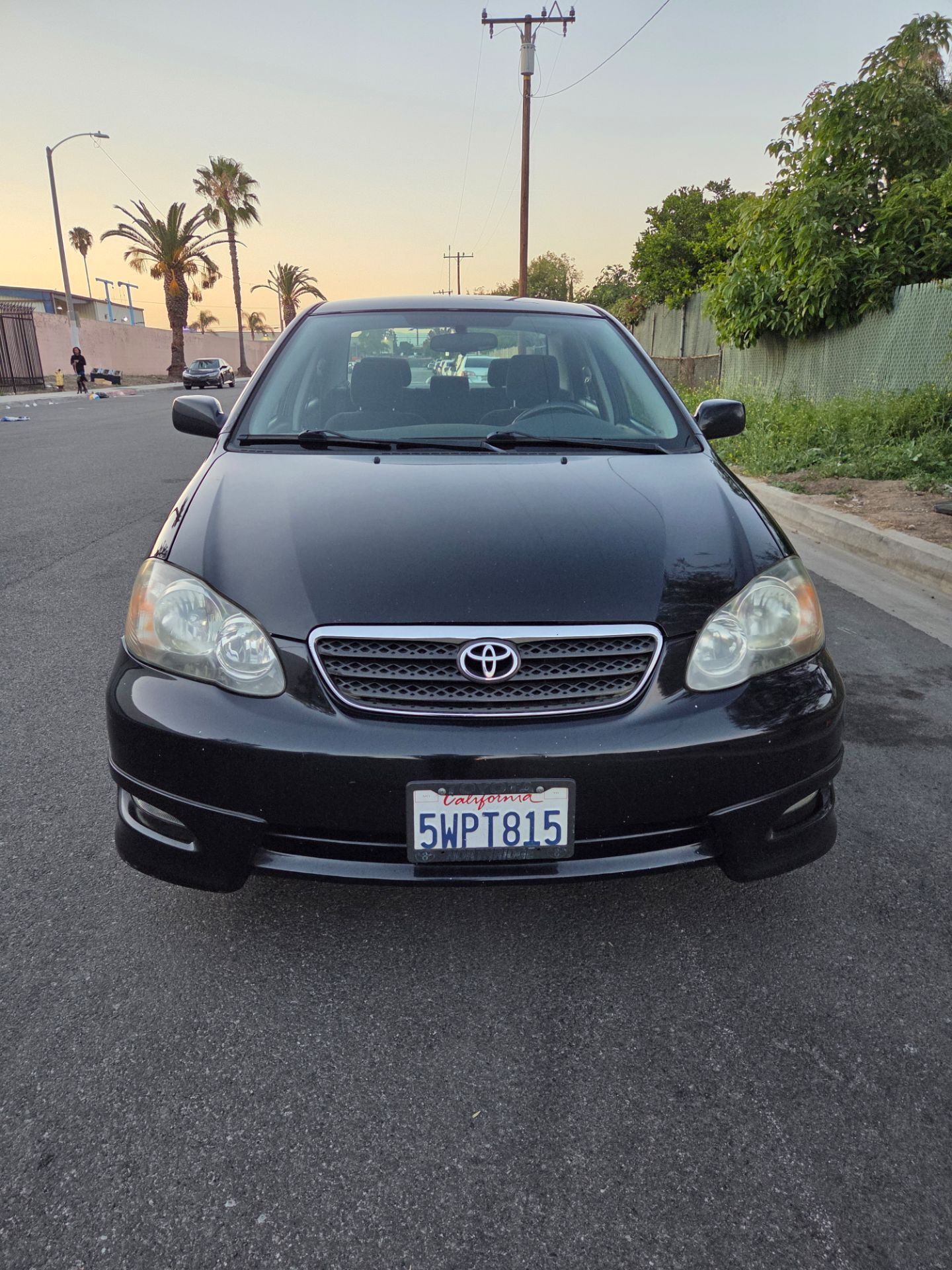
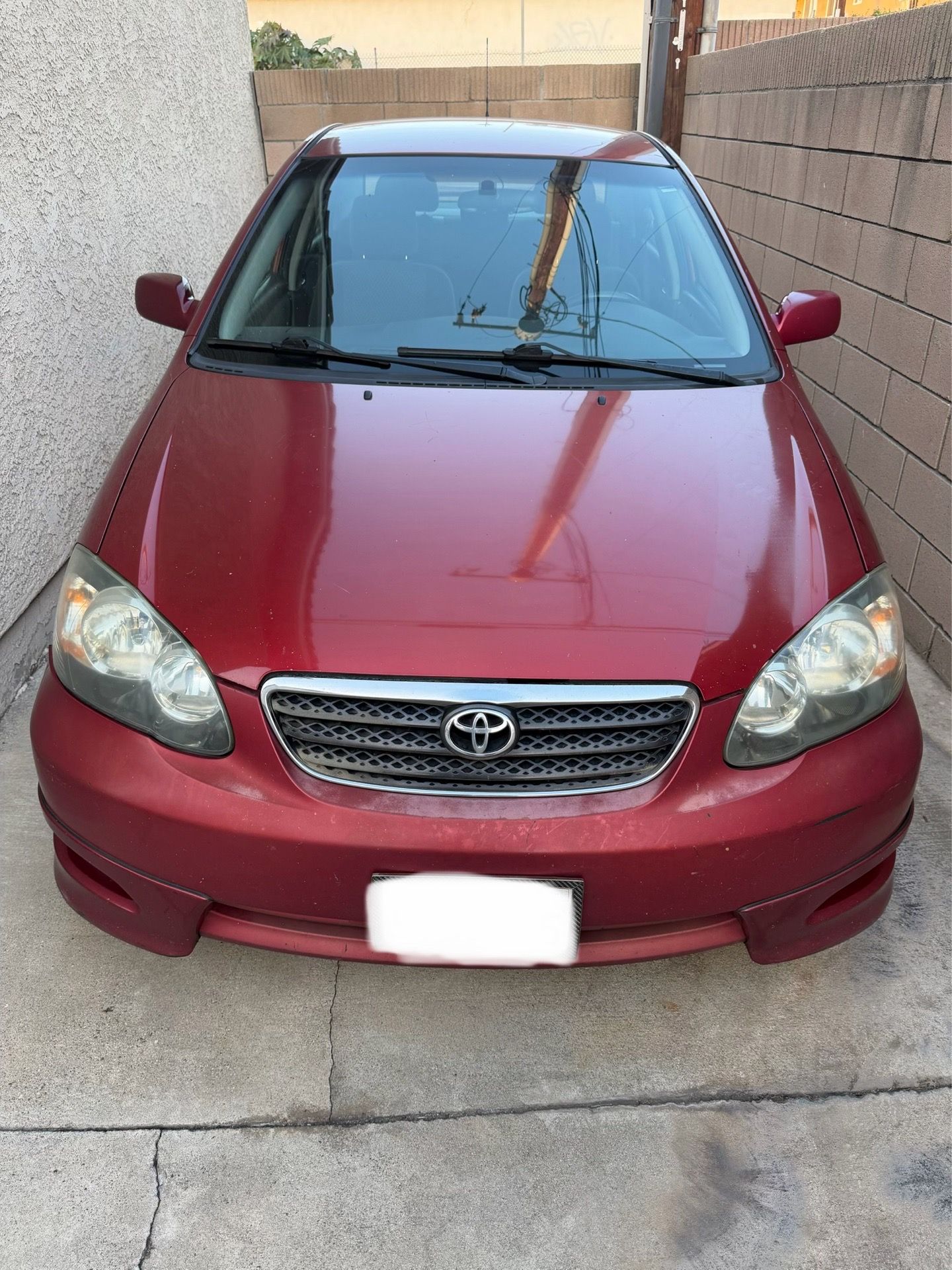
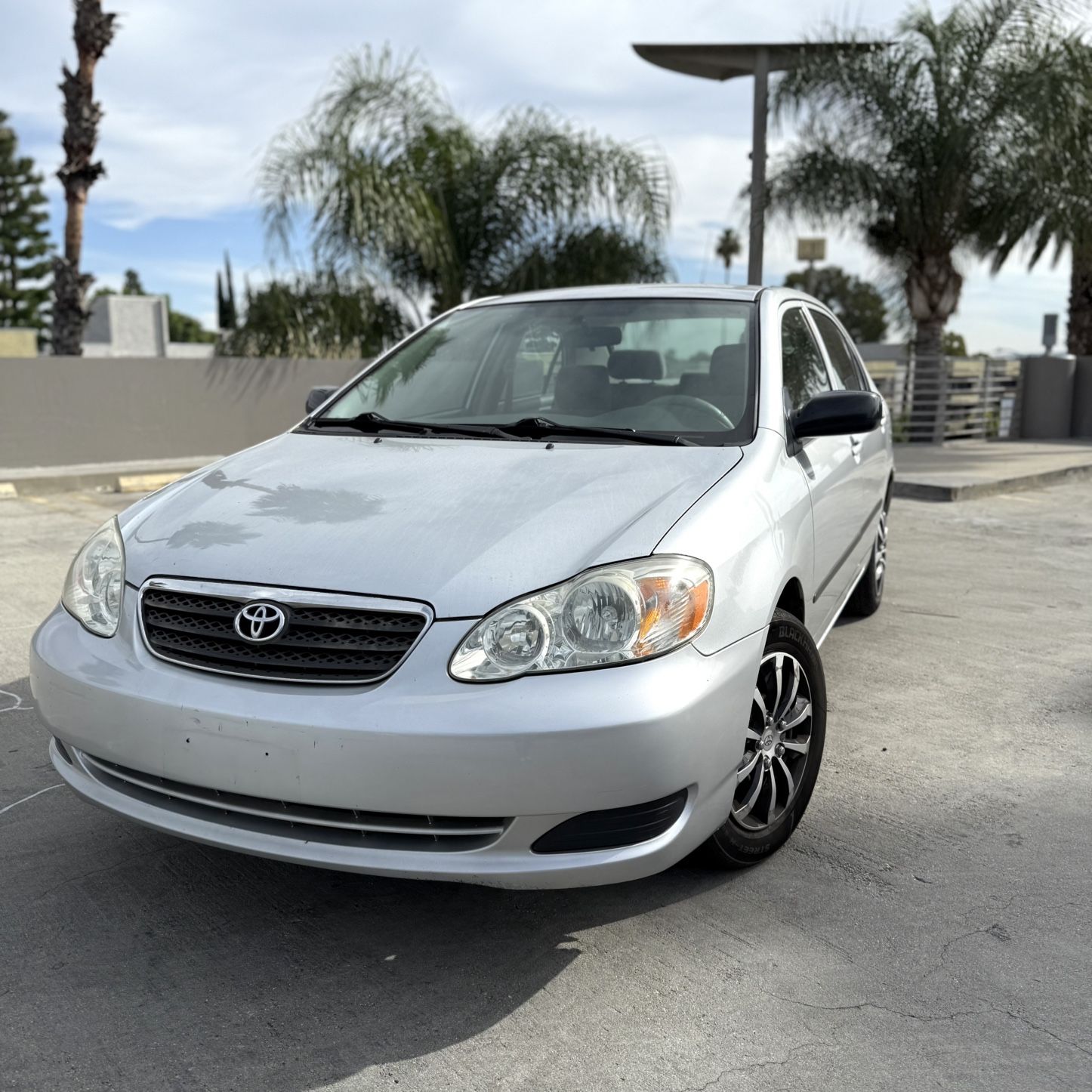
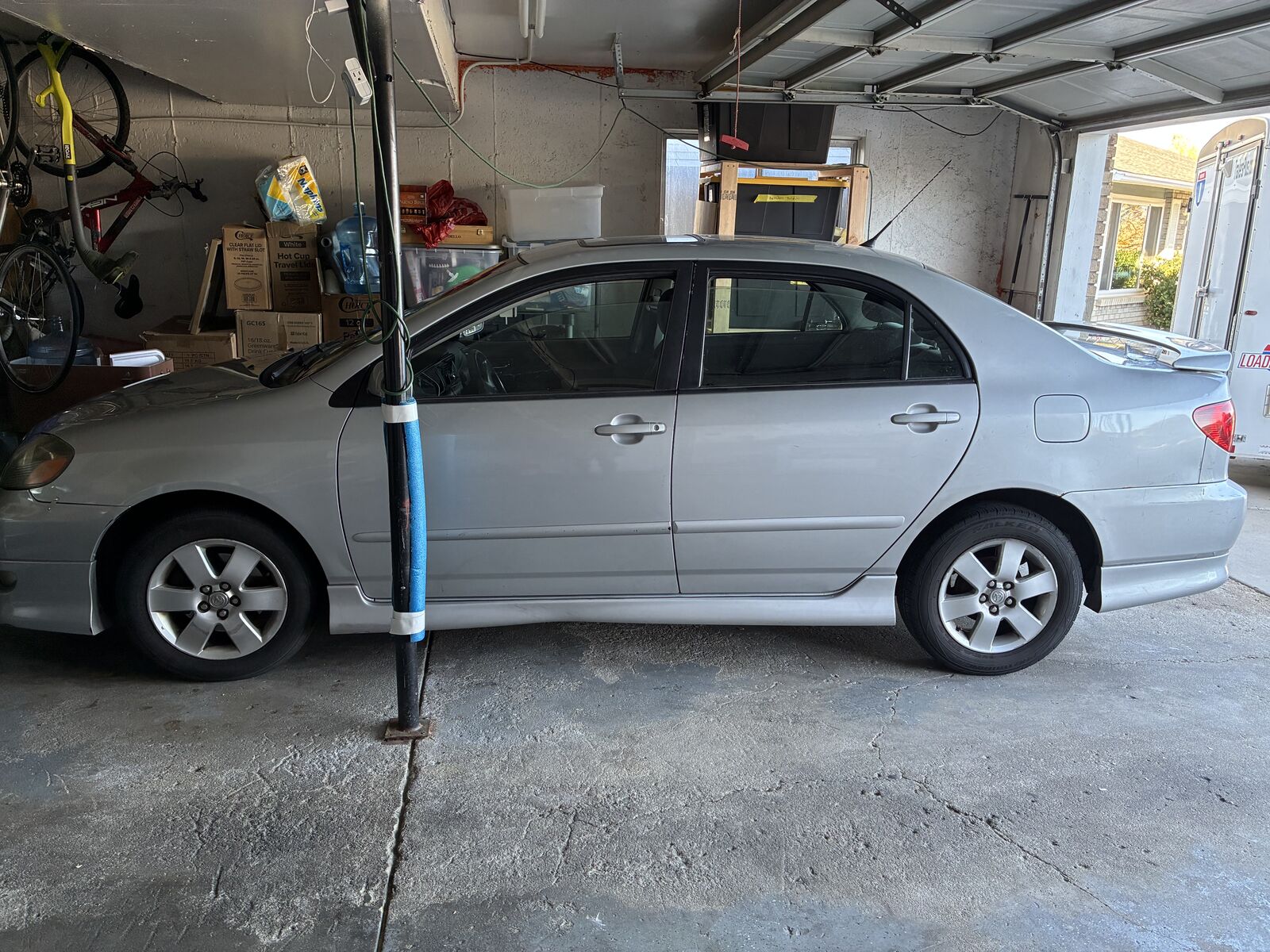
The 2007 Toyota Corolla S is rated by the EPA to achieve an estimated 30 miles per gallon (MPG) in city driving and 38 MPG on the highway when equipped with a five-speed manual transmission. Models featuring the four-speed automatic transmission are rated at 28 MPG city and 37 MPG highway. These figures represent the standard fuel efficiency for the vehicle in its stock configuration.
Technical Overview of the 2007 Toyota Corolla S Powertrain
To understand why the 2007 Toyota Corolla S achieves these specific fuel economy numbers, one must look at the mechanical engineering that defined the ninth generation of the Corolla. The "S" trim, while marketed as the "sporty" variant, shares the exact same mechanical powertrain as the base CE and the mid-tier LE trims.
Under the hood lies the 1.8-liter 1ZZ-FE inline-four engine. This engine utilizes Variable Valve Timing with intelligence (VVT-i) to optimize the opening and closing times of the intake valves based on engine load, RPM, and throttle position. By adjusting the intake valve timing, the engine can prioritize torque during acceleration or fuel efficiency during steady-state cruising. This synergy between engine management and transmission gearing is the primary driver of the vehicle’s high fuel efficiency ratings.
When evaluating the fuel economy of this specific model year, it is vital to remember that these figures were calculated using the Environmental Protection Agency (EPA) testing standards of the era. While modern drivers may experience slight variations due to changes in fuel composition, driving habits, and vehicle condition, the 2007 Corolla remains one of the more efficient non-hybrid sedans from that period.
Variables Impacting Real-World MPG
While the EPA ratings provide a standardized baseline, real-world fuel economy is rarely identical to the official estimates. Several factors influence how the 2007 Toyota Corolla S performs on the road today, nearly two decades after its initial production.
Maintenance and Mechanical Health
Fuel efficiency is heavily dependent on the efficiency of the combustion process. Components such as spark plugs, air filters, and oxygen sensors play a critical role. If the spark plugs are worn, the ignition timing may be less efficient, leading to incomplete combustion and wasted fuel. Similarly, a clogged engine air filter restricts airflow, forcing the engine to work harder to draw in the necessary volume of air, which negatively impacts the air-fuel ratio.
The 1ZZ-FE engine is known for its durability, but it is not immune to neglect. Owners should ensure that the mass airflow (MAF) sensor is clean and functioning correctly, as this sensor tells the engine computer exactly how much air is entering the intake. A faulty MAF sensor is a leading cause of decreased MPG in older Toyota vehicles.
Driving Habits and Environmental Factors
Aerodynamic drag and friction are the primary enemies of fuel economy at highway speeds. The Corolla S features a front underbody spoiler and rocker panel moldings that distinguish it from other trims. While these additions provide an aesthetic sport-oriented look, they have a negligible impact on the overall aerodynamic coefficient of drag compared to the base model.
Driving behavior is a more significant variable. Rapid acceleration requires the transmission to downshift, which consumes more fuel to move the mass of the vehicle quickly. Conversely, maintaining a steady speed allows the engine to remain in a higher gear, where it operates at a lower RPM, significantly reducing fuel consumption. Using cruise control on flat terrain is often the most effective way to mimic the EPA highway rating.
Tire Pressure and Rolling Resistance
The rolling resistance of tires is a frequently overlooked factor in fuel economy. The Corolla S typically came equipped with 16-inch alloy wheels, which are slightly heavier and may have a wider tire contact patch than the 15-inch steel wheels on base models. This can lead to a slight increase in friction. Always ensure that the tires are inflated to the manufacturer’s recommended PSI found on the driver-side door jamb. Under-inflated tires increase rolling resistance, which forces the engine to burn more fuel to maintain speed.
Comparison of Fuel Economy Across Transmission Types
The 2007 Toyota Corolla S offered consumers a choice between a five-speed manual transmission and a four-speed automatic transmission. This choice has a direct impact on how the engine's power is delivered to the wheels and, consequently, the fuel consumption rates.
| Transmission Type | City MPG | Highway MPG | Combined MPG |
|---|---|---|---|
| 5-Speed Manual | 30 | 38 | 33 |
| 4-Speed Automatic | 28 | 37 | 32 |
The five-speed manual transmission generally provides better fuel economy because it allows the driver to select the ideal gear for the specific road conditions. The ability to upshift earlier and utilize the engine’s torque band effectively prevents the engine from revving higher than necessary. The four-speed automatic, while convenient, has a wider gap between gear ratios, which can sometimes result in the engine operating at a higher RPM range than the manual equivalent under certain acceleration scenarios.
Troubleshooting Poor Fuel Economy
If you find that your 2007 Toyota Corolla S is consistently failing to meet the expected MPG figures, it is usually indicative of an underlying issue rather than a standard decline due to vehicle age.
- Check for Check Engine Light (CEL) Codes: Even if the light is not illuminated, there may be "pending" codes stored in the Engine Control Module (ECM). An O2 sensor that is sluggish but not completely dead will not always trigger a permanent light but can cause the vehicle to run "rich," dumping too much fuel into the engine.
- Inspect the Fuel System: A fuel injector that is leaking or failing to atomize fuel correctly will significantly degrade performance. Using a high-quality fuel system cleaner or having the injectors professionally cleaned can restore optimal spray patterns.
- Check the Cooling System: The engine computer uses the Engine Coolant Temperature (ECT) sensor to determine when the engine has reached operating temperature. If the thermostat is stuck open, the engine will run cooler than designed, and the computer will keep the fuel mixture rich to compensate, thinking the engine is still in "warm-up" mode. This is a common and often overlooked cause of poor fuel economy in older vehicles.
- Wheel Alignment: If the vehicle has a "toe-in" or "toe-out" misalignment, the tires will scrub against the pavement rather than rolling freely. This creates significant resistance that the engine must overcome.
Long-Term Maintenance for Fuel Efficiency
To keep a 2007 Toyota Corolla S running near its original efficiency levels, adhere to a strict maintenance schedule. Because the engine utilizes a timing chain rather than a timing belt, it does not require periodic belt replacement; however, it is highly sensitive to oil quality and change intervals. Regular oil changes ensure that the VVT-i system, which relies on clean oil pressure to actuate the camshaft timing, functions smoothly. Using the manufacturer-recommended oil viscosity, typically 5W-30, is essential to minimize internal engine friction.
Additionally, consider the weight carried in the vehicle. The Corolla is a compact sedan with specific suspension limits. Carrying excess cargo in the trunk or rear seating area adds dead weight, which is particularly detrimental to city driving efficiency. For every 100 pounds of weight added to a vehicle, fuel economy can drop by roughly 1% to 2%.
Frequently Asked Questions
Does the "S" trim have a different engine than the base Corolla? No. The 2007 Toyota Corolla S utilizes the same 1.8-liter 1ZZ-FE engine as the CE and LE trims. The "S" designation primarily refers to the inclusion of aesthetic enhancements such as a body kit, sport-style seats, and specific trim badges, rather than mechanical performance upgrades.
Why is my automatic transmission Corolla getting worse mileage than the manual? Automatic transmissions in 2007 utilized a torque converter and a four-speed gear set, which inherently has more mechanical loss than a manual transmission. Additionally, the manual transmission allows for more precise control over the engine load, whereas the automatic relies on programmed shift points that prioritize comfort over maximum fuel efficiency.
Does E10 or E15 fuel affect the MPG of a 2007 Corolla? Yes. The 2007 Toyota Corolla was designed to run on standard gasoline. Modern E10 (10% ethanol) fuel contains less energy per gallon than pure gasoline. You may notice a 2% to 3% decrease in fuel economy when using E10 compared to non-ethanol fuels, as the engine requires more volume of fuel to produce the same amount of energy for combustion.
Can using a high-octane gasoline improve my MPG? No. The 2007 Corolla is engineered to run on 87-octane regular gasoline. Using higher octane fuel, such as 91 or 93, will not increase fuel efficiency or horsepower. The engine management system is not tuned to take advantage of the increased knock resistance of high-octane fuel, meaning the additional cost provides no benefit.
How do I track my actual MPG accurately? The most reliable method is to calculate it manually. Fill the fuel tank completely, reset your trip odometer, and drive until the tank is partially empty. Fill the tank again and note the number of gallons required to fill it to the same level. Divide the miles traveled by the gallons added to get your exact miles per gallon.
Recommendations for Optimal Efficiency
For those driving a 2007 Toyota Corolla S in 2026, the best approach to maintaining fuel efficiency is to focus on proactive maintenance rather than modifications. Replace the O2 sensor if it has exceeded 100,000 miles, as these sensors naturally degrade over time and lose their ability to report accurate air-fuel mixtures. Ensure your tires are at the correct pressure before every long road trip, and remove unnecessary heavy items from your trunk to keep the curb weight down. By keeping the engine operating within its design parameters, you can continue to achieve the factory-rated MPG even after nearly two decades of use.