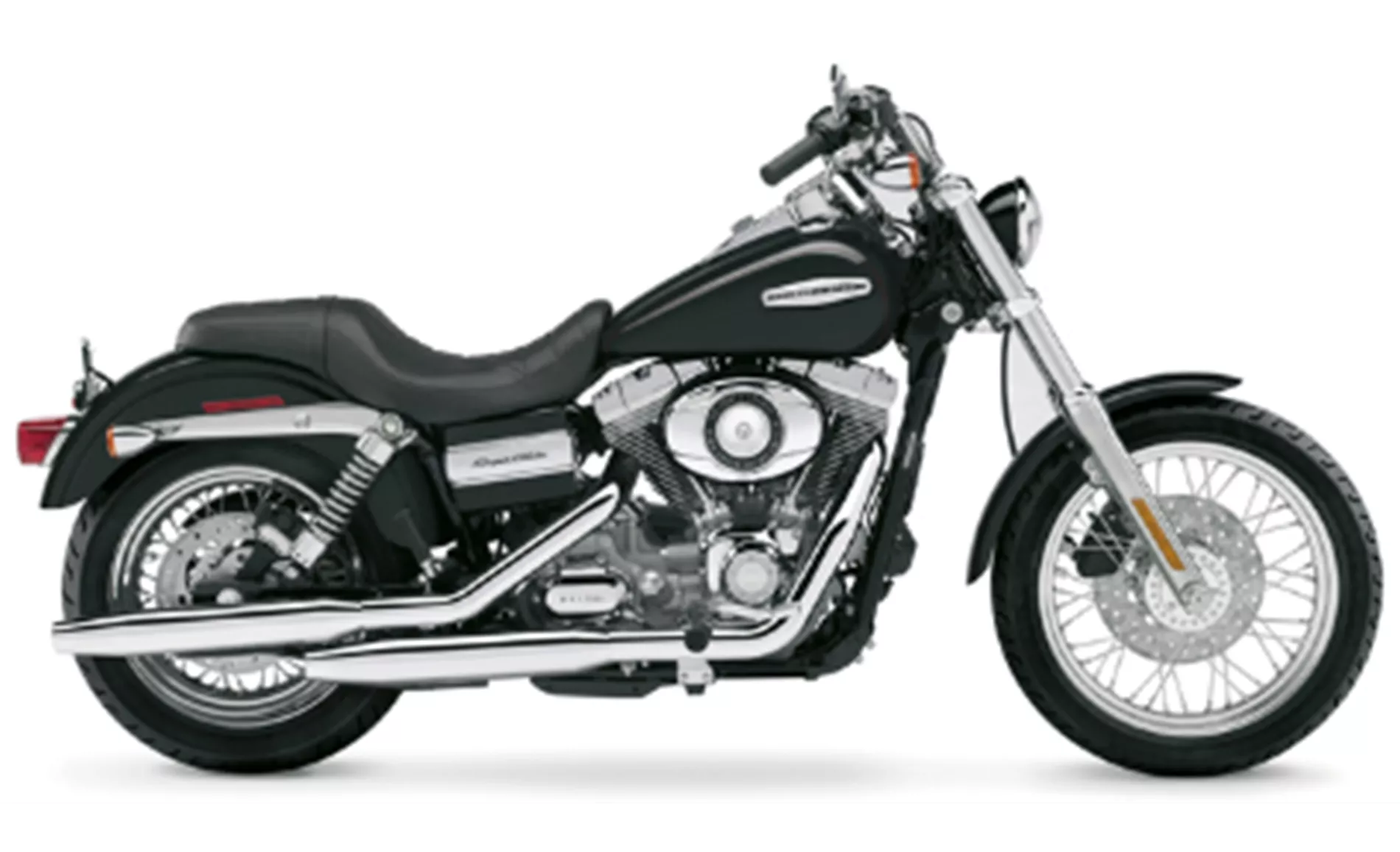
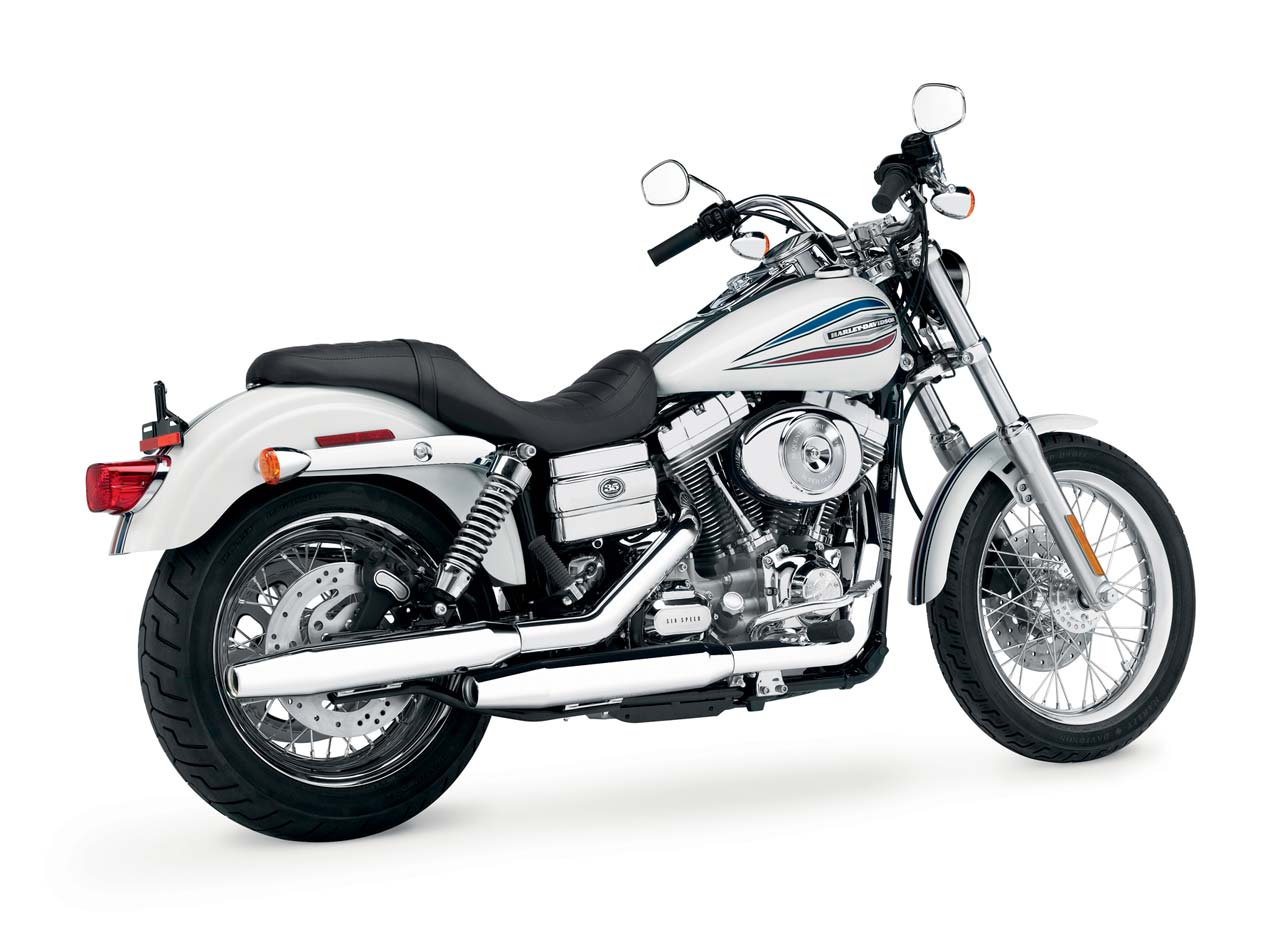
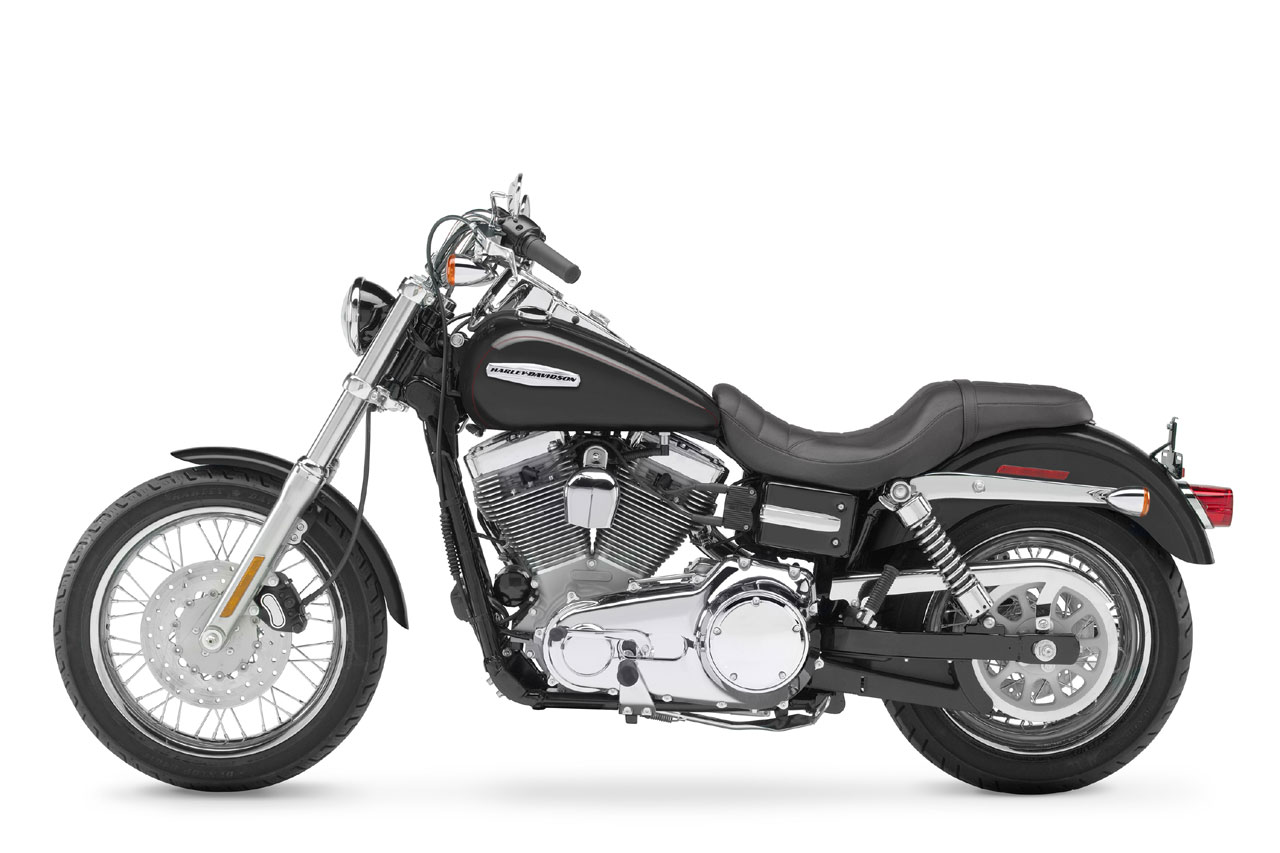
The 2007 Harley-Davidson Dyna Super Glide represents a pivotal moment in the evolution of the Milwaukee-based manufacturer’s big-twin cruisers. Combining the robust, rubber-mounted Twin Cam 96 engine with the nimble Dyna chassis, this model offers a unique balance of classic styling and modern touring capability. Understanding its technical profile and enduring market position is essential for collectors and riders alike.
The Engineering Foundation: The Twin Cam 96 Engine
The primary draw of the 2007 Super Glide is its powertrain. This year marked the transition from the 88-cubic-inch displacement to the 96-cubic-inch (1,584cc) Twin Cam engine, a move that significantly bolstered low-end torque and overall rideability. The engine features an electronic sequential port fuel injection (ESPFI) system, which was standard across the Dyna line for 2007, ensuring reliable starting and optimized fuel delivery across varying altitudes and temperatures.
The Twin Cam 96 engine is characterized by its internal balance shafts (in the Softail line, though the Dyna utilized rubber mounting to mitigate vibration). For the Super Glide, the 6-speed Cruise Drive transmission was a major upgrade, allowing for lower RPMs at highway speeds, which reduced engine strain and improved fuel efficiency compared to the previous 5-speed configurations. The combination of the 96-inch motor and the 6-speed gearbox remains the gold standard for riders seeking a "Goldilocks" Harley—powerful enough for long-distance touring but compact enough for urban commuting.
Chassis Dynamics and Ergonomics
The Dyna platform is often cited by enthusiasts as the best-handling big twin in Harley-Davidson’s historical lineup. Unlike the Softail, which uses a hidden rear suspension, the Dyna Super Glide utilizes traditional dual rear shocks. This configuration allows for greater suspension travel and a more responsive rear end.
The ergonomics of the 2007 model are designed for a neutral, upright riding position. With mid-mount controls as standard, the rider is placed in a position that facilitates active control of the machine, particularly in corners. The frame geometry provides a rake and trail that balances stability at speed with agility in tighter maneuvers. For owners looking to customize their ride, the Super Glide serves as a "blank canvas," with a frame design that easily accommodates aftermarket fairings, different handlebar heights, and varied exhaust systems without compromising the structural integrity of the bike.
Key Technical Specifications
To understand the performance capabilities of the 2007 Super Glide (FXDI), one must look at the mechanical data provided by the manufacturer.
| Feature | Specification |
|---|---|
| Engine Type | Twin Cam 96, Air-Cooled |
| Displacement | 1,584 cc (96 cu. in.) |
| Bore x Stroke | 3.75 in. x 4.38 in. |
| Transmission | 6-Speed Cruise Drive |
| Fuel System | Electronic Sequential Port Fuel Injection |
| Torque | 92 ft-lbs @ 3,000 RPM |
| Compression Ratio | 9.2:1 |
| Dry Weight | 630 lbs |
| Fuel Capacity | 5.0 gallons |
These figures highlight the bike's suitability for long-distance riding. The 5-gallon tank, combined with the fuel-efficient nature of the 96-cubic-inch engine, allows for significant range, making it a viable option for those who transition from city riding to weekend touring.
Historical Context: The Dyna Legacy
The Dyna family, which includes the Super Glide, holds a distinct place in Harley-Davidson history. Introduced to offer a performance-oriented alternative to the rubber-mounted FXR series, the Dyna eventually became the representative of "stripped-down" American motorcycling. By 2007, the Dyna line had reached a level of mechanical maturity that satisfied long-time purists who were initially skeptical of fuel injection and the move away from the Evolution engine.
The 2007 model year is historically significant because it represents the first full year of the 96-inch engine's integration across the entire big-twin fleet. It stands at the intersection of analog charm and digital performance. Unlike later models equipped with complex electronic rider aids, the 2007 Super Glide remains straightforward to diagnose and maintain for those with basic mechanical knowledge and a service manual.
Maintenance and Ownership Considerations
Maintaining a 2007 Super Glide in 2026 requires attention to specific areas that are common to this generation of Twin Cam engines.
- Cam Chain Tensioners: While the 2007 models moved to a hydraulic cam chain tensioner system—which significantly improved upon the spring-loaded tensioners found in earlier Twin Cam 88 models—it is still a wear item that should be inspected at high mileage.
- Electrical Systems: As these bikes age, the factory-installed electrical connectors can become prone to corrosion. Periodic cleaning of grounds and battery terminals is advised to prevent intermittent stalling or starting issues.
- Rubber Mounts: The engine mount system (front and rear) is crucial for the bike’s vibration-dampening qualities. If the bike feels excessively buzzy or lacks stability in curves, the engine mounts are usually the first point of failure.
Future Outlook and Market Value
In 2026, the 2007 Super Glide is viewed as a "modern classic." As Harley-Davidson shifts its focus toward new powertrain technologies, including electric models and the liquid-cooled Revolution Max platform, the air-cooled Dyna remains in high demand on the secondary market.
Collectors prize the 2007 model because it avoids the complexity of later-generation electronics while still offering the 6-speed transmission and the refined 96-inch engine. Its value is likely to remain stable or appreciate, as the "Dyna Bro" subculture has cemented the platform's reputation as the premier choice for custom builds. For a buyer today, finding a stock, low-mileage example is becoming increasingly difficult, making well-maintained, unmodified units highly sought after by those who appreciate the original design intent.
Frequently Asked Questions
Is the 2007 Super Glide suitable for a beginner rider? While the Super Glide is a middle-weight cruiser, its high center of gravity and the torque of the 96-cubic-inch engine require respect. It is more manageable than a Softail or Touring model but demands proper training and experience with motorcycle handling.
How does the 6-speed transmission change the riding experience? The 6th gear acts as an overdrive. On the 2007 model, it effectively drops the engine RPMs by approximately 300–500 RPM at highway speeds (70+ mph), leading to reduced vibration in the handlebars and footpegs and improved fuel economy on long trips.
Are there common mechanical issues to watch out for? Outside of standard maintenance, the 2007 model is quite robust. The biggest concern for potential buyers is the internal compensator. If you hear a clunking noise at idle or during startup, it may indicate a worn compensator sprocket, which is a known service point for this powertrain.
Can I still get parts for a 2007 model? Yes. Harley-Davidson continues to support the maintenance of these bikes, and the aftermarket support for the Dyna platform is arguably the largest in the cruiser segment. Components from performance exhaust systems to replacement engine gaskets are widely available.
What is the best way to verify the history of a used 2007 model? Always request the VIN and run a title search. Additionally, check for a professional service history log. A bike that has been serviced regularly by an authorized dealer or reputable independent mechanic will be a significantly better investment than one with missing or incomplete maintenance records.
Next Steps for Prospective Owners
If you are currently evaluating a 2007 Super Glide for purchase, the most critical step is a comprehensive "cold start" evaluation. Listen for any top-end ticking or primary-side clunking during the first few minutes of operation. Test the transmission through all six gears to ensure smooth engagement, and check the front end for any evidence of wobble during deceleration. Investing in a pre-purchase inspection by a mechanic familiar with the Twin Cam engine will provide the peace of mind necessary to enjoy this iconic machine for many miles to come.