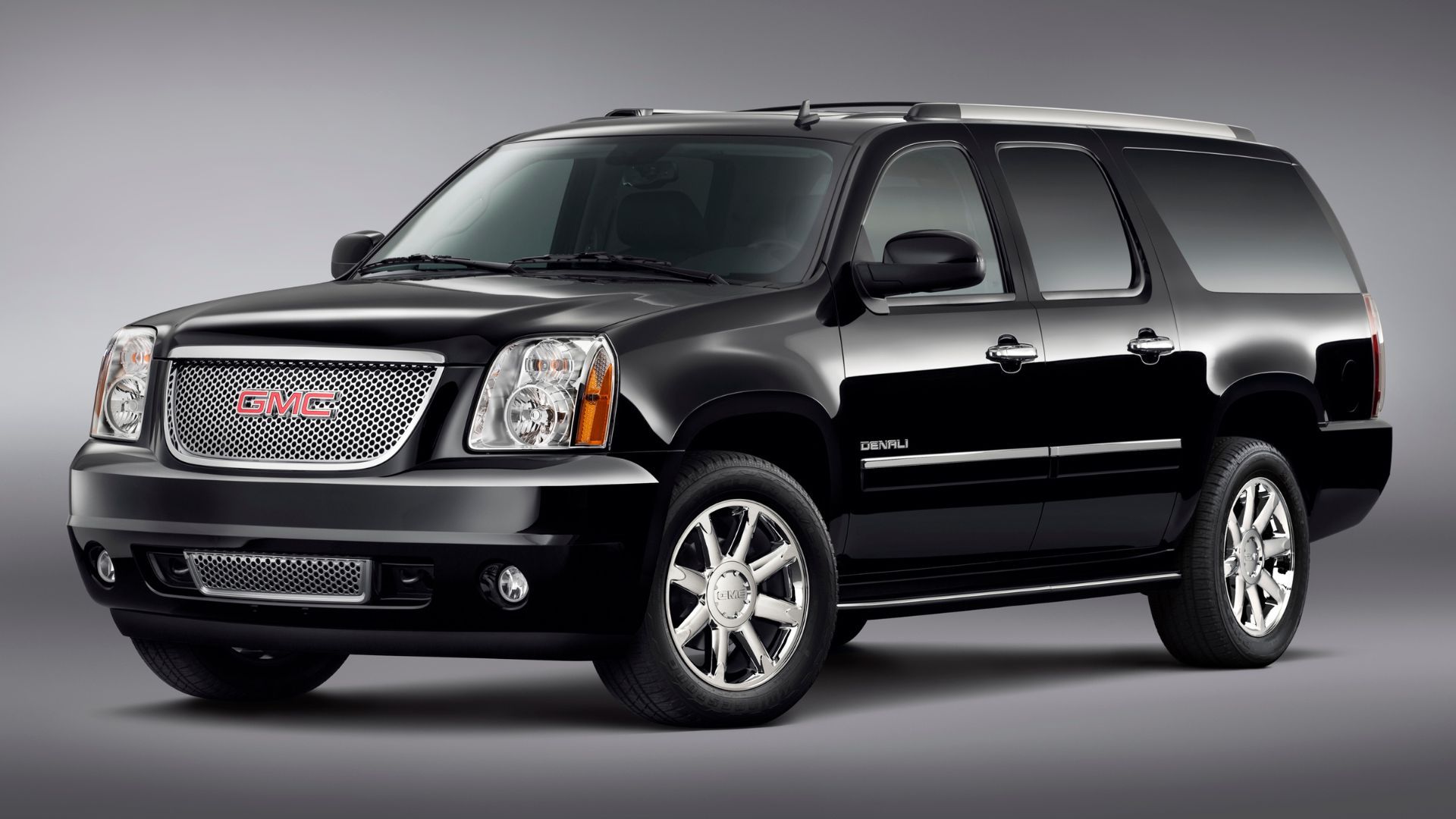
The 2007 GMC Yukon represents a significant milestone in full-size SUV design, marking the introduction of the GMT900 platform. This generation balances robust towing capacity, diverse V8 powertrain options, and generous interior dimensions, establishing a benchmark for utility vehicles designed to handle heavy-duty hauling while maintaining a refined driving experience for its occupants.
The GMT900 Platform Transition
The 2007 model year was not merely a cosmetic update; it was a comprehensive engineering overhaul. GMC moved the Yukon to the GMT900 platform, which prioritized aerodynamic efficiency, chassis rigidity, and improved safety standards. By reducing the drag coefficient compared to its predecessor, GMC improved fuel efficiency without sacrificing the boxy, authoritative silhouette that characterized the brand. The chassis featured a fully boxed frame, which provided the structural integrity necessary for higher towing ratings and improved handling precision on uneven road surfaces.
Powertrain and Performance Specifications
The 2007 GMC Yukon offered buyers a choice of two primary V8 engines, both part of the Vortec family, designed to deliver power across a broad torque curve. These engines were mated to a standard Hydra-Matic 4L60 four-speed automatic transmission for the 5.3L engine, while the 6.2L variant benefited from the heavy-duty 6L80 six-speed transmission.
5.3L Vortec V8 (LY5/LMG)
The standard engine for the 2007 Yukon was the 5.3-liter V8, which featured Active Fuel Management (AFM) technology. AFM allowed the engine to deactivate four of the eight cylinders under light-load conditions, such as highway cruising, to improve fuel economy.
- Horsepower: 320 hp @ 5,200 rpm
- Torque: 340 lb-ft @ 4,200 rpm
- Configuration: Pushrod OHV, 2 valves per cylinder
- Primary Utility: Balancing daily drivability with moderate towing requirements.
6.2L Vortec V8 (L92)
Exclusively available on the Denali trim, the 6.2-liter V8 was a significant step up in capability. Unlike the standard 5.3L, this engine utilized variable valve timing (VVT) to optimize performance across the rev range.
- Horsepower: 380 hp @ 5,500 rpm
- Torque: 417 lb-ft @ 4,400 rpm
- Configuration: Pushrod OHV, VVT
- Primary Utility: Enhanced performance for heavy trailer towing and high-speed passing.
Dimensions and Exterior Scale
As a true full-size SUV, the 2007 Yukon was designed to maximize internal volume. The vehicle dimensions reflect its purpose as a primary vehicle for large families and heavy cargo transport.
- Wheelbase: 116 inches
- Overall Length: 202 inches
- Overall Width: 79.1 inches
- Overall Height: 76.9 inches (without roof racks)
- Ground Clearance: 9.1 inches
The wide track of 68 inches at the front and 67 inches at the rear provided a planted feel, which helped mitigate the body roll often associated with large SUVs. The 2007 redesign also focused on tightening the panel gaps and improving the integration of the bumpers, which contributed to both an improved aesthetic and reduced wind noise at highway speeds.
Interior Capacity and Seating Configurations
The interior of the 2007 Yukon prioritized modularity. Depending on the seating configuration—which could include a front-row bench or captain’s chairs, and second-row bench or bucket seats—the vehicle could accommodate between seven and nine passengers.
The third-row seating was a notable point of improvement for the 2007 model. GMC implemented a system that allowed the third row to be folded, tumbled, or entirely removed from the vehicle. However, it is important to note that the removal process requires physical effort due to the weight of the split-bench seats. Cargo volume behind the third row is approximately 16.9 cubic feet, which expands significantly to 108.9 cubic feet with all rear seats removed or stowed.
Towing and Payload Capabilities
The capability of the 2007 GMC Yukon is defined by its frame-based construction. When properly equipped with the appropriate trailering package (which typically includes an auxiliary transmission cooler and a heavy-duty cooling system), the Yukon is a formidable towing machine.
| Engine | Drivetrain | Max Towing Capacity (lbs) |
|---|---|---|
| 5.3L V8 | 2WD | 7,700 |
| 5.3L V8 | 4WD | 7,500 |
| 6.2L V8 | AWD (Denali) | 7,900 |
Note: These figures represent the maximum rating. Real-world towing capacity is heavily dependent on total vehicle payload, including passengers and cargo inside the cabin.
Suspension and Steering Systems
The 2007 Yukon utilized a coil-over-shock front suspension, providing a tighter turning circle and more responsive steering than the previous generation. The rear suspension consisted of a five-link coil spring setup with a solid axle, a design chosen specifically for its durability and load-bearing capacity.
For the Denali trim, the vehicle featured an electronic AutoRide suspension system. This system utilizes sensors to adjust shock damping in real-time based on road conditions, significantly improving ride quality over rough terrain and reducing pitch during heavy braking.
Maintenance and Common Considerations
In 2026, owners of the 2007 Yukon should focus on several specific maintenance areas to ensure the vehicle remains reliable.
- AFM System Health: The Active Fuel Management system relies on proper oil pressure. Using the correct weight oil and ensuring it is changed at regular intervals is critical to preventing lifter failure associated with the AFM hardware.
- Transmission Cooling: Since the 4L60 and 6L80 transmissions are subjected to significant heat during towing, regular transmission fluid flushes are the most effective way to extend the service life of these units.
- Brake Systems: The Yukon is a heavy vehicle. Inspecting the brake lines for corrosion and the calipers for sticking is a necessary step for safety, particularly in regions where road salt is used.
- Suspension Components: The factory bushings and ball joints are wear items. If the vehicle feels "loose" or "wandering" on the highway, a professional inspection of the control arms and tie rods is recommended.
Frequently Asked Questions
What is the difference between the Yukon and the Yukon XL for 2007? The standard Yukon shares a 116-inch wheelbase with the Chevrolet Tahoe, whereas the Yukon XL is built on a 130-inch wheelbase, sharing its chassis with the Chevrolet Suburban. The XL provides significantly more cargo space behind the third row and a larger fuel tank.
Can I run the 6.2L Denali on regular unleaded gasoline? While the 6.2L engine can operate on 87-octane fuel due to the knock sensors adjusting ignition timing, it is engineered for premium (91+ octane) fuel to achieve its advertised horsepower and torque figures.
Is the 2007 GMC Yukon AWD system full-time? The Denali trim features a full-time All-Wheel Drive (AWD) system, which is designed for various road surfaces. The standard Yukon models featured a part-time 4WD system with a two-speed transfer case, allowing the driver to select between 2WD, Auto, 4Hi, and 4Lo.
What is the fuel economy expected of this vehicle? The 2007 Yukon was rated at approximately 15 mpg city and 21 mpg highway for the 5.3L 2WD model. In 2026 conditions, actual fuel economy may vary based on vehicle maintenance, tire pressure, and driving habits.
Are there known issues with the 2007 electrical system? Some users have reported issues with the door latch sensors and the instrument cluster stepper motors. These are well-documented areas that generally require module repair or replacement rather than complex wiring diagnostic work.
Recommended Next Actions
If you are evaluating a 2007 GMC Yukon for purchase or maintenance, start by verifying the maintenance history specifically regarding the transmission fluid and the cooling system. If the vehicle has high mileage, check the service records for suspension component replacements. For current owners, perform a "cold start" check to listen for any ticking noises from the engine, which can indicate potential lifter wear related to the AFM system. Always prioritize checking the frame for rust if the vehicle has been operated in snowy or coastal climates, as structural integrity is the most important factor in the long-term viability of this platform.