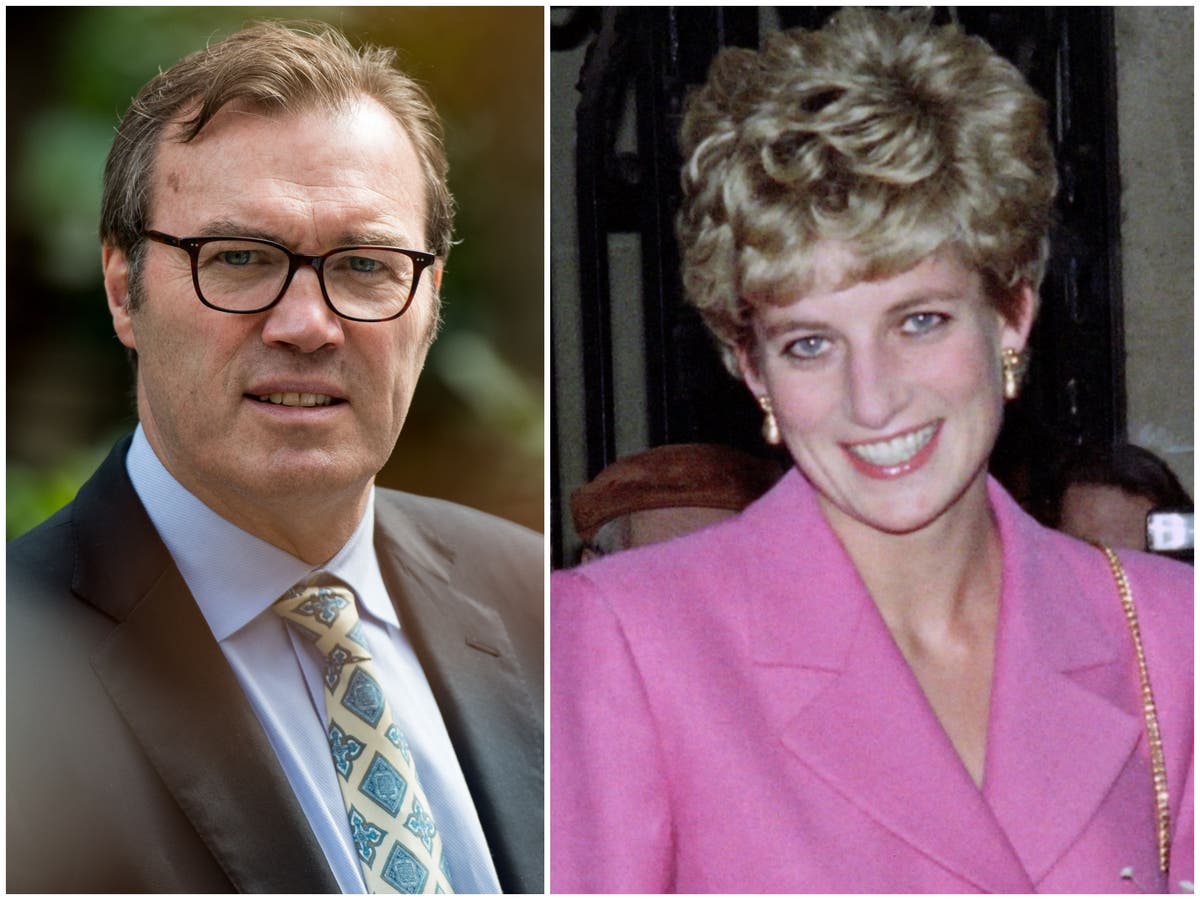
As of early 2026, celebrated royal biographer Andrew Morton remains active in his professional life, having shown remarkable resilience following significant health challenges in late 2010s. While he continues to manage the long-term monitoring associated with his previous prostate cancer diagnosis and the recovery protocols from a 2018 stroke, Morton has maintained a steady output of literary work and public appearances.
Andrew Morton is a name synonymous with the modern British monarchy’s most transformative era. Most famous for his 1992 biography Diana: Her True Story, Morton has spent decades as a central figure in royal reporting. However, in recent years, the focus has shifted occasionally from his subjects to his own well-being. Understanding the current status of his health requires a look back at the medical hurdles he has cleared and how he manages his demanding career as a septuagenarian in 2026.
The 2018 Stroke Incident: A Turning Point
In 2018, the literary world was alarmed when reports surfaced that Andrew Morton had collapsed while delivering a speech in Dubai. The incident occurred during a presentation about his book on Meghan Markle. Morton later confirmed that he had suffered a stroke, an event that necessitated an immediate pause in his rigorous travel schedule.
A stroke, or cerebrovascular accident, occurs when the blood supply to part of the brain is interrupted or reduced, preventing brain tissue from getting oxygen and nutrients. In Morton’s case, the event was described as a significant warning sign that required immediate lifestyle adjustments.
The Recovery Process
Recovery from a stroke is a multifaceted journey involving physical therapy, cognitive monitoring, and often, speech therapy. For a writer whose primary tools are language and memory, the stakes were incredibly high. Morton’s recovery in the subsequent years was marked by a gradual return to the public eye. By 2026, he has become an advocate for stroke awareness, often discussing the importance of recognizing the "FAST" (Face, Arms, Speech, Time) signs.
His ability to return to long-form writing—a task requiring immense cognitive endurance—is a testament to the success of his rehabilitation. Observers note that while he may have moderated his formerly frantic pace of international book tours, his intellectual sharpness remains a hallmark of his media contributions.
Managing Prostate Cancer: A Private Battle Made Public
Parallel to his stroke recovery, Andrew Morton has been open about his journey with prostate cancer. Diagnosed around the same period as his stroke, the cancer diagnosis added a layer of complexity to his health management. Prostate cancer is one of the most common cancers among men, and Morton joined a growing list of public figures using their platform to encourage early screening and regular PSA (prostate-specific antigen) testing.
Treatment and Ongoing Monitoring
Treatment for prostate cancer varies depending on the stage at the time of diagnosis, ranging from active surveillance ("watchful waiting") to surgery, radiation, or hormone therapy. Morton underwent treatment that allowed him to continue working, though he has spoken candidly about the fatigue and emotional toll that such a diagnosis carries.
In 2026, Morton remains in the "monitoring" phase common for survivors. This involves regular check-ups to ensure the cancer remains in remission. His transparency regarding the disease has been credited with helping to destigmatize the condition for men of his generation, emphasizing that a diagnosis does not equate to an end to one's professional or personal vitality.
Professional Output and Health Constraints
One might expect that facing two major health crises would lead to retirement. However, Andrew Morton’s career in 2026 demonstrates the opposite. Since 2018, he has published several major works, including a definitive biography of Queen Elizabeth II and updated insights into the evolving roles of Prince Harry and Meghan Markle.
Adapting the Writing Process
To accommodate his health needs, Morton has reportedly refined his working habits. This includes:
- Reduced Travel: Utilizing digital platforms for interviews rather than constant transcontinental flights.
- Structured Research: Relying more on a dedicated team of researchers to handle the more physically demanding aspects of investigative journalism.
- Focused Projects: Moving away from daily journalism to focus on high-impact, long-term biographical projects that allow for a more manageable schedule.
This adaptation has allowed him to maintain his status as a "go-to" expert for royal commentary, especially during the significant transitions the House of Windsor has faced in the mid-2020s.
Health Maintenance for the Senior Professional
As Morton navigates his 70s, his health regimen is a reflection of modern geriatric care for active professionals. His routine likely includes a combination of cardiovascular health management (post-stroke) and oncology follow-ups.
| Health Factor | Status/Management Approach (2026) | Significance |
|---|---|---|
| Cerebrovascular Health | Regular monitoring of blood pressure and cholesterol; anticoagulant therapy. | Preventing recurrence of stroke or TIA. |
| Oncology (Prostate) | Periodic PSA testing and imaging. | Ensuring early detection of any recurrence. |
| Cognitive Function | Active engagement in complex writing and research. | Maintaining neuroplasticity and mental acuity. |
| Physical Mobility | Low-impact exercise (walking, swimming). | Counteracting the sedentary nature of writing. |
| Stress Management | Selective public appearances and moderated deadlines. | Reducing the risk of stress-induced health spikes. |
The Role of Public Interest in Morton’s Health
The public interest in an "Andrew Morton health update" stems from his unique position in the cultural landscape. Because he was the man who gave Princess Diana her "voice," the public feels a sense of personal connection to his well-being. Furthermore, his health status is often viewed as a bellwether for his ability to continue releasing the "inside stories" that the public craves.
In the niche of royal reporting, credibility is built over decades. Morton’s longevity is his greatest asset. His health is not just a personal matter but a professional one, as his presence at major royal events provides a historical context that younger reporters cannot replicate.
Addressing the Challenges of Aging in the Spotlight
Morton’s journey highlights the broader challenges faced by public figures as they age. The expectation to remain "on" and available for 24-hour news cycles can be detrimental to those recovering from serious illness. Morton has successfully navigated this by setting boundaries.
In 2026, he is often seen as a model for "active aging" in the media industry. He has not disappeared, nor has he allowed his health issues to become the entirety of his narrative. Instead, they are chapters in a larger story of a life dedicated to the craft of biography.
Frequently Asked Questions
Did Andrew Morton retire due to his health?
No, Andrew Morton has not retired. While he has adjusted his workload and reduced the frequency of his international travel following his 2018 stroke, he remains an active author and commentator as of 2026. He continues to release new titles and provides expert analysis on the British Royal Family for major media outlets.
What was the nature of Andrew Morton's stroke?
In 2018, Morton suffered what was described as a mini-stroke or a TIA (Transient Ischemic Attack) during a speech in Dubai. While less severe than a full-scale stroke, it served as a significant medical warning, leading to a period of hospitalization and a subsequent focus on cardiovascular health and stress reduction.
Is Andrew Morton still undergoing cancer treatment?
As of 2026, Morton is understood to be in a period of clinical monitoring. After his initial diagnosis and treatment for prostate cancer in the late 2010s, he has moved into a "survivorship" phase which involves regular screenings to ensure the disease has not returned. He remains a vocal advocate for early detection.
How has Morton's writing style changed since his health scares?
While his investigative depth remains consistent, Morton has transitioned into a more reflective and historically grounded style. He utilizes modern research tools to minimize the physical strain of investigative work, allowing him to produce high-quality biographies like his recent works on Queen Elizabeth II and the legacy of the Windsor dynasty.
Where is Andrew Morton living and working now?
Morton continues to divide his time between the United Kingdom and the United States. This dual perspective allows him to cover both the domestic British aspects of the monarchy and the international "celebrity" angle of the younger royals, particularly those based in North America.
Summary and Next Steps
The 2026 health update for Andrew Morton is one of cautious optimism and continued productivity. Having survived a stroke and a cancer diagnosis, Morton has entered his 70s with a renewed focus on his health while refusing to step away from the career he loves. For those following his work, the key takeaway is that he has successfully adapted his lifestyle to meet the demands of his body without sacrificing the quality of his journalistic output.
To stay informed on his latest work and health advocacy:
- Monitor Official Releases: Follow updates from his publishers for news on upcoming book tours or appearances.
- Support Cancer and Stroke Charities: Morton often associates with organizations such as Prostate Cancer UK or the Stroke Association; following these groups can provide insight into his advocacy work.
- Engage with Reputable Media: Look for his long-form interviews in established broadsheets, where he often provides the most nuanced updates on his life and work.
Note: This article is for informational purposes and does not constitute professional medical advice. For concerns regarding stroke or prostate cancer, consult a qualified healthcare provider.