The November 30, 1994, shooting of Tupac Shakur at Quad Recording Studios in New York City was a pivotal robbery and ambush that catalyzed the infamous East Coast-West Coast hip-hop rivalry. While Tupac survived five gunshot wounds, his belief that Biggie Smalls and Sean Combs had prior knowledge of the attack sparked a deadly cultural conflict.
The events of November 30, 1994, represent more than a mere criminal act; they serve as the "ground zero" for the most volatile era in music history. Even now, in 2026, the shooting remains a subject of intense forensic study and cultural debate. To understand the 1994 Quad Studios shooting, one must analyze the complex web of relationships, the specific geography of the incident, and the long-delayed legal revelations that eventually surfaced decades later.
The Context: New York City Hip-Hop in the Early 1990s
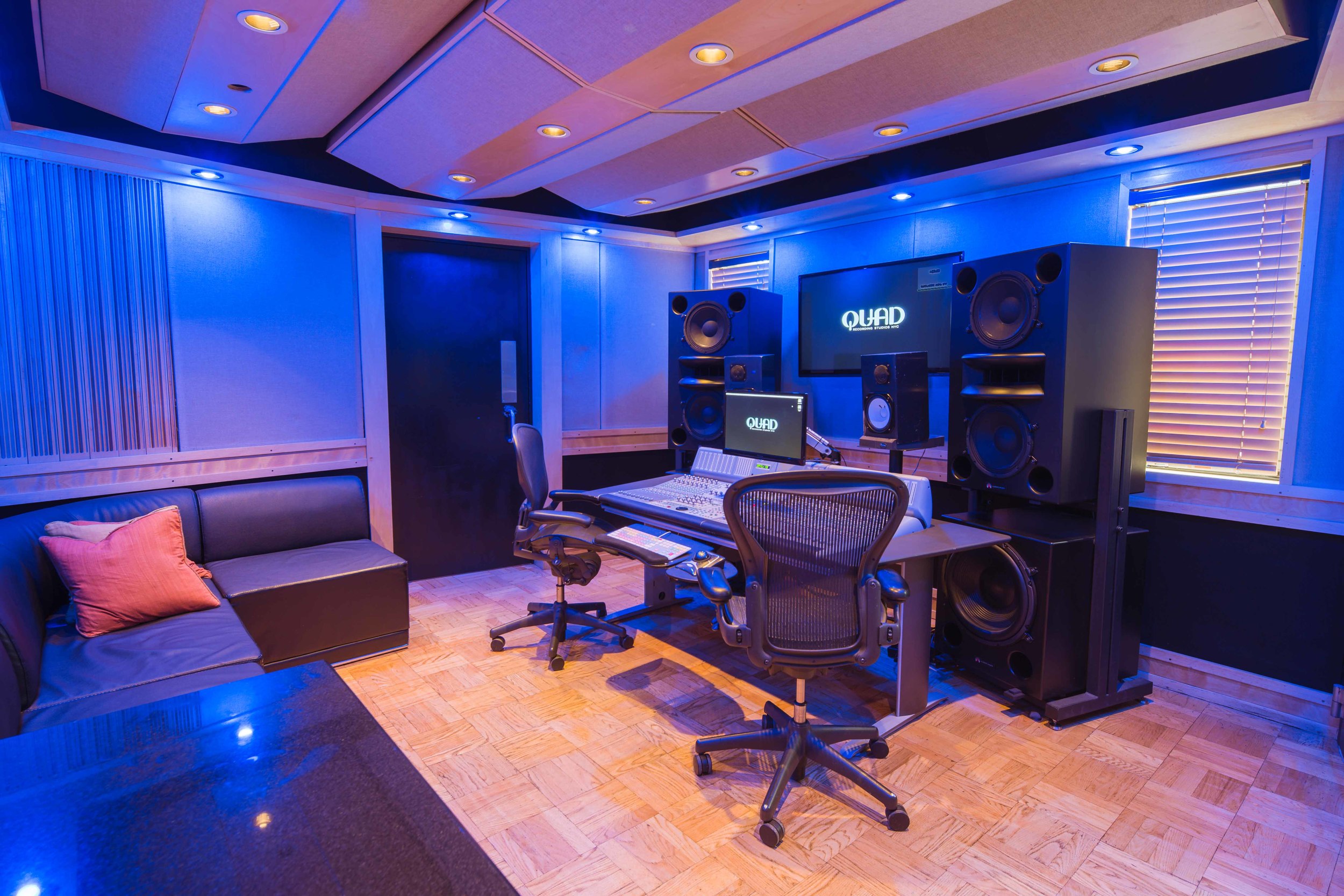
In 1994, New York City was the undisputed capital of the hip-hop world, though its dominance was being challenged by the rising "G-Funk" sound of the West Coast. At the center of this world was Quad Recording Studios, located at 723 Seventh Avenue in Times Square. Quad was a premier facility where the industry’s elite gathered to record, mix, and network.
Tupac Shakur, though born in East Harlem, had become the face of West Coast rap through Interscope Records and his association with the California scene. Despite this, he maintained deep roots in New York and was a close friend of Christopher "The Notorious B.I.G." Wallace. At the time of the shooting, Shakur was in Manhattan to attend his trial for sexual abuse charges, a case that had already placed him under immense psychological and financial pressure.
The invitation to Quad Studios came from James "Jimmy Henchman" Rosemond, a talent manager and emerging underworld figure. Rosemond offered Tupac $7,000 to record a guest verse for a rapper named Little Shawn. Facing mounting legal fees, Shakur accepted the offer, despite having reservations about the individuals associated with the session.
Minute-by-Minute: The Ambush at 723 Seventh Avenue
The shooting occurred just after midnight. Tupac arrived at Quad Recording Studios accompanied by his friend Randy "Stretch" Walker and two other associates. The group entered the lobby, expecting a standard security protocol, but they were immediately confronted by three men.
The Confrontation in the Lobby
The assailants were described as wearing army fatigue outfits, a detail that initially led Tupac to believe they were security for Biggie Smalls’ Bad Boy entourage, who were recording upstairs. The men drew 9mm pistols and ordered the group to the floor. While Stretch and the others complied, Tupac hesitated and reached for his own weapon.
This movement triggered the violence. The gunmen opened fire, striking Tupac five times. The injuries included shots to the groin, the hand, and two grazes to the head. After the shooting, the assailants robbed Tupac of his gold jewelry—estimated to be worth roughly $40,000—but notably left his expensive Rolex watch, a detail that later fueled theories that the motive was intimidation rather than simple theft.
The Ascent to the Studio
In an act of sheer adrenaline, the wounded Shakur managed to make his way into the elevator and ride it to the tenth floor, where Biggie Smalls, Sean "Puffy" Combs, and Andre Harrell were located. According to Tupac’s later interviews with Vibe magazine, the reaction of the people in the room was one of shock and guilt. He claimed that no one would look him in the eye and that the atmosphere felt "heavy" with betrayal.
Emergency services were called, and Tupac was rushed to Bellevue Hospital. In a display of his legendary defiance, he checked himself out of the hospital less than 24 hours after surgery, fearing for his life and determined to appear in court for his ongoing trial.
The Forensic and Legal Investigation
For years, the NYPD investigation into the Quad Studios shooting remained cold. No one was arrested at the scene, and the gunmen vanished into the Midtown Manhattan crowds. The lack of progress led to decades of conspiracy theories involving the FBI, rival record labels, and even the "Black Mafia."
The Primary Evidence and Lack of Prosecution
The initial investigation was hampered by a lack of cooperation from witnesses. In the hip-hop culture of the 1990s, "snitching" or cooperating with the police was strictly taboo, even for victims. Furthermore, the chaotic nature of the Times Square area in 1994 meant that surveillance footage was limited or non-existent compared to modern 2026 standards.
The physical evidence included:
- Shell Casings: 9mm casings found in the lobby.
- Ballistics: Analysis of the wounds suggested the shots were fired at close range.
- The Robbed Jewelry: None of the stolen items were recovered in the immediate aftermath, suggesting a professional hand-off.
The 2011 Confession of Dexter Isaac
A major breakthrough occurred in 2011 when Dexter Isaac, a convicted murderer serving a life sentence, confessed to his involvement in the shooting. Isaac claimed that he was paid $2,500 by Jimmy Henchman to rob and shoot Tupac. This confession provided the first concrete link between the shooting and James Rosemond, confirming Tupac’s long-held suspicion that he had been set up by the man who invited him to the studio.
The Cultural Fallout: East Coast vs. West Coast
The shooting at Quad Studios was the functional start of the East Coast-West Coast war. Prior to this night, the friction between the regions was largely competitive and artistic. After November 30, 1994, it became personal and violent.
The "Who Shot Ya?" Controversy
Shortly after the shooting, The Notorious B.I.G. released the song "Who Shot Ya?" Although Bad Boy Records claimed the song had been recorded months before the incident, the timing was perceived by Tupac and the West Coast as a "diss track" mocking the ambush. This led to Tupac’s signing with Suge Knight’s Death Row Records and the release of "Hit 'Em Up," perhaps the most aggressive diss track in history, where he explicitly accused Biggie and Puffy of being involved in the Quad shooting.
Shift in Industry Security
The shooting changed how record labels handled security. Before 1994, studios were relatively open spaces. After the Quad incident, "studio gangsters" became a recognized threat, and high-level artists began traveling with armed private security details. The incident proved that even a high-profile location in the heart of New York was not safe for a star of Tupac’s magnitude.
Historical Comparison of Narratives
To understand the complexity of the 1994 Quad Studios shooting, it is helpful to compare the differing accounts of the key figures involved.
| Perspective | Stance on the Incident | Motivation Cited |
|---|---|---|
| Tupac Shakur | Believed it was a planned setup by Bad Boy and Jimmy Henchman. | To humble him or kill him for refusing to join their circle. |
| Biggie Smalls | Maintained he was upstairs and had no idea what was happening. | Coincidence; he claimed he was shocked to see Tupac wounded. |
| Sean Combs | Denied any involvement or prior knowledge of the ambush. | Stated that Bad Boy was a business, not a criminal enterprise. |
| Dexter Isaac (2011) | Confessed to the shooting on behalf of Jimmy Henchman. | Financial gain; he was paid to carry out the robbery. |
| Jimmy Henchman | Long denied involvement; later convicted of unrelated crimes. | Denied the set-up, citing his own professional reputation. |
The Impact on Tupac’s Legal Battle and Legacy
The shooting occurred at the worst possible time for Tupac’s legal standing. He was in the middle of a high-profile trial for an alleged sexual assault at the Parker Meridien Hotel. The day after being shot, Shakur appeared in court in a wheelchair, heavily bandaged.
Many legal analysts at the time, and looking back from 2026, believe the shooting and his subsequent "warrior" image affected the jury's perception. He was ultimately convicted of first-degree sexual abuse but acquitted of the more serious sodomy and weapons charges. The financial strain of the trial, exacerbated by the robbery of his jewelry and his inability to tour while recovering, eventually led him to accept a bail-out from Suge Knight, which effectively moved him to Los Angeles and sealed his fate in the coastal war.
Modern Reflections and Resolved Ambiguity
As of 2026, the consensus among hip-hop historians and investigative journalists is that the shooting was not a direct hit ordered by Biggie Smalls. Instead, it was an orchestrated robbery set up by Jimmy Henchman, intended to "punish" Tupac for his perceived arrogance and refusal to align with Rosemond’s management.
The tragedy lies in the misunderstanding. Tupac, already paranoid from the legal system and his upbringing, interpreted the silence of his New York peers as complicity. This misunderstanding fueled a cycle of violence that would eventually claim the lives of both Shakur and Wallace within the following three years.
Frequently Asked Questions
Did Biggie Smalls actually shoot Tupac in 1994?
No. There is no evidence, forensic or otherwise, that Christopher Wallace (Biggie Smalls) was involved in the physical act of shooting. He was on the tenth floor of the building when the shooting occurred in the lobby. While Tupac accused him of having "prior knowledge," even that remains a subject of intense debate with no smoking-gun evidence.
How many times was Tupac shot at Quad Studios?
Tupac was struck five times. He suffered two wounds to the head (grazes), one to the hand, and two to the groin area. Remarkably, he survived these injuries and was able to walk into the elevator and even make a brief court appearance the following day.
Who was Jimmy Henchman, and what was his role?
James "Jimmy Henchman" Rosemond was a music executive and talent manager. According to the 2011 confession by Dexter Isaac, Rosemond orchestrated the attack and paid Isaac to rob Tupac. Rosemond is currently serving multiple life sentences for unrelated crimes, including drug trafficking and a murder-for-hire plot involving a G-Unit associate.
What happened to the gunmen?
For nearly two decades, the gunmen remained unidentified. Following Dexter Isaac’s 2011 confession, the narrative shifted toward a professional hit/robbery crew. However, because the statute of limitations on the robbery had passed and the shooting was not a homicide, no one was ever specifically tried in a court of law for the 1994 incident.
How did the shooting change the hip-hop industry?
It marked the end of "the era of innocence" in hip-hop. The incident introduced a level of real-world violence and paranoia that became a staple of 1990s rap culture. It also led to the militarization of artist security and the geographical fracturing of the genre into warring factions.
Final Recommendations for Further Study
For those seeking to understand the 1994 Quad Studios shooting in greater depth, the following actions are recommended:
- Analyze the 1995 Vibe Magazine Interview: This is the most comprehensive primary source for Tupac’s perspective immediately following the event.
- Review the NYPD Case Files (where available): Public records regarding the 723 Seventh Avenue incident provide the technical layout of the crime scene.
- Consult Investigative Journalism: Books like The Big Payback by Dan Charnas and the documentary work of Chuck Philips offer deep dives into the criminal underworld figures involved in the NYC recording scene of the mid-90s.
The 1994 Quad Studios shooting remains a haunting reminder of how a single night of violence can change the trajectory of an entire culture. While the legal facts have slowly emerged over the last three decades, the emotional scars on the hip-hop community remain visible even in 2026.