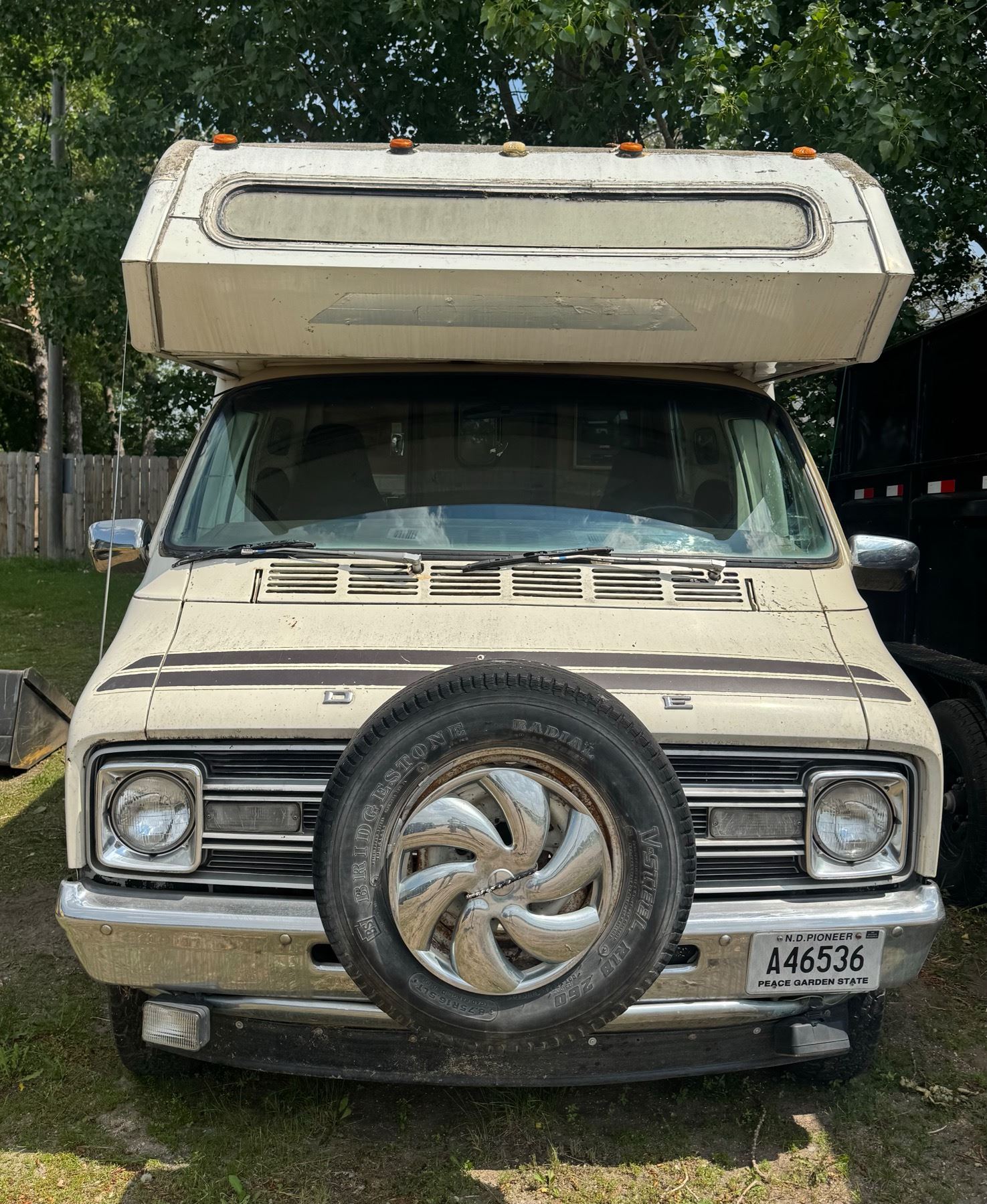
The 1977 Dodge motorhome market was defined by the dominance of the M-Series chassis, which served as the structural backbone for a vast majority of Class A motorhomes produced during that era. Owners and enthusiasts often categorize these vehicles not by a single factory-built model, but by the integration of the Dodge powertrain and chassis with third-party coachwork from manufacturers like Winnebago, Georgie Boy, and Commander.
Understanding the Dodge M-Series Chassis
In 1977, Dodge did not manufacture "motorhomes" in the consumer-facing sense; rather, the Chrysler Corporation produced the M-Series chassis (specifically the M300, M400, and M500 models). These were sold to various RV coachbuilders who constructed the living quarters atop the heavy-duty steel frame.
The primary identifying feature of a 1977 Dodge motorhome is the mechanical platform. Unlike modern RVs that utilize integrated, specialized motorhome chassis, the 1977 models were built on a commercial truck platform. This meant that while they were exceptionally durable, they were also utilitarian in their design, often featuring a distinct front-end cowl that included the steering column, instrument cluster, and engine placement.
Technical Specifications and Powertrains
The 1977 Dodge motorhome lineup relied heavily on two main engine configurations that defined the driving experience for that decade:
- The 440 Cubic Inch V8: This was the powerhouse of the era. Renowned for its high torque, the 440 V8 was the preferred choice for larger motorhomes (typically 24 to 28 feet and above). While it provided the necessary muscle to move heavy coachwork, it was notorious for poor fuel efficiency, often delivering between 5 and 8 miles per gallon.
- The 360 Cubic Inch V8: Found in smaller Class A models or specialized van-conversion chassis, the 360 provided a slightly more efficient, though less powerful, alternative.
Both engines were typically paired with the Chrysler 727 Torqueflite three-speed automatic transmission. This transmission is widely regarded today as one of the most robust units ever manufactured, capable of handling the high-torque output of the big-block engines for hundreds of thousands of miles with proper maintenance.
Common Coachbuilders of 1977
Because Dodge supplied the chassis, the interior layout, insulation quality, and exterior aesthetic were determined by the coachbuilder. Identifying your specific motorhome model often involves looking for the manufacturer's insignia near the door or on the dashboard.
- Winnebago: One of the most prolific users of the Dodge chassis in 1977, Winnebago models like the Brave or the Minnie Winnie were iconic. They utilized fiberglass construction techniques that, while revolutionary at the time, require careful inspection today for signs of delamination.
- Georgie Boy: These units were often marketed as more upscale alternatives to the entry-level Winnebago models, featuring different cabinetry and upholstery packages while maintaining the same reliable Dodge mechanicals.
- Commander: Known for their distinct, often boxier profile, Commander motorhomes frequently utilized the heavier M400 and M500 chassis to support larger, more luxurious interior builds.
Mechanical Inspection and Maintenance
Owning a 1977 Dodge motorhome in 2026 requires a shift in mindset regarding vehicle maintenance. Because these vehicles are now nearly 50 years old, they are considered classic vehicles. The primary challenge is not the engine, which is well-documented and easy to repair, but the peripheral systems.
Cooling System Reliability
The biggest bottleneck for the 1977 Dodge chassis is heat dissipation. The large V8 engines are packed into relatively tight engine bays with limited airflow. Overheating is the leading cause of engine failure in these vintage units. When inspecting a potential purchase or maintaining an existing rig, ensure the following:
- Radiator Condition: Upgrading to an aluminum, high-capacity radiator is often necessary for modern driving conditions.
- Fan Clutch: Ensure the viscous fan clutch is engaging properly. If it is original, replace it immediately, as these frequently fail in a "disengaged" position.
- Transmission Cooler: A secondary transmission cooler is highly recommended. The 727 transmission is tough, but it produces significant heat under load, and original factory cooling systems were often marginal at best.
The Electrical Challenge
The wiring harnesses in 1977 were not designed for the electrical load of modern appliances. Owners often find that the coach’s converter (the unit that turns 120V AC shore power into 12V DC for lights and pumps) is a major failure point. Many owners in 2026 choose to replace the original power center with a modern, multi-stage smart charger to prevent battery boil-off and ensure cleaner power delivery to sensitive electronics.
Comparison of M-Series Chassis Ratings
When verifying the capacity and model of a 1977 Dodge-based motorhome, the chassis rating is the most critical factor.
| Chassis Model | GVWR (Approx.) | Typical Application | Common Engine |
|---|---|---|---|
| M300 | 10,000–12,000 lbs | Short Class A / Cutaway | 360 CID V8 |
| M400 | 13,000–14,000 lbs | Mid-size Class A | 440 CID V8 |
| M500 | 15,000–17,000 lbs | Large Class A / Bus | 440 CID V8 |
Note: Gross Vehicle Weight Rating (GVWR) can vary based on specific coachbuilder additions and modifications made over the last five decades.
Addressing Structural Integrity
The greatest threat to a 1977 motorhome is water intrusion. Unlike modern vehicles that use advanced CAD-modeled seals, 1977 models relied on butyl tape and various sealants that have long since expired.
- Roof Seams: Check the area where the roof meets the sidewalls. If the sealant is cracked, assume water has entered the wall cavity.
- Floor Rot: Inspect the areas around the toilet, shower, and kitchen sink. Soft spots in the floor indicate that the sub-flooring—typically plywood—has rotted and needs replacement. This is a labor-intensive repair that often involves removing the cabinetry.
- Frame Rust: While the M-series frame is thick-gauge steel, check the mounting points where the coach body attaches to the chassis. Rust at these "outrigger" points can compromise the structural safety of the entire rig.
Frequently Asked Questions
Are parts still available for 1977 Dodge motorhome engines?
Yes. Because the 360 and 440 engines were used in millions of passenger cars and trucks, parts are readily available from major automotive retailers and specialized vintage Mopar suppliers. The scarcity lies in chassis-specific parts like sway bar bushings or original interior trim pieces.
Can these motorhomes still be used for long-distance travel?
They can, provided the cooling and braking systems have been modernized. Relying on 50-year-old rubber brake lines or a stock radiator for a cross-country trip is dangerous. With a full mechanical overhaul, these rigs are as capable as any modern vehicle.
How do I identify if I have an M300 or an M500 chassis?
Check the Vehicle Identification Number (VIN) plate. For 1977 models, the chassis manufacturer’s plate is usually located on the firewall or the driver's side door jamb. The model designation (e.g., M300) will be clearly stamped on the manufacturer's identification tag.
Is the fuel economy really as bad as people say?
Yes. The aerodynamic profile of a 1977 Class A motorhome is effectively that of a large brick. When paired with a carbureted 440 V8, you should anticipate fuel costs to be a significant portion of your travel budget. Expect 5–8 MPG, and anything higher should be considered an outlier.
What is the most common modification owners make?
The most common and impactful upgrade is the installation of a fuel-injection system to replace the original carburetor. Fuel injection improves cold-start reliability, stabilizes the air-fuel mixture at varying altitudes, and generally improves the efficiency and smooth operation of the big-block V8 engines.
Practical Recommendation for Owners
If you are planning to purchase a 1977 Dodge motorhome, prioritize mechanical condition over aesthetic interior appeal. A beautifully restored interior is useless if the chassis has frame rot or an overheated engine.
Start by verifying the engine's compression and the condition of the frame rails. Once the foundation is solid, you can address the interior components at your own pace. If you are already an owner, your next priority should be a full "fluid flush"—replace the transmission fluid, coolant, brake fluid, and engine oil with high-quality, modern synthetic alternatives, as these are the lifeblood of the vintage M-Series platform.