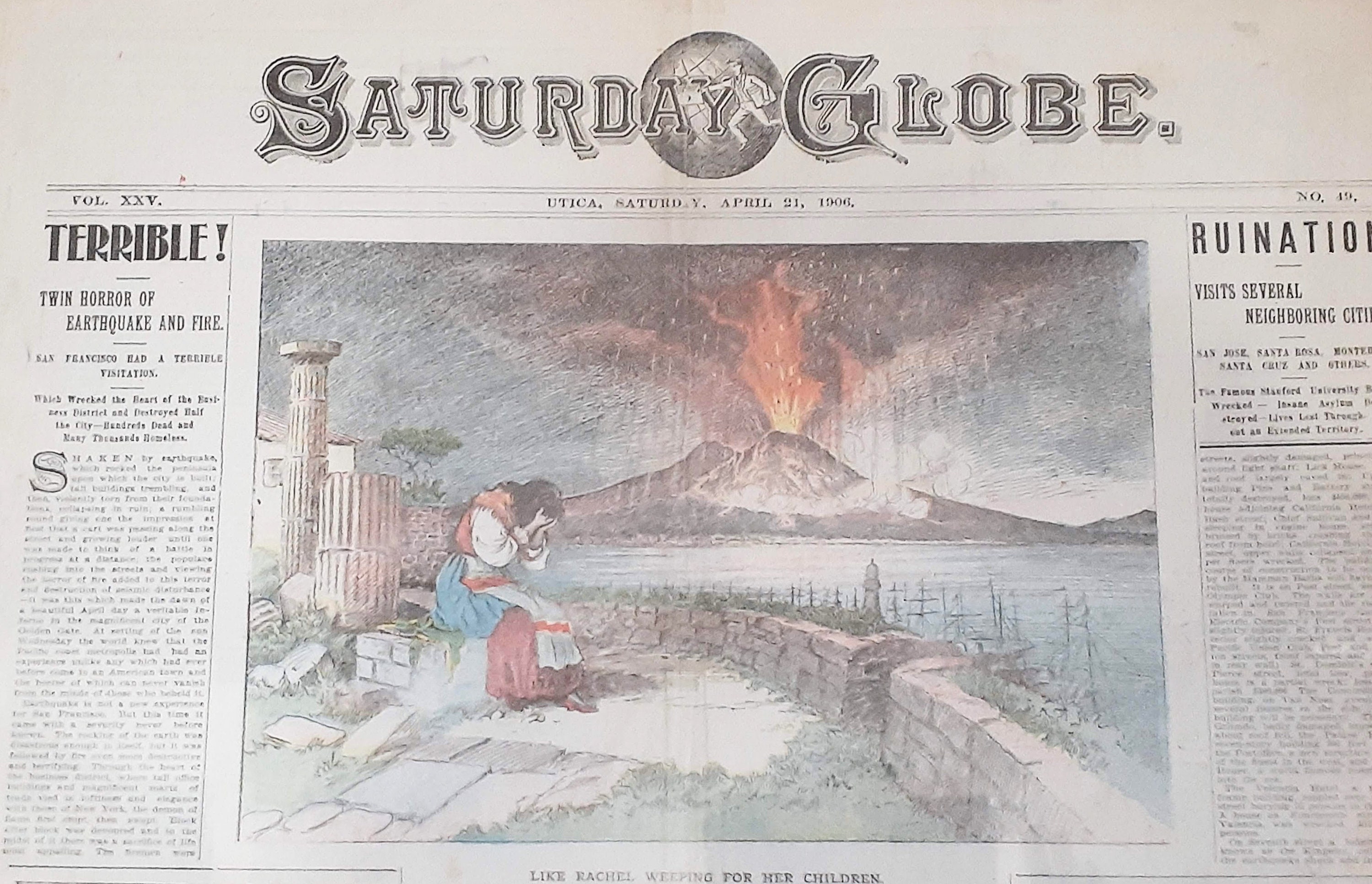
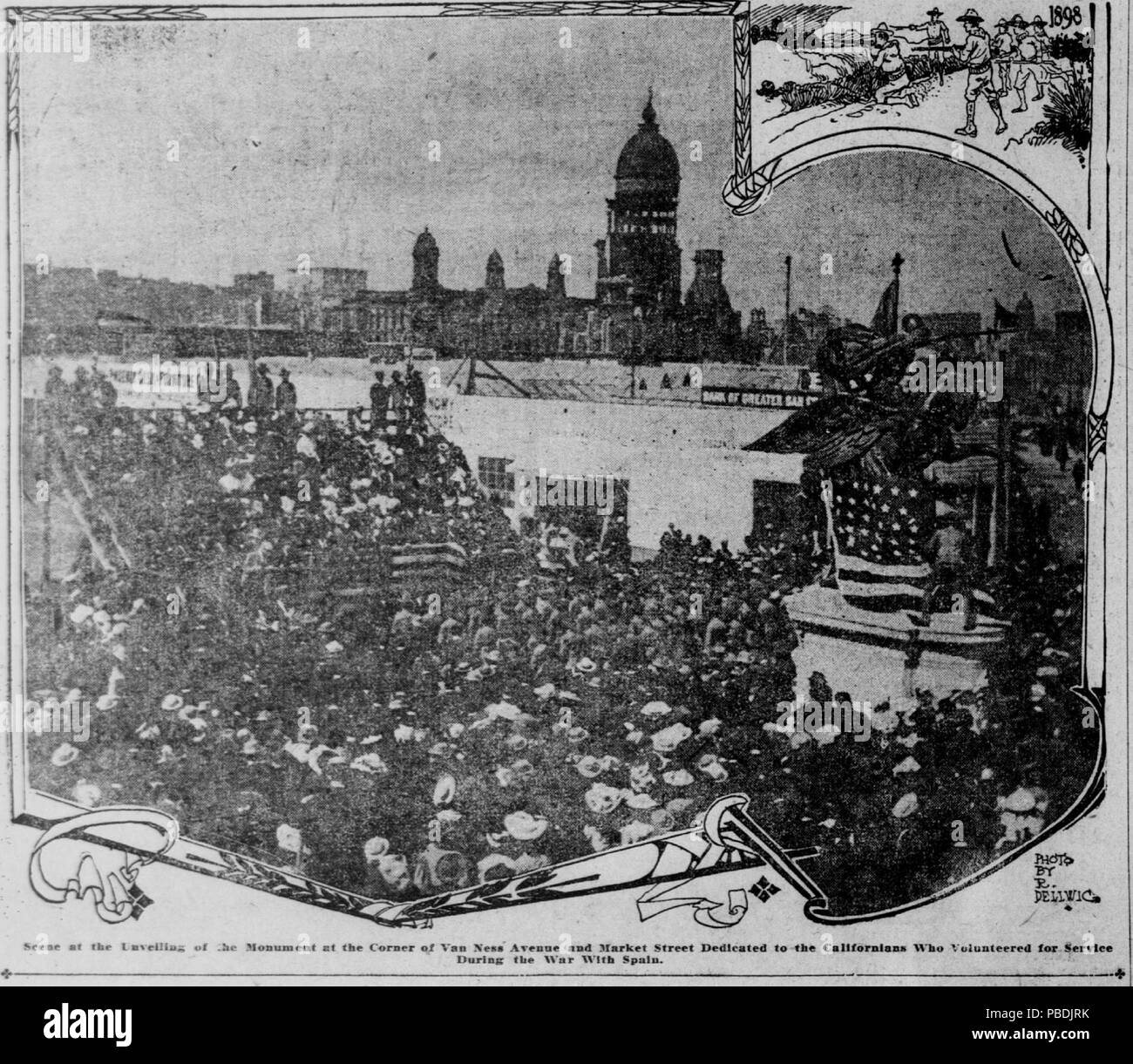
The 1906 San Francisco earthquake newspaper articles provide a vital, firsthand historical window into the catastrophic magnitude 7.9 tremor and subsequent fires that devastated Northern California. These period publications capture breaking news, eyewitness accounts, municipal devastation reports, and the evolving relief efforts through urgent headlines, hand-typeset columns, and dramatic illustrations that informed a shocked global audience.
Historical Context of the 1906 San Francisco Earthquake
At 5:12 AM on April 18, 1906, a massive rupture along the San Andreas Fault shook Northern California from Eureka to Salinas and as far inland as central Nevada. The violent ground motion lasted less than a minute, but it triggered a series of fires that burned unchecked for three days across San Francisco.
Understanding how this event unfolded requires examining the immediate environment of the city at the turn of the 20th century. San Francisco was the bustling financial, industrial, and cultural metropolis of the American West, often called the "Paris of the West." Its rapid expansion had outpaced its municipal infrastructure, leaving it heavily reliant on a delicate water distribution network.
When the earthquake struck, it ruptured main water lines throughout the city. This catastrophic failure rendered firefighters largely powerless against the dozens of blazes sparked by compromised gas lines, overturned stoves, and collapsed chimneys. The resulting firestorm consumed over 28,000 buildings, destroyed four square miles of the urban core, and left an estimated 250,000 residents homeless.
Anatomy of a Disaster: How Newspapers Covered the Event
When examining historical media coverage, researchers must understand how turn-of-the-century journalism operated. Unlike modern 24-hour news cycles driven by digital feeds and live video streams, the media landscape of 1906 relied on telegraph lines, hand-typeset printing presses, and physical distribution.
The Breaking News Crisis
The earthquake severed telegraph cables, knocked out power grids, and destroyed newspaper offices in downtown San Francisco. Major daily publications faced an immediate operational crisis.
- The Call and The Chronicle: The offices of major dailies like The San Francisco Call and The San Francisco Chronicle were heavily damaged or threatened by the advancing firestorms. Printers and reporters had to evacuate while trying to salvage type, paper stock, and press equipment.
- The Oakland Connection: Because printing facilities in San Francisco were rendered inoperable, many newspapers relocated their operations across the bay. The San Francisco Call famously combined forces with The Oakland Tribune to publish emergency joint editions.
- National Wire Services: The Associated Press and other wire services transmitted frantic dispatches from surviving telegraph stations in neighboring towns, feeding sensationalized and often contradictory accounts to newspapers across the United States and Europe.
Shifting Editorial Tones
Newspaper coverage evolved rapidly across three distinct phases during the disaster's immediate aftermath:
- Day One (April 18): Initial confusion and understated headlines. Due to severed communications, editors outside San Francisco initially reported a minor tremor or localized fires rather than a total metropolitan collapse.
- Days Two to Four (April 19–21): Sensational headlines detailing total destruction, martial law, widespread looting rumors, and the growing refugee crisis. Headlines screamed of "The City in Ruins" as dramatic illustrations and charcoal sketches supplemented blurry photographs.
- Week Two and Beyond (Late April–May): Transition toward reconstruction, relief fundraising, civic resilience, and political inquiries regarding building codes and municipal preparedness.
Key Publications and Notable Front Pages
Several specific newspapers produced iconic editions that remain primary source documents for historians, genealogists, and seismologists today.
| Publication Name | Geographic Base | Notable 1906 Coverage Angle | Historical Significance |
|---|---|---|---|
| The San Francisco Call | San Francisco / Oakland | Emergency joint editions, refugee tracking, local eyewitness accounts. | Documented the human cost and chaotic displacement of residents. |
| The San Francisco Chronicle | San Francisco | Detailed architectural loss, financial impact on banks and insurers. | Focused on the commercial viability and future rebuilding of the city. |
| The Oakland Tribune | Oakland, CA | Reception of refugees, cross-bay relief coordination, military deployment. | Provided stable printing infrastructure while San Francisco burned. |
| The New York Times | New York, NY | National reaction, federal aid mobilization, seismological analysis. | Demonstrated the national shock and rapid philanthropic response across the country. |
Accessing and Verifying 1906 Newspaper Archives
For modern researchers, genealogists, and historians seeking to read original 1906 San Francisco earthquake newspaper articles, numerous digital repositories and physical archives provide access to authenticated primary sources.
Digital Repositories and Libraries
Accessing these historical documents does not require visiting municipal archives in person. Several major institutions provide free or subscription-based access to scanned microfilms and original newsprint:
- Library of Congress (Chronicling America): Offers a free directory of historical American newspapers, including digitized California papers from the earthquake period.
- California Digital Newspaper Collection (CDNC): Maintained by the Center for Bibliographic Studies and Research at the University of California, Riverside, this free database hosts searchable full-text scans of regional papers from April and May 1906.
- Bancroft Library (UC Berkeley): Holds extensive physical collections of original broadsheets, photographic plates, and reporters' notebooks from the disaster.
- Internet Archive and Google Books: Feature digitized compilations of special souvenir newspaper editions published in the months following the catastrophe.
Authentication and Fact-Checking
When utilizing historical newspapers as primary sources, researchers must apply rigorous historical critique. Early 20th-century journalism operated under different verification standards than modern reporting.
- Separating Fact from Rumor: In the chaotic days following April 18, rumors of widespread martial law summary executions, thousands of immediate deaths, and total anarchy were printed as fact before being walked back in later editions. Official casualty estimates were heavily suppressed by municipal authorities eager to downplay the disaster's impact on property values and insurance payouts. Modern consensus places the death toll between 3,000 and 6,000, significantly higher than the initial official figures reported in early dispatches.
- Visual Verification: Many dramatic illustrations in contemporary newspapers were exaggerated or artistically embellished to dramatize the flames. Researchers should cross-reference newspaper engravings with authenticated photographs from photographers like Arnold Genthe.
Frequently Asked Questions
What was the most famous headline regarding the 1906 earthquake?
Many papers ran dramatic banners such as "SAN FRANCISCO DESTROYED BY EARTHQUAKE AND FIRE" or "THE CITY IN RUINS." Because communication was crippled, the exact phrasing varied by city, but the emphasis on total devastation was universal across national dailies.
Where can I read complete original articles from April 1906 online?
The California Digital Newspaper Collection (CDNC) and the Library of Congress's Chronicling America project provide free, searchable access to digitized scans of newspapers published during the disaster.
Why did newspapers outside San Francisco report different casualty numbers?
Telegraph lines were severely damaged, forcing reporters to rely on fragmented rumors, second-hand accounts from escaping refugees, and estimates provided by stressed municipal officials who often sought to minimize panic or protect insurance standing.
How did newspapers continue printing when San Francisco was burning?
Many San Francisco publishing houses had their facilities destroyed. Newspapers like The Call relocated their presses to nearby Oakland or utilized surviving machinery in temporary makeshift print shops to release emergency single-sheet bulletins.
Are these historical newspapers useful for scientific research?
Yes. Seismologists and historians examine contemporary newspaper accounts—specifically descriptions of ground motion, structural damage, and fire spread patterns—to map the intensity of the shaking and refine models of the San Andreas Fault rupture.
Next Steps for Historical Research
If you are conducting academic research, genealogical tracing, or historical inquiry into the 1906 disaster, begin by searching regional archives such as the California Digital Newspaper Collection using specific date ranges (April 18 through May 15, 1906). Cross-reference anecdotal newspaper reports with official municipal relief ledgers and geological surveys to separate sensationalized journalism from verified historical reality.