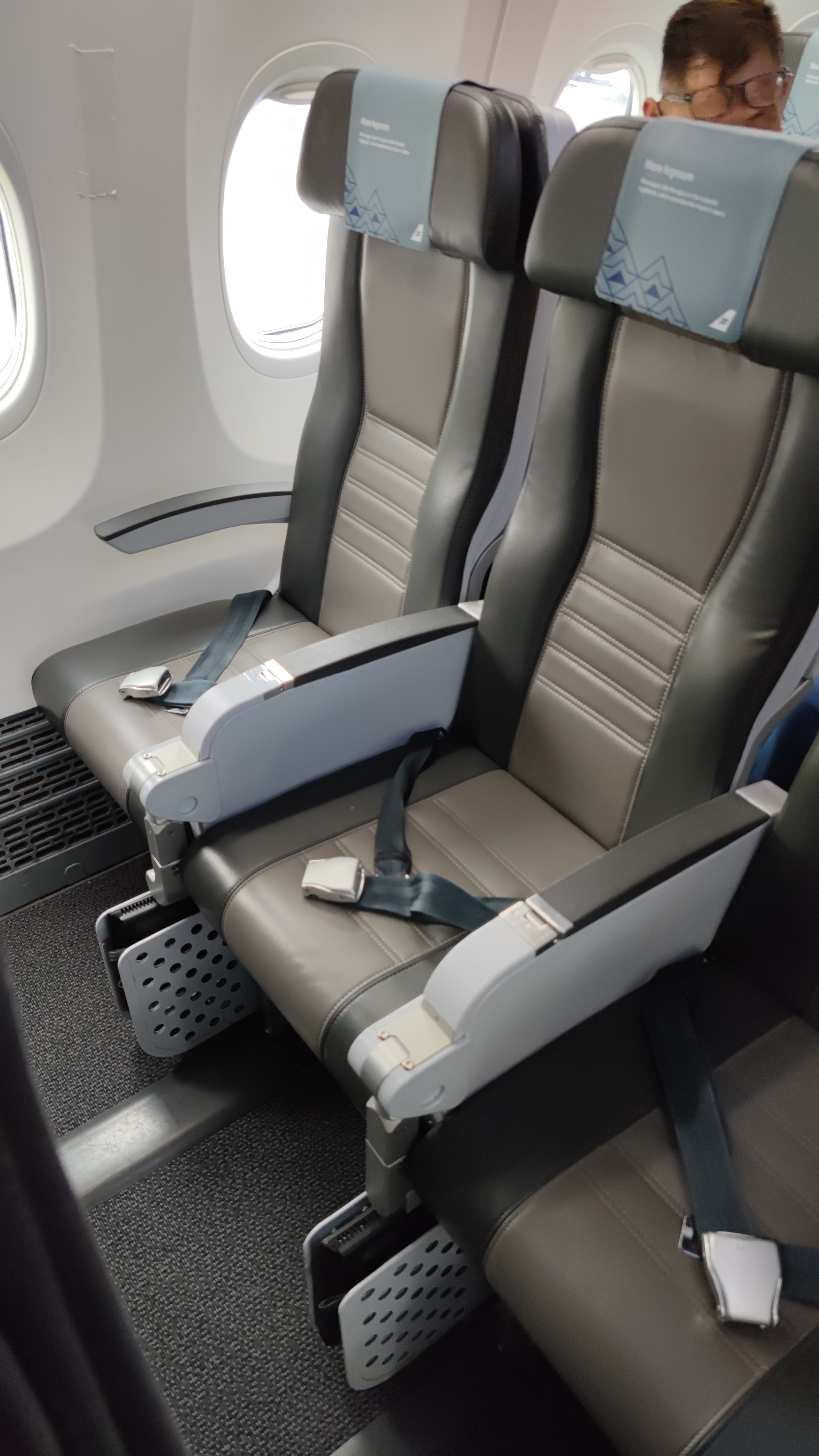
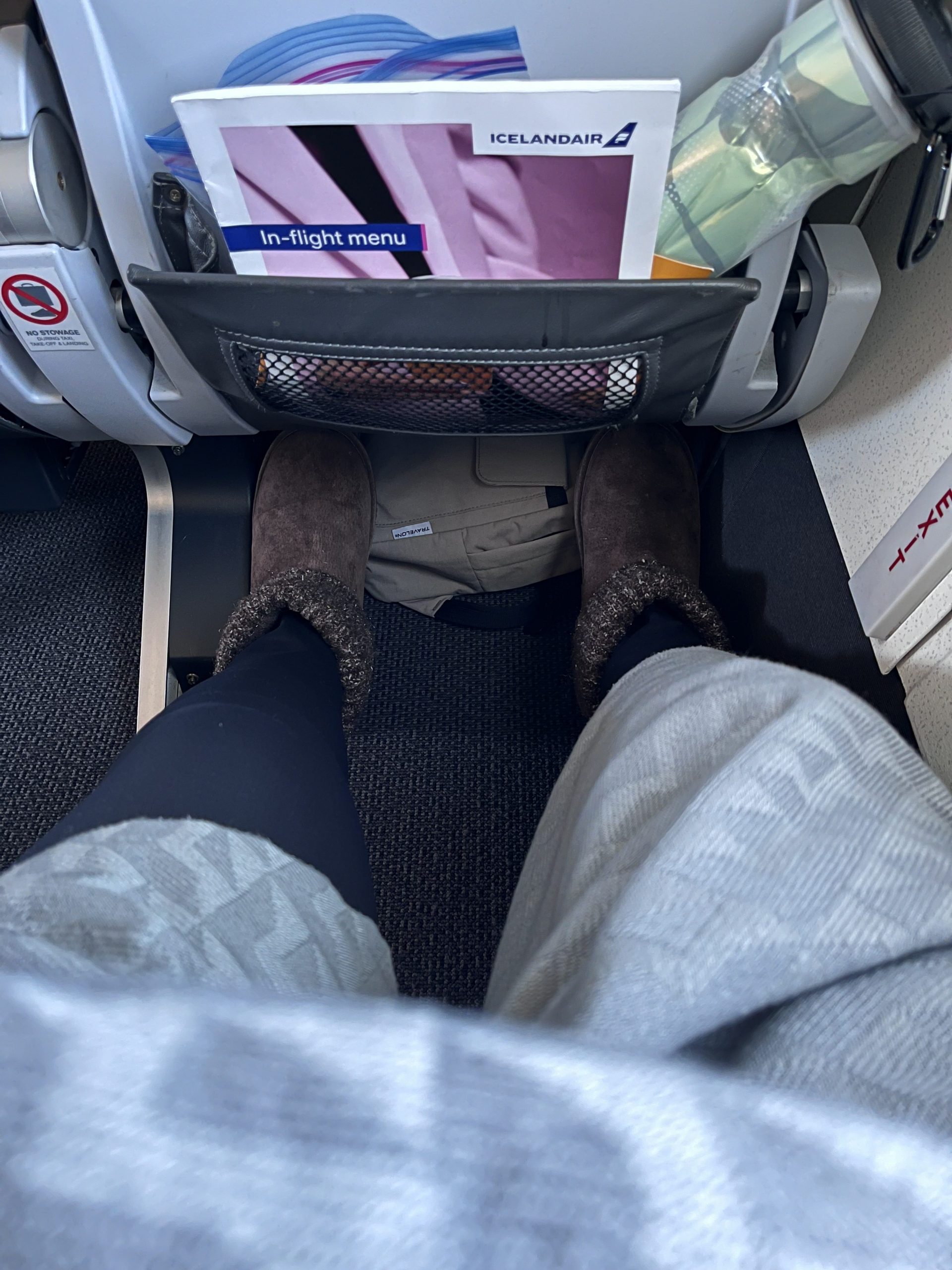
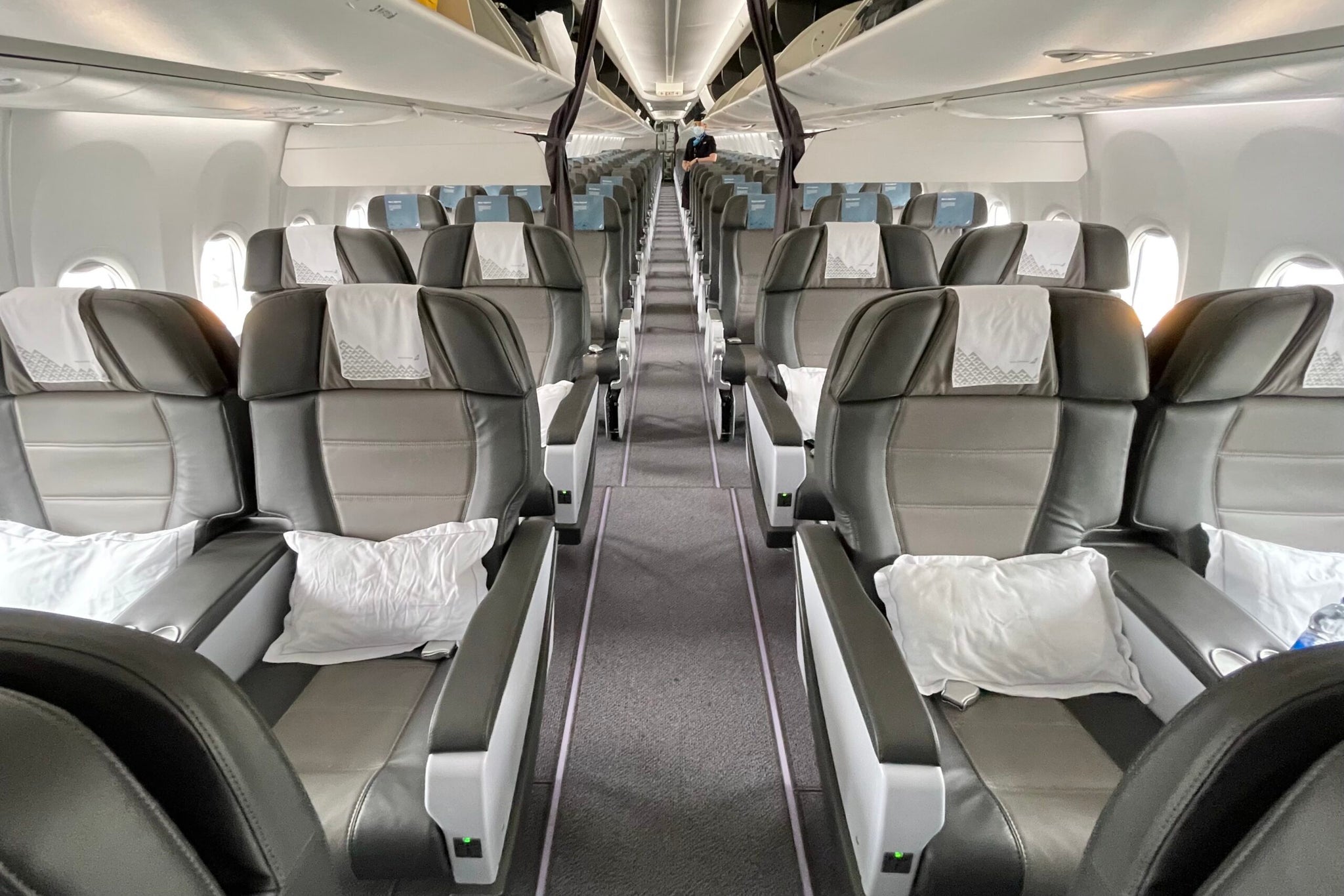
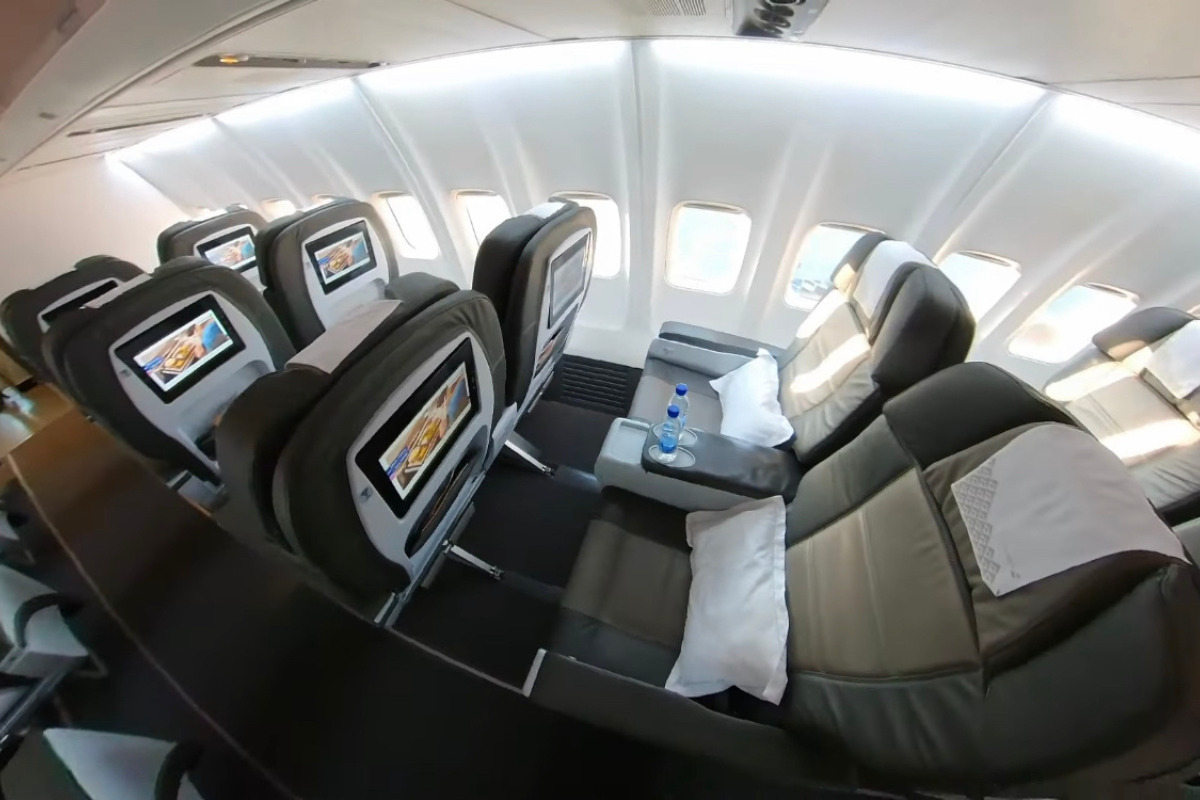
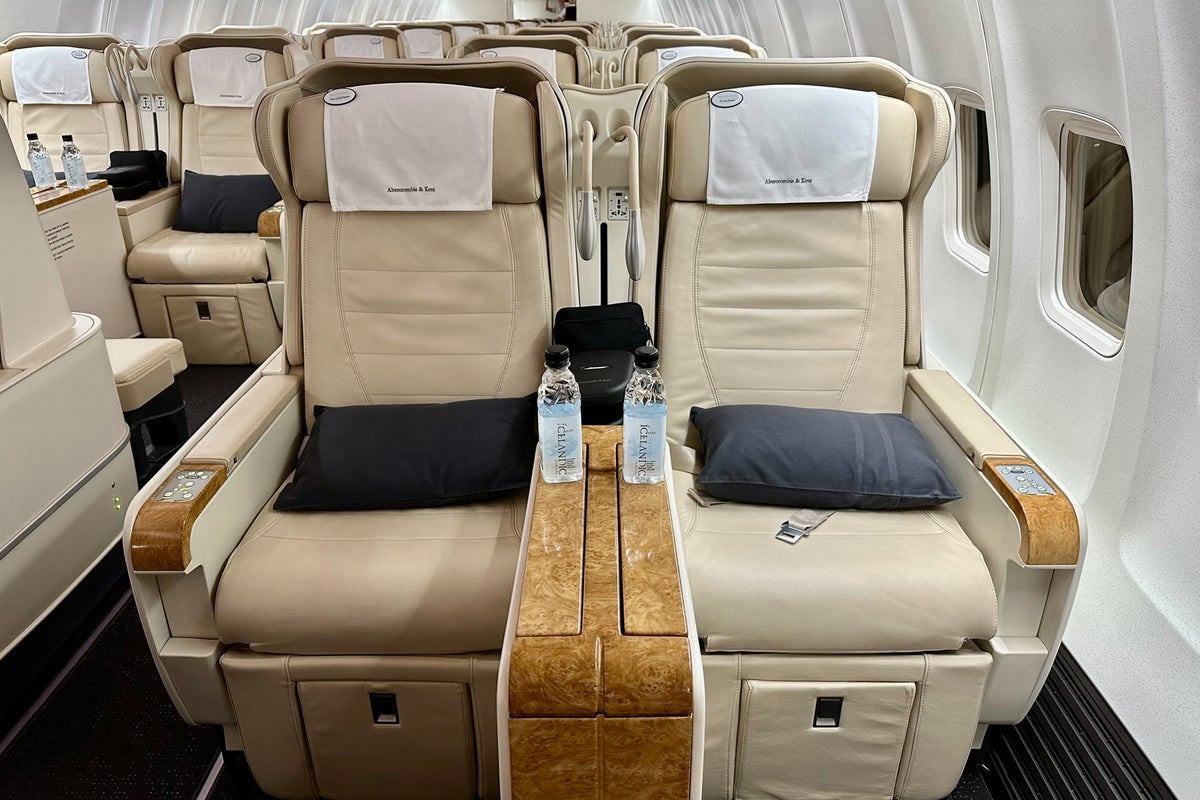
Navigating the Icelandair 757 seat map requires understanding that these aircraft, both the -200 and -300 variants, offer a unique cabin configuration compared to modern narrow-body jets. The primary secrets involve identifying "hidden" legroom in Economy, avoiding missing windows in specific rows, and understanding how Saga Class recliners differ from typical lie-flat business products.
The Evolution of the Icelandair 757 Fleet in 2026
As of 2026, the Boeing 757 remains a workhorse for Icelandair, bridging the gap between Europe and North America via the Keflavík hub. While the airline has integrated the 737 MAX and the A321LR into its operations, the 757-200 and the longer 757-300 (often called the "Flying Pencil") continue to fly high-demand routes. For passengers, this means encountering a cabin that feels classic yet meticulously maintained.
The seat map for these aircraft is not a monolith. Depending on the specific registration of the aircraft you are flying, the layout can vary slightly, especially regarding the placement of galleys and the "Saga Class" (business class) divider. Understanding these nuances is the difference between a cramped six-hour flight and a restful journey over the Atlantic.
1. The "Invisible" Legroom in Row 15 and 16 (757-200)
On the Boeing 757-200, the emergency exit rows are the gold mine of the Economy cabin. Specifically, Row 15 and Row 16 often provide "infinite" legroom because there is no seat directly in front of the window and middle positions due to the exit door path.
However, the secret lies in the temperature. Because these seats are adjacent to the primary exit doors, they tend to be significantly colder than the rest of the cabin during cruise altitudes. Passengers booking these seats for the extra room should always pack an extra layer or a dedicated travel blanket, as the draft from the door seals is a known characteristic of the 757 airframe.
2. The Missing Windows in Row 11 and 12
One of the most frustrating experiences for a traveler is booking a "window seat" only to find a blank plastic wall. On many Icelandair 757-200 configurations, Row 11 and sometimes Row 12 align perfectly with the aircraft's riser ducts (where the air conditioning and electrical systems travel from the belly to the ceiling).
When viewing the seat map online, these seats are often marked as standard window seats. If you are flying during the day and hope to catch a glimpse of Greenland's ice caps or the Northern Lights on a night flight, avoid these rows. Always cross-reference the seat map with the physical window alignment, which generally skips a window at these specific fuselage points.
3. Saga Class: The Recliner Reality
In 2026, many transatlantic carriers have shifted to all-aisle-access, lie-flat seats in business class. Icelandair’s Saga Class on the 757 is different. It uses a 2-2 configuration with deep-recline seats rather than flat beds.
The secret to maximizing Saga Class comfort is choosing the bulkhead in Row 1. While bulkhead seats often lack floor storage, they provide the most unobstructed legroom, ensuring that even when the passenger in front reclines, you aren't boxed in. The pitch in Saga Class is approximately 40 to 42 inches, which is generous for a recliner but requires a strategic choice to avoid feeling crowded by the seat in front.
4. The 757-300 "Flying Pencil" Middle-Cabin Trap
The 757-300 is the longest narrow-body twinjet ever built. Because of its extreme length, the boarding and deplaning process can be exceptionally slow if you are seated in the middle or rear of the aircraft.
The "secret" to the 757-300 seat map is the secondary exit door located just behind the wing. If you are seated in the mid-section, you may be trapped behind 100 people trying to get off the plane through the front door. If your connection at Keflavík is tight (under 60 minutes), always aim for the forward-most Economy rows (typically Rows 7 through 10) to ensure you are among the first to exit.
5. Row 7: The "Economy Plus" Secret
In many Icelandair 757-200 layouts, Row 7 is the first row of Economy, situated immediately behind Saga Class. This row often features significantly more legroom than the standard Economy pitch of 32 inches.
The reason for this is the movable divider used to separate the cabins. Depending on the demand for Saga Class, the airline can move the curtain. Row 7 is often "fixed" at a distance that accommodates the maximum recline of the Saga Class seats in front of it, resulting in a 34-35 inch pitch for the first Economy row.
6. Under-Seat Storage and the IFE Box
A common complaint on older 757 airframes is the presence of the In-Flight Entertainment (IFE) equipment box under the seat in front. On the Icelandair 757 seat map, certain seats—typically the "B" and "E" middle seats—may have their footwell space reduced by 30% to 50% due to these metal boxes.
If you are a traveler who prefers to keep a personal item at your feet rather than in the overhead bin, prioritize aisle or window seats, as these are less likely to house the larger electronic components required for the seatback screens.
7. The Galley Noise Factor in Row 14
On the 757-200, there is a mid-cabin galley located near the exit doors. While Row 15 offers great legroom, Row 14 is often the "sacrifice" row. It typically features restricted recline because of the bulkhead behind it, and it is the closest to the light and noise of the galley.
Flight attendants use this space to prep meals and drinks throughout the flight. For passengers on the "red-eye" flights from the US East Coast to Iceland, the constant clinking of trays and the light spilling through the curtain can make sleep nearly impossible in Row 14.
8. Seat Width Discrepancies
While the seat pitch (legroom) varies, seat width on the 757 is generally a standard 17 to 18 inches in Economy. However, seats in the exit rows (Row 15/16) and the bulkheads (Row 7 or Row 1 on Saga) have "in-arm" tray tables.
The secret here is that these in-arm tables make the armrests fixed and slightly thicker, which actually reduces the usable width of the seat. If you are a passenger who prioritizes hip room over legroom, you should avoid the exit rows and bulkheads in favor of a standard row where the armrests can be raised.
9. The 757-300’s Unique Row 18 and 19
The 757-300 has a different exit door configuration than the -200. On the -300, the "sweet spot" for legroom is often found in Rows 18 and 19. Because of the over-wing exit layout, these rows offer a staggered configuration that allows for more knee room.
Furthermore, because the 757-300 is so long, the aircraft is more prone to "tail wag" in turbulence. Seating near the wings (Rows 15–25) provides a much more stable ride than seating at the very back of the aircraft.
10. The Power Port Mystery
As of 2026, almost all Icelandair 757s have been retrofitted with USB ports and universal power outlets. However, their location is not always obvious on the seat map. In Saga Class, outlets are usually in the center console or under the armrest. In Economy, they are often located under your own seat rather than on the seatback in front of you.
Many passengers spend half the flight looking for the outlet on the screen or the seatback. If you can’t find it, reach down between your knees; the 110V universal outlet is usually situated there, shared between two seats.
11. Lavatory Proximity and "The Queue"
The 757 seat map shows lavatories at the very front, the middle (on the -300), and the very back. The "secret" to avoid is the last three rows of the aircraft. Not only do these seats often have limited recline, but the 757’s narrow aisle means that passengers queuing for the bathroom will frequently lean on your headrest or bump your shoulder.
Additionally, the scent from the lavatories can become noticeable toward the end of a six-hour flight, particularly in the confined space of the 757-200 rear cabin.
12. Identifying the "Hekla Aurora" Interior
Icelandair has several "special livery" 757s, most notably the Hekla Aurora, which is painted to look like the Northern Lights. While the seat map remains largely the same, the interior experience is unique.
The secret to these planes is the customized LED mood lighting. If you find yourself on a special livery aircraft, the seat map's "vibe" changes. The airline uses the lighting to mimic the Aurora Borealis throughout the cabin. While this doesn't change the physical dimensions of your seat, it significantly enhances the "Saga" experience of flying to Iceland.
13. The Naming Convention Secret
Every Icelandair 757 is named after an Icelandic volcano or a natural wonder. You can often see the name of the aircraft near the cockpit door as you board. While this isn't on the digital seat map you see during check-in, it dictates the history and maintenance cycle of that specific airframe.
For example, newer acquisitions in the fleet (like those from the secondary market) might have slightly different overhead bin sizes or newer seat upholstery than the "legacy" 757s that have been with Icelandair since the 1990s.
Technical Specifications Comparison: 757-200 vs. 757-300
To help you choose the right seat, here is a breakdown of the typical configurations you will encounter in 2026.
| Feature | Boeing 757-200 | Boeing 757-300 |
|---|---|---|
| Total Seats | Approx. 184 | Approx. 225 |
| Saga Class (2-2) | 20-22 seats | 22 seats |
| Economy (3-3) | 162-164 seats | 203 seats |
| Economy Pitch | 32 inches | 31-32 inches |
| Saga Class Pitch | 40-42 inches | 40-42 inches |
| Best Legroom (Econ) | Row 15, 16 | Row 18, 19, 31 |
| Window Alignment Issues | Row 11, 12 | Row 12, 13, 27 |
| Aircraft Length | 155 ft 3 in | 178 ft 7 in |
How to Verify Your Specific Seat Map
Since Icelandair operates multiple versions of the 757, the map you see on the website during booking is the most accurate for your specific flight. However, these can change if there is an "equipment swap."
An equipment swap occurs when the airline replaces a 757-200 with a 757-300 (or vice versa) due to mechanical issues or changes in passenger load. In 2026, it is highly recommended to check the Icelandair mobile app 24 hours before departure. If your seat number has changed, it is a sign of an equipment swap, and you should immediately review the new map to ensure you haven't been moved into a "no-window" or "limited-recline" seat.
Common Pitfalls When Choosing Seats
The biggest mistake travelers make is assuming all 757s are the same. Because these aircraft have been in service for decades, the interior "wear and tear" can vary.
- Avoid the very last row: On both the -200 and -300, the last row is adjacent to the galleys and lavatories and usually does not recline at all.
- Bulkhead tradeoffs: While you get no one reclining into you in Row 7, you lose the ability to store a bag under the seat in front of you for takeoff and landing.
- The "B" and "E" Seats: In a 3-3 configuration, the middle seat is always the least desirable. If you are traveling as a couple, consider booking the Window (A) and Aisle (C) and hoping the middle stays empty, though on Icelandair’s popular routes, this is rarely the case in 2026.
Frequently Asked Questions
Which Icelandair 757 seat is best for sleeping?
In Economy, the best seat for sleeping is a window seat in the "quiet zone" (Rows 8-12), excluding the window-less Row 11. The curvature of the 757 sidewall provides a decent lean for a travel pillow. In Saga Class, Row 2 or 3 is best, as you avoid the light from the front galley and the noise from the Economy cabin behind you.
Does Icelandair offer "Economy Comfort" on the 757?
As of 2026, Icelandair has streamlined its classes into Saga Class and Economy (with Light, Standard, and Flex tiers). While there isn't a dedicated "Premium Economy" cabin with different seats, booking an "Economy Flex" ticket often allows for better seat selection, including the high-legroom exit rows at no extra charge.
Are the seats on the 757-300 smaller than the 757-200?
The seat width is identical, as the fuselage diameter is the same for both models. However, the 757-300 can feel more crowded because there are more passengers sharing the same two aisles and the same number of exit doors for boarding.
Is there a power outlet at every seat on the Icelandair 757?
Yes, in 2026, all Icelandair 757s are equipped with power. Every passenger in Saga Class has a dedicated outlet. In Economy, outlets are usually shared (two outlets for three seats), so it is wise to bring a small multi-port USB adapter if you have multiple devices to charge.
How can I tell if my 757 has the new interior?
Icelandair has refreshed most of its 757 interiors with new leather seat covers and updated IFE systems. You can tell if you have the latest version by the screen size; the updated systems feature high-definition 10-inch screens in Economy, whereas older versions (now rare) had 7-inch screens with lower resolution.
Final Recommendation for Travelers
When booking your seat on the Icelandair 757, your priority should be alignment. If you value a view, stay away from Rows 11 and 12. If you value legroom, aim for Rows 15 and 16 on the -200 or Rows 18 and 19 on the -300. Finally, always keep a close eye on your flight status via the Icelandair app to manage any last-minute aircraft swaps that could move you from a prime seat to a restricted one.