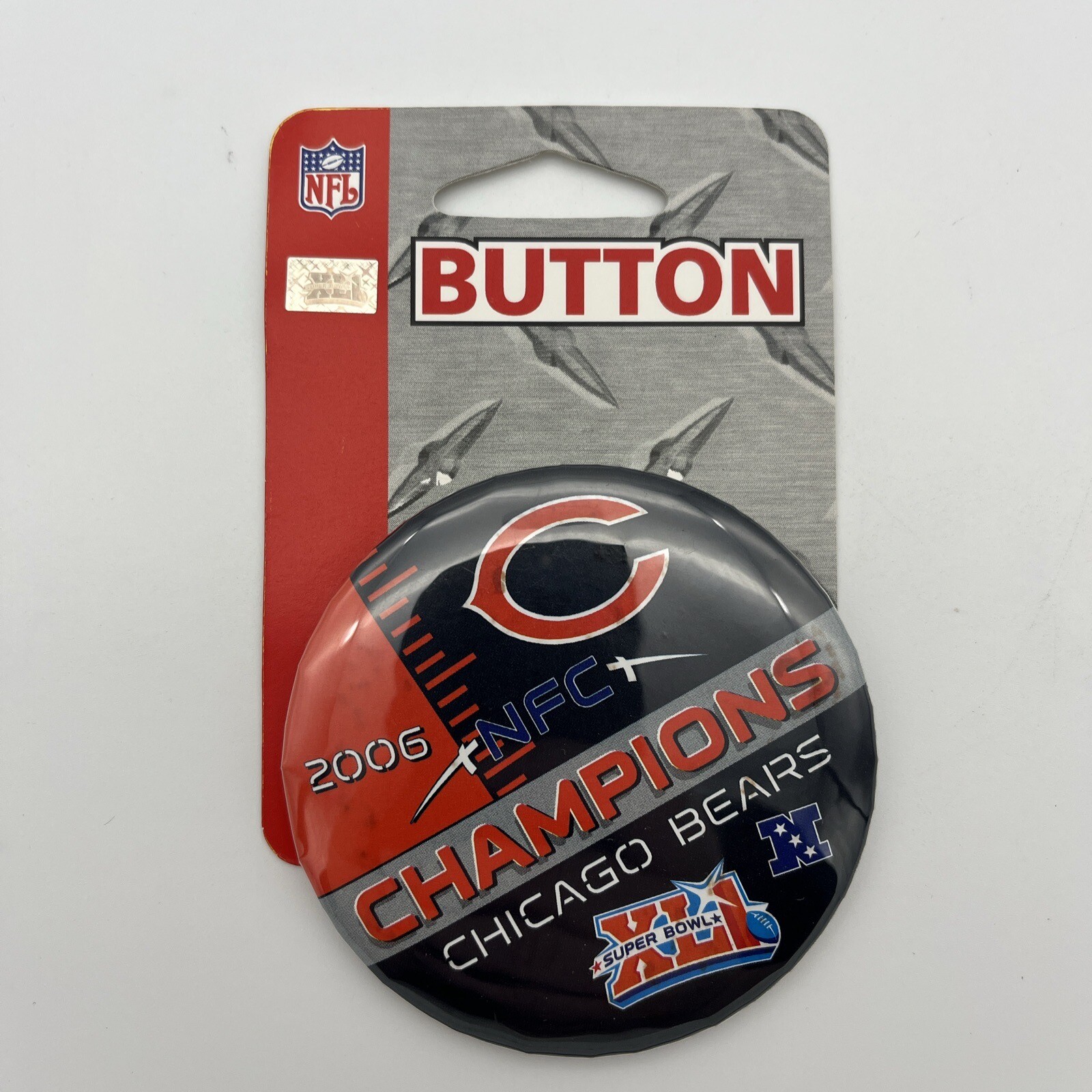
The 13-3 record achieved by the 2006 Chicago Bears stands as one of the most memorable regular-season campaigns in the franchise's modern history. Driven by an elite defense, standout special teams play, and an efficient offense, this squad secured the NFC's number-one playoff seed, captured an NFC Championship, and advanced to Super Bowl XLI, defining an era of hard-nosed Chicago football.
Introduction to the 2006 Chicago Bears Season
The 2006 NFL season was a campaign defined by balance, tenacity, and dramatic moments for the Chicago Bears. Finishing with a stellar 13-3 record, the team captured the imagination of the city and dominated the NFC North division. While historical narratives surrounding this team often focus heavily on their historically dominant defense and explosive special teams, the 13-3 record was the product of a complete team effort managed by head coach Lovie Smith.
To fully understand how the Bears reached 13-3, one must look beyond the simple win-loss column. This era of Chicago football relied on capitalizing on opponent mistakes, establishing field position, and protecting leads with a fierce defensive unit. This analysis explores the roster construction, the game-by-game journey to 13 wins, the statistical profile of the team, the postseason run, and the lasting legacy of the 2006 season.
Roster Construction and Coaching Philosophy
Head coach Lovie Smith, entering his third year at the helm in 2006, implemented a Tampa-2 defensive scheme that relied on speed, discipline, and relentless pursuit. Alongside defensive coordinator Ron Rivera, Smith built a unit featuring Pro Bowl and All-Pro talent across nearly every level of the defense.
On offense, coordinator Ron Turner worked with veteran quarterback Rex Grossman, who experienced a high-variance season characterized by brilliant explosive plays alongside turnover-prone stretches. Running back Thomas Jones provided a stable, physical ground game, complemented by dynamic rookie Cedric Benson. The offensive line, anchored by veterans like center Olin Kreutz and tackle John Tait, was built to wear down opposing defensive fronts.
| Position Group | Key Players | Core Responsibility |
|---|---|---|
| Quarterback | Rex Grossman, Brian Griese | Manage the offense, limit turnovers, and leverage play-action. |
| Running Back | Thomas Jones, Cedric Benson | Establish the run, control game clock, and pick up tough yardage. |
| Defense | Brian Urlacher, Lance Briggs, Mike Brown | Execute the Tampa-2 scheme, create turnovers, stop the run. |
| Special Teams | Devin Hester, Robbie Gould | Flip field position, score via return, and convert high-pressure kicks. |
Path to 13-3: Regular Season Breakdown
The journey to a 13-3 record began with high expectations and quickly transformed into a statement-making campaign. The Bears started the season with a commanding 7-0 run, showcasing a defense that routinely smothered opponents and a special teams unit that changed games in a single play.
The First Half: Statement Victories
In Week 1 against the Green Bay Packers, the Bears signaled their intentions with a 26-0 shutout. Early-season matchups against the Minnesota Packers, Detroit Lions, and Buffalo Bills demonstrated that Chicago's defense could close out tight games while the offense found its footing. Rex Grossman threw for multiple touchdowns in early wins against the St. Louis Rams and Seattle Seahawks, propelling the Bears to the top of the NFC standings.
Facing Adversity and Late-Season Resilience
Every 13-3 team experiences turbulence, and the 2006 Bears faced their share of offensive struggles during the second half of the year. Consecutive losses to the New England Patriots and Miami Dolphins in November exposed vulnerabilities when the offense turned the ball over multiple times. However, the team bounced back with gritty divisional wins, securing the NFC North crown early and locking up a first-round playoff bye.
Statistical Profile and Analytical Breakdown
A 13-3 record requires excellence across multiple phases of the game. The 2006 Chicago Bears finished the regular season ranked third in the NFL in points scored (427) and fifth in fewest points allowed (255), highlighting a balanced point differential.
Offensive Production and Turnover Variance
The offense scored 427 points, largely aided by defensive and special teams scores that gave them short fields. Rex Grossman threw for 3,193 yards, 23 touchdowns, and 20 interceptions. While the interception total raised concerns among analysts, his ability to push the ball downfield to wide receivers like Muhsin Muhammad and Bernard Berrian kept defenses honest. Thomas Jones rushed for 1,216 yards, anchoring the offense with a 4.1 yards-per-carry average.
Defensive Dominance
The defense allowed just 255 points across 16 games. Middle linebacker Brian Urlacher won the NFL Defensive Player of the Year award, directing the defense with exceptional instincts and leadership. Alongside weak-side linebacker Lance Briggs and defensive tackle Tommie Harris, the unit forced 44 total turnovers (24 interceptions and 20 fumble recoveries), providing the offense with countless extra possessions.
Special Teams Excellence: The Devin Hester Factor
No discussion of the 2006 Chicago Bears is complete without examining their historic special teams unit, coordinated by Dave Toub. Rookie return specialist Devin Hester electrified the NFL by returning three punts and two kickoffs for touchdowns during the regular season, alongside a missed field goal returned for a score.
Hester's presence fundamentally altered how opposing coordinators kicked the football. Teams regularly attempted pooch kicks or kicked out of bounds, gifting the Bears favorable starting field position. Alongside Hester, kicker Robbie Gould earned Pro Bowl honors by converting 32 of 36 field goal attempts, providing reliable scoring in close, low-scoring defensive contests.
Postseason Journey and Super Bowl XLI
Securing the 13-3 record earned the Bears the number-one seed in the NFC, granting them a bye week before hosting the Seattle Seahawks in the Divisional Round.
Divisional Round Thriller vs. Seattle Seahawks
In a freezing contest at Soldier Field, the Bears edged out the Seattle Seahawks 27-24 in overtime. Robbie Gould kicked a 39-field goal in the extra session to secure the victory after a hard-fought back-and-forth battle that tested Chicago's resolve.
NFC Championship Victory Over the New Orleans Saints
The NFC Championship Game featured a matchup against the high-flying New Orleans Saints. The Bears' defense intercepted Saints quarterback Drew Brees twice and forced crucial fumbles, while Thomas Jones rushed for 123 yards and two touchdowns. Devin Hester added a 55-yard punt return touchdown that broke open the game, sealing a 39-14 victory and sending Chicago to Super Bowl XLI.
Super Bowl XLI Appearance
Facing the Indianapolis Colts in Miami, the Bears started fast when Devin Hester returned the opening kickoff 92 yards for a touchdown. However, torrential rain, injuries to key defensive starters, and timely play from Peyton Manning allowed the Colts to take control. Despite the 29-17 defeat, reaching the Super Bowl cemented the 2006 team's place in franchise history.
Legacy and Historical Comparison
The 13-3 record achieved in 2006 remains the benchmark for modern Chicago Bears football. While the franchise has fielded other competitive squads, few have matched the sheer entertainment value, defensive prowess, and special teams dominance of the 2006 roster.
Comparisons to earlier legendary Chicago teams, such as the 1985 championship squad, are inevitable. While the 1985 Bears remain the gold standard for defensive dominance through a complete playoff run, the 2006 team captured a similar cultural phenomenon in Chicago sports, uniting a passionate fan base around a core of resilient, hard-working players.
Frequently Asked Questions
What was the final regular-season record of the 2006 Chicago Bears?
The 2006 Chicago Bears finished the regular season with a 13-3 record, earning them the number-one seed in the NFC playoffs and a first-round bye.
Who was the starting quarterback for the 2006 Chicago Bears?
Rex Grossman was the primary starting quarterback for the 2006 season, starting all 16 regular-season games and the team's three postseason contests, including Super Bowl XLI.
How many turnovers did the 2006 Bears defense force?
The Bears defense forced 44 total turnovers during the 2006 regular season, consisting of 24 interceptions and 20 fumble recoveries, which led the NFL.
What role did Devin Hester play in the 2006 season?
As a rookie, Devin Hester revolutionized special teams play by returning three punts, two kickoffs, and one missed field goal for touchdowns, earning First-Team All-Pro honors.
Who won the NFL Defensive Player of the Year award in 2006?
Chicago Bears middle linebacker Brian Urlacher won the NFL Defensive Player of the Year award for his stellar leadership, tackling, and coverage skills within the team's Tampa-2 defense.
Conclusion and Final Takeaway
The 13-3 record of the 2006 Chicago Bears represents a masterclass in team-building, capitalizing on elite defensive play, game-changing special teams, and timely offensive execution. Though the season concluded with a tough loss in Super Bowl XLI, the team's grit, historic individual performances, and memorable playoff moments continue to resonate with football historians and fans alike.